Free Rome: What to See Without Spending Money
In short. Rome is the European city where you can see the most without paying anything, and also the city where, over the last three years, the list of what's free has shrunk the fastest.
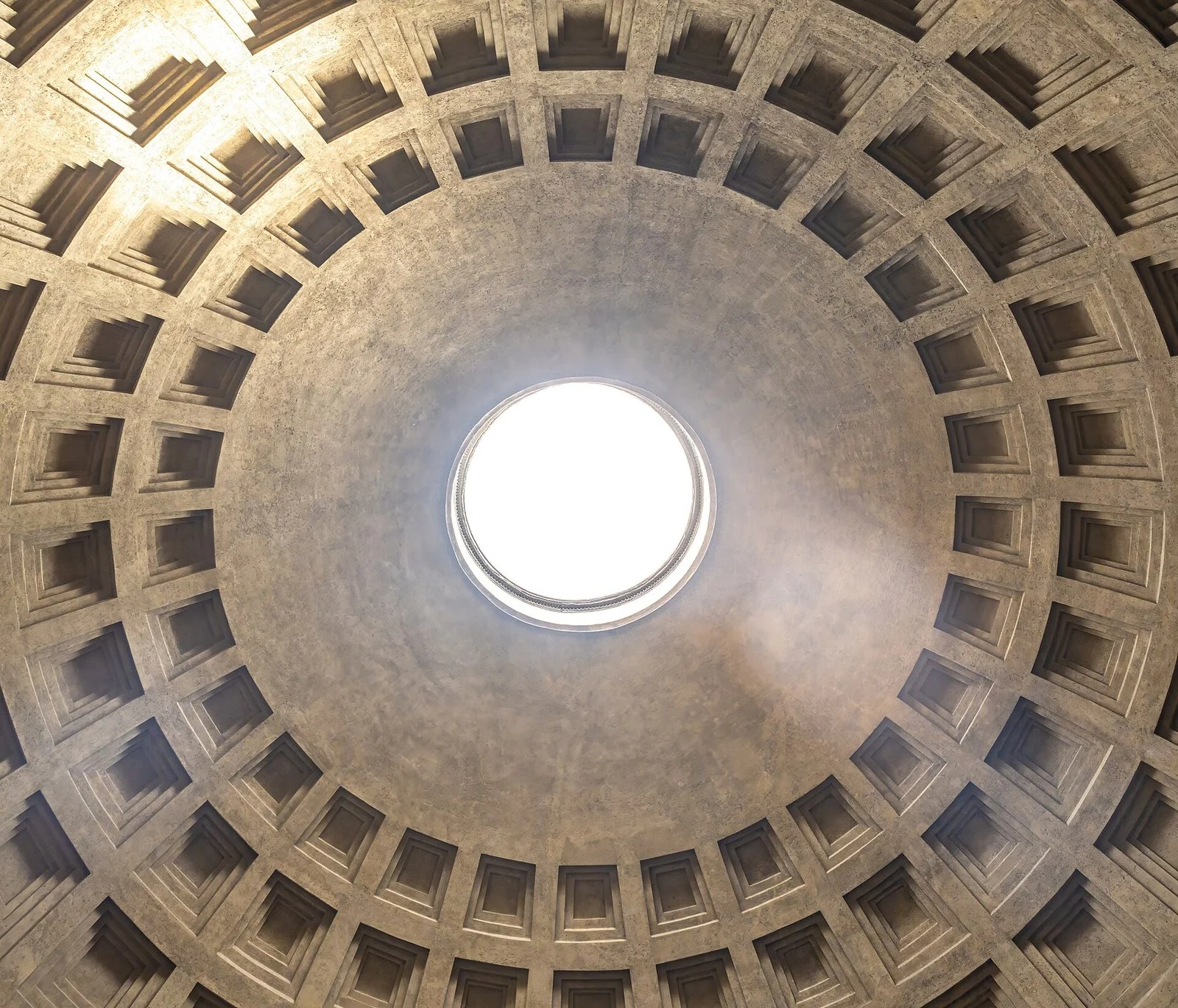
Rome is the European city where you can see the most without paying anything, and also the city where, over the last three years, the list of what's free has shrunk the fastest. The Pantheon has had a ticket since July 2023. Since February 2, 2026, non-residents pay €2 to enter the monumental area of the Trevi Fountain. Also since February 2026, the city museums of Roma Capitale have become free for residents of the Metropolitan City and, in exchange, some sites that used to be open to everyone now ask a ticket from visitors who come from outside. The pages that follow lay out what you can really see in Rome without spending money, distinguishing what is free for everyone, what is free only for residents, what is free only on certain days and what is no longer free.
The premise of the method is simple: nothing is called free here unless the official website of whoever runs the place says so, and where the information has changed recently, the date of the change is written out in full. Where the information can't be verified with certainty, or changes from season to season, the text says so and tells you to check before heading out: in Rome, between the State, the City, the Vicariate, religious orders and private foundations, at least five different fee systems coexist within a few hundred meters.
What really changed in 2026
Since February 2026, admission to the museums of the Roma Capitale Museum System is free for those who live in Rome and the Metropolitan City, by showing an ID card at the ticket desk: the official Musei in Comune portal says so. Free admission is no longer a matter of place but of residence: the same museum, on the same day, can cost a tourist €16.50 and nothing to someone who lives in Guidonia.
The new fee system of the city museums
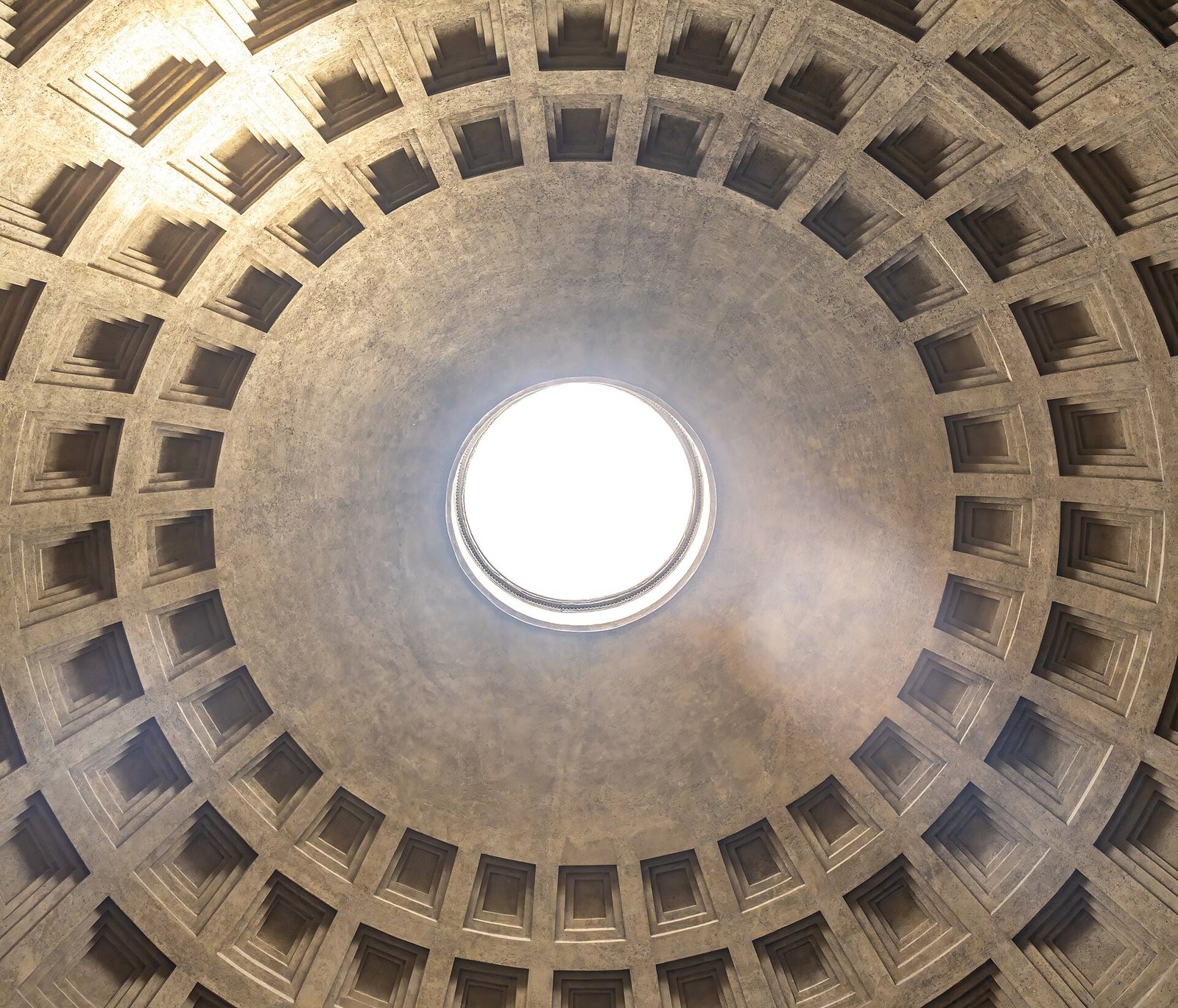
The Musei in Comune portal now lists 14 paid sites: Capitoline Museums, Museo di Roma at Palazzo Braschi, Trajan's Markets, Ara Pacis Museum, Centrale Montemartini, Museo di Roma in Trastevere, Galleria d’Arte Moderna, Villa Torlonia Museums, Civic Zoology Museum, Bilotti Museum, Barracco Museum, Napoleonic Museum, Canonica Museum and Villa di Massenzio. Only four places remain free for everyone: the Museum of the Roman Republic, the Museum of the Walls, the Casal de’ Pazzi Museum and the Alberto Moravia House Museum. The Planetarium shows remain paid for everyone.
Comparing it with the list in force until 2025 shows the flip side. Until last year, the Barracco Museum, the Napoleonic Museum, the Canonica Museum, the Carlo Bilotti Museum and Villa di Massenzio were also free for everyone: five sites that now appear on the list of active ticket offices. Those who live in the Metropolitan City have gained 14 museums and haven't lost any.
Is the MIC Card still useful?
The MIC Card costs €5 and is valid for 12 months of free admissions to the Museum System: adults who live or are domiciled in Rome and the Metropolitan City can request it, as can students of universities in the Rome area. With the free admission that started in February 2026 it loses its main function for residents, but it remains useful for temporary domiciled people and for students without Roman residency, and for anyone who wants the discount on exhibitions with a separate ticket office.
Why temporary exhibitions stay out of the count
This is the point where most disappointments happen at the ticket desk. When a major exhibition with a separate ticket office is on at the Capitoline Museums or at Centrale Montemartini, the free admission covers the permanent route but not necessarily the temporary exhibition: in some cases even those who are entitled to free admission must get a heavily reduced €2 ticket, as the Musei in Comune portal specifies. Before taking free admission for granted, it's worth checking which exhibitions are on at the site you want to visit.
Churches: the richest museum in Rome, and it's still free
Rome's churches are the largest free-admission museum in the Western world, and this is the item that hasn't changed in 2026. In a few buildings open without a ticket you can see three Caravaggios in the same chapel, a Moses by Michelangelo, ninth-century Byzantine mosaics, the most famous fake dome of the Baroque and Bernini's sculptures. The only currency required is respect.
The Caravaggios you can see without a ticket
The church of San Luigi dei Francesi, a stone's throw from Piazza Navona, holds the cycle of Saint Matthew in the Contarelli Chapel: the Calling, the Martyrdom and Saint Matthew and the Angel, three canvases by Caravaggio in the same room, lit intermittently by a coin-operated system. A few hundred meters farther on, in Piazza del Popolo, the church of Santa Maria del Popolo keeps the Conversion of Saint Paul and the Crucifixion of Saint Peter in the Cerasi Chapel, facing each other, with an altarpiece by Annibale Carracci in between: the most instructive comparison you can make for free between two opposite ways of understanding sacred painting of the early 1600s. In the same church there is the Chigi Chapel designed by Raphael.
A third Roman Caravaggio you can see without a ticket is the Madonna of the Pilgrims in the Basilica of Sant’Agostino in Campo Marzio, first chapel on the left: the barefoot Madonna on the threshold and the two pilgrims with dirty feet in the foreground. If you want to string the three places together, you can do it in a 20-minute walk, with no reservation.
Michelangelo at San Pietro in Vincoli
Michelangelo's Moses is in the Basilica of San Pietro in Vincoli, on the Oppian Hill, and admission is free. It's what remains of the project for the tomb of Julius II, scaled down several times and finally reduced to a wall monument. The church also keeps the chains that tradition identifies as those of Saint Peter's imprisonment, under the main altar. You get there from the Colosseum with a 10-minute uphill walk, or from the Cavour station of metro line B.
In the same vein, remember the Basilica of Santa Maria sopra Minerva, the only Gothic church in the center: inside there are Michelangelo's Christ Carrying the Cross, the Carafa Chapel frescoed by Filippino Lippi and the tomb of Saint Catherine of Siena. Outside, Bernini's little elephant holding up an Egyptian obelisk.
The mosaics, the chapter almost nobody plans for
Rome has a continuous mosaic tradition from the 4th to the 13th century, and you can see almost all of it without paying. The Basilica of Santa Prassede, a few steps from Santa Maria Maggiore, keeps the Chapel of Saint Zeno, entirely covered in ninth-century mosaics commissioned by Pope Paschal I: the Romans called it the Garden of Paradise. The Basilica of Santa Maria in Trastevere has in its apse the 13th-century cycle with the Coronation of the Virgin and, below, the six stories from the life of Mary by Pietro Cavallini. The Basilica of Santi Cosma e Damiano, overlooking the Roman Forum, keeps a sixth-century apse mosaic with a Christ on a blue background among the most beautiful and least visited in the center.
To complete the route there are the Basilica of Sant’Agnese fuori le mura on the Nomentana, with its seventh-century apse mosaic, and the Basilica of San Lorenzo fuori le mura at the Verano, which joins two churches from different eras and still bears the marks of the bombing of July 19, 1943.
The Baroque of optical wonders
The church of Sant’Ignazio di Loyola in Campo Marzio has a dome that doesn't exist: a disc of canvas painted by Andrea Pozzo in the late 1600s to simulate in perspective a dome that was never built, which works only from one precise spot on the floor, marked by a yellow marble disc. On the vault, Pozzo himself painted the Glory of Saint Ignatius. Admission is free.
In the same line you should see the church of the Gesù, with Baciccio's Triumph of the Name of Jesus and the stucco that seems to spill over the frame, the church of Santa Maria della Vittoria with Bernini's Ecstasy of Saint Teresa in the Cornaro Chapel, the church of Sant’Andrea al Quirinale, also by Bernini, and, across from it, the church of San Carlo alle Quattro Fontane by Borromini: two opposite ways of solving the same problem, a small church on a narrow lot, 200 meters from each other. The church of Santa Maria della Pace too, with Raphael's Sibyls and Bramante's cloister next door, is worth the detour, keeping in mind that the hours are reduced and need to be checked.
The unwritten rules that save you from embarrassment
In Rome's churches four rules apply everywhere: shoulders and knees covered, silence because many are active parishes and Mass takes precedence, flash always forbidden and in quite a few chapels no photography at all, offering voluntary and never required, except for the coins for the chapel lights, which remain the only way to really see the paintings.
The four papal basilicas and St. Peter's Basilica
Rome's four papal basilicas are all free to enter, including St. Peter's Basilica in the Vatican: you pay only for additional services. Many visitors believe the Vatican Museums ticket also works for the basilica: they are two different things, with two entrances and two different lines.
St. Peter's: the basilica is free, the dome is paid
Admission to St. Peter's Basilica is free, with security checks and a dress code that is strictly enforced. The climb up the dome is paid, with different rates for the walking route and the elevator, as is the visit to the Grottoes and the Vatican Necropolis, the latter only by reservation and with limited numbers. The rates are updated by the Fabbrica di San Pietro. Vatican City is a foreign State and applies its own rules.
Lateran, Santa Maria Maggiore, San Paolo
The Basilica of San Giovanni in Laterano, the cathedral of Rome, is free to enter: the Cosmatesque cloister by Vassalletto and the adjoining museum are paid. Across from it, the Holy Stairs can be climbed on your knees for free, while the Sancta Sanctorum at the top requires a ticket. The Basilica of Santa Maria Maggiore is free in the nave, with the fifth-century mosaics and the apse mosaic by Jacopo Torriti, while the museum and the loggia have a separate ticket. The Basilica of San Paolo fuori le Mura is free in the church and paid in the cloister: inside runs the frieze with the mosaic portraits of all the popes.
Near the Lateran, the Basilica of Santa Croce in Gerusalemme, also free to enter, is worth a stop. On the Caelian Hill, the Basilica of Santi Quattro Coronati keeps the Oratory of San Silvestro with a cycle of 13th-century frescoes that you visit by ringing for the cloistered nun and leaving an offering: the church is free, the oratory requires a small contribution. Not far away, the church of Santo Stefano Rotondo al Celio, with its circular plan, has very limited hours that you should check before climbing up.
The San Clemente case: free above, paid below
The Basilica of San Clemente is the perfect example of how thin the line is between free and paid. The upper basilica, with the apse mosaic of the Cross as the tree of life, is free to enter. The two underground levels, the early Christian church of the 4th century and the Roman Mithraeum, require a ticket managed by the Irish Dominican fathers. The same logic applies to the Roman Houses of the Caelian Hill under the Basilica of Santi Giovanni e Paolo and to the Stadium of Domitian under Piazza Navona: on the surface you look for free, underground you pay.
Squares, fountains and streets: the open-air theater
Rome's squares remain free, with a single recent exception: the monumental area of the Trevi Fountain.
The Trevi Fountain since February 2, 2026: how it really works
Since February 2, 2026, access to the inner perimeter of the Trevi Fountain, the basin closest to the monument, requires a €2 ticket for non-residents: the official website run by Roma Capitale says so. The fountain remains visible and photographable from the outside without paying anything, though, and after the monumental area closes it is freely accessible again.
Entry is free, by showing ID at access control, for residents of Rome and the Metropolitan City, children under six, people with disabilities and one companion, tour guides with a valid badge and MIC Card holders. The ticket office is on Via della Stamperia, the exit on Via dei Crociferi. The published hours run from 9 to 22 on most days, with a later opening at 11:30 on Mondays and Fridays and last entry at 21:00, but the schedule can change for maintenance or public order. Inside the area it is forbidden to sit on the edge of the basin, eat, drink, smoke and get in the water. Throwing the coin remains the only permitted exception.
The fountains that stay free
You can walk freely around Bernini's Fountain of the Four Rivers in the middle of Piazza Navona, with the Moor Fountain and the Neptune Fountain. The Barcaccia Fountain at the foot of the steps of Piazza di Spagna is accessible at any hour, keeping in mind that sitting on the steps has been forbidden since 2019. The Turtle Fountain in Piazza Mattei is the most elegant minor fountain in Rome. The Triton Fountain in Piazza Barberini is the other great open-air Bernini work. The Fontanone dell’Acqua Paola on the Janiculum combines a monumental water display with a panorama.
Squares, staircases and passages
Campo de’ Fiori with the morning market and the statue of Giordano Bruno, Piazza del Popolo with the Flaminian obelisk and the two twin churches, the square of the Capitoline Hill designed by Michelangelo: all free and always open. Galleria Sciarra deserves a separate mention, an Art Nouveau courtyard covered by a glass roof and entirely frescoed, a few steps from Trevi: you walk through it without a ticket during the building's opening hours, and since it's a building with private offices it has no guaranteed tourist schedule. I'll add the cast-iron drinking fountains that Romans call nasoni, scattered by the hundreds: they give free drinking water all over the city.
Rome's viewpoints: the panorama is free
You can look at Rome from above without spending anything, unlike other European capitals where every panoramic terrace has a turnstile: the four classic spots are the Janiculum, the Pincio, the Aventine and Monte Mario, all public spaces with free access.
The Janiculum
The Janiculum offers the widest and most frontal view over the rooftops of the Historic Center, from Piazzale Garibaldi. You get there on foot from Trastevere along Via Garibaldi, passing in front of the church of San Pietro in Montorio and the Tempietto del Bramante in the adjoining courtyard, free to enter with limited hours. At the top, a few meters from the Garibaldi monument, the Museum of the Roman Republic inside Porta San Pancrazio remains free for everyone even after the 2026 reform. At exactly noon the cannon shot goes off that has marked Rome's time since 1847.
The Pincio and the terrace over Piazza del Popolo
The terrace of the Pincio, overlooking Piazza del Popolo with the dome of St. Peter's in the background, is the most crowded sunset in the city and costs nothing. You get there by the ramp that climbs up from the square or by crossing Villa Borghese from Porta Pinciana. On the avenue there is the Pincian Obelisk, erected by Hadrian in memory of Antinous, and a little farther on the 19th-century water clock. On the other side, Villa Medici opens its gardens only with a paid visit, while the view from the square in front of the church of Trinità dei Monti is free.
The Aventine and the keyhole
The Orange Garden, which is actually called Parco Savello, is a rectangle of bitter orange trees with a terrace over the Tiber and Trastevere: free to enter, hours that follow the light. Next to it, the Basilica of Santa Sabina on the Aventine keeps the fifth-century wooden door with one of the oldest known crucifixions. About a hundred meters farther on, the gate of the Villa del Priorato di Malta has the keyhole through which you frame the dome of St. Peter's at the end of an avenue of hedges: looking costs nothing, but the line can be long. Not far away, the Basilica of San Saba completes the tour of the hill.
Monte Mario, the highest point
The Monte Mario Nature Reserve is the highest peak in the municipality of Rome and has a viewpoint that looks at the city from the northwest, with the bend of the Tiber in the foreground: it's a free public park on marked trails, and it hosts the Monte Mario Observatory, which opens only on specific occasions.
The minor viewpoints few people know
Beyond the four classics, Rome has a second row of free panoramic points: Monte Testaccio seen from the outside, the square in front of the Palazzo della Civiltà Italiana at EUR, the lookout from Milvian Bridge. The Vittoriano deserves a separate discussion: the monument is free to enter according to the official VIVE website, open every day from 9:30 to 19:30 with last entry at 18:45, while the panoramic terrace at the top is reached by paid elevators. Climbing the steps up to the Altar of the Fatherland, where the changing of the guard takes place every hour, costs nothing.
Parks and historic villas: green space is free
Rome is among the greenest capitals in Europe, and almost all of it is free to enter: the historic villas, private parks of noble families that became public between the 19th and 20th centuries, are the cheapest way to spend a whole day in the city.
Villa Borghese and the villas of the center
Villa Borghese is free in its avenues, the little lake, the Temple of Aesculapius and Piazza di Siena. The Galleria Borghese, with mandatory reservation by time slot, the Secret Gardens and, since 2026, also the Carlo Bilotti Museum and the Pietro Canonica Museum for non-residents are paid. Inside the park there is also the Casa del Cinema, which schedules free screenings for a large part of the year.
Villa Torlonia on the Nomentana has a free park with the Moorish Greenhouse, the two obelisks and the eclectic architecture of Giuseppe Jappelli. The Casino Nobile and the Casina delle Civette are paid, free for residents since February 2026. Villa Celimontana, on the Caelian Hill, is a free public park with an Egyptian obelisk in the middle. Villa Sciarra, in Monteverde, has a system of 18th-century fountains and statues brought from a Lombard villa.
The great green lungs
Villa Doria Pamphilj is the largest urban park in Rome, with the Casino del Bel Respiro visible from the outside and free entry from about 10 gates. Villa Ada, on Via Salaria, has a little lake, urban trekking routes and the Savoy family bunkers, which can be visited only with a paid guided visit. The Aqueducts Park is the most cinematic place in the city: six aqueducts crossing an open meadow, with no fences and no ticket, from the Giulio Agricola or Subaugusta stops of metro line A.
The Caffarella Park and the Appia Antica Park form the largest archaeological and natural system inside a European city: you walk for free for kilometers among Roman tombs, farmhouses, flocks of sheep and original paving stones. In the park there are also the church of Sant’Urbano alla Caffarella and the Nymphaeum of Egeria, while the fenced sites like the Villa of the Quintilii and the catacombs are paid. On Sundays the Appia is closed to private traffic along a large part of its historic route.
Specialized gardens: when green space has a ticket
Two exceptions have to be stated clearly. The Botanical Garden of Rome, on the slopes of the Janiculum, is not a public park but a facility of the Sapienza and has a ticket. The Rose Garden of Rome on the Aventine is free but opens only during the blooming period, roughly between April and June, with dates that change every year: outside that period the gate is closed. The EUR Lake, with the waterfall garden and the Japanese cherry trees, is free all year.
Open-air archaeology: what you can see without a ticket
The largest part of the ancient city is not inside the fenced sites but in the open, within the urban fabric, and you can look at it for free while walking.
The monumental center seen from the street
The Colosseum can be seen in its entirety from the outside, from the metro line B side and from the Oppian Hill, with no ticket and no line. The Roman Forum can be overlooked from Via dei Fori Imperiali and, better, from the terrace of the Capitoline Hill behind Palazzo Senatorio. Trajan's Column, with its continuous 200-meter frieze, is viewed from the enclosure on the square. The Theater of Marcellus is seen from the street of the same name. The Sacred Area of Largo Argentina has had a paid route since 2023, but the four temples remain visible from the parapet, and the cat sanctuary can be visited freely during the shelter's hours.
The Forum Boarium, the densest and free corner
Between the Capitoline Hill and the Tiber is concentrated the greatest density of ancient monuments that can be seen at no cost in all of Rome. The Temple of Hercules Victor and the Temple of Portunus, the two best-preserved Republican temples in the city, are viewed from the square. The Arch of Janus and the Arch of the Argentarii are at a public intersection. The Mouth of Truth under the portico of Santa Maria in Cosmedin can be seen by waiting in line without a ticket, and the basilica behind it is free. A little farther on, the church of San Nicola in Carcere incorporates three temples of the Forum Holitorium in its walls, visible from the outside along the sides.
The walls, the gates, the pyramids
The Aurelian Walls are the most extensive ancient monument in the city, 19 kilometers of wall largely still standing, which you can walk alongside for free. The only point where you climb onto the patrol walkway is the Museum of the Walls at Porta San Sebastiano, free for everyone even after the 2026 reform. The Pyramid of Cestius can be seen from Piazzale Ostiense, and next to it the Non-Catholic Cemetery, where Keats and Shelley rest, is visited with a suggested but not required offering. The Mausoleum of Augustus can be seen from the square around it even when the inside is closed.
What you pay for instead, even if it seems free
Here three recurring misunderstandings need to be cleared up. The first: the statue of Marforio, one of Rome's talking statues, is not on the street but in the courtyard of Palazzo Nuovo, inside the visit route of the Capitoline Museums, so to see it you need the museum ticket, free only for residents since February 2026. The talking statue you really see without paying is Pasquino, in the little square behind Piazza Navona. The second: the Ara Pacis is inside a paid city museum, and Meier's glass case lets you glimpse it only partially. The third concerns the Pantheon.
The Pantheon is no longer free: how it works today
The Pantheon has had an admission ticket since July 2023, and it's the most important correction to make to any guide published before that date. The monument, at once the best-preserved building of antiquity and the basilica of Santa Maria ad Martyres, is managed under an agreement between the Ministry of Culture and the Vicariate of Rome.
Rates and free admission
The standard ticket is €5, with a reduction up to age 25 and free admission for those under 18 and, according to the reconstructions of how the ticket was introduced, for residents of Rome. Since it is an agreement subject to review, it's best to check the free admission conditions on the ministry's ticketing portal before showing up in Piazza della Rotonda.
How you can still get in without paying
Access remains free for worshippers attending services. The Chapter of Canons publishes the Mass times: Saturdays and the eves of holidays at 17:00, Sundays and holidays at 10:30. It's not a tourist shortcut and shouldn't be used as one. The opening hours for the public are every day from 9 to 19, with last entry at 18:30, and may vary because of services.
The museums that remain free for everyone
After the February 2026 reform, the Roma Capitale museums that are free for everyone, residents and non-residents alike, are four. It's a short list but far from secondary, and it has the advantage of being stable.
Museum of the Roman Republic and of Garibaldian Memory
Housed inside Porta San Pancrazio, on the Janiculum, the Museum of the Roman Republic tells with multimedia displays the months of 1849, from the proclamation of the Republic to the defense of the Janiculum: the battlefield is exactly the park you cross to get there.
Museum of the Walls
The Museum of the Walls occupies the rooms of Porta San Sebastiano, the monumental gate where Via Appia begins, and lets you walk a stretch of the patrol walkway of the Aurelian Walls. It's the only point where you walk inside the walls without paying, and it's the natural starting point for a day on the Appia Antica.
Casal de’ Pazzi and the Alberto Moravia House Museum
The Casal de’ Pazzi Museum, in the northeast quadrant, preserves in situ an ancient riverbed with over 2,000 fossils of Pleistocene animals and more than 1,500 flint artifacts. The Alberto Moravia House Museum, on the Lungotevere della Vittoria, preserves the apartment where the writer lived with Elsa Morante and then Dacia Maraini: free visit but by reservation, with limited shifts.
Free days: first Sunday, last Sunday, FAI, heritage
The calendar of free days is the second lever for visiting Rome without spending money, and it needs to be planned with care: each circuit has its own rules and none applies to all the museums in the city.
The first Sunday of the month
The first Sunday of the month concerns state museums and archaeological parks, not municipal ones. The Ministry of Culture has revised its scope several times in recent years, restricting it in some periods of the year and for some very high-traffic sites: before leaving, it's best to check on the individual institution's website whether the day is confirmed and whether a reservation is still needed, mandatory for limited-capacity sites even when admission is free. On the municipal side, the Sovrintendenza Capitolina uses the first Sunday for guided visits to Palazzo Senatorio, with shifts at 10:00, 11:30, 15:00 and 16:30, lasting 75 minutes, with a maximum of 30 participants and mandatory reservation at the 060608 contact center from 16:00 on the previous Thursday.
The last Sunday of the month at the Vatican Museums
The Vatican Museums open with free admission every last Sunday of the month, from 9 to 14 with last entry at 12:30: the official website of the Pope's Museums says so. It's the only way to see the Sistine Chapel without paying, and it's also the day when the line along Viale Vaticano reaches memorable proportions. On other days the museums are open Monday to Saturday from 8 to 20, with last entry at 18:00.
The European Heritage Days
The European Heritage Days 2026 take place on Saturday, September 26 and Sunday, September 27, with the theme Protecting heritage. Renewing, resisting, reinventing. In Rome the Sovrintendenza Capitolina opens special routes in the city museums and in monuments of the area that are normally closed: in 2026 the burial ground on Via Ostiense, the Museo del Teatro Argentina, the Bastione Ardeatino and the Casina del Cardinal Bessarione. Watch out for one detail that causes misunderstandings: the activities are free, but where a museum admission ticket is required, that is still paid according to the current fees. Reservation is mandatory for many events, at the number 060608.
The FAI Days and the Night of the Museums
The FAI Autumn Days 2026 are held on Saturday, October 10 and Sunday, October 11, with visits on a free-contribution basis: the Fondo per l’Ambiente Italiano opens places that are normally closed, including in Rome institutional palaces, archives and private gardens, and asks for a suggested offering, not a required ticket. The FAI Spring Days follow the same mechanism in March or April. The Night of the Museums, which involves dozens of municipal and state sites with evening openings, traditionally takes place in May: hours and conditions change from edition to edition.
Neighborhoods and walks: the Rome with no ticket office
Part of the pleasure of being in Rome has nothing to do with monuments closed inside an enclosure: it's walking through neighborhoods with a strong character that you cross for free at any time.
Trastevere, the Ghetto, Testaccio
Trastevere can be explored on foot from the Basilica of Santa Maria in Trastevere to the Basilica of Santa Cecilia, passing by the church of Santa Maria della Scala and the church of San Francesco a Ripa, with Bernini's Blessed Ludovica Albertoni. The Ghetto, with the Portico of Octavia and the stumbling stones, leads to the Tiber Island. Testaccio, with the former Slaughterhouse, the New Market and the neighborhood's diffuse museum, is the best-preserved working-class district. The Porta Portese market, on Sunday morning, costs nothing if you don't buy, and the Antico Caffè Greco on Via Condotti can be looked at from the door without ordering anything.
Coppedè, EUR, street art
The Coppedè district, between Piazza Buenos Aires and Via Tagliamento, is a block of fantastical 1920s architecture that you cross freely in 20 minutes. EUR is a Rationalist district designed for the world's fair of 1942 that was never held, with the Palazzo della Civiltà Italiana, the Basilica of Santi Pietro e Paolo and the lake. And Rome's street art, between Ostiense, Tor Marancia, Quadraro and San Basilio, is a diffuse museum with no hours and no tickets.
Practical tips for really spending very little
Water, getting around and documents
The nasoni give free drinking water all over the city: a bottle refilled three times a day is the biggest saving of a Roman summer vacation. At the monumental fountains the opposite ban applies: drawing water or getting in the water at the Trevi Fountain brings a fine of €450 under the urban police regulation cited by the fountain's official website. The center can be crossed on foot, from the Colosseum to Piazza del Popolo it's a little over three kilometers.
Those who live in Rome or the Metropolitan City must carry their ID card: it's the document that opens the city museums and the inner perimeter of the Trevi Fountain for free. Those entitled to free admission on other grounds, from tour guides to people with disabilities, must show it at access control, and without the requirement they pay the ticket. For the city museums the free ticket is picked up at the ticket office or by calling the 060608 contact center, active every day from 9 to 19.
Frequently asked questions about free Rome
What can you see for free in Rome in 2026?
In Rome in 2026 all the churches remain free, including St. Peter's Basilica and the other papal basilicas, the squares, the fountains seen from the outside, the parks and historic villas, the viewpoints of the Janiculum, the Pincio and the Aventine, the Vittoriano and four city museums: Museum of the Roman Republic, Museum of the Walls, Casal de’ Pazzi and the Alberto Moravia House Museum. The Pantheon and the monumental area of the Trevi Fountain, on the other hand, are paid.
Is the Pantheon still free?
No, the Pantheon is no longer free: since July 2023 admission requires a €5 ticket, with reductions for young people and free admission for those under 18. Access remains free for worshippers attending the services, which are held on Saturdays and the eves of holidays at 17:00 and on Sundays and holidays at 10:30. Piazza della Rotonda and the facade with the portico can be seen from the outside without paying anything.
How much does it cost to enter the Trevi Fountain?
Since February 2, 2026, entering the inner perimeter of the Trevi Fountain costs €2 for non-resident visitors, while it's free for residents of Rome and the Metropolitan City with an ID card, for children under six, for people with disabilities and one companion, for tour guides and for MIC Card holders. The fountain remains always visible for free from the outside anyway.
Are Rome's city museums free for residents?
Yes, since February 2026 admission to the museums of the Roma Capitale Museum System is free for residents of Rome and the Metropolitan City, who must show their ID card at the ticket desk. The free admission covers the permanent route of the 14 paid city museums, but not always the temporary exhibitions hosted in spaces with a separate ticket office, for which a reduced ticket may be required.
Where can you see Caravaggios for free in Rome?
The Caravaggios you can see for free in Rome are in three churches in the center: San Luigi dei Francesi, with the cycle of Saint Matthew in the Contarelli Chapel, Santa Maria del Popolo, with the Conversion of Saint Paul and the Crucifixion of Saint Peter in the Cerasi Chapel, and Sant’Agostino in Campo Marzio, with the Madonna of the Pilgrims. All three are free to enter and are less than 20 minutes apart on foot.
Do you pay for St. Peter's Basilica?
No, admission to St. Peter's Basilica in the Vatican is free, with security checks and a dress code that requires covered shoulders and knees. The climb up the dome, the Vatican Grottoes with specific routes and the Necropolis, which can be visited only by reservation, are paid. The Vatican Museums and the Sistine Chapel are a separate route instead, with a separate entrance and ticket.
When can you get into the Vatican Museums for free?
The Vatican Museums are free to enter every last Sunday of the month, from 9 to 14 with last entry at 12:30, as the official website indicates. It's the only chance to see the Sistine Chapel without paying, but the line along Viale Vaticano is very long and it's best to arrive well ahead of opening. On other days the museums are open Monday to Saturday from 8 to 20.
Is the first Sunday of the month still free in Rome?
The first Sunday of the month concerns state museums and archaeological parks, not municipal ones, and in recent years the Ministry of Culture has changed its scope several times: it's best to check on the individual institution's website whether the day is confirmed and whether a reservation is needed. In Rome, on the same day, the Sovrintendenza Capitolina organizes guided visits to Palazzo Senatorio by reservation at the 060608 contact center.
When are the FAI Days and the Heritage Days 2026?
The European Heritage Days 2026 take place on Saturday, September 26 and Sunday, September 27, with the theme Protecting heritage. Renewing, resisting, reinventing, while the FAI Autumn Days 2026 are held on Saturday, October 10 and Sunday, October 11 with visits on a free-contribution basis. During the Heritage Days the activities are free, but where a museum ticket is required, that is still due according to the current fees.
One last criterion for getting your bearings
The practical rule that sums it all up is this: in Rome you pay to go inside an enclosure, not to look. Every time a monument has been closed inside a perimeter, from the Pantheon to the Sacred Area of Largo Argentina to the monumental area of the Trevi Fountain, a ticket has appeared. Everything that has stayed on the street, in a square, inside an open church or inside a public park still costs nothing.
If you string together several stops in the same day, mixing churches, viewpoints and archaeological walks in the Historic Center, you may find useful planning tools on Tour Leader Pro, which thinks precisely in terms of connected routes and real travel times between one stop and the next.
For a broader picture of transportation, access rules for Italian cultural sites and the destinations in Lazio reachable in a day from Rome, a good reference resource is Italy Planner, especially useful for those who want to extend the trip beyond the city limits.