Festivals of Ancient Rome: The Mos Maiorum Calendar, Month by Month
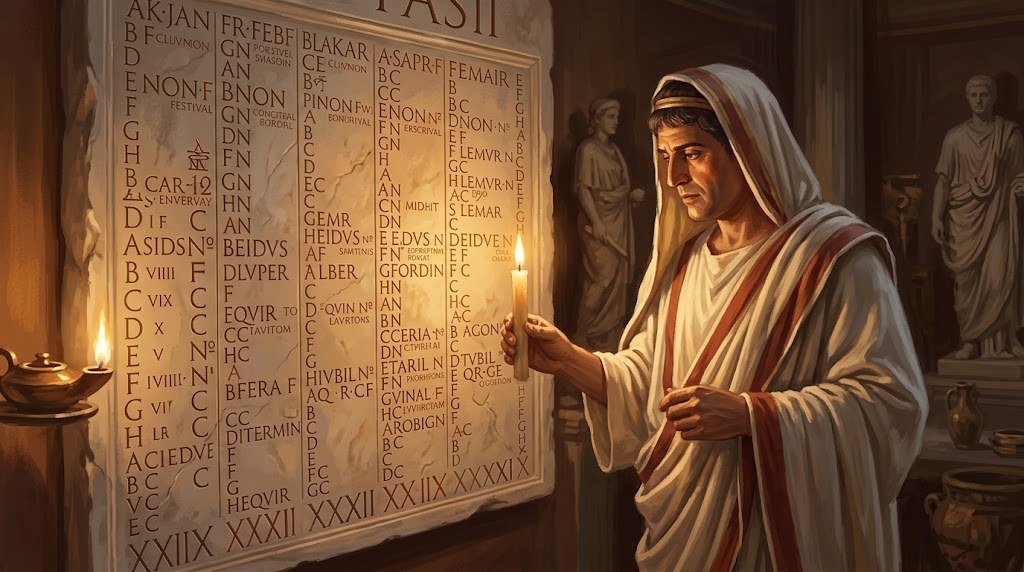
The main festivals of ancient Rome in the mos maiorum calendar: dates, deities, rites and sources, month by month, with links to in-depth articles on each festival.
Read moreFordicidia, April 15: The Sacrifice of Pregnant Cows to Tellus
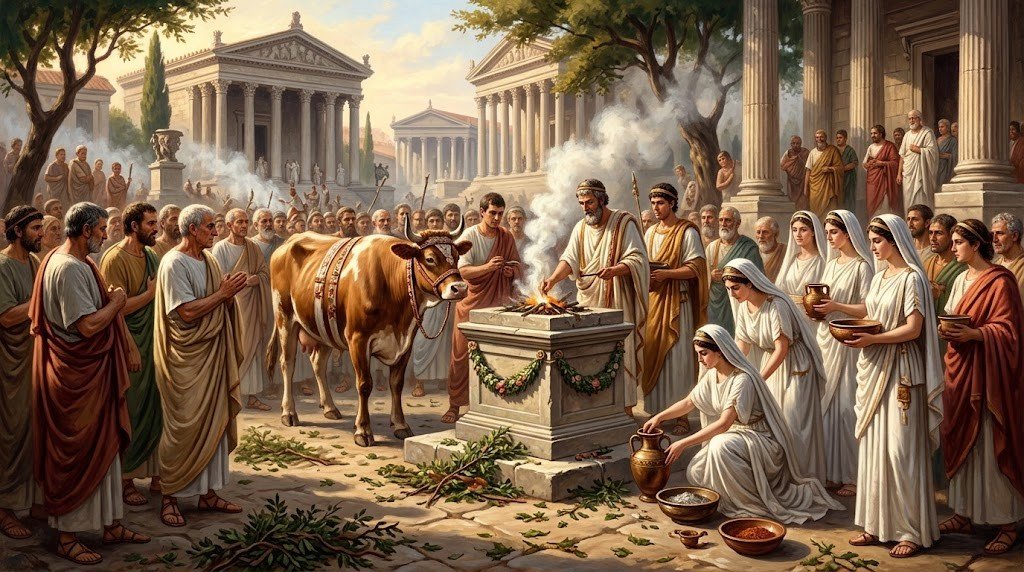
Fordicidia, April 15: the sacrifice of pregnant cows to the goddess Tellus, the calf ashes used by the Vestals, and the link with the Parilia. Sources and history.
Read moreMundus Patet: The Three Days Rome’s Gate to the Underworld Stood Open
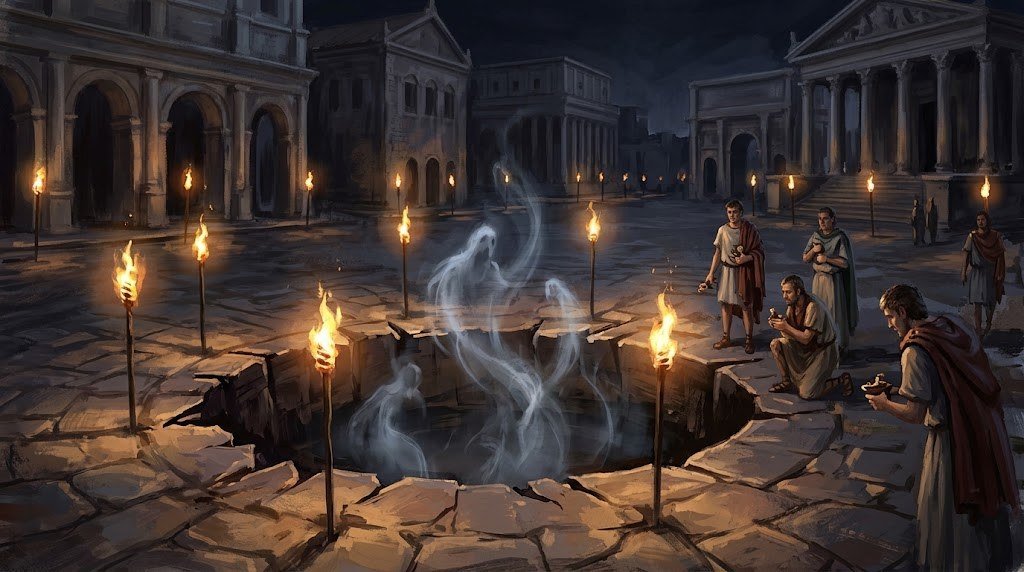
Mundus patet: on August 24, October 5 and November 8 the mundus of Rome stood open. What Varro and Macrobius say, the bans, and the possible sites of the pit.
Read moreTigillum Sororium, October 1: The Beam Horatius Passed Under
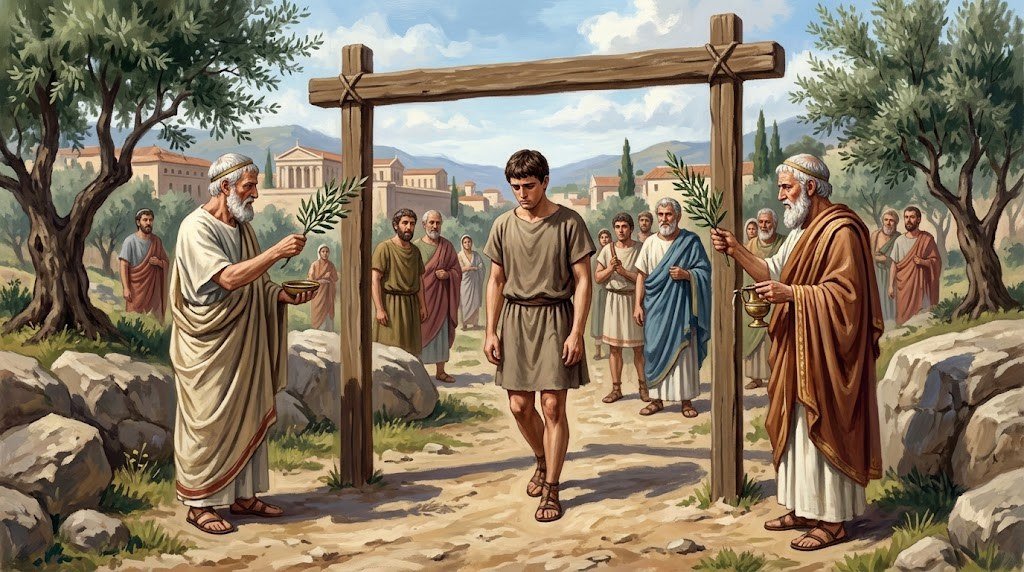
Tigillum Sororium, October 1: the beam Horatius passed under after killing his sister, the rite of atonement told by Livy, and the altars of Juno and Janus.
Read moreFeriae Latinae: The Festival of Jupiter Latiaris on Monte Cavo
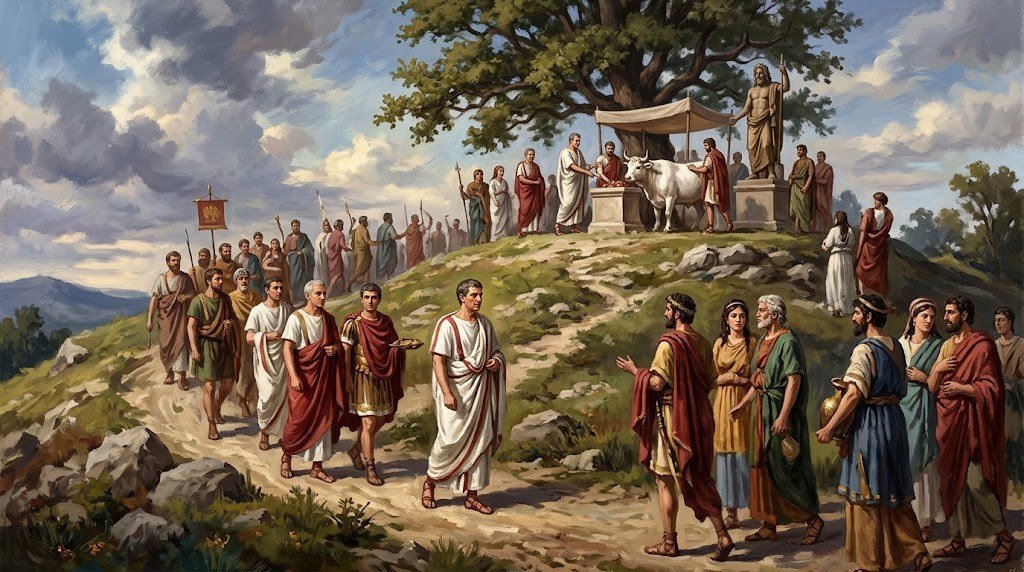
Feriae Latinae: the movable festival of Jupiter Latiaris in the Alban Hills, the white bull, the Latin peoples, and the consuls’ duty before leaving for war.
Read moreAngeronalia, December 21: The Goddess of Silence and Rome’s Secret Name
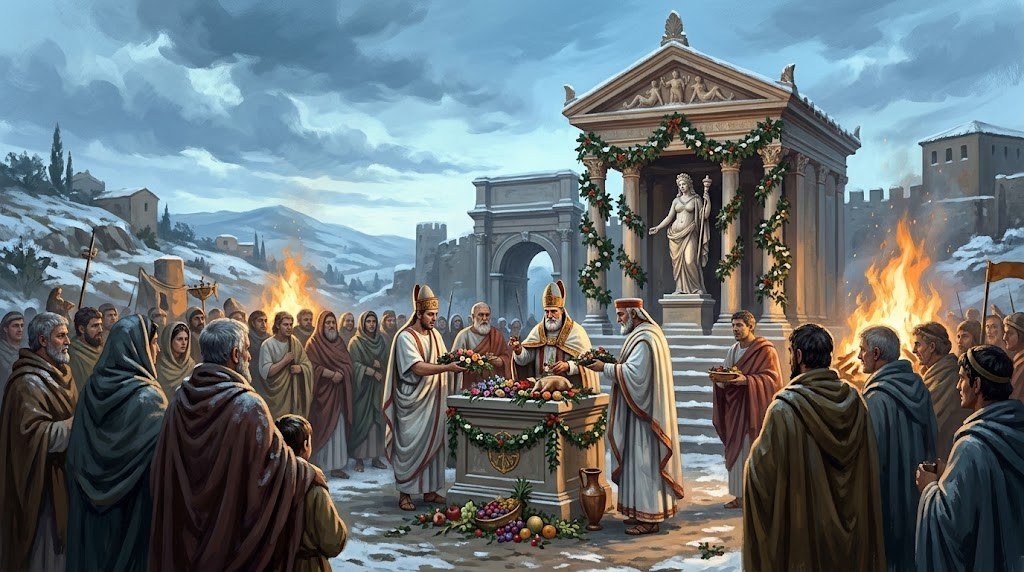
Angeronalia, December 21: the festival of the goddess Angerona, the statue with the sealed mouth and the mystery of Rome’s secret name. Macrobius, Pliny and the theories.
Read moreVolturnalia, August 27: The Festival of the God Volturnus, Tiber and Rivers
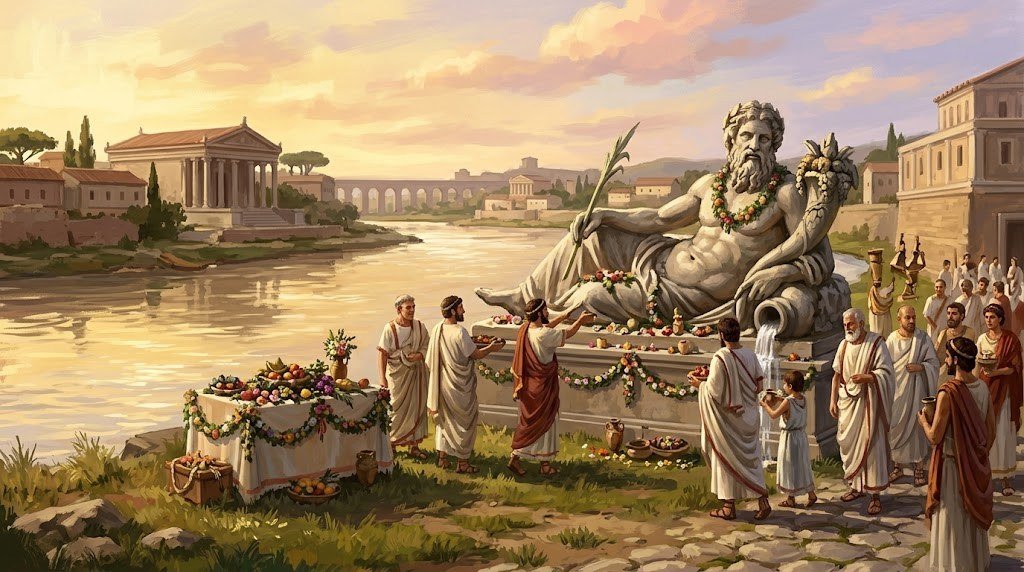
Volturnalia, August 27: the festival of the god Volturnus, a Roman river deity. What Varro and Festus say, why we know so little and what scholars suggest.
Read moreJuturnalia, January 11: The Festival of Juturna and the Roman Forum Spring

Juturnalia, January 11: the festival of the nymph Juturna, the spring in the Roman Forum beside the Temple of the Dioscuri and the link to plumbers and water craftsmen.
Read morePaganalia, January: The Village Festival After the Sowing
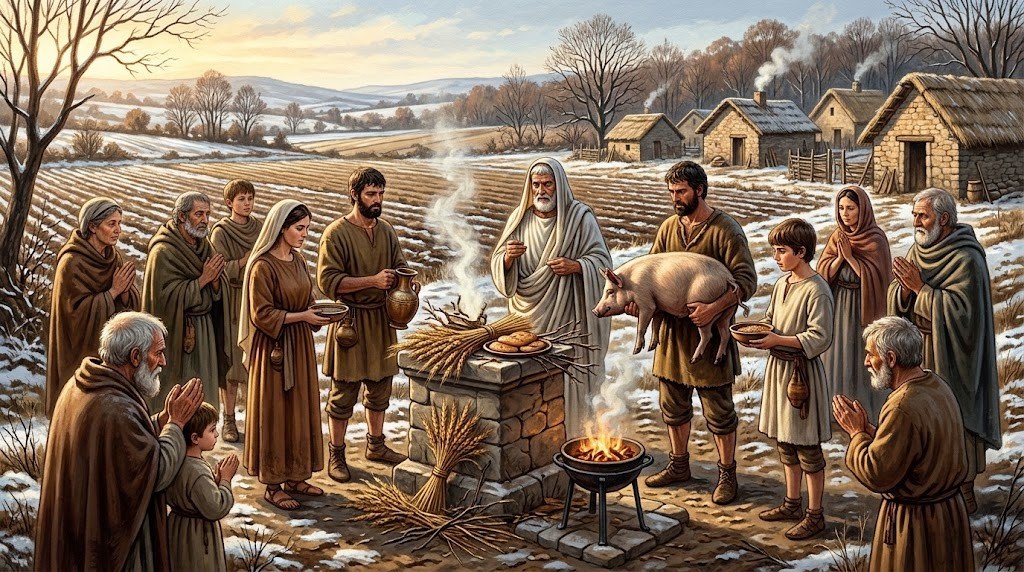
Paganalia: the movable January festival of the pagi, Rome’s rural villages, after the sowing. The rite to Tellus and Ceres, Ovid, Varro and the festival’s social meaning.
Read moreOpalia, December 19: The Festival of Ops and the Rite of Sitting on the Ground

Opalia, December 19: the festival of Ops, Roman goddess of abundance and wife of Saturn, the rite of sitting and touching the ground and the link with the Saturnalia.
Read moreFaunalia, December 5: Faunus’s Country Festival as Told by Horace

Faunalia, December 5: the rural festival of Faunus with wine, a young goat and dancing in the meadows, the temple on Tiber Island and Horace’s ode. Sources and history.
Read moreSeptimontium, December 11: The Festival of the Seven Mountains of Earliest Rome
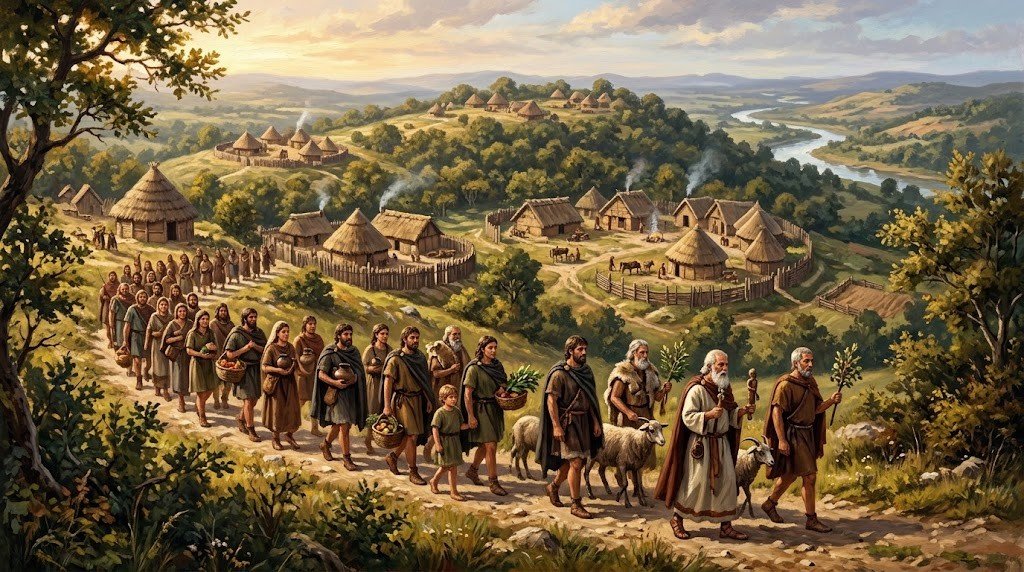
Septimontium, December 11: the archaic festival of Rome’s seven mountains before the classical seven hills, the montani, Varro, Festus and Plutarch. History and sources.
Read moreEquus October, October 15: The Sacrifice of Mars’s Horse in the Campus Martius

Equus October, October 15: the sacrifice of the October horse to Mars, the fight for its head between the Suburana and the Sacravienses, and the blood on the Regia. Sources and studies.
Read moreVertumnalia, August 13: The Festival of Vertumnus, God of Seasons and Fruit
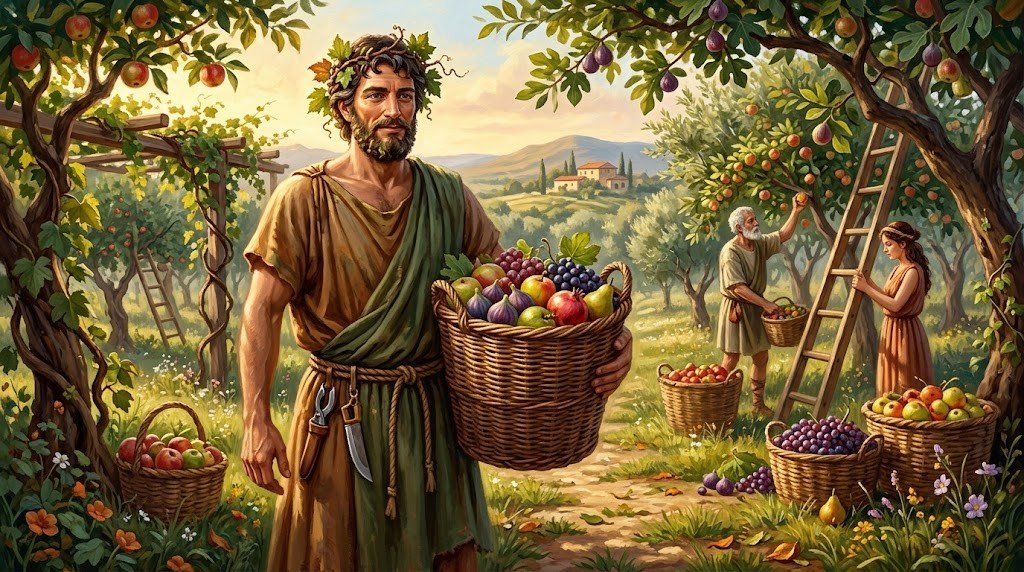
Vertumnalia, August 13: the festival of Vertumnus, Etruscan god of seasons and fruit, the statue on the Vicus Tuscus in Rome and the verses of Propertius.
Read moreLudi Apollinares, July 6-13: The Games of Apollo Founded in the Second Punic War

Ludi Apollinares, from July 6: the games of Apollo founded in 212 BC in the thick of the Punic War, the prophecy of Marcius, the Circus Maximus and the temple of Apollo.
Read moreNonae Caprotinae, July 7: the festival of the maidservants under the wild fig
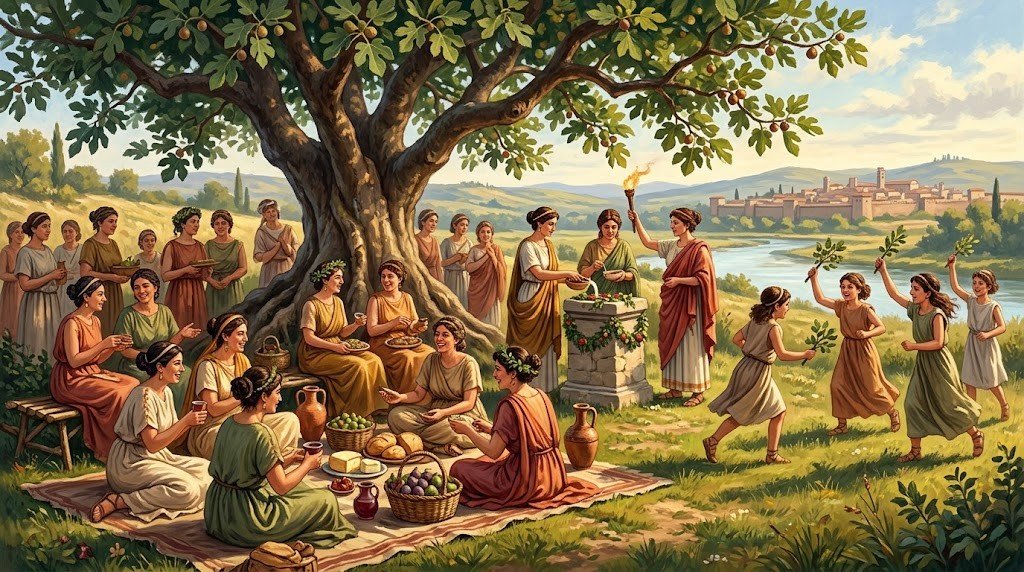
Nonae Caprotinae, July 7: the festival of Juno Caprotina, the wild fig, Roman maidservants and the legends of Tutula and Romulus told by Plutarch and Macrobius.
Read moreAmbarvalia: the Roman procession that purified the fields in late May
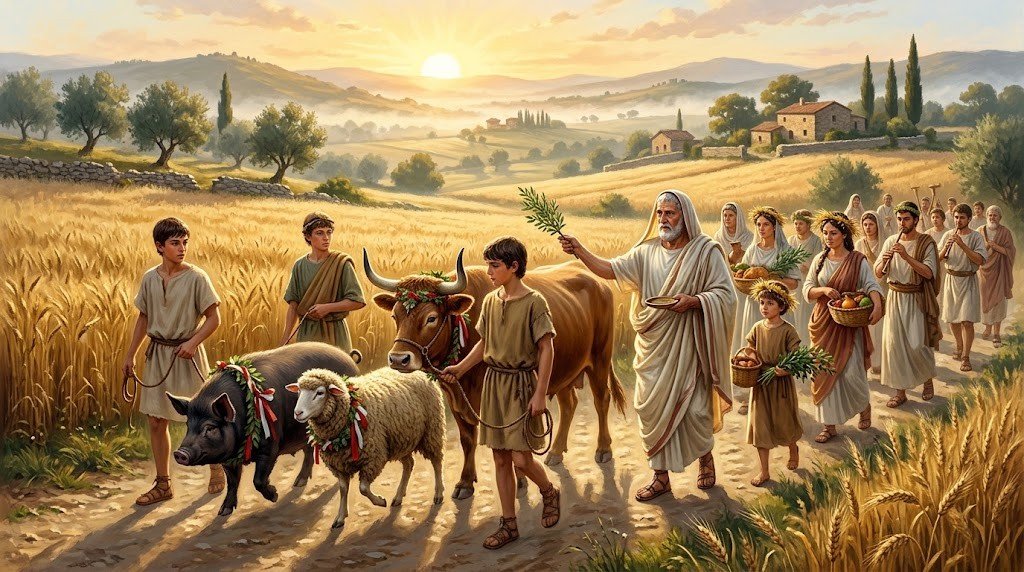
Ambarvalia: the procession of a pig, a sheep and a bull around the wheat fields in late May, the suovetaurilia sacrifice and Cato’s prayer. Sources and history.
Read moreVeneralia, April 1: the festival of Venus Verticordia and Roman women

Veneralia, April 1: the washing of the statue of Venus Verticordia, the myrtle crowns and the cult of Fortuna Virilis, according to Ovid. History of a women’s festival.
Read moreAnna Perenna, March 15: the Roman festival of the first full moon of the year
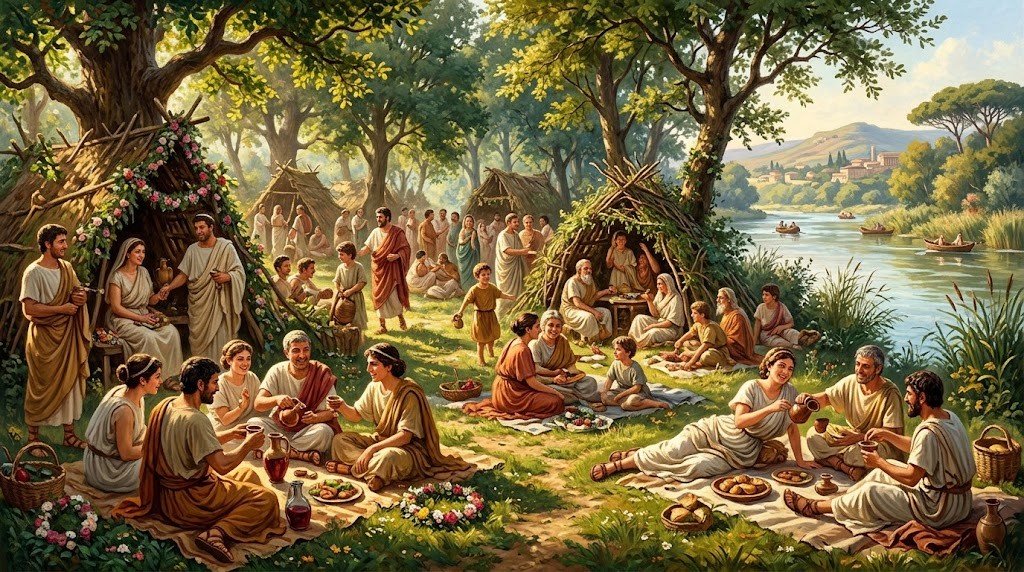
Anna Perenna, March 15: the Roman folk festival of the new year, the picnic on the Tiber told by Ovid, the legends of the goddess and the spring at Piazza Euclide.
Read moreRegifugium, February 24: the “flight of the king” in the Roman calendar
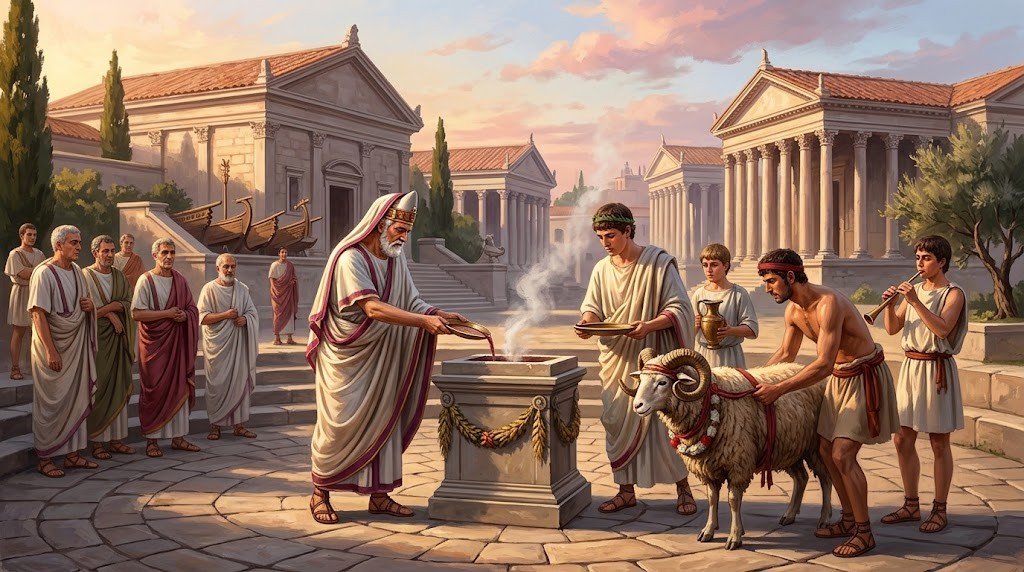
Regifugium, February 24: the rite of the “flight of the king” in the Comitium, the legend of the exile of Tarquin the Proud and the theories of modern scholars.
Read more