Circus Maximus
In short. The Circus Maximus occupies the Murcia Valley, between the Palatine Hill and the Aventine, and you can walk through it for free: the large sloping lawn has no ticket, no gates and no opening hours.

The Circus Maximus occupies the Murcia Valley, between the Palatine Hill and the Aventine, and you can walk through it for free: the large sloping lawn has no ticket, no gates and no opening hours. What you pay for is the fenced archaeological area with the Torre della Moletta, at the curved end toward the Mouth of Truth: full price 7,00 euro, reduced price 4,00 euro for non-residents, free entry for residents of Rome and the metropolitan city who show a valid ID, and for MIC card holders. It is open Tuesday to Sunday and closed on Mondays. From the last Sunday of March to the last Saturday of October, hours run from 9.30 to 19.00, with last entry at 18.00. In the cold season, hours are 9.30 to 16.00, with last entry at 15.00. It is also closed on December 25 and May 1. The third level of access is Circo Maximo Experience, the augmented and virtual reality visit, which has its own ticket: full price 12,00 euro, reduced price 10,00 euro, family rate 22,00 euro for two adults with minor children. Both paid options share a single entrance on Viale Aventino, served by the Circo Massimo metro station on Line B and the surface stop Aventino/Circo Massimo. Access is limited: the Sovrintendenza Capitolina recommends buying online or booking by phone at 060608, available every day from 9.00 to 19.00.
Three different levels of access to the same place, and this is where almost all visitors get confused. If you're looking for other guides in the same family, the general index is under tourist attractions, while civic sites with discounted tickets have a dedicated list in free museums in Rome, and the overview of city collections is collected in museums in Rome.

In this valley the scene repeats itself with the punctuality of a clock: you come down from the Palatine Hill, look at the grassy basin, someone says it's a park, and in 10 minutes they're gone. That's a mistake, and not a small one. Beneath that grass lies the building for the largest show of antiquity, 600 meters in length by 140 in width, and for some years now a portion can actually be visited, with the tunnels that led to the stands and a triumphal arch that isn't what you have in mind.
How much it costs to enter Circus Maximus and who pays nothing
Let's sort this out, because there are two tickets, not one, and the difference can mean a successful visit or a missed one.
The ticket for the Circus Maximus archaeological area
This is the entry ticket to the enclosure with the Torre della Moletta, the ticket office and the bookshop. The rates listed by the Sovrintendenza Capitolina are these:
- Full price non-residents: 7,00 euro
- Reduced price non-residents: 4,00 euro
- Free for residents of Rome and the metropolitan city, with a valid document proving residence
- Free for MIC card holders
Anyone entering with this ticket walks inside the fenced area, climbs the tower and follows the excavated stretch of the hemicycle, without multimedia support. It's the essential option, and for a Roman who passes by with half an hour free, it's also the right one.
The Circo Maximo Experience ticket
The second ticket is for the visit with headsets, which the basic entry doesn't include: full price 12,00 euro, reduced price 10,00 euro, family rate 22,00 euro for two adults with children under 18. The family rate can't be bought online: it can only be booked by phoning 060608 or at the city's Tourist Infopoint offices. It's one of those details that seem bureaucratic until you find yourself with four people at the ticket office, wallet in hand.
Who gets the reduced ticket at Circus Maximus
The official list is broader than people imagine: young people up to age 26, teachers currently working, journalists registered with the Order, police and military personnel with ID cards, and groups of at least 10 people. Entry is free under 6 years old, for people with disabilities with an escort, and for licensed European Union tourist guides and interpreters. Free tickets are booked by phone at 060608 or at Tourist Infopoint offices, with a 1,00 euro booking fee, or they can be picked up directly at the ticket office on site with no extra charge. The practical tip: if you're two or three people and have time, pick up your tickets at the ticket office and save the booking fee, if you're a group or coming in August, book and don't think about it again.
A concert ticket counts as a discount
This is the discount almost nobody uses, and it needs to be explained properly. Anyone holding a ticket to one of the concerts held in the Circus Maximus area is entitled to the reduced rate, both at the archaeological area and at Circo Maximo Experience. The restriction is time-based and needs to be read carefully: the discount applies within the month in which the concert for which you have the ticket takes place. In plain terms: if you come to Rome for an event in the valley, enter the enclosure the morning before or the day after for 4,00 euro instead of 7,00, and at the Experience for 10,00 instead of 12,00. Bring your concert ticket, even if it's digital, and show it at the ticket office.
Is the Roma Pass worth it at Circus Maximus?
Circo Maximo Experience is part of the Roma Pass circuit. But here the two official sources don't say exactly the same thing: the Sovrintendenza's page lists the Roma Pass among the passes that give free entry, as the first or second entry of the 72-hour card, while the Experience's website lists the Roma Pass among the 10,00 euro discounts. At the ticket office, ask which of the two conditions applies to you before you pay. A contrarian opinion, against what you usually read: don't use the free entry included in the Roma Pass here. Spend it where the ticket really matters, at the Colosseum with Palatine and the Roman Forum, or at the Domus Aurea. At Circus Maximus, the reduced rate is more than enough.
The MIC Card and residents
The MIC card costs 5,00 euro, lasts 12 months and gives access to the capital's civic museum system. At Circus Maximus it has two separate effects: free entry to the archaeological area and the 10,00 euro reduced rate on the Experience. It's mainly useful for people who live in the city without being residents, for university students away from home, and for anyone spending long weeks in Rome for work. Anyone with residence in Rome or the metropolitan city still enters the enclosure for free by showing a document.
Are there free-entry days for everyone?
The free-opening calendar changes from month to month and is published in the notices of the Sovrintendenza Capitolina, which recommends checking them before planning your visit. Circus Maximus is one of the archaeological sites of Roma Capitale, so it takes part in the free days when they are called. Before counting on a date, check the notices page or call 060608. Conditions change, and showing up sure you'll get in for free is the quickest way to ruin your morning.
Circus Maximus opening hours, season by season
The archaeological area is open Tuesday through Sunday and stays closed on Mondays. It's the number one mistake I see: people show up on a Monday thinking it's a park anyway, find the gate locked, and get annoyed with the guide.
- From the last Sunday of March to the last Saturday of October: 9.30 to 19.00, last entry 18.00
- From the last Sunday of October to the last Saturday of March: 9.30 to 16.00, last entry 15.00
- Closed Mondays, December 25 and May 1
Look at the difference between the two seasons: in winter the gate closes at 16.00, three hours earlier. If you arrive in Rome in November and put Circus Maximus in the afternoon after the Colosseum, you're gambling with your visit, because between the Colosseum line and the walk down from the Palatine you won't get here in time.
Circo Maximo Experience hours in 2026
Departures run every 15 minutes and groups are capped in size. The 2026 schedule published on the Experience's official website is split into seven periods:
- From January 2 to May 31: 10.00 to 16.00, last entry 14.50
- From June 2 to July 31: 17.00 to 21.00, last entry 19.50
- From August 1 to 9: 17.30 to 20.30, last entry 19.20
- From August 11 to 23: 17.00 to 20.00, last entry 18.50
- From August 25 to September 13: 16.30 to 19.30, last entry 18.20
- From September 15 to 30: 16.00 to 19.00, last entry 17.50
- From October 1 to December 31: 10.00 to 16.00, last entry 14.50
- December 24 and 31: 10.00 to 14.00, last entry 12.35
Closed Mondays, May 1 and December 25. Pay close attention to the summer period, since it wrecks more plans than any other: from June to mid-September you only get in during the afternoon and evening, never in the morning. Anyone who shows up at the gate at 11 in July finds everything at a standstill and no one around to explain why.
The best time to visit Circus Maximus
Early morning in summer for the open lawn, late afternoon in spring and autumn for the archaeological area. The valley is completely open, without a single tree in the middle, and at noon in July it becomes an oven: no shade, no shelter, the ground giving back heat. In winter it's the opposite, and with the low January light the curves of the hemicycle read much better, because the raking shadows bring out the volumes that the high sun flattens. If you have only one day and must choose just one hour, take the one before sunset.
How much time you need to visit the Circus Maximus
40 minutes for the Experience, another good half hour to walk around the archaeological area and climb the tower: plan a full hour and a quarter, which becomes an hour and a half if you stop at the bookshop and read the panels. If you only want to cross the valley and take photos, 20 minutes is enough. If you come with kids, always add a quarter of an hour, because the lawn invites running and no parent can stop it.

How to get to the Circus Maximus and where to enter
The official information is clear-cut: entry is limited through Viale Aventino, metro line B stop Circo Massimo, surface stop Aventino/Circo Massimo. The ticket office is there, on Viale Aventino, and not on the side of the Palatine Hill.
Metro, bus and tram to the Circus Maximus
Metro line B has a station named after the monument and it's a couple of minutes on foot from the entrance: it's the easiest route from Termini, from the Colosseum and from Piramide. If you arrive at street level, get off at Viale Aventino stop, served by the lines that connect Teatro Marcello with Piramide and with Ostiense. If you come from Trastevere or the Gianicolo, it's more convenient to get off on the Lungotevere and cross at the height of the Bocca della Verità, with 10 minutes of easy walking.
By car, bicycle, scooter
The valley is inside the limited traffic zone of the historic center, and parking at street level is a lottery you've already lost before starting, so if you drive, use the park-and-ride at metro B and take the train, which is the best solution even for groups. By bicycle, on the other hand, it's one of the most pleasant stretches of the center: the valley is flat, the surface is even, and the route connects to the Lungotevere with no climbs. The climb toward the Aventine, that one, is steep and has to be tackled on foot or in the right gears.
There's only one entrance, and it's not the one you think
I'll repeat the point because it costs anyone who doesn't know it 20 minutes on foot: you can cross the lawn from any side, but the fenced area with the tower has a single entrance, on Viale Aventino side, toward the Mouth of Truth. If you come down from the Palatino, you end up at the wrong end and have to cross the whole valley again, 600 meters of lawn with no shade. Planning the descent from the hill directly to the right side is the difference between a relaxed visit and a pointless walk in the sun.
Where to buy tickets for the Circus Maximus
Online on the civic museums website and on the Experience website, by phone at 060608 every day from 9.00 to 19.00, at Viale Aventino ticket office and at the city's Tourist Infopoints, including those at the airports. The single number also answers in English and is the only channel for the family rate. No third-party reseller is needed: the authority lists the official channel on its website, and that's enough.
Circus Maximus Experience: what it really is and if it's worth 12 euros
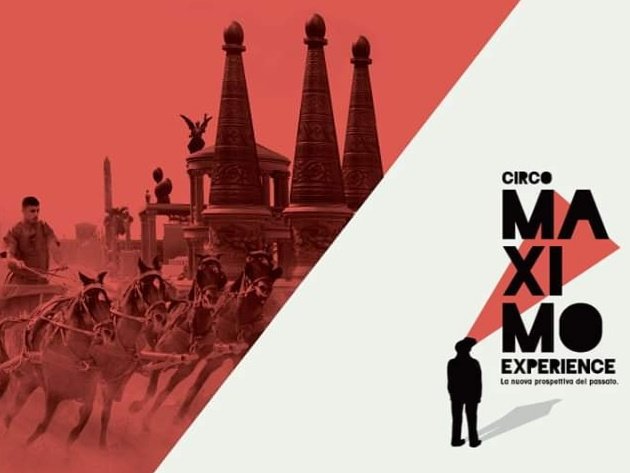
It's an augmented and virtual reality route promoted by Roma Capitale with the Sovrintendenza Capitolina, created with Zètema Progetto Cultura. It lasts about 40 minutes, takes place inside the archaeological area with immersive headsets using see-through technology and stereo earphones included in the price, and it's available in eight languages: Italian, English, French, German, Spanish, Russian, Chinese and Japanese. In the Italian version the narrators are Claudio Santamaria and Iaia Forte.
The eight stops of the route
The story is built on eight stations, and knowing them in advance helps you not lose the thread: the Valley and the origins of the Circus, the Circus from Julius Caesar to Trajan, the Circus in the imperial age, the Cavea, the Arch of Titus, the workshops, the Circus in the medieval and modern age, and finally A Day at the Circus, which is the chariot race seen from inside. The last stop is the one everyone remembers, but the most useful for understanding the monument is the fourth, the cavea: it's there that the reconstruction restores the height of the tiers and makes you understand why a grassy hollow could once have been a building.
An opinion on the headsets
I'm going against the grain of anyone who wrinkles their nose at the word headset. In a place like this, digital reconstruction is not a toy: it's the only way to make sense of it. At the Colosseum the stones speak for themselves and technology risks becoming background noise, here there's a meadow, and you need the buildings that no longer exist. If you have to choose between the €7,00 for admission alone and the €12,00 for the Experience, take the Experience without hesitation. The value between what you pay and what you take home, in terms of understanding, is among the best in the city.
Glasses, subtitles, hygiene: the details that settle the arguments at the ticket desk
The headsets are see-through and are worn over prescription glasses, so if you wear lenses you won't have any problem. The experience is accessible to deaf visitors thanks to subtitled versions in Italian and English, an option that very few Roman archaeological sites offer and that's worth knowing about. The devices and earphones are sanitized after every use. To rent a headset, leave an original identity document as a deposit, either an identity card or a passport: photocopies are not accepted, and this holds up more visits than you'd imagine.
What if it rains?
If it rains, the multimedia experience is not usable, and the official site states this plainly. Cancellations for technical or weather reasons are communicated by email to the address provided at the time of purchase, so when the sky turns black, check your inbox before leaving the hotel. Refunds or date changes are only available in case of cancellation for technical or weather problems, within 15 days of the cancelled date, by writing to the address dedicated to date changes for the civic museums. Presale fees are not refunded.
What if I arrive late?
No refund and no rebooking into a later time slot: the rule is stated and it is enforced. The official advice is to show up a quarter of an hour early, and it's wise to add a further margin. The ticket office is on Viale Aventino, entry is organized in small, controlled groups, the document deposit has its own line, and if you have a child under 14 you need a consent form signed by a parent, available at the ticket office or downloadable in advance. Add up the minutes and you'll see why I keep insisting.
Can you enter without a headset?
Yes. The official site states this clearly: you can visit the site without the multimedia support, simply by buying an admission-only ticket at the ticket office. It's the €7,00 option, free for residents. Anyone who has trouble wearing the devices, who suffers from vertigo, or who simply prefers to look around with their own eyes, go in this way and climb the tower: the view from the top is worth the ticket on its own.
The Circus Maximus archaeological area route, step by step
The enclosure is small if measured with a tape measure, huge if measured by what it holds. It's worth walking it in order, because without order you only see bricks.
The hemicycle, where you start
The short curve of the circus, the hemicycle, is the part brought back to light by the major excavations of the 1930s, and it is the heart of the visitable area. Here you can see the piers and vaults that supported the tiered seating in elevation, with the brick masonry marking the Trajanic rebuilding phase. When you look at these structures you're not looking at Caesar's building site: you're looking at the start of the second century AD, and the difference is a good 150 years. The advice is to stand with your back to the entrance and follow the line of the curve to the left: the geometry of the monument suddenly becomes clear.
The galleries and shops
Under the tiered seating ran distribution galleries, the passages through which the public reached the sections, and spaces open to the outside that housed commercial activities. One of the eight stops of the Experience is devoted precisely to the shops, and it's not just a picturesque detail: the circus was an economic organism, with food sellers, betting, souvenirs, and its outer facade worked like a commercial street. Picture the 600-meter perimeter busy along its whole length, and you'll understand what a day of games meant for the neighborhood.
The Arch of Titus at Circus Maximus, not the one in the Forum
This is the most common mix-up of all, and I always clear it up at the start of the visit. The Arch of Titus that everyone knows, the one with the relief of the seven-branched candelabrum, stands on Via Sacra, in the Roman Forum. Here at Circus Maximus there was a second one, also dedicated to Titus, erected in 81 at the center of the short curved side, a monumental arch about 17 meters wide with bronze decorative elements. Its remains resurfaced in the twentieth-century excavations, and that's why the arch appears among the stops of the digital reconstruction: what remains on the ground says little to anyone who isn't a specialist, while the virtual restitution gives it back its height and its meaning.
The Torre della Moletta
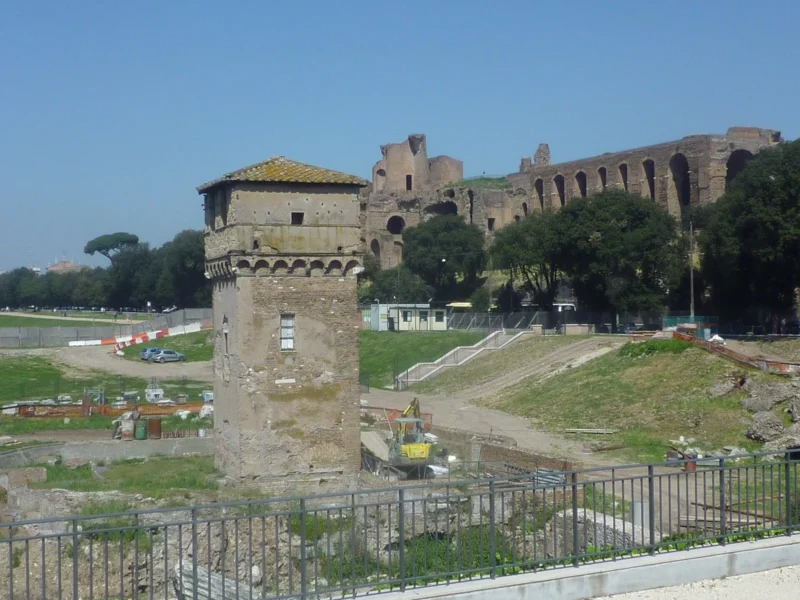
The brick tower that rises above the remains is medieval and belonged to the Frangipane, the family that in that period had militarized a large part of the central archaeological area, Colosseum included. Its name comes from the mills that used the water that flowed in the valley. Today it's restored, consolidated and equipped with an interior staircase that leads to the panoramic level: from up there the shape of the circus is much easier to read than from the ground, and this is the main reason why it's worth going inside the enclosure instead of just staying on the lawn. Go up slowly, look first toward the Palatine and then toward the Aventine: the valley closes between the two hills like a hand.
The southeast sector on the Aventine side
The visit route isn't fixed. On Sunday, June 14, 2026, from 10.00 to 13.00, the Sovrintendenza Capitolina opened, on an extraordinary basis, a portion of the hemicycle in the southeast sector, on the Aventine side, with limited entry numbers and guides who welcomed visitors with brief insights. Access was through the ordinary entrance of the archaeological area, it was included in the ticket under the current fare, and it could not be done in a wheelchair. Openings of this kind are announced in the Sovrintendenza's notices with little advance warning and run out fast: if you follow the calendar and you're in town, they're worth setting an early alarm.
The spina, the metae, the carceres: what to look for when looking at the lawn
In the open part there is almost nothing to see standing, and that's exactly why you need to know what to imagine. In the center of the track ran the spina, the long decorated base that divided the two straights and on which shrines, statues and the obelisks found their place. At its ends were the metae, the groups of cones around which the four-horse chariots turned at the edge of tipping over: the turn was the point where races were won and lost, and where the accidents happened. On the straight short side opened the carceres, 12 starting boxes with spring-release gates, arranged so that no crew had a geometric advantage. On the spina, finally, the lap counters: seven eggs and seven dolphins, which were lowered one at a time with each completed lap, so that the crowd in the farthest sector would know how far along the race was. A scoreboard 2,000 years before scoreboards.
The Palatine side and the imperial box
The long side toward the Palatine is the one that in antiquity faced the palace: from the terraces of the hill the emperor could look out over the circus, and the sources link the pulvinar, the stand reserved for the divine images and the court, to the Palatine side. Today that side is the best vantage point from above, and it remains free for those who already have the ticket for the Palatine. If you have the hill on your schedule, allow 10 minutes on the southern terraces looking down: you'll grasp the scale of the monument better than from any panel.

What the Circus Maximus really was
The first arrangement of the Murcia Valley for chariot races dates back to the age of the Tarquin kings, and tradition has it beginning with Tarquinius Priscus in the sixth century BC. Here, though, it's worth fixing a point that guides often get the other way around: the Sovrintendenza Capitolina is explicit in stating that it was with Julius Caesar that a true masonry circus was built. Before that there were temporary structures, wood and earth, rebuilt each time and dismantled at the end of the season. The first stone circus is therefore late Republican, not regal, and this distinction changes the way you look at everything else.
The Murcia Valley, the Consualia and the abduction of the Sabine women
The valley is remembered as a site of games from the very beginnings of the city's history. Tradition ties it to the Consualia, the festival in honor of Consus, and to the episode of the abduction of the Sabine women, which according to Livy's account took place during the games organized by Romulus. On the historical level it is a founding myth, not a chronicle. On the cultural level, though, it says something true and important, namely that the Romans placed in their valley of spectacles the very act by which the community was formed. The name Murcia points to an archaic deity of the place, and its etymology is debated: whoever gives it to you as certain is going beyond the sources.
The races: factions, four-horse chariots, seven laps
Chariot races were, together with gladiator contests, the competitive activity the Romans loved most. The stables were organized by color, green, blue, red and white, and the crowd also split up across the stands by faction, cheering with chants and slogans composed for the occasion. If you want a modern image that works, it's a stadium end, with its chants, its rivalries and its brawls, 2,000 years earlier. The four-horse chariot, the quadriga, was the reigning format. Seven laps were run, and the total distance demanded a pacing of effort that the most experienced drivers knew how to manage better than the young ones. The valley also hosted triumphal celebrations, processions and public executions. It was the great civic container of the city, not just a sports facility.
Charioteers, the rock stars of the empire
The drivers of the quadrigas were idolized like today's celebrities, and at least one of them left numbers that are impressive. Gaius Appuleius Diocles, born in Lusitania and active in the 2nd century, would have run more than 4,200 races, winning about 1,460, with the same number of placings. He switched from the Whites to the Greens and finally to the Reds over a career lasting 24 years. The total of his prizes, recorded in the inscription that sums up his life, comes to over 35 million sesterces. The figures should be taken for what they are, that is, a commemorative document written by his admirers and not an accounting record. Still, the order of magnitude tells you a lot about what this job was: an extremely dangerous job that could make a man richer than a senator. Many charioteers were slaves or freedmen, and fame did not protect them from dying in the turns.
How many people actually fit in the Circus Maximus
It's the most frequently asked question, and it deserves a precise answer about how certain we can be. Figures between 250,000 and 300,000 spectators circulate, repeated everywhere. The official pages of the Sovrintendenza Capitolina don't set a capacity. They simply describe the Circus Maximus as the largest building for entertainment in antiquity, with its measurements of 600 meters by 140. The higher figures come from ancient sources and from modern estimates that rework them, with considerable margins of error. So it is a widespread estimate rather than an institutional figure. Anyone who presents it as certain is going beyond what the sources allow us to say. That tens of thousands of people were in this valley at the same time is beyond dispute.
From the fires to Trajan: the building phases of the Circus Maximus
The circus burned several times, and each fire led to a more ambitious rebuild than the one before. The structure you see today belongs for the most part to the Trajanic phase. After yet another fire, the monument was rebuilt almost entirely under Trajan's principate, at the beginning of the 2nd century, and most of the surviving walls date from that building project. This fact changes how the visit feels: you are walking through a building from the mature imperial age, not an archaic structure.
Caesar, Augustus and the obelisk of Ramses II
With Caesar, the circus becomes stable architecture. With Augustus came the first obelisk, the one of Ramses II, placed on the spina as a sign of the conquest of Egypt and as the visual axis of the entire structure. That obelisk is no longer here. In the 16th century, during the period of major urban redevelopment commissioned by Sixtus V, it was re-erected in the center of Piazza del Popolo, where it still stands. If you want an exercise that's worth a whole day, look at the obelisk in the square and then come back here to imagine it in the middle of the track, with the chariots racing around it.
The second obelisk and a discrepancy to declare
In 357 AD a second obelisk arrived in Rome, the largest in the city, today in front of the St. John Lateran Basilica. On the emperor who ordered its transport, the sources you consult don't agree on how the name is spelled. The Sovrintendenza Capitolina's entry writes Costante II, while current historiography and the Italian encyclopedia entry give Costanzo II, son of Constantine. No institutional source I can consult settles the question definitively, so I'll leave it open and say where each version comes from. The date, at least, is agreed upon: 357.
The end of the races
On when the activity ended, the wording differs only slightly, and instructively. The official Sovrintendenza page states that the circus remained active until the early decades of the 6th century. The version most common in the literature identifies the last races as those organized by Totila in 549, during the Gothic War. The two statements don't contradict each other, but the first is more cautious and the second more precise. Take the first as the frame and the second as the episode, which is the correct way to treat them.
A thousand years of reuse: from the Frangipane to the Gazometro
When the races end, the valley doesn't empty out: it changes jobs. It becomes farmland, then land for mills that use the water, then an area of family fortifications, with the Frangipane guarding the sector facing the Aventine. In the seventeenth century a Jewish cemetery also found a place there, evidence of an urban geography that assigned peripheral, damp spaces to the Jewish community. From the nineteenth century on, the valley industrializes: a gasometer, warehouses, factories, craft workshops and homes settle there. To be clear: this lawn that seems untouchable today was for decades a production zone, with smokestacks and warehouses.
At the beginning of the twentieth century, work begins on the archaeological promenade and the clearing of the area begins. In the 1930s the large excavations uncover a large part of the hemicycle and the remains of the Arch of Titus. Right after, the area is handed over to the regime, and between 1937 and 1940 it hosts large exhibitions, from textiles to mining to summer colonies: enormous temporary structures set up over the monument, with a casualness that would be unthinkable today. In the immediate postwar period the valley becomes green space again, with the ancient structures essentially abandoned. Modern archaeological investigations concluded in 2016, and the current visitor route comes from that work, open to the public since then.
A Curiosity About Circus Maximus
The curiosity I save for groups is about the lap counters. On the spina, the central base that divided the track, two identical devices were mounted: seven eggs of wood or marble and seven dolphins. Each completed lap, one egg was lowered and one dolphin was turned, so that anyone, from any point in the stands, could know what stage of the race they were in without depending on the heralds. Two devices and not one, because the circus was so long that from one end to the other the gesture couldn't be seen: one was needed for each side. Stop for a moment and think about what that means. A structure 600 meters long, tens of thousands of people, no loudspeakers, no electronic scoreboard, and a mass communication problem solved with two mechanical counters visible from a distance. It is show engineering, and the choice of dolphins is not decorative: the dolphin is the animal of Neptune, god of horses as well as of the sea, and it links the race to the deity who protects it. When you climb the tower and look along the length of the track, try to mentally pinpoint the two points where the lap counters had to stand: it's the exercise that turns a lawn into a building. No general tour guide tells you this, because it takes 30 seconds more than the average tour allows.
Something Nobody Tells You About Circus Maximus
The most visitable monument at Circus Maximus today isn't Roman but medieval. The Torre della Moletta is a Frangipane tower, built centuries after the races had ended, when the valley had become land for mills and family fortifications. It is the only structure you can climb, the only place to look down on the monument from above, the only one with an interior you can walk through. The paradox is total: you buy a ticket for the circus of the Caesars, and the strongest physical experience happens inside a late medieval structure, built by a baronial family that used antiquity as a quarry and a stronghold.
There's more, and it's the most interesting part. The tower's name comes from the mills, and the mills were there because water flowed through the valley: the basin between the Palatine and the Aventine was damp, crossed by a channeled watercourse, and this explains both the ancient floods and the medieval choice to exploit it. Before being a monument, Circus Maximus is a geography: a narrow valley between two hills, with a flat floor and difficult drainage. The Romans built there because the natural shape of the ground already suggested a track, while medieval people ground grain there because the water was there. Looking at the valley as a geological fact before an archaeological one is the quickest way to understand why it happened right here, and nowhere else.
My Advice for Visiting Circus Maximus
There's only one, and it's worth more than all the others combined: look at Circus Maximus from above before looking at it from inside. The right sequence is the Palatine, then the descent, then the enclosure. From the southern terraces of the hill, the valley reads at a glance, with its curve, its length, and the relationship between the two hills. Then go down, enter through the entrance on Viale Aventino and climb the Torre della Moletta, and at that point the walls in front of you make sense because you know where they sit in the overall design. Anyone who takes the route in reverse, the enclosure first and then the hill, leaves the archaeological area feeling they've only seen some bricks.
The second layer of advice is about timing. In summer the Experience opens only in the afternoon, so the day has to be planned in reverse of your instinct: morning on the Palatine with the cool air, a long break, then back down into the valley around 18:00, when the sun has stopped beating down and the low light draws the curves. In winter it's the opposite, and at 16.00 the gate closes. Put Circus Maximus in mid-morning and keep the afternoon for something indoors. Third layer, the least popular: if you have only one hour and have to choose between the grass for the photo and the fenced area with the ticket, take the fenced area. You'll cross the grass anyway, for free, every time you pass that way. The tower, no.
Another well-known fact, yet rarely mentioned
That races were run at Circus Maximus, yes, but also that people were celebrated, judged and killed there. The sources remember the valley as the site of triumphal celebrations, religious processions and public executions. The fact is known to specialists and is repeated in official fact sheets, but in current tourist storytelling it almost always disappears, because the chariot race is more photogenic than the gallows. Yet this is exactly the function of the great Roman structures: they were not stadiums in the modern sense, they were multipurpose civic spaces where the community gathered to watch everything that concerned its internal order, including its violence.
It's worth adding the urban planning corollary, equally well known and equally rarely mentioned. The circus lies outside the monumental center of the Forum and below the imperial residence on the Palatine: it was the place where the emperor showed himself to the people under controlled conditions, looking out from his own home. The geography of Roman power runs through here: above the palace, below the crowd, and in between, an overlook. Anyone who visits the Palatine and then the valley without connecting the two misses the political meaning of the whole, which is the real reason this structure stands at this exact spot in the city.

The right photo to take at Circus Maximus
Forget the photo from the grass. From the bottom of the valley you can't photograph Circus Maximus, because there's no vantage point that shows its shape, and the frame fills up with grass. The right photo is taken from above, and there are three good spots.
The first is the Palatine Hill, from the southern terraces: wide-angle lens, late afternoon, the curve of the hemicycle on the left and the Aventine in the background. It's the shot that best conveys the scale. The second is the Rome Rose Garden, on the flank of the Aventine, which looks straight down over the valley: in spring you have the roses in the foreground and the circus behind, and it's one of the few Roman photos that don't look like a postcard you've already seen. The third is the panoramic level of the Torre della Moletta, inside the archaeological area: the perspective is lower but puts you in line with the track, and with January light the shadows trace the course of the structures.
A technical tip and an opinion. The tip: the valley is oriented so that at midday the light comes straight down and flattens everything, so work in the first hour after sunrise or the last hour before sunset, when the low sun brings out the volumes. The opinion: the most beautiful photo of Circus Maximus isn't of the monument, it's of the life that goes on over it. Runners at dawn, dogs chasing each other, kids sitting on the embankment watching the Palatine light up. That hollow is a public space that's really used, and photographing it empty, as a pretense, is the most false thing you can do.
Some important events that happened here in history
The first event is mythical and should be labeled as such: the Rape of the Sabine Women, which tradition places during the games Romulus organized in the Murcia valley on the occasion of the Consualia. It's not chronicle, it's a foundation story, and the Romans linked it to this place for a precise reason: here the community took shape before its own eyes.
The second is architectural and changes the history of Roman architecture: the construction, under Julius Caesar, of the first true masonry circus, which turns a temporary track into a permanent building. Under Augustus the spina received its first obelisk, that of Ramses II, now in Piazza del Popolo: conquered Egypt was planted in the middle of the track as a visible sign for hundreds of thousands of people.
The third is destructive and recurring: fires. The circus burned several times, and the complete rebuilding took place under Trajan, in the early second century. Most of what you see today belongs to that phase. In 81, the arch dedicated to Titus had been erected on the curved side, a triumphal monument of which only the foundations remain.
The fourth phase is Late Antique: in 357 the gigantic obelisk that was later moved to the Lateran arrives in the city, the last great monumental gesture of the valley. It is followed by the end of racing activity within the first decades of the sixth century, with the last races that tradition attributes to Totila in 549, in the middle of the Gothic War: a show organized by a Gothic king inside the circus of the Caesars, which says more than a thousand pages about the transition between eras.
The fifth is twentieth-century and concerns the city's memory: the excavations of the 1930s bring the exedra to light, then the area is handed over to the regime and between 1937 and 1940 it hosts large exhibitions with temporary structures set up over the monument. After the war the valley returns to grass. The archaeological investigations close in 2016, and from there comes the visit route that you buy today for 7,00 euro.
The sixth is contemporary and ongoing: the valley has once again become the city's great gathering space. On June 22, 2014, the Rolling Stones played there in front of a crowd that the press of the time counted in the tens of thousands, and since then Circus Maximus has regularly hosted European-scale concerts, sports festivals, public events and, in summer 2026, the entire outdoor season of Teatro dell'Opera di Roma. 2,000 years later, the function is the same: people come here to gather.
Who has passed through Circus Maximus
Let's start with the emperors, because Circus Maximus is the place where the emperor met the people. Augustus placed the obelisk of Ramses II there and regulated the valley as a space for official display. Titus had a triumphal arch erected there in 81 on the curved side. Trajan was its true builder in the form we see, with the complete rebuilding after the fires: when you touch a brick of the exedra, you touch his building site. In 357 the transport of the second obelisk brings to the valley the monumental gesture of a Late Antique emperor, identified as Constantius II by current historiography and as Constans II by the Sovrintendenza Capitolina record.
Then there are those who worked and died here. The charioteers, often slaves or freedmen, some of whom became extremely rich: Gaius Appuleius Diocles, a Lusitanian from the second century, raced for the Whites, Greens and Reds over a career of 24 years, and the inscription that commemorates his feats credits him with over 4,200 races and more than 35 million sesterces in prizes. With them were the horses, which had names familiar to the public, and the sparsores who cooled the teams during the race.
In the Middle Ages the valley passes to the Frangipane, the baronial family that fortified the central archaeological area and to which the tower visitors can see today belonged. Millers also passed through, grinding grain with water from the basin. In the sixteenth century it passes, by proxy, to Sixtus V, the urban-planning pope who had the Augustan obelisk raised again in Piazza del Popolo, permanently moving a piece of this place elsewhere.
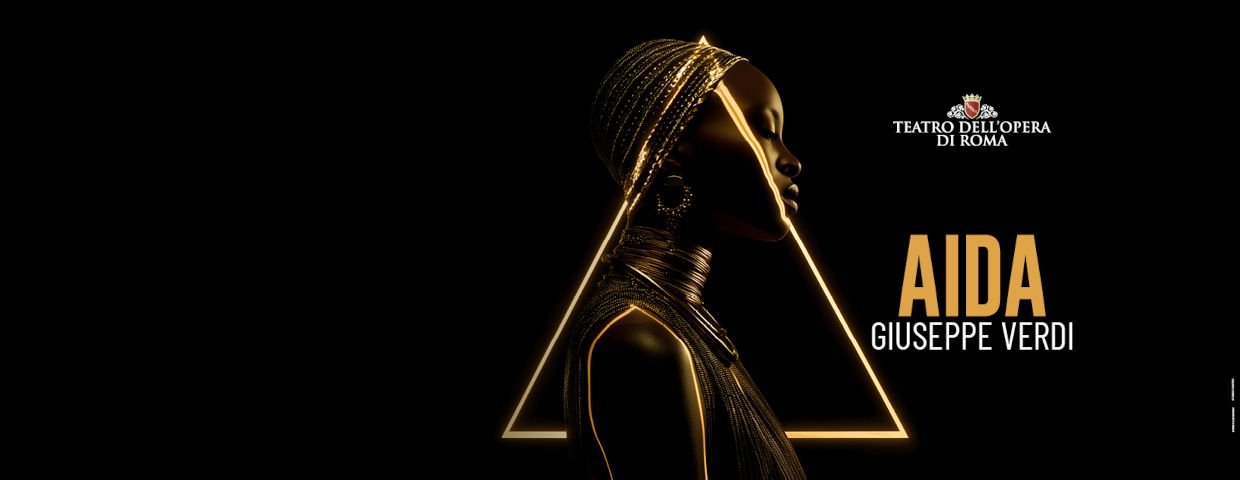
In the nineteenth and early twentieth centuries the industrialists and workers of the gasworks and factories pass through, then the archaeologists of the 1930s excavations, then the crowds of the 1937 and 1940 exhibitions. In our time musicians pass through: the Rolling Stones in June 2014, and since then a list that includes a large part of the Italian and international discography, along with opera and dance performances. In summer 2026 the following passed through here: Alessandro Barbero with a lecture-performance on June 29, the orchestra and chorus of Teatro dell'Opera with Aida conducted by Daniele Callegari and with a production signed by Davide Livermore, Roberto Bolle on July 14, the corps de ballet with Romeo and Juliet in John Cranko's choreography on July 24 and 25, and Orff's Carmina Burana conducted by Wayne Marshall on July 31. In the same valley, 20 centuries apart, the same function.
Concerts and shows at Circus Maximus
For years the valley has been the largest outdoor stage in the city. If you're coming for an event, keep two things in mind. The first is the discount: with your concert ticket you get in at the reduced rate to the archaeological area and to the Experience, within the month in which the event takes place. The second is practical: on setup and teardown days the valley is occupied by stages, barriers and heavy vehicles, so if you want the clean photo of the grass, choose another date. Setting up a large concert occupies the basin for days, not hours.
Teatro dell'Opera's summer 2026 at Circus Maximus
The 2026 summer season of Teatro dell'Opera di Roma took place at Circus Maximus, from June 29 to July 31, with a capacity of about 6,000 seats. The move was decided because of restoration work at the Baths of Caracalla, the festival's historic home. The program included Verdi's Aida on July 12, 15, 18, 22, 26 and 28, directed by Davide Livermore and conducted by Daniele Callegari, with tickets from 15,00 to 170,00 euro. Il Gladiatore in concert on July 3 and 4, with the score performed live and the participation of Lisa Gerrard under the direction of Ludwig Wicki. Roberto Bolle and Friends on July 14. Romeo e Giulietta in John Cranko's choreography on July 24 and 25, with the corps de ballet directed by Eleonora Abbagnato. Carl Orff's Carmina Burana on July 31 at 21:30, conducted by Wayne Marshall with a video installation by the collective Anagoor. The opening evening, on June 29, was a lecture show by Alessandro Barbero dedicated to Francis of Assisi. For the next season, it's best to wait for the theater's announcements. The venue depends on how the work at Caracalla goes. The festival's listing is at Caracalla Festival at Circus Maximus.

The big concerts in the valley
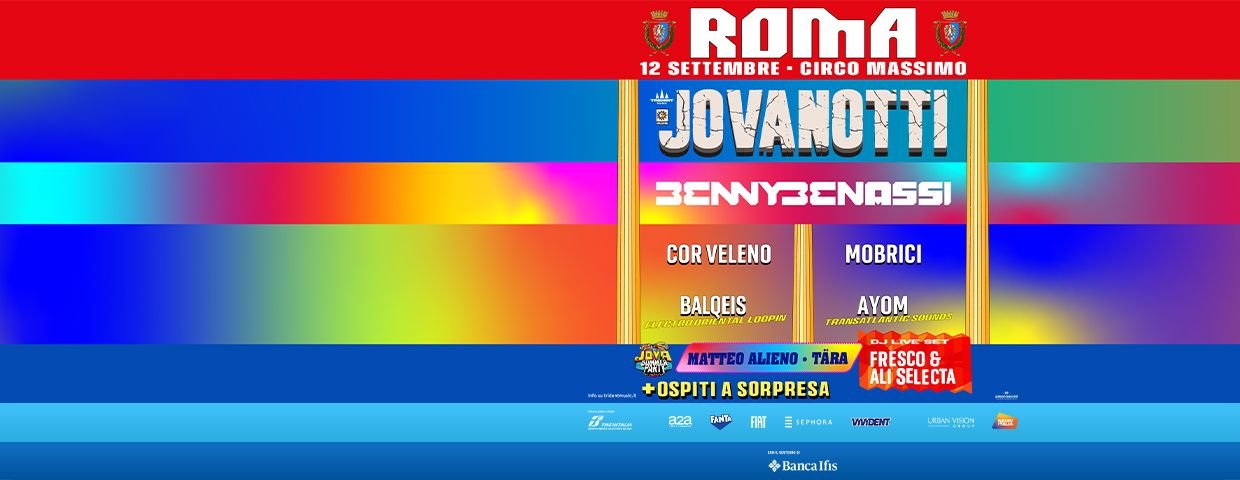
Along with opera, Circus Maximus hosts concerts on a European scale. On June 22, 2014, the Rolling Stones played here in front of a huge crowd, and since then the valley has become a regular part of the major Italian live events circuit, with summer dates featuring both Italian and international names. Among the dates this site has covered are the Jova Summer Party, with its listing at Jova Summer Party at Circus Maximus, and the evenings of the most recent season. The advice from those who work here: if you have a ticket for an evening concert, arrive in the afternoon, enter the archaeological area first with the reduced ticket, and then get in line. Do two things on one trip and you'll save two hours of standing in line without any shade.
Events, villages and gatherings
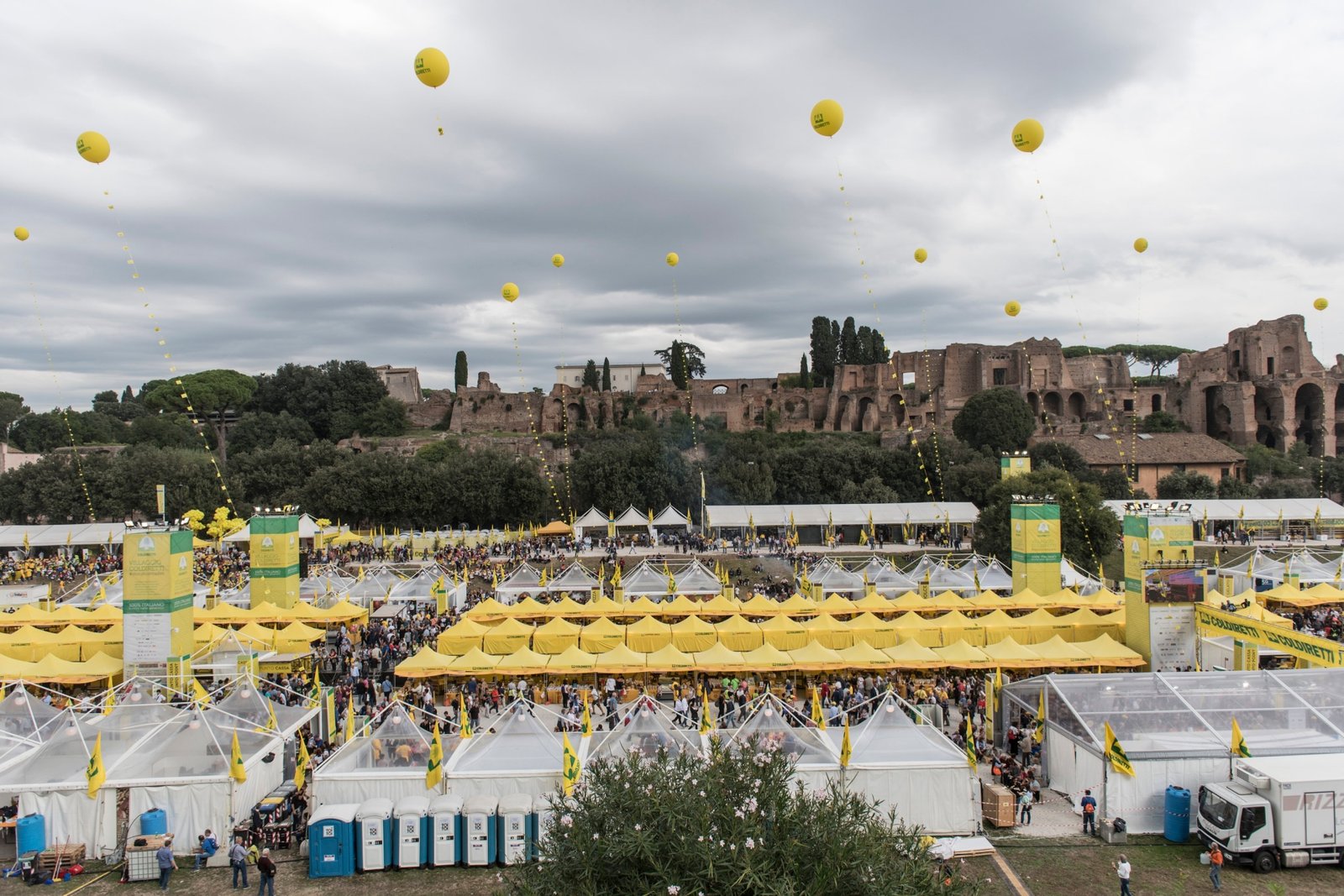
The valley doesn't host only music. Circus Maximus is the natural venue for major city events, sports gatherings, and theme villages that fill the lawn for a few days with stands and temporary structures. It's an old role, if you think about it: this has always been the place where Rome gathers en masse. If you're planning a visit during one of these events, first check the traffic information, because Viale Aventino and the Lungotevere are often changed, and consider moving your visit to the archaeological area by one day.
Circus Maximus with kids
It's one of the few Roman archaeological sites I recommend without reservations to families, and there are three reasons. The first is the space: in the valley you can run, and after two hours in a museum that's a relief for everyone, adults included. The second is the Experience: the chariot race seen from inside the viewer works very well with young kids, who come out of it with a concrete idea of what a race in the circus was like. The third is the length: 40 minutes is the threshold beyond which the attention of an eight-year-old fades, and here it isn't exceeded.
The rules to know beforehand. Under six years old, entry is free. Under 14 years old, using the viewer requires a waiver signed by a parent, available at the ticket office or downloadable in advance from the website. Bring it already filled out and you'll save 10 minutes in line. The family rate of 22,00 euro for two adults with minor children can only be booked at 060608 or at the Tourist Infopoint, so it should be arranged beforehand and not at the cashier. One last piece of advice, the most practical: in summer, bring water and a hat, because there isn't a square meter of shade in the valley and a July afternoon is demanding even for an adult.
Accessibility at Circus Maximus
Circo Maximo Experience is declared accessible to people with mobility disabilities, with free entry for the person with a disability and for one companion. The route is also accessible to deaf visitors thanks to the subtitled versions in Italian and English, a rare option at the city's archaeological sites and one worth taking advantage of. On the routes inside the archaeological area, the picture is more nuanced: the special opening of the southeast sector in June 2026, for example, was explicitly not accessible by wheelchair. If you have specific needs, call 060608, every day from 9.00 to 19.00, and have the situation confirmed for the day and the sector you're interested in: conditions change depending on ongoing works and temporary openings. The free grass lawn is flat and walkable, with the limits that the grassy surface imposes after rain.
What's around Circus Maximus in 10 minutes on foot
This is one of the best-connected spots in Rome for walkers, and making use of it changes your day.
- Toward the Tiber, five minutes: the Mouth of Truth inside the portico of the Basilica of Santa Maria in Cosmedin, and next to it the Forum Boarium with its two Republican temples, among the best preserved in the city.
- Climbing up to the Aventine, 10 minutes uphill: the Orange Garden, the Basilica of Santa Sabina with its fifth-century wooden door, and farther on the Rome Rose Garden overlooking the valley.
- Heading south, 15 minutes: the Baths of Caracalla, which I consider Rome's great underrated monument and which nobody ever puts in the first three days.
- Heading north: the Palatine Hill, which looks over the valley from above and is the best spot in absolute terms to photograph Circus Maximus, and then the Colosseum.
- Beyond the Aventine: the Pyramid of Cestius, the Nuovo Mercato Testaccio for eating at honest prices, and the Museo diffuso del rione Testaccio.
- A little farther, for those with a full day: the San Clemente Basilica with its three stacked levels, the Villa Celimontana on the Celian Hill, and the Appian Way Park.
If you'd rather have a professional guide than do it yourself, you can contact the colleagues at TourLeaderPro a Roma, who work with groups and operators, or look into the small-group formulas described in the esperienze personalizzate di lusso a Roma.
What to eat around Circus Maximus
The valley is surrounded by three neighborhoods with different cuisines, and choosing one changes your day. On the Aventine, the choice is thin and fairly pricey, because it's a residential hill: good for a coffee, less so for lunch. Toward the Tiber, on the side of the Bocca della Verità, you enter the orbit of the historic center, with everything that follows in terms of prices and tourist menus. The right direction is Testaccio: 10 minutes beyond the Aventine, the Nuovo Mercato Testaccio with its counters of cooked-to-order food, and the neighborhood that invented a large part of the Roman repertoire of offal and pasta dishes. Coda alla vaccinara, rigatoni with pajata, seasonal artichokes, trapizzino for those in a hurry.
A professional warning, without naming names. Around the big Roman monuments, the density of places that live off passing tourists is very high and the average quality drops. The rule is simple: walking five minutes away from the monument lowers the bill and raises the quality of the food. On concert days, the area fills up, and without a reservation, you don't eat. So plan ahead or bring something and sit on the embankment, which in the sunset light is a privilege that costs nothing.
How to fit Circus Maximus into your day
Three days I actually recommend, not three copied lists.
Half a day: the valley and the hill
You start early at the Palatine, watch the circus from above from the southern terraces, walk down and enter the archaeological area from Viale Aventino side. In summer the Experience isn't available in the morning, so in that case you move it to 18:00 and the day ends in the valley with the best light of the year. Total duration four hours, moderate walking, one ticket in addition to the one for the hill.
A slow day on the Aventine
Circus Maximus in the morning, then a climb up the Aventine with the Basilica of Santa Sabina and the Orange Garden, lunch in Testaccio at the Nuovo Mercato, afternoon at the Baths of Caracalla and, if there's time left, the Rome Rose Garden at sunset. This is the day I recommend to anyone who has already been to Rome and wants to stop rushing.
Classic day: Ancient Rome in a row
Colosseum at opening, Palatine next, descent into the valley, and with whatever energy you have left, Mouth of Truth and Forum Boarium before sunset. It's the most beaten path and it works, as long as you accept that Circus Maximus comes when your legs are already tired. That's why I always list it as a short stop, with just entry to the archaeological area and no visor. If you want to add a second day of archaeology, you'll find the Trajan's Markets with the Imperial Forums Museum, the Mamertine Prison and the Capitoline Museums, which are on the Capitoline Hill and close the loop of Ancient Rome.
Whichever route you choose, you can save it step by step in My Trip and find it again later without reopening 20 tabs. If you're planning your trip in English, or planning it for foreign friends, you'll find a three-day Rome itinerary set up by the guides on ItalyPlanner, Rome in 3 days and a considered selection of things to see on Best things to do in Rome.

When to go to Circus Maximus and when to avoid it
The best time, without hesitation, runs from mid-March to late May and from mid-September to late October: manageable temperatures, long hours at the archaeological area, good light in the late afternoon. The worst time is the heart of summer during the midday hours, for a physical reason and not a matter of taste: there is no shade in the valley, the ground reflects the heat and the basin holds the air still. Besides, from June to August the Experience only opens from the afternoon on, which solves the problem for those who book it and makes it worse for those who show up blindly in the morning.
Also avoid the setup days for big events, when the lawn is taken up by stages and barriers, and the days right after heavy rain, because the grassy ground stays soft for a long time. Winter, on the other hand, has an advantage nobody talks about: December and January have the lowest light of the year, the structures of the hemicycle can be read very well, and the site is practically empty. The price to pay is closing at 16.00, which means planning your visit for the morning.
The Mithraeum under Circus Maximus and the mystery cults of Rome
A few meters from the short side of Circus Maximus, the one where the carceres stood from which the quadrigas started, below the level of the modern road there is a sanctuary dedicated to Mithras. It's not a rumor from an evening tale: it is an excavated, measured and published monument, which the Sovrintendenza Capitolina opens to the public. It is also, however, the point of the visit where it's better to be more careful, because there is far more imaginative literature about Mithras than documentation, and the difference between the two is worth explaining properly.
How it was found, and when
The Mithraeum came to light in 1931, during work to carve out a storeroom for Teatro dell'Opera inside the building that occupies the corner between Piazza della Bocca della Verità and Via dell'Ara Massima di Ercole, the old Pantanella pasta factory later passed to the Comune. On the date the sources agree: the file of the Sovrintendenza Capitolina and the literature on the Roman subsoil all give 1931. What changes, if anything, is the wording: some speak of "excavations," others of an accidental discovery during building work. The second is more precise: nobody was looking for a Mithraeum, a basement was being dug out, and the sanctuary turned up by itself. It's the way almost everything is found in Rome.
The rooms were not born for Mithras. They belong to a large Roman brick building of the 2nd century AD, of uncertain original function, and only in the 3rd century were some ground-floor rooms turned into a place of worship. The reuse is documented by the structure itself, and it is the typical pattern of urban Mithraea, almost never free-standing buildings.
What You See Down There
The route passes through several communicating barrel-vaulted rooms. There is a room that served as a sacristy, one with niches for statues and above all the cult hall, with the masonry side benches (the podia) on which the initiates reclined during the ritual banquet. Set into the floor of the hall is an alabaster disc inside a marble frame: when it is lit from behind, the stone glows. At the far end remains the apsed niche that was meant to hold the main image of the god, an image that has never been found.
The best-known piece is the relief of the tauroctony: Mithras who, with his knee on the back of the bull, plunges the knife into its neck, while around him appear the two torchbearers, the dog, the snake, the scorpion and the raven. The relief is not in its original position, because it was repositioned on one of the podia, and it bears the inscription of the patron, a Tiberius Claudius Hermes: that name is carved on the stone, it is not a reconstruction.
Of Mithraism We Know This
Some things about the cult of Mithras are solid, because they rest on inscriptions, on hundreds of sanctuaries excavated across the empire and on the stubborn repetition of the same figured subjects. It was an initiatory cult, that is, one entered it by degrees and by admission, not by birth. It was reserved for men: no known Mithraic inscription records women initiates. It had seven grades (Raven, Bridegroom, Soldier, Lion, Persian, Courier of the Sun, Father), listed and illustrated in several Mithraea. At its center was a communal meal, and that is why Mithraea always have that narrow, long dining-room shape with benches on the sides. It took place in dark, underground spaces, or ones made to look so, because they reproduced the cave in which Mithras kills the bull. It spread between the 2nd and 3rd centuries above all among soldiers, officials, customs officers, slaves and freedmen of the imperial administration: the names and trades carved on the dedications say so.
And This, Instead, We Don't Know
Here it must be said clearly, because it is the honest point of the chapter: of Mithraism no sacred text has come down to us, no ritual manual, no account of the doctrine written by an initiate. We don't have a single inside story of what was believed. Everything you read about the "meaning" of the tauroctony, about the salvation promised to the initiates, about the astronomical value of the symbols, is modern reconstruction drawn from the images and from a few polemical lines written by Christian authors, that is, by adversaries. Scholars do not agree: some read the scene as an astronomical code tied to the constellations, some insist on the god's Iranian roots, some consider it an entirely Roman invention that keeps only the exoticism of the Persian name. The question is open and will not be closed until a text turns up, which so far has not happened.
Consequently: when you hear it said that in the Mithraeum "this was celebrated" or that the rite "meant this other thing," you are listening to a hypothesis, perhaps an authoritative one, not an established fact. This also goes for the kinship with Christianity that you often read about online (the meal, the birth, the date of December 25): they are parallels debated for more than a century, largely not demonstrable in the popular form in which they are told. Tradition from the internet, not documentation.
The Other Mithraea of Rome
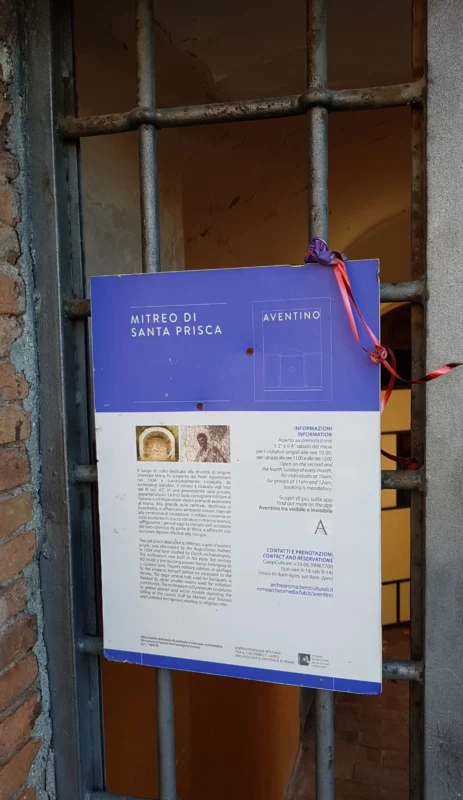
Rome is the city with the greatest concentration of known Mithraea in the world, and several can be visited. The most famous is the one on the lowest level of the San Clemente Basilica, where you go down from the medieval church to the early Christian basilica and on to the Roman lane with its Mithraic hall: it is the clearest case of overlap between the two cults, although the shift from one to the other was not the romantic conversion that is sometimes told. The largest Mithraeum in Rome is instead under the Baths of Caracalla, included in the underground route and highlighted in the summer evening openings. There is also the Mithraeum at Palazzo Barberini, which is not part of the regular route of the Galleria Nazionale d'Arte Antica and can only be seen during special openings, notable because the tauroctony there is painted rather than carved. And there is the one under the church of Santa Prisca on the Aventine, with frescoes and painted inscriptions, also open only on scheduled dates.
How to visit the Mithraeum at Circus Maximus
Quick questions about Circus Maximus
Can you walk on the grass at Circus Maximus for free?
Yes. The grass is an open public space, you can cross it at any hour and there is no ticket. Only the fenced archaeological area with the Torre della Moletta, at the end toward the Bocca della Verità, is paid.
How much is the ticket for Circus Maximus?
The archaeological area costs 7,00 euro full price and 4,00 euro reduced for non-residents, with free entry for residents of Rome and the metropolitan city and for MIC card holders. Circo Maximo Experience has a separate ticket: 12,00 euro full, 10,00 euro reduced, 22,00 euro family rate.
Does the Colosseum ticket also cover Circus Maximus?
No. The Colosseum, Roman Forum and Palatine Hill belong to the state circuit, while Circus Maximus is an archaeological site of Roma Capitale managed by the Sovrintendenza Capitolina. Two different ticket offices, two different rates, no single pass that covers both.
Do Rome residents get in for free?
Yes, in the archaeological area, by showing a valid document proving residence in Rome or the metropolitan city. Entry is also free for MIC card holders. Be aware, though: the free entry applies to the fenced area, while Circo Maximo Experience remains paid, with the rate reduced to 10,00 euro for MIC card holders.
Is Circus Maximus open on Mondays?
No. The archaeological area is closed on Mondays, and Monday is also a closing day for Circo Maximo Experience. It is also closed on December 25 and May 1.
Do I need to book a visit to Circus Maximus?
Entry is limited, and the Sovrintendenza recommends buying online or booking by calling 060608. For the Experience, departures leave every 15 minutes in small groups: in high season and on weekends, book without thinking twice.
How long does the visit to Circus Maximus take?
The Experience takes 40 minutes. The archaeological area with the climb up the tower takes a good half hour, for an hour and a quarter in total. If you only cross the grass, it takes 20 minutes.
What is Circo Maximo Experience?
It is an augmented and virtual reality visit to the archaeological area, promoted by Roma Capitale with the Sovrintendenza Capitolina and produced with Zètema Progetto Cultura. It lasts about 40 minutes, is divided into eight stops, is available in eight languages, and the Italian version has the voices of Claudio Santamaria and Iaia Forte.
Can you enter Circus Maximus without a headset?
Yes. You buy only the entry ticket at the ticket office and visit the area without multimedia support, though you still climb the Torre della Moletta.
Can Circus Maximus be visited in a wheelchair?
Circo Maximo Experience is declared accessible to people with motor disabilities, with free entry for the person with a disability and one companion. Some special openings of areas without facilities, on the other hand, are not accessible by wheelchair. For details on the day, call 060608.
Can you take photographs at Circus Maximus?
Yes, and the grass is open at any hour. The tip is to photograph from above: from the southern terraces of the Palatine, from the Roseto di Roma on the Aventine, or from the panoramic level of the Torre della Moletta.
Is Circus Maximus suitable for kids?
Very much so. There is room to run, and the chariot race seen through the headset works very well with kids. For children under 14, the headset requires a signed release from a parent. For children under 6, entry is free.
Where can you park near Circus Maximus?
The area is inside the limited traffic zone of the historic center, and there are very few surface spaces. The practical solution is to leave the car at a park-and-ride lot on metro Line B and get off at the Circo Massimo station.
What is the metro stop for Circus Maximus?
The Circus Maximus station on Line B, a few minutes' walk from Viale Aventino entrance, where the surface stops are also located.
Do you pay less with a concert ticket?
Yes. Anyone who holds a ticket for a concert taking place in the Circus Maximus area is entitled to the reduced fare for the archaeological area and the Experience, within the month in which the event is held.
How big was the Circus Maximus?
600 meters long by 140 meters wide: the largest building for entertainment in antiquity according to the Capitoline Superintendency, which does not give an official capacity figure.
Who built the Circus Maximus?
The valley hosted games from the age of the kings, but the first stone circus is due to Julius Caesar. The complete reconstruction that left most of the visible structures instead dates to the principate of Trajan, at the beginning of the second century.
Where did the obelisks of the Circus Maximus end up?
The one of Ramses II, brought by Augustus, is today at the center of Piazza del Popolo. The second, which arrived in 357, stands in front of the Basilica of Saint John Lateran.
Is there a bookshop at the Circus Maximus?
Yes, inside the archaeological area at the ticket office: a sales corner with thematic books in several languages and merchandise on Ancient Rome and the system of civic museums.
What's the difference between the Circus Maximus and the Colosseum?
Function and shape. The Colosseum is an amphitheater, built for gladiator combats and hunts, with a closed elliptical cavea. The Circus Maximus is a circus, that is, an elongated structure for chariot races, with two straightaways, a central spina and a single curve. The Colosseum is preserved in elevation, the Circus Maximus almost only in plan: that's why digital reconstruction is really useful here.
Where can I find other archaeological sites and museums in Rome?
The closest listings by theme are Palatine Hill, Baths of Caracalla, Trajan's Markets, the Mamertine Prison and the Appia Antica Park. For museums there are the Capitoline Museums, the Centrale Montemartini and the Museum of Civilizations in EUR. The full list is in tourist attractions.

One last thing. The Circus Maximus is the place in Rome where it's easiest to see nothing. There are no columns standing, no facade waiting for you, just a grassy hollow with dogs running and someone jogging. But if you enter the enclosure, climb the tower and put on the headset for half an hour, that meadow stops being a meadow and becomes what it was: the loudest curve of the empire, where 300 years of Roman history sat down to watch the same thing. Then go back to walk on it for free, as Romans do every day, and enjoy it a second time.
Article written by the editorial team of TourLeaderPro, contact them for Tours and Private/Corporate/V.I.P. Experiences.
Planning a trip to Rome? The English-language guides for visiting the city are on ItalyPlanner.com.
Contact Information
Nearby
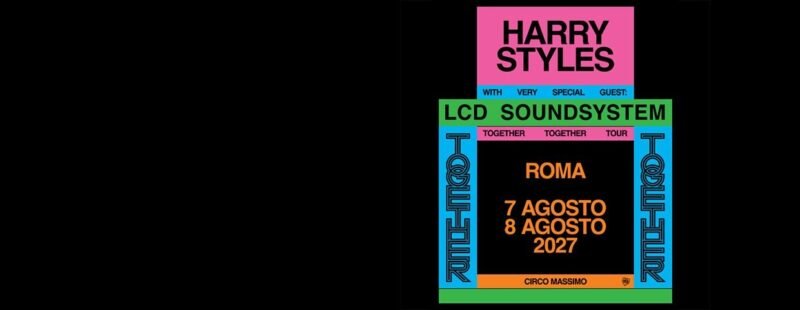
 Harry Styles in Rome 2027: The Two Concerts at Circo Massimo400 m
- Roman Houses of the Celian Hill400 m
- Basilica of Saints John and Paul on the Caelian Hill400 m
- Caelian Hill400 m
- Antiquarium of the Celian Hill400 m
- Basilica of Santa Prisca and Mithraeum400 m