We Run Rome 2026 at the Baths of Caracalla, December 31, 2026
In short. The We Run Rome 2026, fifteenth edition, is run on Thursday, December 31, 2026 with the start at 14:00 on Viale delle Terme di Caracalla, where the race village opens at 10:00 in the area next to the Nando Martellini stadium (Viale…
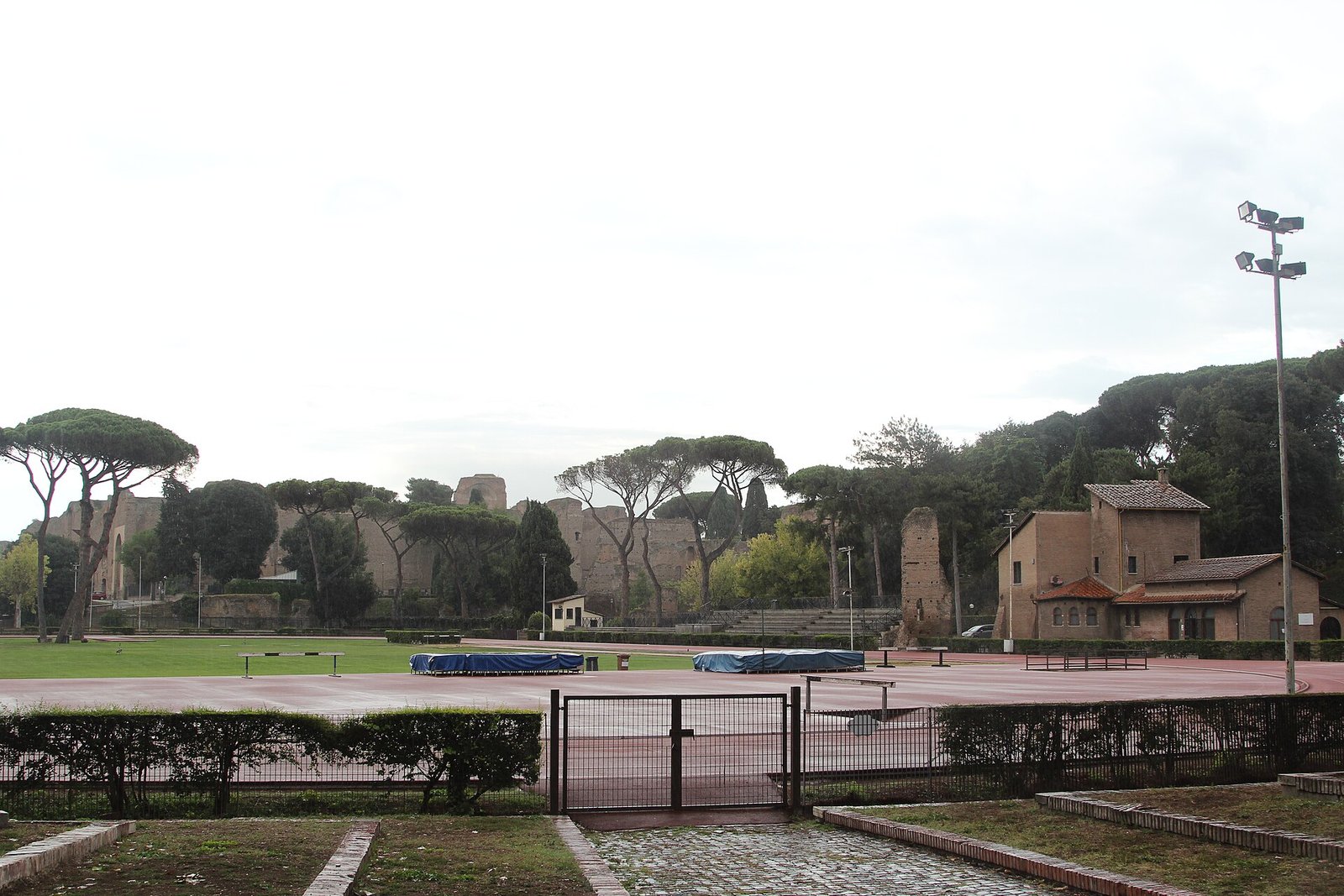
The We Run Rome 2026, fifteenth edition, is run on Thursday, December 31, 2026 with the start at 14:00 on Viale delle Baths of Caracalla, where the race village opens at 10:00 in the area next to the Nando Martellini stadium (Viale delle Terme di Caracalla 1, Rome). The competitive 10 km and the non-competitive 10 km start together, the non-competitive 5 km a few minutes later. By public transport you get off at the Circo Massimo stop of metro line B or the Porta Metronia stop of metro line C. Tram 3 and buses 75, 628 and 760 also stop at Circo Massimo, but on race day the streets of the course are closed to traffic according to the passing times, and the metro is the safest choice. The fees published by the organization rise in stages: until November 18 the 10 km costs 22 euros and the 5 km 18 euros. Registration is on the official website werunrome.com until December 26, unless closed early.
Running through Rome on the last day of the year, with the streets closed and the monuments flowing by on either side like theater wings, is a simple idea that in 15 editions has become a fixed appointment on the Italian running calendar. The We Run Rome starts from the Baths of Caracalla, passes along the Circus Maximus, crosses Piazza Venezia, climbs Via del Corso to Piazza del Popolo, enters the greenery of Villa Borghese, descends Via Veneto and returns by the Imperial Fora and the Colosseum. 10 kilometers that in our judgment are the most intense way to cross the historic center in an hour, as long as you know what you are in for.
We Run Rome 2026: the fifteenth edition on the last day of the year
The We Run Rome 2026 is the fifteenth edition of a national-level road race held every December 31 in Rome, with start and finish on Viale delle Terme di Caracalla. It is organized by Atleticom SSDaRL and takes place under the aegis of FIDAL, the Italian Athletics Federation.
Three races in a single afternoon
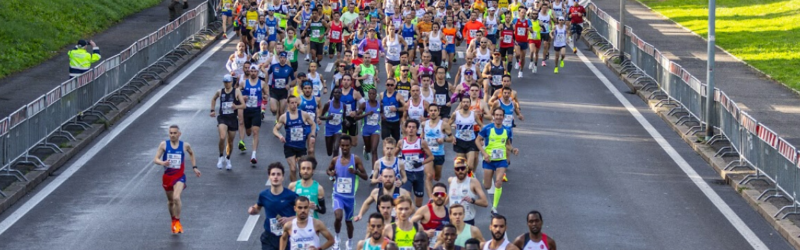
The event includes a competitive 10 km, reserved for athletes with a valid competitive membership, and two non-competitive races, over 10 and 5 km. The two 10 km races start together at 14:00. The 5 km starts a few minutes later. Wheelchair athletes start at 13:55 in a dedicated wave at the start of the race. The structure lets those seeking a time, those who just want to run across Rome, and families with children all run on the same day.
A national-level race
The 2026 rules list the We Run Rome as a race in the FIDAL national calendar, awarded the FIDAL Nazionale GOLD recognition. The course of the competitive 10 km is certified and approved by the federation's measurers: this means times achieved count as official performances at the distance. The event enjoys the patronage of CONI, Sport e Salute, Roma Capitale and the Lazio Region.
The three We Run Rome races: requirements and age limits
The We Run Rome 2026 has three races with different requirements: the competitive 10 km from age 16 with FIDAL membership, the non-competitive 10 km from age 14, the non-competitive 5 km with no age limit. Limits are calculated on the year of birth.
The competitive 10 km
The competitive race is open to athletes registered for 2026 with a FIDAL-affiliated club who have turned 16, that is, those born in 2010 and earlier. From age 20 up, holders of a FIDAL Runcard or EPS Runcard are also admitted, provided they present a valid competitive medical certificate specific to athletics. The rules specify that a medical certificate alone is not enough, and that certificates that do not expressly state athletics are not valid.
The non-competitive 10 km
The non-competitive 10 km is open to those who have turned 14 on the date of the event, so those born in 2012 and earlier. There is no ranking: the organization publishes an alphabetical list with each runner's timed result. The maximum time to complete it is 90 minutes. Registration counts as self-certification of fitness for non-competitive sport, and minors must upload an authorization form signed by a parent or guardian.
The 5 km for all ages
The non-competitive 5 km has no age limit and is the families' race. Children up to 13 must run with a parent or legal guardian. There is no timing or ranking, and the maximum time is 75 minutes. In the non-competitive races hand-pushed wheelchairs are allowed, while bicycles and other vehicles are excluded.
Athletes with disabilities
The race is open to people and athletes with disabilities, who take part free of charge. To register you must write to the organization indicating the federation and functional class, with a copy of the card valid on the date of the event. The rules cite FISPES and FISDIR, and exclude handbikes for safety reasons related to the city course.
The We Run Rome 2026 course from Caracalla to Villa Borghese
The course of the We Run Rome 2026 10 km starts and finishes on Viale delle Terme di Caracalla and touches the Circus Maximus, Piazza Venezia, Via del Corso, Piazza di Spagna, Piazza del Popolo, Villa Borghese, Via Veneto, Via Nazionale, the Imperial Fora and the Colosseum. The rules list it as awaiting approval by Roma Capitale.
The start and the Circus Maximus
From Viale delle Terme di Caracalla the group reaches Piazza di Porta Capena and takes Via dei Cerchi, the straight that runs along the Circus Maximus, with the Palatine on the right. It is the first kilometer, the one in which thousands of people look for their pace in the space where the Romans raced with chariots. From here the race takes Via Luigi Petroselli, passes next to the Bocca della Verità and skirts the Theater of Marcellus along Via del Teatro Marcello.
From Piazza Venezia to Piazza del Popolo
Arriving at Piazza Venezia, the runners take Via del Corso, the street of the Roman evening stroll, which for once is all theirs. Then Via del Tritone, Via dei Due Macelli, Piazza di Spagna at the foot of the steps, Via del Babuino and finally Piazza del Popolo. It is the most photographed part of the race, the one many runners remember best.
Villa Borghese and Via Veneto
From Piazza del Popolo the route climbs Via Gabriele D'Annunzio toward the Pincio, runs along Via Adamo Mickiewicz, Viale dell'Obelisco, Viale delle Magnolie and Piazzale delle Canestre, inside Villa Borghese, then exits by Viale San Paolo del Brasile and descends along Via Vittorio Veneto to Piazza Barberini. It is the uphill stretch of the race, the one where the time is decided: it is best to arrive with some energy in reserve.
The return by the Imperial Fora
From Piazza Barberini you go back to Via del Tritone, pass the Traforo Umberto I, take Via Milano and climb Via Nazionale. From here Via dei Serpenti and Via Cavour lead to Largo Corrado Ricci and Via dei Fori Imperiali, with the Colosseum before your eyes in the last kilometers. After Piazza del Colosseo, Via Celio Vibenna and Via di San Gregorio bring you back to Piazza di Porta Capena and Viale delle Terme di Caracalla, where the finish is.
The 5 km course
The 5 km follows the first part of the route as far as Piazza Venezia: Viale delle Terme di Caracalla, Piazza di Porta Capena, Via dei Cerchi, Via Luigi Petroselli, Via del Teatro Marcello. From Piazza Venezia it turns right away onto Via dei Fori Imperiali, passes in front of the Colosseum and returns via Via Celio Vibenna and Via di San Gregorio.
Registration and fees for the We Run Rome 2026
Registration for the We Run Rome 2026 is online on the official website until December 26, with fees that grow as the date approaches. From September 1 to November 18 the 10 km, competitive or non-competitive, costs 22 euros. The 5 km costs 18 euros until December 18.
The fees by stage
For the two 10 km races the rules provide 22 euros from September 1 to November 18, 25 euros from November 19 to December 18 and 28 euros from December 19 to 26. For the non-competitive 5 km the fee is 18 euros from September 1 to December 18 and 20 euros from December 19 to 26. The cheapest stages, up to May and up to August, are already closed. On the official website the current fee for the competitive race is accompanied by a notice that the bibs available are 3,500.
How to register and pay
Registration is done on the official website's portal. You pay by credit card, prepaid card, PayPal or bank transfer, and the rules also list some partner sports shops in Rome where payment can be completed. With a bank transfer, registration becomes effective only when the payment is received.
Group and club registrations
For those registering with friends or colleagues, in groups of at least five people who are not sports clubs, discounted fees are provided from August 1 to December 1, to be requested by email or message to the organization. Clubs with at least 10 entrants can send a single list in spreadsheet format, with a cumulative payment. Under 10 entrants, registration is individual online.
Transfers, postponements and changes
Fees are not refundable. Those who cannot run can transfer the registration to another athlete or postpone it to 2027: free until December 1, with 5 euros in administrative fees from December 2 to 21. Likewise you can switch from non-competitive to competitive. From December 22 to race day no changes or transfers are allowed.
What the We Run Rome registration includes
The We Run Rome fee includes bib, insurance, medical and technical assistance, official shirt, refreshments, bag check and a medal for those who finish within the time limit. Timing is provided only for the 10 km races.
Race pack and services
In detail, the rules list the race bib, insurance, medical and technical assistance, the event's official shirt while supplies last, refreshments along the course and at the finish, timing for the 10 km races, bag check and any products offered by sponsors. For the 10 km there are two refreshment points, one at the fifth kilometer and one at the finish. For the 5 km the refreshment is at the finish only.
The medal
The commemorative medal goes to all finishers who cross the line within 90 minutes in the 10 km races and within 75 minutes in the 5 km, while supplies last. For the 10 km the limit also has a practical reason: after 90 minutes the traffic block is no longer guaranteed, and the course goes back to the city.
Bib pickup for the We Run Rome, December 27 to 30
Bibs and race packs for the We Run Rome 2026 are picked up from December 27 to 30 at a venue the organization will announce by the first week of December. Only for non-residents of Rome and participants from abroad is there one more chance on December 31, from 10:00 to 13:00, at the Baths of Caracalla stadium.
For individual participants
The published hours are 14:00 to 19:00 on Sunday, December 27, and 10:00 to 19:00 on Monday 28, Tuesday 29 and Wednesday December 30. Pickup by proxy is allowed, as long as the proxy brings all of the participant's documentation.
For sports clubs
Clubs pick up their bibs on December 29 and 30, from 10:00 to 19:00, through a representative with a cumulative proxy. The organization advises making an appointment, which is mandatory for anyone picking up more than five bibs. Clubs based outside the province of Rome can pick up on race day, from 10:00 to 13:00, at the Baths of Caracalla stadium.
Starting grids, records and prizes at the We Run Rome
At the We Run Rome the starting grids are assigned according to the best declared and verified 10 km time. The event record is 28'17" for men and 31'46" for women, with a bonus of 1,000 euros for anyone who beats it.
How the grids are formed
The top athletes start first, with bibs 1 to 20. Next come the competitive athletes with a personal best under 35 minutes for men and 40 for women, then those under 40 and 45 minutes, then all other competitive runners, then the non-competitive 10 km and the 5 km. The fast grids are reserved for the first 200 men and 100 women who state their time by December 5, with results obtained in certified races between 2024 and 2026. Moving into a grid other than the one assigned is forbidden.
Prizes and ceremonies
The first three men and first three women of the competitive race are awarded, with cash prizes for the overall ranking and for the Italians' ranking, and so are the first three of each FIDAL category, who receive discount vouchers for the 2027 edition. The overall ceremonies take place after the race inside the Baths of Caracalla stadium. There are no ceremonies for the non-competitive races.
The Grande Slam del Running Città di Roma
The We Run Rome closes the Grande Slam del Running Città di Roma, a circuit of six races with a club ranking based on the number of finishers. The 2026 races are the Corsa di Miguel on January 18, the Roma Appia Run on April 19, the Corsa dei Santi on November 1, the Rome 15 K on November 8, the Roma Urbs Mundi on December 13 and the We Run Rome on December 31. For those who run in Rome all year, the last day is also the day of reckoning. Those already thinking about spring will find the Rome Marathon 2027 on the calendar.
The Baths of Caracalla and the Nando Martellini stadium: the starting venue
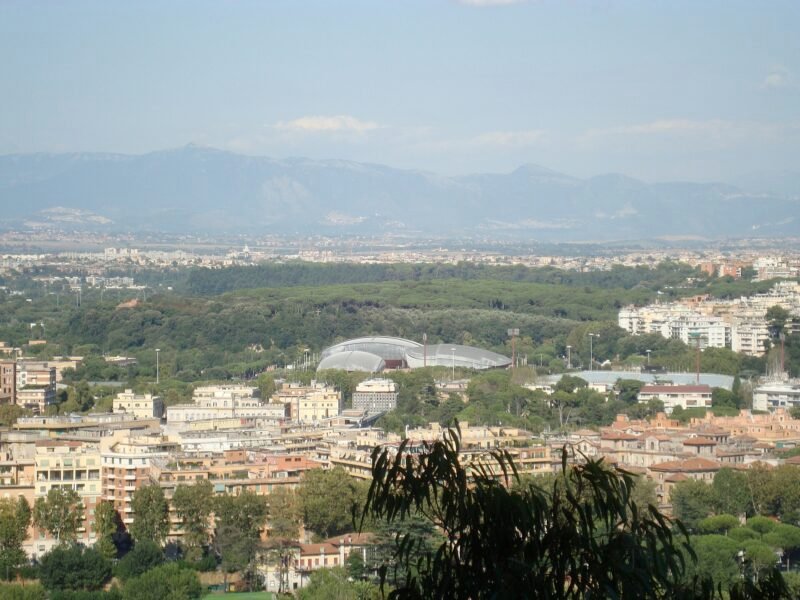
The Baths of Caracalla, inaugurated in 216 AD, are among the best-preserved imperial buildings of antiquity, and the avenue that bears their name is the start and finish line of the We Run Rome. The race village is set up next to the Nando Martellini stadium, the athletics facility built right beside the Baths.
The emperor's baths
According to the Soprintendenza Speciale di Roma, the complex was built in only five years in the southern part of the city, on three descending terraces, served by an aqueduct made for the purpose, the Antoniniano, and reached by a new road, the via Nova. The patron was Marcus Aurelius Antoninus Bassianus, known as Caracalla, son of Septimius Severus. The building site continued after his death and was completed by Elagabalus and Severus Alexander. The ancient name was Thermae Antoninianae.
An enclosure of over 300 meters
The enclosure of the Baths measures 337 by 328 meters, the central building 220 by 114. Inside were libraries, cisterns, spaces for strolling and study. The central block lined up the caldarium, tepidarium, frigidarium and natatio, the open-air pool, with two large symmetrical gyms at the sides. Below ran about two kilometers of service tunnels, with the furnaces, the timber stores and a large Mithraeum. It was, in essence, a gigantic sports center, so it makes sense that the New Year's Eve race starts right here.
The Nando Martellini stadium
The stadium beside the Baths was inaugurated on May 24, 1939 as the Baths of Caracalla stadium and named after Vittorio Polacco. Work had begun in 1936 and 1937, as part of the redevelopment of the Porta Capena area linked to the construction of the Ministry of Italian Africa, today the seat of the FAO. Renovated for the Rome Olympics of 1960, when it served as a training ground, it was renewed again in 2002 and on September 20 of that year named after the journalist and commentator Nando Martellini. It has a 400-meter track with six lanes.
A curiosity about We Run Rome 2026 at the Baths of Caracalla, December 31, 2026
The We Run Rome starts from the same place where, in 1960, the gymnastics events of the Games of the XVII Olympiad were held. The Baths of Caracalla were one of the Olympic venues, and the stadium next door, today named after Nando Martellini, served in those days as a training ground for the athletes. Anyone warming up on the avenue before 14:00 is therefore doing so in a space that has already known sport at the highest level.
There is a second, lesser-known link. Between 1947 and 1951 the area of the Baths hosted the Rome Grand Prix car race four times. The avenues around the ruins, which today fill with runners in T-shirts on December 31, were for a few seasons a racing circuit. It is a story that explains well why this area suits a road race so much: wide, tree-lined avenues, away from the tightest traffic of the center, with room for thousands of people at the starting blocks.
Something nobody tells you about We Run Rome 2026 at the Baths of Caracalla, December 31, 2026
The maximum time for the 10 km is 90 minutes, but the rules add a clarification that almost nobody reads: after that time the extra traffic block is not guaranteed. In practice, slow runners, or anyone who stops too long to photograph Piazza del Popolo, risk finding themselves in the last kilometers on streets that are reopening. It is not a detail for those planning to walk the 10 km. In that case the 5 km, with a 75-minute limit over half the distance, is the most sensible choice.
The second detail concerns bib pickup. On the morning of December 31, from 10:00 to 13:00, pickup at the stadium is reserved exclusively for non-residents of Rome, foreign participants and clubs based outside the province. Anyone living in Rome who shows up at the village without a bib on race day has no second chance. Pickup must be done between December 27 and 30.
Third point, often underestimated: throwing away shirts, capes or other clothing in the starting grids is forbidden, because they can trip those behind. At the end of December the temptation to cover up until the start and then shed the last layer is strong. It is better to use an old garment to leave at the bag check, or to warm up well and start already dressed to run.
The advice I give you for visiting We Run Rome 2026 at the Baths of Caracalla, December 31, 2026
My advice is to arrive at the village by noon, even though the start is at 14:00. The village opens at 10:00, and the two hours before the start are for dropping off your bag, changing in the locker rooms, doing a few strides on the avenue and reaching your assigned grid without hurry. Anyone arriving at the last minute, with the metro full of other runners, ends up at the back of the grid or starts already out of breath.
On the race, it helps to divide the course into three parts. The first four kilometers, from the Circus Maximus to Piazza del Popolo, are fast and flowing. The temptation to push is strong, but it is better to hold back. The central part, from the climb of the Pincio to Villa Borghese and then down Via Veneto, is the one that makes the difference, and those who tackle it with energy gain time. The finish, from Via Nazionale to the Imperial Fora, has the Colosseum in front of you, and it is the moment to give what is left.
For those running the 5 km with children, the advice is the opposite: no hurry. The course touches the Circus Maximus, the Theater of Marcellus, Piazza Venezia, the Fora and the Colosseum in five kilometers, and it is worth looking at. The 75-minute limit allows you to do it partly walking.
Another well-known fact, yet rarely mentioned
That the Baths of Caracalla host the Opera di Roma's opera season in summer is known to everyone. Less remembered is that the tradition dates back to 1937, and that for decades the performances took place in the central part of the complex, before audiences of up to 8,000. From 1993 to 2003 the site was restored and cleared of fixed structures. Since then the performances are held in a less delicate area, with an audience reduced to 3,500 seats.
The number, by coincidence, is the same one the We Run Rome website gives for the bibs of the competitive 10 km in the current price tier: 3,500. Two very different publics, the summer opera audience and the New Year's Eve runners, welcomed by the avenue of the Baths of Caracalla six months apart. In summer the audience looks toward the lit ruins. On December 31 it is the ruins that watch the runners go by, along the same tree-lined avenue that filled up on the evening of July 7, 1990 for the Three Tenors.
The right photo to take at We Run Rome 2026 at the Baths of Caracalla, December 31, 2026
The right photo of the We Run Rome is not taken at the start, where the crowd flattens everything, but at one of the points where the course meets a recognizable monument. For those watching the race, the best spots are three.
The first is Via dei Cerchi, along the Circus Maximus, in the first minutes of the race. The pack is still compact, and with the Palatine in the background you get the image of a river of runners flowing through the valley where chariot races were once held. Stand on the grass of the Circus, slightly raised, and use a wide frame.
The second is Piazza del Popolo, around the fourth kilometer. The square is wide, the view of the runners entering from Via del Babuino and heading off toward the Pincio is spectacular, and there is room to move. The third is Via dei Fori Imperiali with the Colosseum in the background, in the last kilometers. It is the photo almost every participant would like to have of themselves.
For runners, the shot to take home is the one at the finish, on Viale delle Terme di Caracalla, with the medal around your neck and the pines of the avenue behind. On an early afternoon in late December the light is low and warm, a good ally even for a phone.
Some important events that took place here in history
In 216 AD the emperor Caracalla inaugurated the Baths, which remained the largest in Rome until the opening of Diocletian's in 306. They were restored several times, among others by Constantine and by the Gothic king Theodoric, and in the 5th century Polemius Silvius listed them among the seven wonders of Rome. In 537, during the Gothic War, King Vitiges cut the aqueducts while besieging the city, and the Baths stopped functioning.
Centuries of abandonment and reuse followed, then the excavations of the 16th century under Paul III, the departure of the column for Florence in 1563, the discovery of the mosaics of the athletes in 1824 and that of the domus of Vigna Guidi between 1858 and 1869. In the 20th century came entertainment: from 1937 the Opera's summer season, between 1947 and 1951 four editions of the Rome Grand Prix car race, in 1960 the Olympic gymnastics events.
Next to the ruins, on May 24, 1939 the Baths of Caracalla stadium was inaugurated, as part of the redevelopment of the Porta Capena area. On the evening of July 7, 1990 the Baths hosted the first Three Tenors concert. On September 20, 2002, after a new restoration, the stadium was named after Nando Martellini.
Who has passed through We Run Rome 2026 at the Baths of Caracalla, December 31, 2026
Emperors, kings, popes, singers and athletes have passed through the Baths of Caracalla. The first name is that of the patron, Caracalla. After him Elagabalus and Severus Alexander, who completed the complex, and Constantine, who restored it. The Gothic king Theodoric had work done there at the start of the 6th century. A few decades later another Gothic king, Vitiges, decreed its end by cutting the aqueducts. In the 16th century the men of Pope Paul III Farnese excavated there, and Pope Pius IV had the last whole column removed to give it to Cosimo I de' Medici.
In the 20th century the complex became a stage. The great voices of the Opera di Roma sang there in summer for decades. The drivers of the postwar Grand Prix raced there by car. The gymnasts of the 1960 Olympics competed there. On the evening of July 7, 1990 José Carreras, Plácido Domingo and Luciano Pavarotti sang here together for the first time, conducted by Zubin Mehta.
The stadium next door has its own history of visitors. At the naming ceremony for Nando Martellini, on September 20, 2002, Gianni Rivera, Gianni Gola and Walter Veltroni were present. And every December 31, for 15 editions, thousands of runners pass along the avenue: elite athletes chasing a record of 28 minutes, families with children on the 5 km, people who chose to bid farewell to the year by running through Rome.
How to get to the start of the We Run Rome
The start of the We Run Rome, on Viale delle Terme di Caracalla, is reached by metro B at the Circo Massimo stop and by metro C at the Porta Metronia stop. Tram 3 and buses 75, 628 and 760 also stop at Circo Massimo. On December 31 the streets of the course are closed to traffic according to the passing times.
By metro
The simplest solution is line B to Circo Massimo. Leaving the station you take Viale delle Terme di Caracalla, wide and tree-lined, and in a few minutes on foot you reach the stadium and village area. From San Giovanni or the eastern neighborhoods you can use line C to Porta Metronia, on the Celio side.
By tram and bus
Tram 3 and buses 75, 628 and 760 stop at Circo Massimo on ordinary days. On December 31, however, with the closure of the course streets during the race hours, surface routes may be diverted. It is best to check changes on the public transport company's website before leaving.
By car and on foot
On race day parking nearby is difficult and many streets are closed. Those coming from outside Rome do better to leave the car near a metro station. For those staying in the center, the avenue is a walk from the Colosseum or the Aventine, useful as a warm-up too.
How to organize December 31 at the We Run Rome
For the We Run Rome, December 31 is organized in three stages: the village from 10:00, the start at 14:00, the ceremonies in the stadium after the finish. In between lies the whole afternoon of the last day of the year.
The morning at the village
The village opens at 10:00 in the area next to the stadium, with partner stands and food trucks. For everyone else the morning is for preparing calmly: an early light lunch, a warm-up, dropping off the bag.
Bag check and locker rooms
The village has stands for bag check and two locker rooms, one for men and one for women. The organization recommends not leaving valuables, for which it takes no responsibility. Bring a complete, dry change for after the race: at the end of December, standing still after 10 kilometers, the cold is felt at once.
After the finish
After the finish line there are refreshments, the medal and, for the top finishers, the ceremonies in the stadium. Then the day is free. The afternoon of December 31 is the time to head back, shower and get ready for the night of New Year's Eve in Rome. It is hard to imagine a better way to reach midnight.
Accessibility and children at the We Run Rome
The We Run Rome is open to athletes with disabilities, who take part free of charge, and to children of any age on the non-competitive 5 km, with a parent up to age 13.
Accessibility
Wheelchair athletes start at 13:55 in the dedicated wave, with a mandatory helmet. In the non-competitive races hand-pushed wheelchairs are allowed. For spectators with mobility difficulties, Viale delle Terme di Caracalla is wide and flat, and the most convenient points of the course for watching are those along Via dei Cerchi and on the Imperial Fora. For special needs it is best to write to the organization before the race.
With children
The 5 km is designed for families too: there is no age limit, no timing or ranking, and the time limit is generous. Minors must have an authorization form signed by a parent, to upload at registration, and up to 13 they must run with a parent or guardian. For children watching the race, the Circus Maximus is the best place: there is space, there is the lawn, and the compact pack of the first minutes passes right before your eyes along Via dei Cerchi.
What to see around the Baths of Caracalla
Viale delle Terme di Caracalla lies between the Aventine, the Celio and the start of the Appian Way, in one of the greenest areas of the historic center. After the race, or in the days before, the surroundings offer a lot.
The Circus Maximus
The Circus Maximus occupies the Murcia valley between the Palatine and the Aventine, about 85,000 square meters. Legend places the rape of the Sabine women here during Romulus's games. Julius Caesar had masonry seats built, Augustus brought the obelisk now in Piazza del Popolo, Constantius II a second obelisk, now at the Lateran. The last races were held in 549. The race course runs along it entirely on Via dei Cerchi.
The Aventine and San Saba
A few minutes away rises the Aventine, the quietest hill of Rome, with the Orange Garden and the basilica of Santa Sabina. A full walk is in our page Aventine: what to see. On the Little Aventine, behind the Baths, stands the basilica of San Saba.
Where to eat near the start of the We Run Rome
On race day the We Run Rome village hosts food trucks, enough for a quick meal before or after the run. For something more, there are three sensible directions.
The first is San Saba, on the Little Aventine behind the Baths: a residential neighborhood with trattorias and bars used mostly by locals. The second is Testaccio, beyond the Aventine, the neighborhood of traditional Roman cooking, with trattorias, pizzerias and the covered market. The third is the Celio, on the opposite side, with more intimate places between San Giovanni and the Colosseum.
Frequently asked questions about We Run Rome 2026
When is the We Run Rome 2026 run?
The We Run Rome 2026 is run on Thursday, December 31, 2026, fifteenth edition. The start of the competitive and non-competitive 10 km is at 14:00 on Viale delle Terme di Caracalla, and the 5 km starts a few minutes later. The race village opens at 10:00 next to the Nando Martellini stadium.
How much does it cost to register for the We Run Rome?
The We Run Rome fee rises as the race approaches. For the 10 km, competitive or non-competitive, it costs 22 euros until November 18, 25 euros until December 18 and 28 euros from December 19 to 26. The 5 km costs 18 euros until December 18 and 20 euros until the 26th. Athletes with disabilities take part free.
Where does the We Run Rome start?
The We Run Rome starts and finishes on Viale delle Terme di Caracalla, in Rome. The village with bag check, locker rooms, stands and food trucks is in the area next to the Nando Martellini stadium, where the ceremonies are also held. The nearest metro stop is Circo Massimo, on line B.
What is the We Run Rome 2026 course?
The We Run Rome 2026 course for the 10 km touches the Circus Maximus, Theater of Marcellus, Piazza Venezia, Via del Corso, Piazza di Spagna, Piazza del Popolo, Villa Borghese, Via Veneto, Via Nazionale, the Imperial Fora and the Colosseum. The 5 km goes from Caracalla to Piazza Venezia and returns via the Fora. The route is awaiting approval by Roma Capitale.
Can you take part in the We Run Rome without a FIDAL card?
Yes, at the We Run Rome you take part without a card in the non-competitive races: the 10 km from age 14 and the 5 km with no age limit. For the competitive 10 km you need FIDAL membership from age 16, or the FIDAL or EPS Runcard from age 20 with a competitive medical certificate for athletics.
Where do you pick up the We Run Rome bibs?
We Run Rome bibs are picked up from December 27 to 30 at a venue the organization announces by the first week of December. On December 31, from 10:00 to 13:00, pickup at the Baths of Caracalla stadium is reserved for non-residents of Rome, foreign participants and clubs from outside the province.
Is there a time limit at the We Run Rome?
Yes, the We Run Rome has a 90-minute time limit for the 10 km races and 75 minutes for the 5 km. The medal goes to finishers who arrive within these limits. After 90 minutes the rules warn that the traffic block on the course is no longer guaranteed.
Can you do the We Run Rome with children?
Yes, the non-competitive 5 km of the We Run Rome has no age limit and suits families. Up to age 13 kids must run with a parent or guardian, and all minors need an authorization form signed by a parent, to upload at registration. There is no timing or ranking.
The final advice on We Run Rome 2026
Register early, for two reasons: fees rise at each tier and the bibs for the competitive race are not unlimited. Pick up your bib by December 30, without counting on the morning of the 31st. Choose the distance honestly: anyone not sure of finishing the 10 km within 90 minutes finds in the 5 km a shorter loop with the same monuments, the Circus Maximus, Piazza Venezia, the Fora, the Colosseum. And on race day take the metro, arrive at the village by noon, leave your bag with a dry change. In our judgment, few ways of closing a year in Rome are worth these 10 kilometers on closed streets, with Via del Corso all to yourself and the Colosseum ahead at the finish.
Article written by the editorial team of Tour Leader Pro, contact them for Private/Corporate/V.I.P. Tours and Experiences.
Planning a trip to Rome? The English-language guides to visiting the city are on ItalyPlanner.com.
Contact Information
Nearby
 Baths of Caracalla100 m
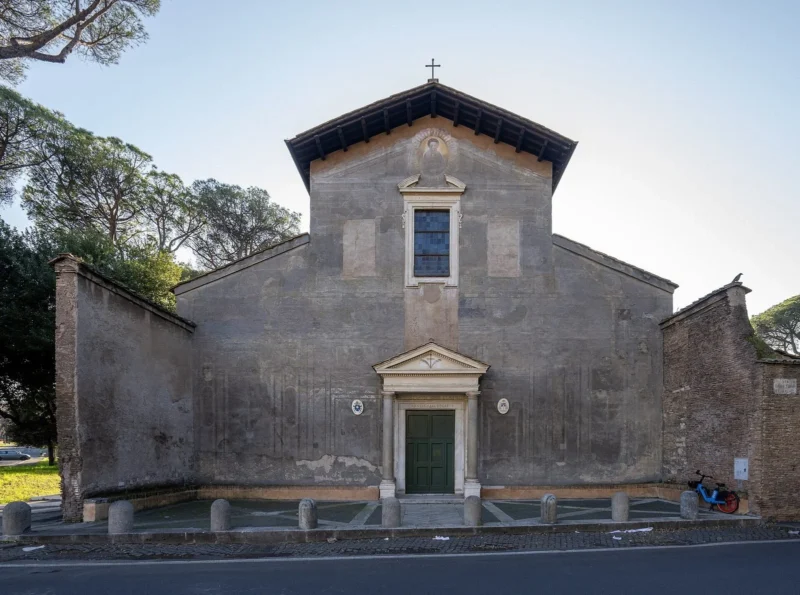
- Santi Nereo e Achilleo300 m
- Circus Maximus400 m
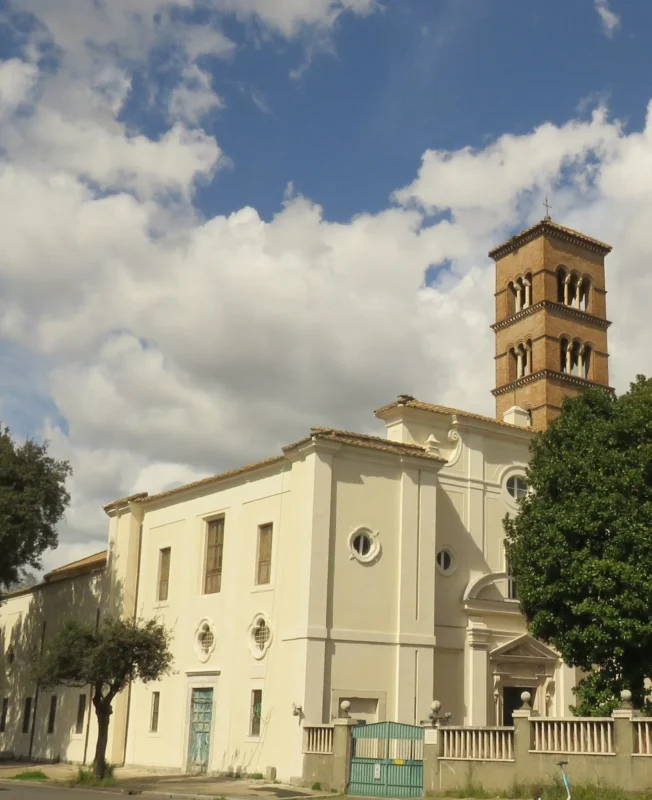
- San Sisto Vecchio400 m
- Caelian Hill400 m
- Villa Celimontana400 m

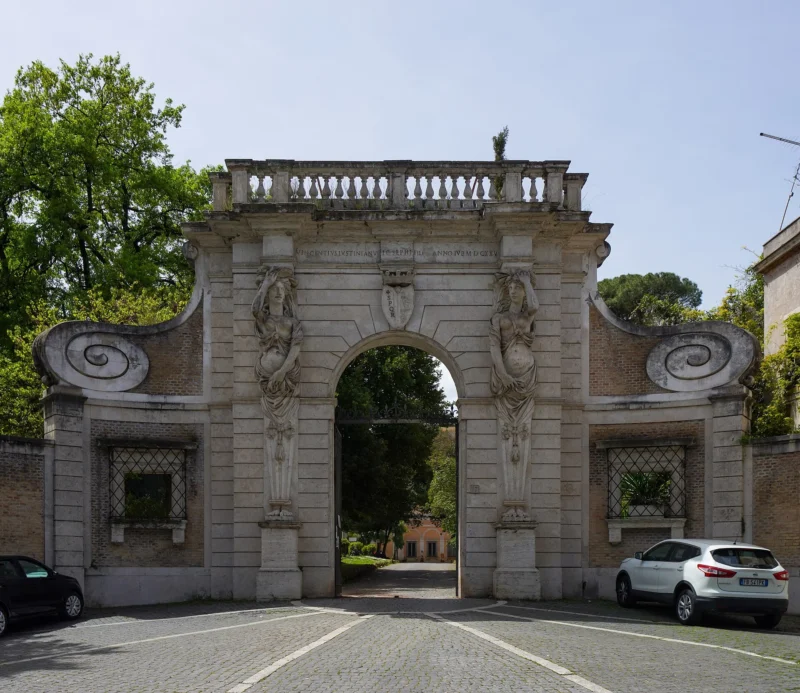

Upcoming events nearby
- Frank Horvat at the Baths of Caracalla, until January 10, 2027300 m
- Luca Moscariello, Quasi ombra at z2o Project, from October 1 to November 14, 2026700 m
- Circo Maximo Experience 2026 at the Circus Maximus, until December 31, 2026800 m
- Sun Hee You, Unlimited at Casa del Jazz, December 10, 2026900 m


You might also like
- Eurospin RomaOstia Half Marathon 2027 from EUR to Ostia, February 28, 2027
- Rome Marathon 2027, Run Rome The Marathon, Sunday, March 14
- Six Nations 2027 Rome at Olimpico: Italy’s matches in Rome, February 13, March 6 and 13
- Nubras Ensemble at Auditorium Parco della Musica, February 27, 2027
- Simone Avincola canta Carella at Auditorium Parco della Musica, February 26, 2027
- Mauro Di Maggio at Auditorium Parco della Musica, December 10, 2026