Canino
In short. Canino is a comune in the province of Viterbo, in the Lazio Maremma, and the town can be walked freely, with no tickets and no reservation.
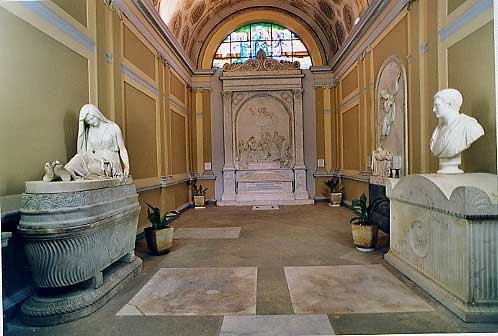
Canino is a comune in the province of Viterbo, in the Lazio Maremma, and the town can be walked freely, with no tickets and no reservation. The town hall is at Via Roma 2, 01011 Canino, with a switchboard at 0761 433998 according to the public relations office of the Province of Viterbo. The reason for the trip is the Collegiata dei Santi Giovanni e Andrea, on the main square, where Lucien Bonaparte rests, brother of Napoleon and Prince of Canino. Visiting hours for the church do not appear to be published.
The Lazio Region's tourism portal places Canino in Tuscia, between the sea, Monte Amiata and Lake Bolsena, on hills planted with vines and olive trees, 135 kilometers from Rome. In the municipal territory, shared with Montalto di Castro, lies the ancient Etruscan city of Vulci, with its park and the museum in the Abbadia castle. The town is also known for its extra virgin olive oil with protected designation of origin and for its green asparagus with protected geographical indication.
Data checked on September 29, 2026 on the Lazio Region tourism portal, on the Comuni page of the public relations office of the Province of Viterbo, on the Cotral website, on the Lazioturismo portal and in the local history studies of the Canino Info association, cited further on. Hours for the collegiata and the calendar of this year's festivals are not published in a stable way. For both, the channel is the town hall, at protocollo@comune.canino.vt.it or at the certified email comune.canino.vt@legalmail.it.
In brief: address, hours, ticket
- Address: Comune di Canino, Via Roma 2, 01011 Canino (VT). The collegiata is on the town's main square.
- Operator: Comune di Canino for the town and services, phone 0761 433998, protocollo@comune.canino.vt.it.
- How to get in: the historic center is open and is visited on foot. For the collegiata the hours are not published.
- Price: no ticket for the town. Vulci has its own operator and fares, to be checked with the park operator.
- Hours: not published for the collegiata. The town hall answers during office hours.
- How to get there: 135 kilometers from Rome according to the Lazio Region. Regional Cotral buses, with the Ricerca orari search engine or the toll-free number 800 174 471.
- Accessibility: the Comune does not publish information on accessible routes in the historic center.
Where it is and what you really see
Canino is in the hinterland of the Tyrrhenian coast, in the northwest corner of Lazio, toward the border with Tuscany. The territory is wide, more than 120 square kilometers according to Wikipedia, with about 5,000 inhabitants. The town occupies a modest rise, around 230 meters, surrounded by olive groves, fields and pastures. It is not a postcard hilltop village. It is a living farming center, with a compact historic core and a periphery of more recent houses.
What do you see, concretely? The Collegiata dei Santi Giovanni e Andrea, with the chapel of the Bonaparte family. The Palazzo Bonaparte, which the Region's portal attributes to the architect Valadier. The 12-sided fountain of the 1500s, which the Region and the Province assign to Jacopo Barozzi known as il Vignola. The Palazzo Comunale of 1696, the 15th-century Palazzo Miccinelli, the former convent of San Francesco. The Province also cites a Farnese castle renovated at the beginning of the 1800s.
The rest is landscape. The hills that slope down toward the Fiora river are covered with olive trees, and the Region recalls that the Etruscan finds of the territory already show olive-harvesting scenes. Outside the town, toward the southwest, is Vulci: the nature and archaeological park, the Abbadia castle with the Museo Archeologico Nazionale and the Ponte della Badia, also called the Ponte dell'Arcobaleno, over the Fiora gorge. For Vulci we refer to the site's dedicated page, with access and official channels.
Canino is not understood quickly, and not because it is big. The center can be walked in under an hour. What takes time is putting the layers together: Etruscan Vulci, the Farnese of the 1400s and 1500s, the Bonaparte prince of the 1800s, today's oil. Whoever arrives knowing what to look for finds a dense town. Whoever arrives unprepared sees a square, a neoclassical church and a few palaces, and leaves with the impression of an ordinary place.
The town is also a place people pass through. From here you go down toward Montalto di Castro and the coast, up toward Lake Bolsena, west toward the hills of the Tuscan Maremma. On weekdays life is that of a farming comune, with the town hall, the school, the services. On spring and summer weekends there is more traffic of people going to or coming back from Vulci. The historic center stays quiet all the same, frequented above all by those who live there.
The tour of the center starts from the collegiata square. From there you reach the buildings that the Lazio Region's portal lists among the town's architecture: the Palazzo Bonaparte, attributed to Valadier, the Palazzo Comunale built in 1696, the Palazzo Miccinelli from the second half of the 1400s and the former convent of San Francesco. Wikipedia adds the church of Santa Croce. These are buildings to look at from the outside: no official source indicates regular public opening for them.
The 12-sided fountain is the next stop, with its 12-sided shape that the Region and the Province tie to the name of il Vignola. The Province's page also recalls a Farnese castle renovated at the beginning of the 1800s, in the years of the Bonaparte principality. It is the material sign of the passage between the two families that made the town's history: first the Farnese residence, then the 19th-century arrangement wanted by the new lords.
The town hall, at Via Roma 2, holds according to the Province a historical archive and a municipal library. For those studying the town's history these are the places to contact in advance, because the Comune does not publish hours and consultation procedures. The channel is the Comune's registry office. Whoever is looking for material on the Bonapartes can start from the local history studies collected by the Canino Info association, which has devoted a series of contributions to the family.
In our judgment the historic center of Canino is best appreciated without hurry, between one stop and the next, looking at facades and squares more than hunting for famous monuments. There are no lines, no ticket offices, and the rhythm is that of a town where people live. An hour is enough for the full tour. Those who want more can stretch toward the olive groves on the edges of the built-up area, staying on public roads.
A curiosity about Canino
The Prince of Canino was not a local noble. He was Lucien Bonaparte, born in Ajaccio in 1775 and died in Viterbo in 1840 according to the Enciclopedia Treccani, Napoleon's younger brother. He received from the pope, in 1814, the title of Prince of Canino, writes the Treccani. The Lazioturismo portal recalls that at 25 he had been Minister of the Interior in France and then ambassador to Madrid. A man of the revolution and the empire thus ended up as prince of a farming town in the papal Maremma.
The second title came later. According to Wikipedia, in 1824 Pope Leo XII also named him Prince of Musignano, from the name of the estate where Lucien had settled, and in 1837 Gregory XVI conferred on him the title of Prince Bonaparte. The Lazio Region calls him Prince of Canino and Musignano. Two papal titles for the brother of the man whose troops had entered Rome in 1808. It is one of the paradoxes of 19th-century Italian history.
Third curiosity, on the contract. According to the local history study published by the Canino Info association, the deed of purchase of the Canino property was signed in Rome on February 27, 1808, before the chamber notary Nicola Nardi, with Lucien absent and represented by his attorney, the lawyer Pietro Benotti. The deed explains that the sale served to cover the costs of supplying the French troops, who had entered Rome on February 2 of the same year with General Miollis.
Last curiosity: the same source writes that Lucien came into possession of the estate as early as 1806, two years before the formal deed. Wikipedia speaks instead of a move to Canino in 1804. The sources do not agree on the date of arrival, while the 1808 of the notarial deed and the 1814 of the title are documented. The Region, on the Lazioturismo portal, sums it up this way: in 1808 he bought land in the Viterbo area at Canino and settled at Musignano.
One thing nobody tells you about Canino
The archaeologist prince is an overrated image. The Treccani recalls that in 1828 the digs on the lands of Canino brought to light a rich series of Greek vases from Etruscan tombs. The Region's Lazioturismo portal adds that Lucien studied and documented the finds, but also organized the large-scale looting of the tombs. In our judgment this is the correct reading: a large part of what came out of the soil of Vulci ended up on the market and far from Lazio.
Where did those finds end up? According to the study on the digs published by Canino Info, some vases from the Bonaparte collection are today kept at the British Museum in London and at the Antikensammlungen in Munich: Attic black-figure and red-figure kraters, hydriai and amphorae, and a bronze tripod. Whoever wants to see the Vulci of the 19th-century digs must therefore plan on distant trips, or settle for the museum in the Abbadia castle and the Etruscan collections of Rome.
Second thing rarely said: Lucien was not the only one digging. Wikipedia, in the Vulci entry, writes that the digs were organized by Alexandrine de Bleschamp, his wife, while Lucien financed them on his own land. The Canino Info study recalls that the marriage to Alexandrine was the cause of the rift with Napoleon. The woman the emperor didn't want in the family thus became one of the central figures of Vulci archaeology, and later the patron of the family chapel.
Third thing: Canino is often treated as Vulci's parking lot. Those who arrive by car from Rome follow the signs for the park, cross the town and don't stop. It's a mistake. Without Canino the story of modern Vulci remains incomplete: the dig lands belonged to the prince, the family that financed them is buried in the collegiata, and the sale of the estate to the Torlonia opened the season that led to the discovery of the Tomba François.
Why did the Bonapartes end up in Canino?
The answer goes through Rome and the papacy. Lucien had broken with Napoleon, and the Lazioturismo portal recalls that the two reconciled only in 1815. In the years of the rift Lucien lived in the pope's territories, and it was in fact a pope, in 1814, who gave him the title of prince according to the Treccani. In our judgment the purchase of a large estate in the papal Maremma, far from the court and from politics, answered a need for income and distance.
Canino, according to the Canino Info study, was then a wild place, malarial in summer and far from civilization. A place of farmland and hunting, more than of vacationing. Lucien settled at Musignano, according to the Region, and made the estate the base of his Italian life. The title of 1814 turned the private property into a principality, with a rank the family then used for generations, even outside Italy.
After Lucien's death, on June 29, 1840 in Viterbo according to Wikipedia, the estate passed to his son Charles Lucien. The Lazioturismo portal writes that it was he who sold the holdings to don Alessandro Torlonia. According to Canino Info, in 1853 Charles Lucien also ceded the family's honorary rights to Torlonia, and the Bonapartes found themselves without a chapel of their own in the collegiata. From this came the family chapel that can still be seen today.
The Bonaparte name, in Canino, remains on the territory in several places. The palace attributed to Valadier, the chapel in the collegiata, the Musignano estate, and according to Wikipedia also the titles, later passed to the Torlonia. In Rome the same surname is met at the Napoleonic Museum of Rome and at Palazzo Bonaparte in Piazza Venezia. Those following the family in Lazio can make Canino the farthest stop on the route.
My advice for visiting Canino
Put Canino and Vulci in the same day, but in this order: first the town, in the morning, then the archaeological park. The center can be walked in an hour, the collegiata and the chapel require attention and light, and the afternoon at Vulci can stretch out among the digs, the museum and the bridge. Doing the opposite means arriving in Canino tired and with the churches closed for the break, without the chance to understand what you are looking at.
Before leaving, write to the Comune. The collegiata's hours are not published, and a closed church is the main risk of a 135-kilometer trip. Ask if the church is open on the day you choose and if the Bonaparte chapel is accessible. The address is protocollo@comune.canino.vt.it, the phone 0761 433998. Alternatively, organize the visit around the Mass times, which must however be asked of the parish on the spot.
Read the history first. In town the panels are few, and without references the chapel looks like a set of 19th-century tombs. It helps to know three things: that Lucien was prince by papal title from 1814, that the chapel was wanted by the widow Alexandrine after the sale of the family rights to the Torlonia, and that the digs of Vulci were done on the prince's lands. With these references in mind, half an hour in the church is enough.
Do you pay anything to visit the town and the collegiata?
No. Canino is an open town, and the historic center is visited on foot without a ticket. The collegiata is a church, and the Comune does not publish tickets or paid visits for entering it. There is also no paid tourist product dedicated specifically to Canino to point out. The real limit is the hours: the church has to be found open, and those traveling from far away do well to ask beforehand at the town hall or the parish.
The situation changes for Vulci. The nature and archaeological park and the Museo Archeologico Nazionale in the Abbadia castle have their own operators, hours and fares, which change with the season. We don't report them here to avoid duplication. On the site you find everything on the page about Vulci, with the official channels for booking. For general information about the territory the institutional reference remains the Lazio Region tourism portal.
Those organizing an outing with an association, a parish or a class don't need permits to stroll in town. To enter the collegiata with many people, though, it's best to notify the parish, both for the opening and so as not to overlap with services. For events, filming or public initiatives in the historic center the reference is the Comune, through the registry office or the certified email comune.canino.vt@legalmail.it, a few weeks in advance.
Another well-known fact, yet rarely cited
Canino was a Farnese residence, and the Lazio Region writes that Alessandro Farnese, the future Pope Paul III, was born here in 1468. Wikipedia specifies the date, February 28, 1468. The fact is known to enthusiasts of the family, but is rarely linked to the Bonapartes. And yet the town has had two moments of European importance, three centuries apart: the birth of a Renaissance pope and the principality of Napoleon's brother.
The Farnese are the thread that ties Canino to the rest of Tuscia. The family built its power in this area, between Lake Bolsena and the coast, before arriving in Rome. Those who want to follow their traces find the duchy of Castro in nearby Ischia di Castro, the great palace of Caprarola in the Cimini mountains and, in Rome, Piazza Farnese and Palazzo Farnese.
The 12-sided fountain of the 1500s is the other sign of the Farnese season. The Region and the Province attribute it to Jacopo Barozzi, known as il Vignola, the architect who worked for a long time for the Farnese. The authorship, however, comes from an attribution and not from a document cited by the two sources. It's best to read it with caution: it is a fountain of learned design, consistent with the Farnese setting, but no official source reports the contract or the signed drawing.
The right photo to take at Canino
The photo that tells Canino is the facade of the collegiata on the square, with the central portal topped by the curved pediment and the two smaller portals at the sides, described by the Canino Info study. It works vertical, in the morning or late afternoon, when the side light gives relief to the cornices. At noon in summer the facade goes flat. A hazy day, for this subject, does better than a clear sky.
Inside the church, if it's open and there are no services, the right image is that of the Bonaparte chapel in the right transept, with Lucien's monument at the back and the tombs on the side walls. No flash, and before photographing it's best to ask whoever looks after the church. During Masses and celebrations photos are not taken. Respect for a place of worship comes before any framing.
Third choice: the 12-sided fountain, shot from far enough away to show its 12-sided shape and its relationship with the surrounding houses. Then, outside the town, the olive groves. In fall, during the harvest, the nets spread under the trees tell the territory better than any text. Photograph from the road, without entering private fields and without filming people at work without their consent.
How do you get there from Rome?
The distance given by the Lazio Region tourism portal is 135 kilometers. By car it's the most practical solution, because it lets you combine the town with Vulci, Lake Bolsena or the coast on the same day. The Comune does not publish a recommended route from Rome. It's best to set the navigator to the town hall, at Via Roma 2, and calculate the real times based on traffic leaving the capital.
By public transport the reference is Cotral, the regional intercity bus company. The site offers the Ricerca orari search engine, arrival forecasts at stops and a page for routes with transfers, and the toll-free number is 800 174 471. The Comune does not publish the lines that serve the town. It's best to search for the complete trip on the Cotral site by entering Canino as the destination.
The Comune does not indicate a reference train station for those arriving from Rome. Those combining train and bus must check the connections on Cotral's search engine before leaving, because on holidays and weekends intercity runs are reduced. To get back to Rome in the evening it's best to check the last useful run. Those moving without a car would do well to choose a weekday and to leave early.
Some important events that happened here in history
The history of Canino, writes Wikipedia, is tied from the beginning to that of nearby Vulci, of which the town was first an agricultural center. In the 1400s the town was a Farnese residence, and in 1468, according to the Lazio Region, Alessandro Farnese, the future Paul III, was born there. The Region also dates the Palazzo Miccinelli to the second half of the 1400s. In the 1500s the 12-sided fountain attributed to il Vignola is placed. In 1696 the Palazzo Comunale was built.
At the end of the 1700s the collegiata arrives. According to the Canino Info study the construction of the present building began in 1783, with structural changes between 1793 and 1796, to a design by the architect Giuseppe Camporese. The Province of Viterbo dates it to the late 1700s and recalls paintings inside by Domenico Corvi and Monaldi. It is the church that Lucien Bonaparte found on his arrival and that became the family's burial place.
On February 27, 1808 the deed of purchase of the estate by Lucien was signed in Rome, according to Canino Info. In 1814 came the papal title of Prince of Canino, documented by the Treccani. In 1824, according to Wikipedia, that of Prince of Musignano. In 1828 the digs began on the prince's lands, with the finding of Greek vases in the Etruscan tombs. On June 29, 1840 Lucien died in Viterbo.
In 1853, according to Canino Info, his son Charles Lucien ceded the family's honorary rights to Alessandro Torlonia. The following year, in 1854, the widow Alexandrine completed at her own expense the new family chapel in the collegiata, where Lucien's ashes were transferred. She was laid there in 1855. In 1857, writes Wikipedia, the Tomba François was discovered at Vulci, on lands by then passed to the Torlonia according to the Lazioturismo portal.
Who has passed through Canino
The first name is that of Alessandro Farnese, born here in 1468 according to the Lazio Region, cardinal and then pope under the name Paul III. With him the Farnese family, which had one of its residences in Canino. Then Jacopo Barozzi da Vignola, to whom the Region and the Province attribute the 12-sided fountain. In the late 1700s Giuseppe Camporese, the architect of the collegiata, whom the Canino Info study places among the few mature neoclassicists of Lazio.
Then the Bonapartes. Lucien, Prince of Canino and Musignano. Alexandrine de Bleschamp, the second wife, who organized the digs at Vulci and wanted the chapel. His son Charles Lucien, who sold the estate to the Torlonia. The first wife Christine Boyer, the father Charles Bonaparte and the son Joseph, remembered in the chapel with cenotaphs and reliefs. Alongside them Louis Maria Valadier, who according to Canino Info prepared drawings and inscriptions for the catalog of the digs.
The sculptors of the chapel are a chapter of their own. According to the history and catechesis blog gliscritti.it, the main monument is by the Florentine Luigi Pampaloni, the cenotaphs of Christine Boyer and Charles Bonaparte are by Massimiliano Laboureur, and the relief for the son Joseph is attributed to the school of Canova. To the Palazzo Bonaparte the Region ties the name of Valadier. In the 1800s Canino thus drew artists of Roman caliber.
Finally the Torlonia. Don Alessandro Torlonia bought the Bonaparte holdings, according to the Lazioturismo portal, and with them came the season of the Tomba François, whose frescoes, writes the same source, are kept at Villa Albani Torlonia in Rome, private property not open to the public. The family that in Rome tied its name to Villa Torlonia on the Nomentana thus also had a role in the history of Canino.
What do you see in the collegiata and in the Bonaparte chapel?
The church is dedicated to the apostles John and Andrew, as the Latin inscription on the facade, transcribed by Giulia Item's study for Canino Info, recalls. The present building was designed by Giuseppe Camporese, an architect active in Lazio between the 1700s and 1800s, whom the same source places among the few mature neoclassicists, alongside Valadier, Stern and Simonetti. Work began in 1783 and continued with structural changes between 1793 and 1796.
The facade is the first thing to look at. Canino Info describes it with a central portal of 16th-century layout topped by a curvilinear pediment and two smaller portals at the sides. Inside, the church has three naves with side chapels. It is a sober architecture, far from Roman Baroque, conceived for a provincial farming community. Its interest lies in the measure and coherence of the layout more than in the richness of the decoration.
For the paintings the source is the Comune's page on the Province of Viterbo website, which recalls inside the monuments of the Bonaparte family and paintings by Domenico Corvi and Monaldi. The detail of the works, with subjects and placement, is not published by the Comune. Those interested in 18th-century Roman painting would do well to ask at the parish which canvases are visible and in which chapels they are, because restorations and moves can change the situation.
A practical tip for the visit: enter by the central nave, walk the side chapels and leave the right transept with the Bonaparte chapel for last. The order helps you understand that the chapel was inserted into an already existing church, turning an altar dedicated to the Madonna del Buonconsiglio into a family tomb. It's a reading that is lost if you go straight to the funerary monuments, as most people who come in do.
The chapel is in the right transept of the collegiata, in a space that was previously dedicated to the Madonna del Buonconsiglio, according to Giulia Item's study published by Canino Info. The Latin inscription in the center bears the year 1854 and recalls that Lucien's widow oversaw the work with her own funds. The space is rectangular, with the main monument at the back and the tombs on the side walls, describes the blog gliscritti.it.
Who is buried there? Lucien Bonaparte, whose ashes were transferred in 1854, and his wife Alexandrine, laid there in 1855, according to Canino Info. The other members of the family are remembered with two cenotaphs, one for his father Charles Bonaparte and one for his first wife Christine Boyer, and with a bas-relief dedicated to his son Joseph. Lucien's monument shows a bas-relief of the prince on his deathbed, according to the blog gliscritti.it.
On the date of the main monument the sources do not agree: gliscritti.it dates it to 1846, the Canino Info study to 1847. Both assign it to Luigi Pampaloni. The monument is therefore earlier than the chapel, and was placed in the new arrangement wanted by Alexandrine. For visitors, it helps to know that this is a coherent 19th-century funerary complex, not an isolated tomb: it's worth reading it as a single family project.
What is the relationship between Canino and Vulci?
What the sources say: the ancient Etruscan city of Vulci lies in the territory of Canino and Montalto di Castro, writes Wikipedia, and the Lazio Region presents it among the places of Canino, with the Abbadia castle housing the Museo Archeologico Nazionale and the Ponte della Badia over the Fiora. The castle, again according to Wikipedia, arose in the 12th century next to the bridge. The Etruscan city was the center of the territory, and Canino was born as its agricultural center.
What the 19th-century tradition says: the patron prince who brought Etruria back to light. It is the story born with the dig catalogs and with the collections that ended up in European museums. What remains to be read with caution: the Region itself, on the Lazioturismo portal, speaks of large-scale looting. The two images coexist, and the visit to Vulci is the best way to understand how much of the grave goods stayed on site.
For everything concerning the visit to the park and the museum, hours, fares, trails, the waterfall on the Pellicone pond that the Region mentions in the park, we refer to the page on Vulci. Here one practical indication is enough: the park and the town combine well on the same day. Those who want to complete the Etruscan picture in Rome find the collections of the National Etruscan Museum of Villa Giulia.
Why does Canino oil have the PDO and when is it celebrated?
Canino extra virgin olive oil has received the protected designation of origin, writes Wikipedia, and the Lazio Region describes it with a slightly fruity aroma and a bitter, peppery aftertaste. The Region also notes a Strada dell'Olio DOP di Canino, an itinerary dedicated to the product. The hills around the town are covered with olive groves, and the harvest, in fall, changes the rhythm of farm life.
The festival tied to the oil is the Sagra dell'Olivo. The Lazio Region tourism portal places it in the first days of December, when harvest and pressing are at their peak, and on the Comune's website the programs of past editions and notices for organizing the sagra appear. Dates and program change every year: they must be asked of the Comune before leaving, through the registry office or the town hall's certified email.
The Region also indicates a festival dedicated to the green asparagus of Canino, in April, the celebrations for San Clemente on the second Sunday of September and the feast of Sant'Antonio Abate in January. For the asparagus Wikipedia recalls the protected geographical indication. For these festivals too the dates for the year must be confirmed with the Comune. In our judgment December, with the new oil and the countryside in full activity, is the month that tells the town best.
The link between the territory and the olive tree is ancient. The Lazio Region portal recalls that the Etruscan archaeological finds of the area show olive-harvesting scenes, a sign that cultivation was already widespread when Vulci was a living city. Today the landscape around the town is made mostly of olive groves, and those who arrive in fall see the nets spread under the trees and the mills at work. It is the period when Canino shows its agricultural identity without needing explanation.
When is it closed and what shouldn't you expect?
The town does not close: the streets and squares are always accessible. What can be closed is the collegiata, for which no visiting hours are published. Churches in small towns often open only for services or in narrow windows of the morning and late afternoon. The town hall follows office hours, and on holidays the reference for information becomes email.
What shouldn't you expect? A Bonaparte museum in town: the Comune doesn't list one open with regular hours. A visitor center with panels and marked routes: information on the spot is scarce. A Bonaparte palace visitable inside: the Region mentions it among the town's architecture, not among the places open to the public. And not a hilltop medieval village either, because Canino is above all an agricultural center of hilly plain.
Don't expect to see the finds of the 19th-century digs in Canino either. The best-known pieces of the Bonaparte collection are in London and Munich, according to the Canino Info study, and the frescoes of the Tomba François at Villa Albani Torlonia, according to Lazioturismo. On the spot remains Vulci, with its park and the museum in the castle, to be visited at the hours published by the operator.
A note on the climate. In summer the hills of the Lazio Maremma are very hot with little shade, and at Vulci the outdoor route requires water and sun protection. In winter the days are short and the park closes early. Spring and fall are the most suitable seasons, with the addition of December for those looking for the harvest period. In case of bad weather it's best to ask the Comune if there are notices or closures.
A last warning about names. Canino should not be confused with Castro, the ancient Farnese city tied to nearby Ischia di Castro, nor with Musignano, which is the estate where Lucien lived and not a second town to visit. In guides and maps the three names often appear together, and whoever plans the day risks looking for monuments in the wrong place. For Castro the reference is the page on Ischia di Castro.
Eating in the area
Canino is a farming town, with low tourist pressure and places designed mainly for those who live and work there. The traps of tourist centers are rare here, but some rules hold everywhere. The menu with photos of the dishes, items without prices, a different menu outside and inside, the barker on the sidewalk are signals to take seriously even in the provinces, especially on festival days.
On sagra days and on the weekends of heaviest traffic toward Vulci and the coast, a few places adapt their offering to the passing public. The Romans who frequent the Maremma know this and adjust accordingly: they choose places where the townspeople eat, with a short menu tied to the season and prices clearly written, and distrust kitchens open continuously with no break.
Oil is the product to look for, along with green asparagus in spring. The Region lists a Strada dell'Olio DOP di Canino as an itinerary dedicated to the product, and the best time to taste the new oil is the beginning of winter. To find addresses selected with care there is the list of addresses on Google Maps, also useful for organizing the day among Canino, Vulci and the coast.
What to combine in a day
Canino lies at the point where the Viterbo Tuscia slopes down toward the Maremma. The Lazio Region portal describes it between the sea, Monte Amiata and Lake Bolsena, and Wikipedia indicates the regional road 146 Castrense as the territory's main route of communication. It is a border position: to the west the hills look toward Tuscany, to the south the plain heads toward Montalto di Castro and the Tyrrhenian coast, to the east you climb toward the volcanic lakes.
This position explains the town's history. The Etruscans of Vulci controlled the Fiora valley and the access to the sea. The Farnese built here, between Canino and Castro, the base of their power before reaching the papacy. The Bonapartes sought in this distant countryside an estate and a title. Every era has used the territory for different reasons, and the town keeps the signs of all of them, with none prevailing over the others.
For travelers, Canino works as a base for the less-visited western Tuscia. From here you can quickly reach Vulci, Ischia di Castro, Lake Bolsena and the Montalto coast. In our judgment it is a better choice than Viterbo for those who want to focus on coastal Etruria and the Farnese, while the provincial capital remains more convenient for the Cimini mountains and the Tiber valley. It's best to choose the base according to the itinerary, not the fame of the places.
The natural pairing is Vulci, with the park, the museum in the Abbadia castle and the bridge over the Fiora. Those with time left can go up toward the northeast as far as Ischia di Castro, the town tied to the Farnese duchy of Castro. Farther east you meet Tuscania, and then Viterbo, the provincial capital, where Lucien died.
To the north you reach Lake Bolsena, which the Region indicates among the ideal boundaries of the Canino territory. On its shores are Bolsena, Grotte di Castro and, on the hill overlooking the lake, Montefiascone. Farther up, toward Tuscany, Acquapendente. It is an itinerary that easily fills a second day.
Those following the Farnese can move toward the Cimini mountains: Caprarola with its palace, Lake Vico, Villa Lante at Bagnaia and the Park of the Monsters at Bomarzo. From there, toward the Tiber valley, Civita di Bagnoregio and Castiglione in Teverina. These are stops far from Canino, suited to a multi-day trip in Tuscia.
On the way back to Rome you can slot in the towns of southern Tuscia: Sutri, Bassano Romano and Civita Castellana. Those returning from the coast find the Santa Severa Castle, on the sea, and farther inland the village of Ceri. Toward Lake Bracciano, the Castello Odescalchi and Trevignano Romano.
In Viterbo, for those who stay a night, there are the Monastero di Santa Rosa and the Macchina di Santa Rosa. In Rome, to close the Bonaparte thread, the Napoleonic Museum and Palazzo Bonaparte. For the Etruscan thread the Villa Giulia Museum and the State Museums of Rome. It is the way to hold together, over several days, the Canino of the Farnese, the Bonapartes and the Etruscans.
Frequently asked questions
Where is Lucien Bonaparte buried?
In the family chapel, in the right transept of the Collegiata dei Santi Giovanni e Andrea in Canino. According to the Canino Info study his ashes were transferred to the new chapel in 1854, when the widow Alexandrine completed the work at her own expense. She was laid there in 1855. In the chapel there are also the cenotaphs of his father Charles Bonaparte and his first wife Christine Boyer, and a relief dedicated to his son Joseph.
Is the collegiata of Canino open?
The collegiata's visiting hours are not published by the Comune. Like many churches in small towns, it may open mainly for services. Before leaving it's best to ask the town hall, at 0761 433998 or at protocollo@comune.canino.vt.it, or the parish on the spot. During Masses and celebrations the visit to the Bonaparte chapel should be put off, out of respect for those taking part in worship.
Why was Lucien Bonaparte Prince of Canino?
Because the pope conferred the title on him in 1814, according to the Enciclopedia Treccani. Lucien had bought the Canino estate with a deed signed in Rome on February 27, 1808, according to Canino Info, and had settled at Musignano. In 1824, according to Wikipedia, he also received the title of Prince of Musignano from Leo XII. The titles, after the sale of the holdings, passed to the Torlonia.
Is Vulci in Canino or in Montalto di Castro?
In both comuni. The ancient Etruscan city of Vulci extends into the territory of Canino and Montalto di Castro, according to Wikipedia, and the Lazio Region presents it among the places of Canino. The nature and archaeological park and the Museo Archeologico Nazionale in the Abbadia castle have their own operators, hours and fares. All the practical information is on the site's Vulci page, with the official channels for booking.
What can you do in Canino in half a day?
In half a day you walk the historic center and visit the collegiata, if open. It's best to start from the square, go into the church and stop at the Bonaparte chapel in the right transept, then reach the 12-sided fountain and look from outside at the Palazzo Bonaparte and the Palazzo Comunale. With the other half of the day you go down to Vulci, for the park and the museum in the Abbadia castle.
How much does it cost to visit Canino?
Nothing. The town is visited on foot without a ticket, and the Comune lists no fares for the collegiata. What you do pay for is the Vulci park and museum, according to the fares published by the operator. Those arriving by car must consider the cost of fuel for 135 kilometers each way, while those using Cotral buses find the fares on the regional company's website.
How do you get to Canino from Rome without a car?
With the intercity buses of Cotral, the Lazio regional company. The Comune does not publish the lines that serve the town, so it's best to use the Ricerca orari search engine on the Cotral site, entering Canino as the destination, or call the toll-free number 800 174 471. On holidays the runs are reduced, and for the return to Rome the last run of the day must be checked carefully.
When is the Sagra dell'Olivo held in Canino?
The Lazio Region tourism portal places it in the first days of December, in the period when harvest and oil production are at their peak. On the Comune's website the programs of past editions and notices for the organization appear. The exact dates change every year and must be asked of the town hall before leaving. The Region also notes the green asparagus festival, in April.
Where was Pope Paul III born?
According to the Lazio Region tourism portal, Alessandro Farnese, the future Pope Paul III, was born in Canino in 1468, when the town was a residence of the Farnese family. Wikipedia gives the date of February 28, 1468. Those who want to follow the history of the Farnese in Tuscia can combine Canino with Ischia di Castro, tied to the duchy of Castro, and the palace of Caprarola in the Cimini mountains.
Who wrote this and on what sources
The text comes from the editorial team of Tour Leader Pro, the Roman outfit that designs itineraries, visits and cultural events between Rome and Lazio. Fares, hours and access arrangements reported here come from the official sources cited in the text as of the date given at the opening: for Canino the authorities are the Comune's page on the Province of Viterbo website and the Region's tourism portal. Let us know what you find changed.
Organizing a day in Canino means working on the fit of the pieces: the distance from Rome, the collegiata's hours to be asked in advance, the fares and hours of Vulci, the Cotral runs for those who don't drive, the olive harvest period. For those who design outings of this kind, a useful resource for those who organize group trips is Tour Leader Pro, with tools designed to coordinate visits and itineraries.
Canino is a gateway to the less-trodden Tuscia, made of Etruscan cities, Farnese fiefs, volcanic lakes and olive groves sloping down toward the sea. Putting together Vulci, Lake Bolsena, the Cimini mountains and the coast takes a few days and a bit of planning, and a useful resource for building a multi-day itinerary is Italy Planner.