Teatro India
In short. Teatro India is at Lungotevere Vittorio Gassman 1, 00146 Rome, on the right bank of the Tiber across from the Gasometer, and it is the second venue of the Fondazione Teatro di Roma after the Argentina.
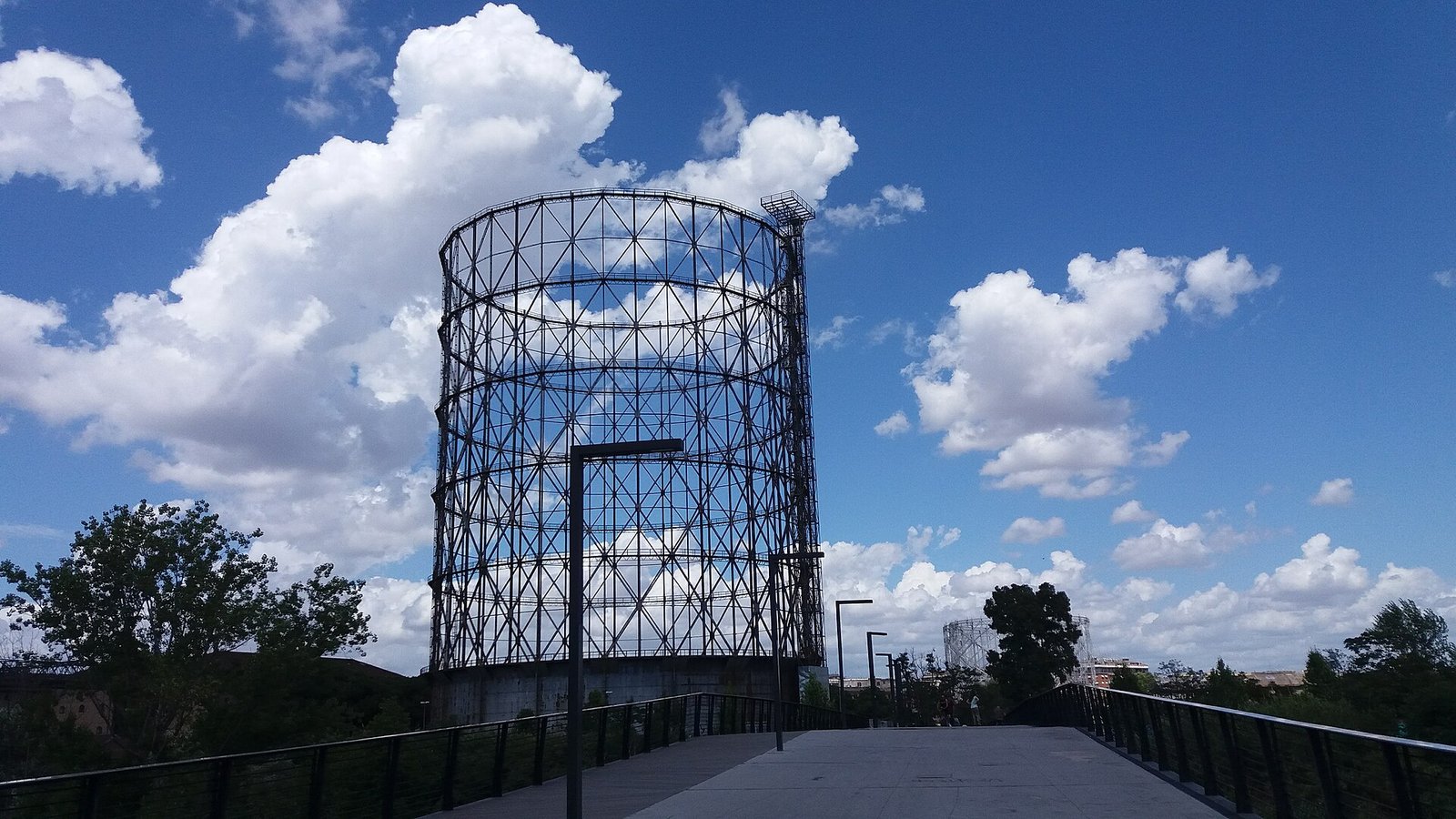
Teatro India is at Lungotevere Vittorio Gassman 1, 00146 Rome, on the right bank of the Tiber across from the Gasometer, and it is the second venue of the Fondazione Teatro di Roma after the Argentina. You get in only with a ticket for a show: a single numbered seat costs €22 full price and €18 reduced, €12 for university students, sold online on Vivaticket, at the Argentina box office or on site on performance days.
It's not a monument you visit during the day at fixed hours. It's a former soap factory turned into a theater in 1999, with three halls carved out of the sheds and an open-air space that becomes an arena in summer. The Lungotevere box office opens only on show days, two hours before the start. On other days the theater is closed and from outside you see dark bricks, pitched roofs, the river.
Data checked on September 29, 2026 on the Fondazione Teatro di Roma website, in the pages on ticketing, fares, accessibility and the program, and on the Rome city tourism portal. The 2026-2027 season program is already published for the Ostiense hall, from October to the end of May. Before you set out, check the page for the individual show anyway, because start times and halls can change from one production to another.
At a Glance: Address, Hours, Ticket
- Address: Lungotevere Vittorio Gassman 1, 00146 Rome. The city tourism portal also lists Via Luigi Pierantoni 6, where the barrier-free entrance is.
- Operator: Fondazione Teatro di Roma, Teatro India box office 06 87752210, central box office 06 684000311 and 06 684000314, biglietteria@teatrodiroma.net.
- How to get in: only with a ticket for a show or a scheduled event. No free visits.
- Price: single numbered seat €22 full price, €18 reduced, €12 university students. Outdoor area €15 full price, €10 reduced.
- Hours: on-site box office open only on show days, two hours before the start. At the Argentina, Monday to Saturday from 11:00 to 19:00.
- Getting there: the operator doesn't publish recommended lines. On foot from the Ostiense side you cross the Tiber on the Ponte della Scienza, a pedestrian and bike bridge.
- Accessibility: entrance from Via Luigi Pierantoni, parking in the reserved outdoor area, dedicated seats in Hall A and Hall B.
Where It Is and What You Actually See
The theater faces the Lungotevere at the Ponte della Scienza, the footbridge that the city tourism portal places between the Ponte dell'Industria and the Ponte Marconi, on the bank opposite the Ostiense neighborhood. The Teatro di Roma puts it at the crossroads of Testaccio, Ostiense and Marconi, and the description holds up: across the river you see the Gasometer. The city portal assigns it to the Ostiense, Garbatella and San Paolo area.
The main building is a three-aisle shed covered in dark bricks, with pitched roofs and wood and iron beams, as the operator describes it. There are no monumental facades, columns or stuccoes. If you arrive expecting an Italian-style theater with boxes and velvet, you'll be thrown off, and that is exactly the intended effect: the factory has stayed a factory, with the seating built inside the memory of the work and not on top of it.
There are three halls and they have modular spaces. The operator explains that the layouts change: frontal stage, circular action, itinerant shows, multi-level productions. The official pages name Hall A and Hall B, while the third appears without a name of its own. Capacities are not published, because they vary with the staging. To know where you'll sit, read the page for the show and the seat shown on the ticket.
Outside is the part that many Romans know better than the stalls: the open space on the river. In the 2026 summer program the Teatro di Roma calls it the Arena del Teatro India, next to a second space called Canneto, devoted to the new generations. In the cold months the outside is just a place to pass through, while in summer it becomes the heart of the evening program.
The bar inside, listed by the city tourism portal, is the gathering point before the show and during intermissions, when there are any. Hours and price list are not published by the operator. If you come straight from work, think of it as a place for a coffee or a bottle of water, not for dinner: to eat in peace the choice is wider on the Ostiense bank, before you cross the river.
Don't underestimate the context. The theater faces a busy Lungotevere, not a pedestrian square, and the arrival has little of the stroll through the historic center. It's an area of sheds and converted production spaces, with the river as the only open horizon. On the other side of the Ponte della Scienza, instead, starts the Ostiense area that the city associates with Roma Tre University, busier in the evening too.
A Curiosity About Teatro India
The name has nothing exotic about it and nothing to do with the subcontinent. According to the Teatro di Roma, it was chosen by Mario Martone, then artistic director of the Fondazione, so that the name of a country would echo that of the Teatro Argentina, the historic venue in Largo di Torre Argentina. A pair of halls named after faraway countries, then, conceived as a play of mirrors between the theater in the center and the new one on the river.
The game still works. In Rome people say "andiamo all'India" the way they say "andiamo all'Argentina," without thinking about geography. The name, though, can make you think of an Indian theater, a series of Eastern dance, a community cultural center. It is none of this: it's a public theater of the city, with a program of Italian and international prose and contemporary dance.
The second curiosity is about ownership. The operator says that in 1913 the City of Rome had already acquired the factory and started producing glycerin there. Then the plant grew with soap, merged into Mira Lanza, closed. In 1999 the City bought the area back to make it a theater. The same building, that is, went back into public hands twice in less than a century, for opposite reasons.
One Thing Nobody Tells You About Teatro India
The ticket costs less than many imagine. The single numbered seat is €22 full price, the reduced drops to €18, and for university students the fare is €12. The seat is numbered but single, so there are no pricier sections and second-class ones. If you associate public theater with gala-evening prices, you've got the wrong address: here you see national and international productions for the cost of a quick dinner.
The second unspoken thing is about the box office. The one on the Lungotevere doesn't open every day: it works only on show evenings and only two hours before the start. If you stop by in the morning to buy ahead, you'll find it closed. The operator says India tickets can also be bought at the Argentina, Monday to Saturday from 11:00 to 19:00, and online on Vivaticket. For premieres and for titles with well-known actors, it's better to move early.
Third point, little publicized: reservations that aren't picked up expire. The box office rules say reserved tickets must be collected within an hour of the start of the show, then the system cancels the reservation automatically. Once issued, the ticket can't be changed or canceled. In plain terms: if there's traffic on the Lungotevere and you arrive late with a simple reservation, the seat may already be back on sale.
How Did the Factory Come About and Become a Theater?
The story the Teatro di Roma publishes begins in the early 20th century with the Mira factory, built by the engineer Giulio Filippucci on the bank of the Tiber to produce chemicals. The operator describes today's building as a three-aisle theater, covered in dark bricks, with pitched roofs and wood and iron beams. Those aisles are the shell of the old factory: the theater was built inside it, without erasing its shape.
After the City's purchase, in 1913, the plant started with glycerin, then moved on to soap and expanded. The operator speaks of a real soap war with a Piedmontese company, ended with the merger of the two companies: from there the Mira Lanza brand was born, the name still associated today with the former factory. The Roman plant closed in 1952, and with the closure its industrial history ended.
In the following years the sheds had a second use, closer to their final destiny. The city tourism portal says that in the 1950s they became warehouses of the Rancati company, specialized in theater and film props. For decades, then, sets, furnishings and stage objects were stored inside those aisles. The theater, before arriving there with its actors, had already arrived with its materials.
The turning point came in 1999. The City of Rome bought the area in the spring, according to the tourism portal, and the Teatro di Roma inaugurated the new venue on September 7 of the same year. Other accounts place the inauguration in December: the sources don't agree, and the operator's official date remains September 7, 1999. The restoration kept the industrial structure in view, without disguising it.
My Advice for Visiting Teatro India
My advice is to choose the show and not the evening. At India the program mixes established authors, young companies, contemporary dance and foreign guests, and the level of comfort changes a lot from one title to another. Read the show page on the Teatro di Roma website before buying: hall, start time, credits, any warnings. A foreign show in the original language, for example, should be chosen knowing if there are surtitles.
Arrive with at least half an hour of margin, especially if you have only reserved. Traffic on the Lungotevere is unpredictable and parking along the road is not guaranteed. If you can, come on foot or by bike from Ostiense over the Ponte della Scienza, which the city tourism portal lists as a pedestrian and bike bridge. The view of the Gasometer as you cross the river at sunset is worth the choice by itself.
For the summer season, finally, bring an extra layer. The open-air space is on the river and after 22:00 the humidity makes itself felt even in July. Mosquitoes are part of the river landscape, and a repellent saves you from spending the show slapping your ankles. Water yes: on hot evenings drinking before and while you wait is not a detail, and a bottle filled before you leave saves you lines at the bar.
A last tip for those coming from outside Rome with only one free evening. Open the single calendar of the Teatro di Roma, filter the dates of your stay and compare India with the Fondazione's other halls. If on the same evening there's a title at India, pick that one even at the cost of giving up a more famous name in the center: the place, by itself, is part of the show, and you don't often get to see theater inside a factory on the river.
How Much Does It Cost and How Do You Book?
The fares published by the Teatro di Roma for India are simple: single numbered seat at €22 full price and €18 reduced, outdoor area at €15 full price and €10 reduced, €15 for performing arts workers, €12 for university students. For children's theater the prices drop to €10 for adults and €7 for children, €6 for schools. The page doesn't say which season they refer to, so the sheet for the individual title is what counts.
You really buy in three ways. Online on the Fondazione's official channel on Vivaticket, the circuit listed on the Teatro di Roma box office page. At the Teatro Argentina box office, in Largo di Torre Argentina 52, Monday to Saturday from 11:00 to 19:00, on Sunday three hours before the show. Or at the Lungotevere box office, open only on performance days, two hours before the start. Both box offices accept card payments.
| Fare at Teatro India | Price |
|---|---|
| Single numbered seat, full price | €22 |
| Single numbered seat, reduced | €18 |
| Outdoor area, full price | €15 |
| Outdoor area, reduced | €10 |
| Performing arts workers | €15 |
| University students | €12 |
| Children's theater, adults and children | €10 and €7 |
For the summer evenings of the India Città Aperta festival 2026, from July 14 to 31, the operator had set a different rule: most events free of charge, paid shows at a single price of €10 with no reductions, and for the new generations €10 for adults, €7 for children, €3 with the Sciroppo di teatro voucher. The conditions for summer 2027 are not yet published.
For frequent theatergoers there are the TdR Card and the subscription, which the Teatro di Roma describes in dedicated box office pages. Conditions change from one season to the next, so read them on the site before buying. For questions about reductions, reserved seats and ticket pickup, the operator lists the email biglietteria@teatrodiroma.net and the numbers 06 684000311 and 06 684000314, plus the India box office phone, 06 87752210.
Which channel to choose depends on the title. For premieres, very well-known actors and weekend performances, it's better to buy online as soon as sales open, because the best seats of the single numbered seating go first. For midweek performances by lesser-known companies, instead, the Lungotevere box office two hours before is almost always enough. If you live or work in the center, you can stop by the Argentina and settle everything at the counter.
The Fondazione's FAQ mention discounts for under 35s, without detailing on the same page the conditions valid at India. My advice is to ask at the box office when you buy which reduction applies, bringing an ID or the university card for the student fare. Reductions apply at the time of issue: afterwards, as said, the ticket can't be changed or canceled.
To buy online the tickets for the performances in Hall A, including the Romaeuropa Festival shows hosted at India, you'll find the Teatro India Hall A page on Vivaticket, the same circuit the Teatro di Roma lists for online sales. It's an affiliate link: if you buy from there Estate Romana receives a small commission, while the price for you stays the seller's. Before paying, check hall, date and time.
What Does the 2026-2027 Program Announce?
In the 2026-2027 season the India program published by the Teatro di Roma opens from October 8 to 11 with Anche in casa si possono provare emozioni forti, directed and written by Caterina Filograno. Next come Gli elefanti nella stanza by and with Francesca Astrei, from October 17 to November 1, and Gone by the company Kepler-452, from October 28 to November 1. In November Pascal Rambert arrives with Viaggio a Hong Kong, performed by Sandro Lombardi, from the 3rd to the 8th.
Also in November the program announces two dance titles, Bodies on Glass choreographed by Diego Tortelli, on the 18th and 19th, and Amae no Kōzō by Borna Babić and Eliana Stragapede, on the 21st and 22nd. From November 25 to 29 I am the Wind by Jon Fosse is on stage, directed by Gábor Tompa. After the winter break it starts again from January 27 to 31 with Lu Santo Jullàre Francesco by Dario Fo and Franca Rame, directed by and starring Matthias Martelli.
February and March bring Vorrei una voce by and with Tindaro Granata, with songs by Mina, from February 9 to 14, and The Body of an American by Dan O'Brien, directed by Jacopo Gassmann, from February 20 to 28. From March 6 to 14 Lino Guanciale directs Flusso by Christian di Furia, with Gianmarco Saurino on stage. From March 17 to 21 it's the turn of Madri by Diego Pleuteri, directed by Alice Sinigaglia.
Spring is largely devoted to dance. From May 4 to 15 the program announces the titles of Capitale Danza 2027, including Crocodile by Martin Harriague on May 7 and 8 and La mezzanotte della danza, curated by Gabriella Stazio, on the 6th. From May 19 to 23 comes Resteremo per sempre qui buone ad aspettarti by Diego Pleuteri, directed by Leonardo Lidi. The season in the hall closes on May 25 and 26 with Reminiscencia.
In the rest of the season there are other titles to note. In November, from the 11th to the 15th, La firma by Valerio Vestoso with Antonio Bannò. From March 3 to 7 La Firma. Non ti fidare, from the book by Claudio Fava, with Ninni Bruschetta and Federica De Benedittis. In April the Bellini Teatro Factory brings Neanche parenti from the 1st to the 4th and Asfalto, choreographed by Michela Lucenti, from the 2nd to the 4th. From April 13 to 18 Lettera di una sconosciuta from Stefan Zweig, directed by Davide Sacco.
On April 23 and 24 the program announces Crazy Grass, from the text by Yordan Radichkov, in the stage version by Margarita Mladenova. Among the Capitale Danza 2027 titles there are also In relation to whom? on May 4 and 5, Rendez-Vous on the 11th and 12th, Outbreak by James Florendo on the 14th and 15th. Outside the series, on May 16, Cuor di coniglio by the Compagnia Dimitri/Canessa. From May 21 to 23 Logorante, ma vivo is on stage, with Sara Valerio.
How do you choose from such a long list? In our view it pays to alternate a name you already know with one you've never heard of, because India is at its best in discovery. Dance titles often have only one or two performances, so they should be locked in first. Prose with well-known TV actors, on the contrary, tends to sell out weekend seats: if the calendar allows, aim for weeknight evenings.
The overall picture is the one the Fondazione presented under the title Il teatro è vita: a season across four halls, the Argentina in Largo Argentina, India, the Torlonia inside Villa Torlonia and the Valle, which reopens as the home of playwriting. Having read the program, for India this means staying the hall for the contemporary, for emerging companies, for dance and for international guests. The dates of each title should be rechecked on the show page before buying.
Another Well-Known Fact, Yet Rarely Cited
The Mira Lanza brand is the name almost everyone connects to the former factory. Few remember that the name itself tells of a merger, two different companies united after years of competition. The Teatro di Roma speaks of a real soap war between the Roman plant and a Piedmontese company, before the two companies merged. The compound name is the peace treaty of that commercial war.
The second known and overlooked fact concerns the other bank. The Gasometer you see from the theater is one of the most recognizable images of industrial Rome, but it is rarely looked at together with the factory facing it, as part of the same landscape of work. The operator writes it with a precise phrase, saying that the Gasometer watches over the theater. The two banks, put another way, are read together.
Third element, often forgotten: the Lungotevere the theater faces is named after Vittorio Gassman, one of the great Italian actors of the 20th century. The city tourism portal speaks of the Lungotevere Papareschi-Gassman area, and the theater's official address is Lungotevere Vittorio Gassman 1. A public theater at an actor's address is a detail that many spectators discover only by reading the ticket.
A last note concerns the bridge that leads to the theater. The Ponte della Scienza, for pedestrians and bikes, is dedicated to Rita Levi Montalcini, senator and Nobel laureate in medicine who died in 2012, as the city tourism portal recalls, which also names the building contractor, Maeg. If you arrive on foot from Ostiense you therefore enter the theater passing over the name of a scientist: an unusual entrance for a prose theater.
The Right Photo at Teatro India
The photo that works is from the Ponte della Scienza, shortly before sunset: from there you frame together the brick side of the theater, the river and, turning around, the silhouette of the Gasometer. The footbridge is for pedestrians and bikes and has no car traffic, so you can stop without risk. Watch out for bicycles, which use it in both directions, and don't lean past the parapet looking for a better angle.
From the Lungotevere, at the entrance, the brick facade with the pitched roofs works, better in low light that brings out the texture of the bricks. In the evening, with the entrance lights and the audience waiting, the photo tells of the living theater more than of the building. Avoid flash on the people in line: the light of the Lungotevere is enough for a phone shot.
Inside the hall the rule is simple: during the show no photos and no videos, unless the individual production says otherwise. The operator doesn't publish a specific rule for filming, so the practice of every theater applies. Before the start and after the applause, if the house staff doesn't forbid it, you can photograph the wood and iron beams of the roof. Always ask, and respect the artists on stage.
How Do You Get There From Central Rome?
The Teatro di Roma doesn't publish, in the pages devoted to India and to accessibility, a list of bus lines or recommended stations. My advice is to calculate the route with the planner of Rome's public transport company, entering Lungotevere Vittorio Gassman 1 as the destination and the end time of the show as the return time. The lines in the area change often because of works and detours, and information taken from word of mouth can be old.
On foot, the most useful reference is the Ponte della Scienza. The city tourism portal explains that it connects the Lungotevere Papareschi-Gassman area, where the theater is, with the Ostiense area of Roma Tre University. If you come from that side, for example after a day among the Pyramid of Cestius, Porta San Paolo and the Via Ostiense Museum, you cross the river without meeting cars.
By car the situation is less comfortable than it seems. The Lungotevere is a through road and parking along the roadway depends on the hour and the evening. The operator lists a reserved outdoor area only in connection with access for people with disabilities, from Via Luigi Pierantoni. For everyone else no theater parking is published: it's better to allow for a few laps or choose a paid parking lot in the area.
From the historic center, finally, India can also be reached by bike following the Tiber downstream, leaving behind the Tiber Island, the Mouth of Truth and the Forum Boarium, then skirting the Aventine. On the way back, at night, bring good lights. If you don't like riding in the dark, plan the return by public transport before leaving home.
The most delicate moment is the return. An evening show can end after 22:30, when public transport runs thin out. Check the last useful ride first and, if there isn't one, allow for a booked or shared taxi. On the way out, the audience disperses within a few minutes along the Lungotevere: if you have to wait for a car, do it at the theater entrance, not at the edge of the roadway.
Some Important Events That Happened Here
Early 20th century: on the bank of the Tiber the Mira factory is born, designed by the engineer Giulio Filippucci for chemical products. In 1913 the City of Rome acquires it and starts glycerin production there, according to the Teatro di Roma's account. In the following years the factory moves to soap, grows and clashes with a Piedmontese competitor. From the merger of the two companies Mira Lanza is born, the name by which the Lungotevere factory is remembered still today.
1952: the Roman plant closes. In the 1950s, according to the city tourism portal, the sheds become the warehouses of the Rancati company, specialized in props for theater and cinema. For decades the building stores sets and stage objects instead of machinery and raw materials. It's a step that many accounts skip, but it explains why the conversion into a theater, at the end of the century, seemed to many almost natural.
1999: in the spring, the City of Rome buys the area. On September 7 the Teatro di Roma inaugurates Teatro India as its second venue, with Mario Martone as artistic director choosing the name. In the following years the hall specializes, in our view, in contemporary playwriting and festivals: in July 2026 it hosted India Città Aperta, organized with Dominio Pubblico, and in May 2027 it will host Capitale Danza.
2026: the Fondazione presents the season Il teatro è vita, across four halls, with the return of the Valle to the city's public theater system as the home of playwriting. For India it's the confirmation of a precise role within the network: the hall of new writing, of dance and of companies that in an Italian-style hall would probably not find the same freedom of staging.
2027: from May 4 to 15 the hall hosts the Capitale Danza 2027 titles announced in the Fondazione's program, from In relation to whom? to Outbreak, and at the end of May it closes the season in the hall. For a building born to make glycerin and soap, a century later the calendar is made of premieres, choreographies and festivals: the industrial history of the Lungotevere, seen from here, has found an ending that few would have imagined.
Who Passed Through Teatro India
The first name to remember is that of Mario Martone, director and then artistic director of the Teatro di Roma, who according to the operator chose the name of the new hall. Before him, for decades, chemical and soap workers had passed through the sheds, then the stage materials of the Rancati company. The name of the engineer Giulio Filippucci, designer of the factory, is the other documented name in the building's history.
In the 2026-2027 season the program announces artists of international weight. Pascal Rambert brings a text of his, performed by Sandro Lombardi. The director Gábor Tompa stages Jon Fosse. Lino Guanciale directs and acts alongside Gianmarco Saurino. Tindaro Granata, Matthias Martelli, Leonardo Lidi, Jacopo Gassmann and the company Kepler-452 complete a list that says a lot about the role of the hall in Italian theater today.
Then there are the festivals, which bring different audiences to the Lungotevere. The summer festival India Città Aperta is built by the Teatro di Roma with Dominio Pubblico, and in 2026 it devoted an entire space, the Canneto, to the new generations. Capitale Danza will bring in May 2027 choreographers such as Martin Harriague, James Florendo, Simone Repele and Sasha Riva. And every evening, above all, the spectators pass through, who are the reason the factory still exists.
The 2026-2027 list says something else too: at India, Italian writing and the European stage pass through together. Claudio Fava brings a book of his to the stage, with Ninni Bruschetta, Davide Sacco works on Stefan Zweig, Margarita Mladenova on Yordan Radichkov, Caterina Filograno opens the season with a text of her own. It's hard to find another public hall in Rome that keeps this profile with the same consistency, and it's the main reason to follow its program.
Facts, Tradition and Legend: What Is Documented?
What the documents say: the Mira factory is born in the early 20th century, in 1913 passes to the City, produces glycerin and then soap, merges into Mira Lanza and closes in 1952. In the 1950s it becomes a props warehouse. In 1999 the City buys it back and the Teatro di Roma inaugurates it on September 7. These are data published by the operator and by the city tourism portal, and they are the base to reason from.
What tradition says: that India was the last theater opened in Rome in the 20th century. It's a claim often repeated, but it is not confirmed by an official source, and the definition of theater, in a city with dozens of private halls and occasional spaces, makes the record hard to measure. The same goes for the date: the operator says September 7, 1999, other accounts speak of December.
What is legend: that the name comes from a link with India, from a twinning or from a tribute to an Eastern culture. There's nothing of this in the operator's sources, which explain the choice with the echo of the Teatro Argentina's name. To be scaled back, finally, is also the idea that the sheds stayed empty for decades: before the theater there were the stage warehouses, documented by the City.
What Happens in Summer in the Arena?
In summer the theater's life moves outside. In 2026 the Teatro di Roma, together with Dominio Pubblico, organized from July 14 to 31 the India Città Aperta festival, with almost three weeks of multidisciplinary programming in the outdoor spaces: the Arena del Teatro India and the Canneto, with the Spazio Canneto devoted to the new generations. Shows usually began at 21:00, some at 20:00 or 20:30.
The strong point of summer at India is the price. In 2026 most events were free, and paid shows cost €10, with no reductions. In a city where the cultural summer often means expensive tickets and big arenas, a public space on the river with free or almost free entry is a precious resource. Arrive early on the free evenings, because the outdoor seats fill up.
The contrary position, in our view, concerns summer itself: the evening in the arena is overrated as a first experience of India. The river, the music and the sunset work, but you understand the real theater in winter, in the hall, when the factory space bends to a staging designed for those aisles. If you know India only as a summer space, you know its easiest part, not its most interesting one.
The outdoor area fare, €15 full price and €10 reduced, appears among the ordinary prices published by the Teatro di Roma, confirming that the open-air space doesn't live only off the July festival. When and for which titles it is used is told by the page of the individual show. If the ticket says outdoor area, dress accordingly and check the weather, because the operator doesn't publish general rules in case of rain.
When Is It Closed and What Not to Expect?
The theater is closed every day when there's no show, and the on-site box office opens only on performance evenings. In the 2026-2027 prose and dance program there are evident gaps: between the end of November and the end of January the hall announces no titles, and there are short pauses between March and May too. Before going, check the Fondazione's calendar, which collects dates and halls of all the theaters on a single page.
Don't expect free visits of the building or a factory museum. The Teatro di Roma generally offers the visite spettacolo, itinerant routes led by actors, but the theater doesn't say if they also take place at India. Don't expect an Italian-style theater either: no boxes, no monumental foyer, no coat check listed by the operator. The appeal is the factory, with its aisles, and it should be accepted for what it is.
Finally, don't expect the same comfort in all the halls. Modular spaces mean the same place can host a frontal stalls one week and a standing or moving audience the week after. For those who need reserved seats the operator lists dedicated seats in Hall A and in Hall B and asks you to contact the box office in advance to check availability.
Don't expect either that the reopening of the Valle or the season's other novelties take space away from India. In the Fondazione's presentation there are four halls and each has its own profile, with India devoted to the contemporary stage and to dance. If anything the risk is the opposite: with more theaters and more titles at the same time, the distracted spectator misses the short runs. The single calendar of the Teatro di Roma exists precisely to avoid that.
Eating in the Area
On the theater's side the Lungotevere offers little, while Ostiense across the river is one of the areas of the city with the most places open in the evening. For that very reason there are traps. Be wary of places with a barker on the sidewalk, of laminated photo menus in four languages, of items with no price handwritten, of places that give you a different menu depending on where you sit.
Another useful rule in a nightlife area: a kitchen open continuously, from lunch to midnight, rarely means dishes prepared on the spot. The locals of the neighborhood choose places where the kitchen closes and reopens, where the menu changes with the season and where the bill holds no surprises. It's not snobbery, it's the experience of someone who eats out often and doesn't want to pay the price of being near a famous place.
One more caution for show evenings: eating before means sitting down early, around 19:00, and asking for the check right away so you don't arrive in the hall anxious. After the show, instead, around 23:00 many kitchens are already closed. To find your way among the places in the area and in the rest of the city there's the list of addresses on Google Maps, also useful if you're looking for a quiet place before the show.
What to Combine in a Day
The most natural pairing is an afternoon between Testaccio and the Pyramid area, with a stop at the Non-Catholic Cemetery, quiet even in the hot hours. From there you go down Via Ostiense toward Porta San Paolo and the Aurelian Walls, and at sunset you cross the river on the Ponte della Scienza to reach the theater.
If you prefer a day of churches and monuments you can start from the Basilica of Saint Paul Outside the Walls, which is farther south on the same Via Ostiense, and continue toward the Abbey of the Three Fountains or the Catacombs of Commodilla, when they are open. Then you head back toward the river by public transport or taxi, calculating the time to reach the hall without rushing.
For street art lovers the right direction is Tor Marancia, with the painted facades of the public housing blocks, to be viewed from the street with respect for the people who live there. If you'd rather stay on the theater theme, you can line up, on different evenings, the Teatro Vascello in Monteverde, another address of contemporary Roman theater, and the halls of the center around Largo Argentina.
A more classic day can combine the Aventine, with the Basilica of Santa Sabina, the keyhole of the Villa del Priorato di Malta and San Saba, and then go down toward the Circus Maximus. In summer bring a water bottle and use the nasoni along the way: arriving at India dehydrated doesn't help you follow two hours of show.
If you want a less crowded day of ancient Rome you can start from the Basilica of Santa Prisca and its Mithraeum, on the Aventine, and then move toward Porta San Sebastiano and the Museum of the Walls, housed inside the gate itself. From there, with a bus or taxi ride, you head back toward the Tiber in time for the evening.
For a week of theater, finally, India pairs well with the city's other halls that you'll find among our proposals: the Teatro Olimpico in Flaminio, the Teatro Sistina for musicals and comedy, the Auditorium Conciliazione near Saint Peter's. If you also follow cinema, you'll find in the page on the places of Rome in the movies and in the one on Cinecittà the thread that ties this former factory, for decades a props warehouse, to the world of entertainment.
With children India works when the program offers children's theater, at lower prices, or the Spazio Canneto shows in summer. For the rest of the day you'll find ideas in our page on Rome with children, while to save on the rest of the program there's the page on Free Rome. The Baths of Caracalla, not far, are a good choice for an afternoon outdoors.
Frequently Asked Questions
Is Teatro India open every day?
No. The theater opens for shows and scheduled events, and the box office on the Lungotevere works only on performance days, two hours before the start. On other days tickets are bought online on Vivaticket or at the Teatro Argentina box office, Monday to Saturday from 11:00 to 19:00. The Fondazione Teatro di Roma's full calendar collects dates and halls of all its venues.
How much does a ticket to Teatro India cost?
The fares published by the Teatro di Roma are €22 for the single numbered seat at full price, €18 for the reduced, €12 for university students and €15 for performing arts workers. The outdoor area costs €15 full price and €10 reduced. For children's theater the prices drop to €10 for adults and €7 for children. Check the sheet for the individual show, because that is what counts.
Where exactly is the entrance?
The official address is Lungotevere Vittorio Gassman 1, on the right bank of the Tiber across from the Gasometer, between the Ponte dell'Industria and the Ponte Marconi. The city tourism portal also lists Via Luigi Pierantoni 6, the side street from which the operator has set up access for people with disabilities and the reserved outdoor parking area. Arriving on foot from Ostiense you cross the Ponte della Scienza.
Is the theater accessible to people with disabilities?
The Teatro di Roma lists access from Via Luigi Pierantoni, the possibility of parking in the reserved outdoor area and dedicated seats in both Hall A and Hall B. The person assisting the person with a disability is entitled to a complimentary ticket according to the INPS certification and sits nearby. To check availability the operator asks you to write to biglietteria@teatrodiroma.net or call 06 684000314 or 06 684000311.
Can you reserve and pay at the entrance?
You can, but with a precise rule: reserved tickets must be picked up within an hour of the start of the show, otherwise the system cancels the reservation automatically. Once issued, tickets can't be changed or canceled. The India box office accepts card payments. For very popular evenings it's safer to buy online in advance and show up with the ticket already in hand.
Why is it called Teatro India?
According to the Teatro di Roma the name was chosen by Mario Martone, then artistic director of the Fondazione, so that the name of a country would echo that of the Teatro Argentina, the Fondazione's historic venue. There is no link to Indian culture, to twinnings or to foreign communities. It's a pair of names conceived to hold together the hall in the center and the new one on the river, opened in 1999.
What is there in summer at Teatro India?
In summer the program moves to the outdoor spaces. In 2026 the India Città Aperta festival, organized with Dominio Pubblico, took place from July 14 to 31 between the Arena del Teatro India and the Spazio Canneto, with many free events and shows at €10. The summer 2027 program is not yet published: when it comes out, you'll find it in the shows section of the Teatro di Roma website.
Can you visit the spaces of the old factory without a show?
The operator doesn't publish free visits of the building. The Fondazione generally offers the visite spettacolo, itinerant routes led by actors in its theaters, but the official pages don't say if they also take place at India. To ask, the channel is the Teatro di Roma box office. Outside of shows the factory is viewed from the outside, from the Lungotevere or from the Ponte della Scienza.
Is special clothing needed to go to India?
The operator doesn't publish dress rules, and the setting is that of a former factory, not an Italian-style theater. Dress comfortably, with an extra layer: modular spaces may include bleacher seating or a moving audience, and in summer the outdoor area on the river gets damp after sunset. Flat, comfortable shoes also help on the walk from the Ponte della Scienza.
Who Wrote This and On What Sources
The text comes from the editorial team of Tour Leader Pro, the Roman company that designs itineraries, visits and cultural events across Rome and Lazio. Fares, hours and booking methods reported here come from the official sources cited in the text as of the date given at the start: for Teatro India, the pages of the Fondazione Teatro di Roma and the sheet of the individual show are what counts. Tell us what you find changed.
Organizing an evening at India, for yourself or for a group, means working with the Fondazione's calendar, the single numbered seat and the box office that opens only two hours before. For a group it's better to contact the central box office well in advance and ask for conditions and available seats. A useful resource for those who organize group trips is Tour Leader Pro.
The theater on the Tiber fits well into a wider trip through 20th-century and contemporary Rome, among industrial archaeology, museums like the MAXXI and halls like the Auditorium Parco della Musica. For those with more days who want to hold together the city and its surroundings, a useful resource for putting together a multi-day itinerary is Italy Planner.