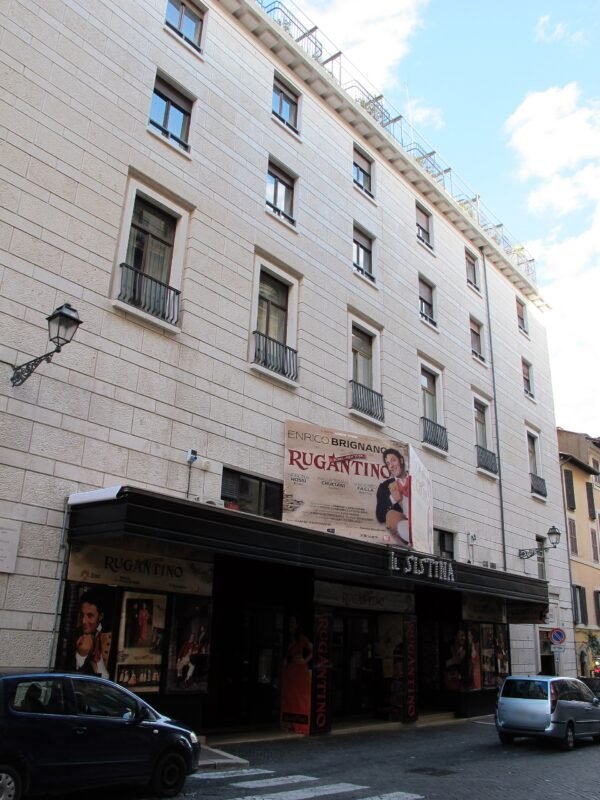
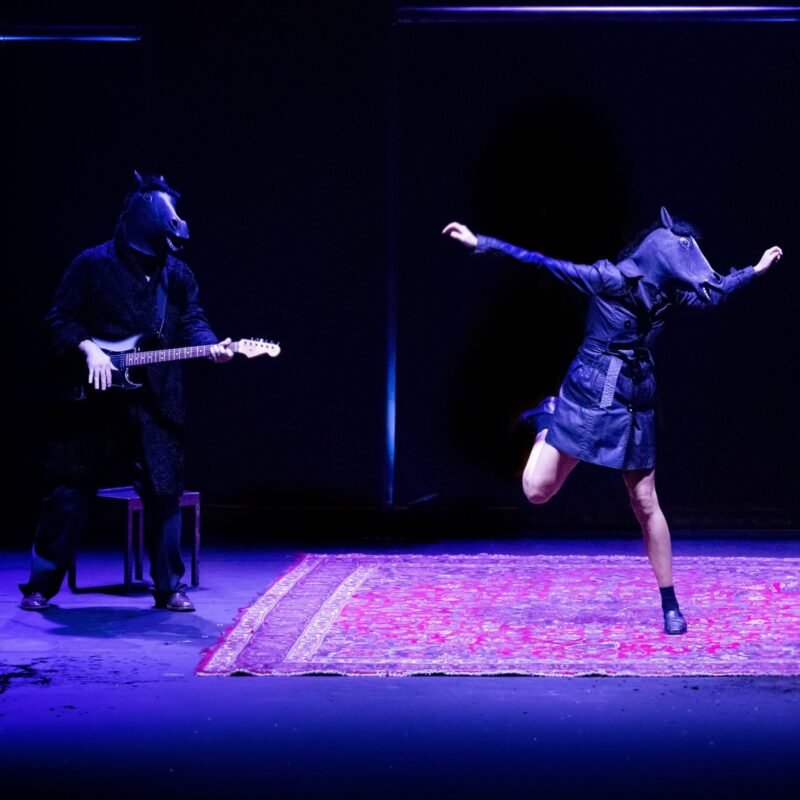
Memoria di ragazza at Teatro Valle, November 10 to 22, 2026
In short. Memoria di ragazza, the show that director Silvia Costa created with dramaturg Ewald Palmetshofer from the book Mémoire de fille by Annie Ernaux, winner of the 2022 Nobel Prize in Literature, is on stage at Teatro Valle Franca Valeri,…
Memoria di ragazza, the show that director Silvia Costa created with dramaturg Ewald Palmetshofer from the book Mémoire de fille by Annie Ernaux, winner of the 2022 Nobel Prize in Literature, is on stage at Teatro Valle Franca Valeri, Via del Teatro Valle 21, in the Sant'Eustachio district, from November 10 to 22, 2026, with Federica Fracassi, Francesca Mazza and Emanuela Villagrossi. The Teatro di Roma calendar has 12 performances with Monday off: Tuesday, Thursday and Friday at 20:00, Wednesday and Saturday at 19:00, Sunday at 17:00 (November 10, 12, 13, 17, 19 and 20 at 20:00, the 11th, 14th, 18th and 21st at 19:00, the 15th and 22nd at 17:00). The production is by Teatro di Roma, co-produced with Romaeuropa Festival 2026. The Italian translation is by Lorenzo Flabbi, for L'orma editore. The official page gives neither the length nor the price: the information isn't published, so check it when buying. Tickets are sold online from the Fondazione Teatro di Roma website and at the Teatro Argentina box office, Largo di Torre Argentina 52, open Monday to Saturday from 11:00 to 19:00. The numbers given for Teatro Valle are 06 684000314 and 06 684000311. The theater is in the historic center, between the Pantheon and Piazza Navona: for public transportation the reference is the ATAC journey planner.
Language: opera sung in its original language; no English surtitles are announced, so check with the theater.
What Memoria di ragazza is about
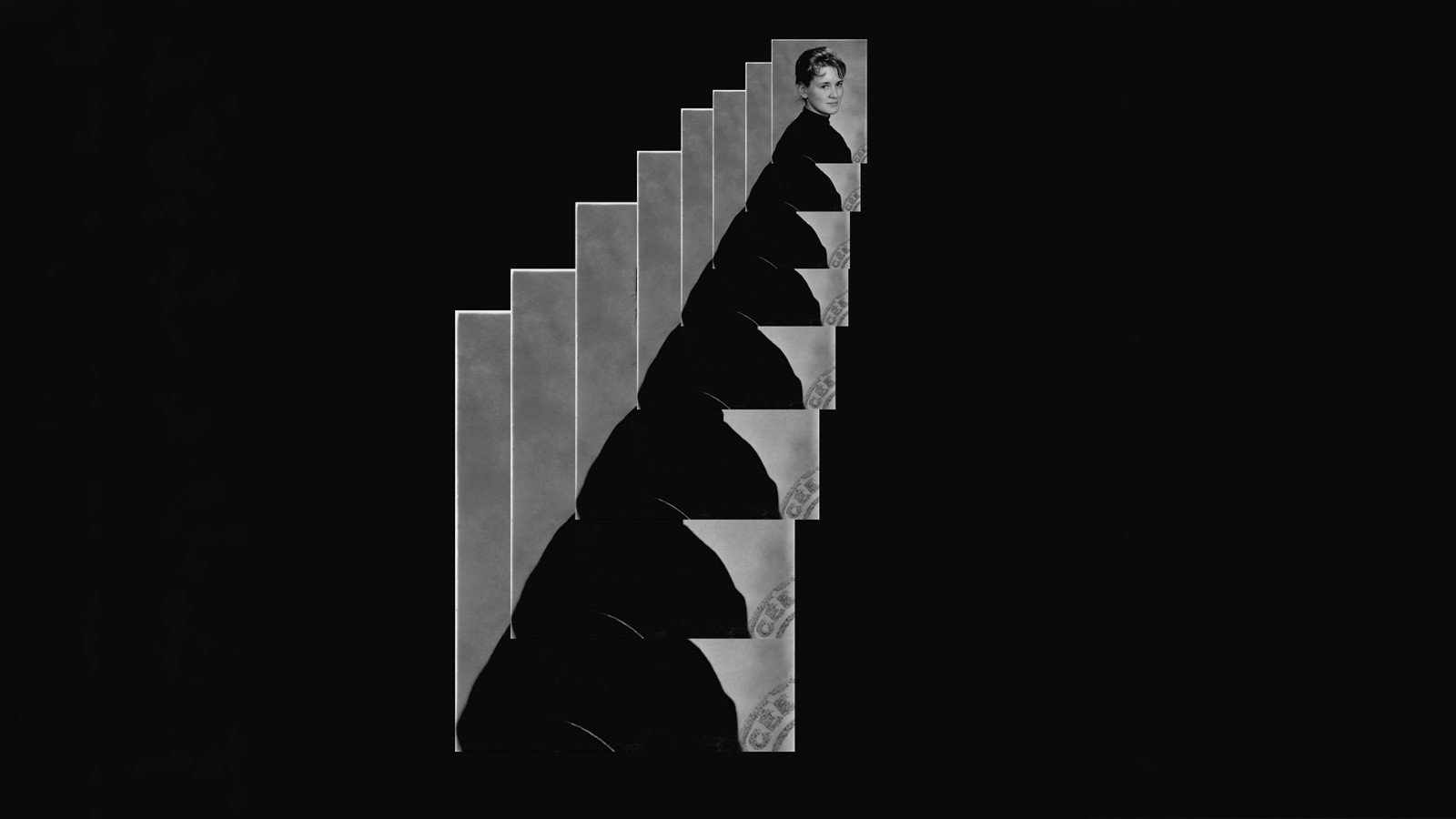
In the book, Annie Ernaux goes back to the summer of 1958, when she was 18, to examine a decisive episode of her youth. The show's presentation explains that the author lucidly reconstructs what happened then, through fragments of memory, diary pages, letters and photographs resurfacing from the past, and measures the deep marks that experience left on her life.
The story, according to the same presentation, is also a look at the social context of the time and the expectations that governed relations between men and women, revealing how different the possibilities of freedom and expression were for the one and the other. The voice of the adult writer confronts the girl she once was, in a journey of memory, awareness and slow reclaiming of herself.
A book before #MeToo
Teatro di Roma points out that the book was published shortly before the emergence of the #MeToo movement, and that it remains today an intimate and at the same time deeply political story about the power of memory and the end of silence. Mémoire de fille came out in France in 2016 and in Italy in 2017, from L'orma, translated by Lorenzo Flabbi.
Three actresses for a single voice
The show gives the text to three performers, Federica Fracassi, Francesca Mazza and Emanuela Villagrossi. In the French version, Catherine Robert's review on Offi, of June 27, 2023, described three actresses who shared the voices of the dialogue between the adult narrator and the girl of the past, guiding the audience like three Fates in a palace of memory. The Italian version keeps the choice of three voices.
The objects of memory
The same review dwelt on the objects the actresses handle on stage to support the story: a way of making memory concrete, which in the book proceeds through documents, photographs and relics. Silvia Costa, who also designs the set and lighting, comes from the visual arts, and her theater gives great weight to the material dimension of images.
A European show: Munich, Paris, Rome
Memoria di ragazza has an unusual production history, which the Teatro di Roma page reconstructs. The show was born at the Residenztheater in Munich in the 2020-21 season, was adapted by the Comédie-Française in the 2022-23 season, and is now presented again by Teatro di Roma, in the 2026-27 season, as an Italian premiere.
The Comédie-Française version
In Paris the show was staged at the Théâtre du Vieux-Colombier, one of the Comédie-Française's halls, with Anne Kessler, Coraly Zahonero and Clotilde de Bayser. The Offi review called the acting flawless and praised Ayumi Paul's original music, able to create an atmosphere at once familiar and estranging. The same music accompanies the Italian version.
Three languages, one text
The show has passed from German to French to Italian. For a text that reflects on memory and on the distance between who you were and who you've become, the journey through three languages and three companies has a certain consistency: each version is a new reading of the same memory.
Annie Ernaux, the writer
Annie Ernaux was born on September 1, 1940 in Lillebonne, Normandy. On October 6, 2022 she was awarded the Nobel Prize in Literature, with a citation recognizing the courage and clinical acuity with which she has uncovered the roots, estrangements and collective restraints of personal memory. It's a definition that fits Memoria di ragazza perfectly.
Main works
Her books, published in Italy by L'orma in Lorenzo Flabbi's translation, include Il posto (released in France in 1983, in Italy in 2014), L'evento (2000 and 2019), Gli anni (2008 and 2015) and Memoria di ragazza (2016 and 2017).
Writing that becomes theater
Ernaux's spare, precise writing has attracted many directors. Her tendency to treat her own life as a document, examined with detachment, offers the theater material made of voices and testimonies more than dialogue. Costa and Palmetshofer chose to divide this voice among three performers, making visible the confrontation between the ages of the same woman.
The translation
The Italian text is based on the translation by Lorenzo Flabbi, the translator who has brought Ernaux's work to Italy for L'orma editore. For the audience it's an advantage: the credits indicate that the text on stage starts from the same translation published in book form, and those who have read the book will recognize sentences and images, also gauging the cuts and choices of the adaptation.
Silvia Costa, director and visual artist
Silvia Costa was born in Treviso in 1984 and studied visual arts and theater at the Università Iuav di Venezia. In 2007 she founded the company Plumes dans la tête with musician Lorenzo Tomio. For many years she was an actress and assistant to Romeo Castellucci and the Socìetas Raffaello Sanzio, working on productions such as Parsifal at La Monnaie in Brussels in 2011, The Four Seasons Restaurant in Avignon in 2012, Moses und Aron at the Paris Opéra in 2015 and Salome at the Salzburg Festival in 2018.
Her productions
Among her works as a director, the Residenztheater mentions In the Village of Winter, inspired by Cesare Pavese's Dialogues with Leucò, presented at the Festival d'Automne in Paris in 2018, and Vivaldi's Juditha triumphans at the Stuttgart Opera in 2019. At the Residenztheater she also directed La Musica, which combines two texts by Marguerite Duras.
A link with Rambert
Silvia Costa has also been a performer: in 2020 Pascal Rambert chose her, together with Audrey Bonnet and Barbara Lennie, for 3 annonciations, created at the Théâtre National de Bretagne. It's a curious fact for those following the Rome season: Rambert is on stage the same autumn at Teatro India with Viaggio a Hong Kong.
The performers and the team
The three actresses are Federica Fracassi, Francesca Mazza and Emanuela Villagrossi. The official page doesn't give their biographies. The program handed out at the theater is the most immediate source for getting to know them better.
The dramaturgy
Ewald Palmetshofer handles the dramaturgy and, with Costa, the direction and adaptation. It's the work that turned a memoir into a text for three voices, keeping its character as an investigation.
Sets, costumes, music
Silvia Costa designs the set and lighting, with the collaboration of Thomas Lauret and Michele Taborelli. Costumes are by Rebecca Stange and Costa herself, music by Ayumi Paul, and the assistant director is Jacopo Panizza.
How to watch Memoria di ragazza
A show drawn from a memoir asks the audience for a particular kind of attention. There's no plot to follow in the traditional sense: there's a woman investigating herself, and the show stages that investigation.
Two times, three voices
The book alternates the present of the adult writer and the past of the girl of 1958. The choice to divide the voice among three actresses multiplies these levels: follow who is speaking and from what distance, because the meaning of the show arises precisely from the confrontation between ages.
Document and memory
Ernaux works with photographs, letters and diary pages, and asks how far memory corresponds to what these documents attest. On stage, the objects handled by the actresses play the same role. Watching them closely, instead of treating them as mere props, helps you get into the logic of the show.
The music
Ayumi Paul's original music has accompanied the show since its birth in Munich. The French review described it as able to create an atmosphere that is familiar and strange at once: a way of putting into sound the sense of estrangement you feel in front of your own youth.
Who the show is for
Memoria di ragazza is aimed at those who love spoken theater and contemporary literature. Those who have read Ernaux will find a stage reading of the book. Those who haven't can discover her through three very experienced performers.
The theme
The book deals with a youthful experience tied to the discovery of sexuality and to power relations between men and women. The presentation calls it intimate and political. It's a show that may particularly interest a young audience, who today face the same questions.
For schools
For high school and university students, the show is a chance to approach a Nobel laureate through theater. The page doesn't give age limits, but the theme calls for a certain maturity.
Tickets and times
The show's page links to online purchase and doesn't give prices. The general rules of the Teatro di Roma box office also apply to the Valle.
The performances
There are 12 performances, Tuesday to Sunday for two weeks, with Monday, November 16 off. Times change with the day of the week: at 20:00 on Tuesday, Thursday and Friday, at 19:00 on Wednesday and Saturday, at 17:00 on Sunday.
Where to buy
Besides the Foundation's official website, tickets are sold at Teatro Argentina, Largo di Torre Argentina 52, Monday to Saturday from 11:00 to 19:00. The Teatro di Roma box office page doesn't, for now, give specific hours for the Valle box office. Tickets bought online must be picked up no later than an hour before the start. Once issued they can't be exchanged or canceled.
Teatro Valle in brief
Teatro Valle Franca Valeri is one of Rome's historic theaters, in the Sant'Eustachio district. Turismo Roma calls it the oldest modern theater in Europe. Inaugurated in 1727, it has hosted world premieres by Rossini, Donizetti and Pirandello. After years of closure, occupation and restoration, it reopened on October 16, 2026 as a Teatro di Roma venue. The Teatro Valle page tells its history and activity.
The October 16, 2026 reopening
According to an article by Livia Montagnoli in Artribune, of September 29, 2026, the Valle reopened on October 16, 2026 with La sera della prima. Sei personaggi in cerca d'autore, written and performed by Francesco Piccolo, on stage until October 18: a tribute to the 1921 premiere. The work, for a project of about 10 million euros, had begun in 2023 and covered systems, fire safety, architectural barriers, dressing rooms, conservation of the hall and the boxes, audience spaces, staircases and facade.
Among the first shows
So Memoria di ragazza is among the first shows of the Valle's new life. If you've never seen it, or remember it closed, it's a chance to discover its restored hall.
The hall: three centuries of transformations
The Valle that has reopened is the result of a long series of interventions, well documented. Knowing them lets you read the hall with different eyes.
The wooden theater
The theater inaugurated in 1727 was entirely of wood: a classic Italian-style theater with five tiers of boxes and a gallery, but without a real foyer. In 1764 and 1765 the architects Giovanni Francesco Fiori and Mauro Fontana made improvements. In 1791 the Capranica family entrusted new work to the brothers Francesco and Giandomenico Navona, who kept the wooden structure, limiting themselves to internal reinforcements.
Valadier's design
That solution didn't convince the architects of the Papal States, who ordered it rebuilt in masonry for safety reasons. In 1818 the Capranica family entrusted the design to Giuseppe Valadier, who imagined a sweeping intervention, demolishing some adjoining buildings, including part of the family's residence. The design was rejected and the rebuilding was more modest: the hall lost a tier of boxes, but its dimensions stayed almost unchanged, and the tiers were shaped in curved lines.
Gaspare Salvi
The collapse of a wall of the neighboring palazzo moved the work from Valadier to architect Gaspare Salvi, who completed it in 1822. Over the 19th and 20th centuries the ceiling frescoes, repainted by Silvio Galimberti, the curtain and the royal box were renewed.
From closure to reopening
The Valle's recent history became a national case in the debate on the management of public theaters. After the abolition of the Ente teatrale italiano, on May 31, 2010, the theater was closed. The 2011 occupation arose to demand that it stay public through a participatory process.
Transfer to the City
About two years after the occupation ended, ownership passed from the State to the City, with a development plan that provided for an investment of 3 million euros, split between the Ministry and the City, for restoration work overseen by the Sovrintendenza capitolina. In April 2018 the theater partly reopened, assigned to Teatro di Roma, but not to host shows. During the pandemic the spaces were used as a recording studio and a place open to companies.
The construction site
The most recent restoration project, according to Artribune, is worth about 10 million euros: the work, begun in 2023, went past the deadline planned for early 2025. So the October 16, 2026 reopening closes a journey of more than 15 years.
A curious fact about Teatro Valle
The theater's name has two possible explanations, and the sources don't agree. According to one tradition, the name comes from its first director, Domenico Valle. Others maintain that it's a coincidence, and that the name comes from the place where the building stood, known as alla valle. If you stroll around the area you'll come across the same name in the basilica of Sant'Andrea della Valle.
A private theater
The theater was financed by the nobleman Camillo Capranica, already the owner of Teatro Capranica, and was initially intended for private use. Only in the early 1800s did it open to the public, obtaining the privilege of staging shows outside the Carnival period too.
Something nobody tells you about Teatro Valle
Giacomo Leopardi didn't like it. The poet attended the opera Il corsaro by Filippo Celli, to a libretto by Jacopo Ferretti, at the Valle, and in his letters he was very critical of both the opera and the building: «the theater is mostly deserted, and it's deadly cold in there», he wrote. Whoever enters the restored hall today, with its renewed systems, can measure the distance from that evening.
The little theater next door
A second little-known detail: from 1855 to 1890, next to the Valle, another small theater operated, called the Valletto, which shared a wall with the theater. It was born as a marionette theater, run by puppeteer Antonio Torrini, and was later put to other uses.
My advice for visiting Teatro Valle
My advice is to arrive at least half an hour early and spend a few minutes on the hall. The Valle is a classic Italian-style theater, born with five tiers of boxes and a gallery and transformed over time. After the just-completed restoration of the boxes, the hall is as much the star of this season as the shows.
A coffee in Sant'Eustachio
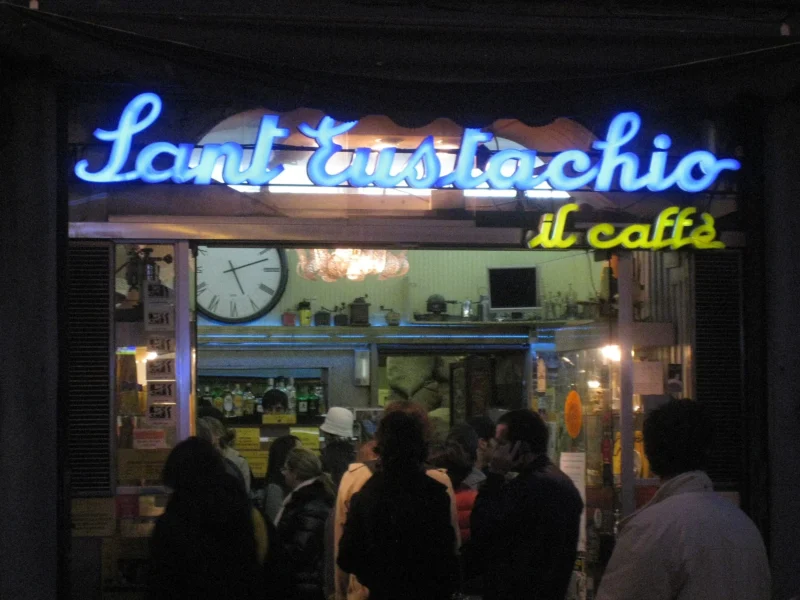
The theater is in the Sant'Eustachio district: for a coffee before the show, Caffè Sant'Eustachio is in the same district. The 19:00 performances on Wednesday and Saturday lend themselves to dinner afterward, the Sunday 17:00 ones to a walk in the historic center beforehand.
Read the book
If you have time, read Memoria di ragazza before seeing it: the book is short, and knowing it lets you appreciate the choices of the adaptation, which divides the narrator's voice among three actresses.
Another well-known fact, yet one that is rarely mentioned
That Pirandello's Six Characters in Search of an Author premiered at the Valle is a well-known fact: the world premiere was held on May 9, 1921. Less often mentioned is the number of Rossini and Donizetti premieres the theater hosted. The theater hosted the world premiere of Rossini's Demetrio e Polibio on May 18, 1812, of Torvaldo e Dorliska on December 26, 1815 and above all of La Cenerentola on January 25, 1817, then, by Donizetti, L'ajo nell'imbarazzo on February 4, 1824, Olivo e Pasquale on January 7, 1827, Il furioso all'isola di San Domingo and Torquato Tasso in 1833.
Don Giovanni in Rome
On June 10, 1811 the Valle also hosted the Rome premiere of Mozart's Don Giovanni. For a theater that reopens today with spoken drama, it's a reminder of the long season when it was one of the city's great music halls.
The right photo to take at Teatro Valle
The photo to look for is the restored hall, seen from the stage or the orchestra toward the boxes. The ceiling, repainted during the 19th and 20th centuries by the painter Silvio Galimberti, and the tiers of boxes shaped in curved lines, a solution introduced when the theater was rebuilt in masonry, are the most recognizable features.
The facade
Outside, the newly restored facade on Via del Teatro Valle is a simple and meaningful image of the reopening. Giuseppe Valadier's neoclassical design for a monumental exterior was never built: the building you see is the result of a more modest reconstruction, completed by Gaspare Salvi in 1822.
Some important events that happened here in history
January 7, 1727: the inauguration
The theater, entirely of wood, designed by Tommaso Morelli, was inaugurated with the tragedy Matilde by Simone Falconio Prato.
1818-1822: from wood to masonry
On the orders of the Papal States authorities, who judged it unsafe, the theater was rebuilt in masonry: the design was entrusted first to Valadier, then to Gaspare Salvi, who completed the work in 1822.
1849: the Roman Republic
The theater stayed open during the Roman Republic: actors such as Tommaso Salvini and Gustavo Modena, enlisted in the National Guard, interrupted performances at the sound of three cannon shots.
May 9, 1921: Six Characters
World premiere of Pirandello's play, the text the Valle also chose to recall in its 2026 reopening show.
1955 and 1959: the contested evenings
In the 1954-55 season a brawl that broke out in the audience during Arthur Koestler's Darkness at Noon led to two titles being withdrawn from the program. On the evening of February 6, 1959 Luigi Squarzina's Romagnola was disrupted by a group of young fascists, but the audience responded with warm applause.
2011-2014: the occupation
After the abolition of the Ente teatrale italiano, the Valle suspended its activity on May 19, 2011. On June 14, 2011 a group of performing arts workers, activists and citizens occupied it to demand public, participatory management. The occupation ended peacefully on August 11, 2014.
2021-2026: Franca Valeri and the reopening
On September 13, 2021 the theater was named after the actress Franca Valeri. On October 16, 2026 the historic hall reopened with the Teatro di Roma season.
Who has passed through Teatro Valle
Rossini and Donizetti worked at the Valle, presenting their premieres there. In 1895 the Bellotto-Bon company staged Eugenio Checchi's Il piccolo Haydn there, with Ermete Novelli in the cast. In the 20th century the theater's history is tied to Pirandello and, after World War II, to the management of the Ente teatrale italiano.
Franca Valeri
The theater now bears the name of Franca Valeri, the actress who died in Rome in 2020 and was honored with the 2021 naming. For a show performed by three actresses and drawn from a woman writer, the dedication to a great performer of the Italian stage has symbolic value.
The occupiers' companies
During the three years of self-management, the occupiers drew up proposals for a new management of public theaters, received several awards and tried to set up a foundation to take legitimate possession of the theater. That season, too, is part of the story of those who have passed through the Valle.
Before or after the show: the historic center
The Valle is in one of the parts of Rome densest with monuments. A few minutes' walk away are the Pantheon, Piazza Navona and Palazzo Madama, seat of the Senate.
Sant'Ivo alla Sapienza
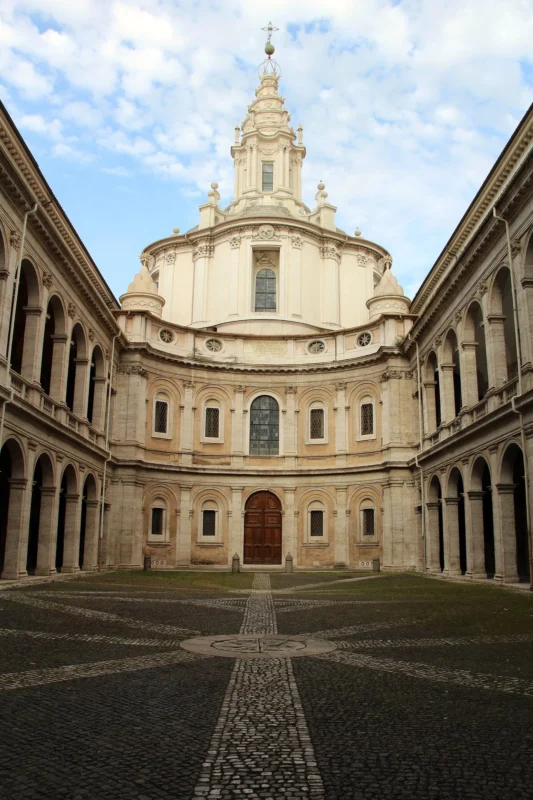
In the same district is the church of Sant'Ivo alla Sapienza, presented on a dedicated page. Check opening times in advance.
Largo Argentina
If you're buying tickets in person, the box office of Teatro Argentina is a few minutes away, in Largo Argentina.
Frequently asked questions about Memoria di ragazza
When is Memoria di ragazza on at Teatro Valle?
From November 10 to 22, 2026, with Monday the 16th off. Performances are at 20:00 on Tuesday, Thursday and Friday, at 19:00 on Wednesday and Saturday, at 17:00 on Sunday. There are 12 performances in all. The calendar is the one published by the Fondazione Teatro di Roma on the show's page, which is worth checking before buying.
Where is Teatro Valle?
At Via del Teatro Valle 21, in the Sant'Eustachio district, in Rome's historic center, a few minutes' walk from the Pantheon, Piazza Navona and Largo Argentina. The theater, named after Franca Valeri, reopened on October 16, 2026 after restoration work. For public transportation, use the ATAC journey planner, entering the address as your destination.
How much is a ticket?
The price isn't given on the show's page: the information isn't published. Teatro di Roma has fares, subscriptions and a card described on separate pages of the official website. Check the price when buying online or ask at the Teatro Argentina box office, open Monday to Saturday from 11:00 to 19:00.
Who are the performers?
Federica Fracassi, Francesca Mazza and Emanuela Villagrossi, three actresses who share the voice of the narrator and of the girl she once was. Direction and adaptation are by Silvia Costa and Ewald Palmetshofer, who also handles the dramaturgy, and the music is by Ayumi Paul. The Italian translation of the book is by Lorenzo Flabbi for L'orma editore.
What is Annie Ernaux's book about?
Mémoire de fille, released in France in 2016 and in Italy in 2017, goes back to the summer of 1958, when the author was 18, to reconstruct a decisive episode of her youth through memory, diaries, letters and photographs. It's a book about self-discovery, about relations between men and women and about the end of silence, published shortly before the #MeToo movement.
Has the show been staged before?
Yes, in other languages. According to Teatro di Roma, it was born at the Residenztheater in Munich in the 2020-21 season and adapted by the Comédie-Française in the 2022-23 season, at the Théâtre du Vieux-Colombier. The Italian version, produced by Teatro di Roma with Romaeuropa Festival, is an Italian premiere.
How long is the show?
The length isn't given on the official page. If you have timing needs, for example for public transportation after the 20:00 performances, you can ask the Teatro di Roma box office at the numbers given for the Valle, 06 684000314 and 06 684000311, or write to the Foundation's box office address.
Why is it worth going to the Valle right now?
Because the theater reopened on October 16, 2026 after work begun in 2023, with the restoration of the hall, the boxes, the staircases and the facade. Memoria di ragazza is among the first shows of its new life. The Valle, inaugurated in 1727, is described by sources as the oldest modern theater in Europe, and it saw the premieres of La Cenerentola and Six Characters.
Final advice on Memoria di ragazza
Memoria di ragazza combines three reasons to go out: a book by a Nobel laureate that speaks powerfully to the present, an Italian director who has worked for a long time in European theaters and comes to Rome with a show born between Munich and Paris, and a historic theater reopening after years of closure. My advice is to read the book first, to choose one of the 19:00 or 17:00 performances so you have time to look at the restored hall with the lights on, and to allow yourself a walk between the Pantheon and Piazza Navona after the show to let the story settle.
Article written by the editorial team of Tour Leader Pro, contact them for Private/Corporate/V.I.P. Tours and Experiences.
Planning a trip to Rome? The English guides for visiting the city are on ItalyPlanner.com.
Contact Information
Nearby
 Teatro Valle100 m
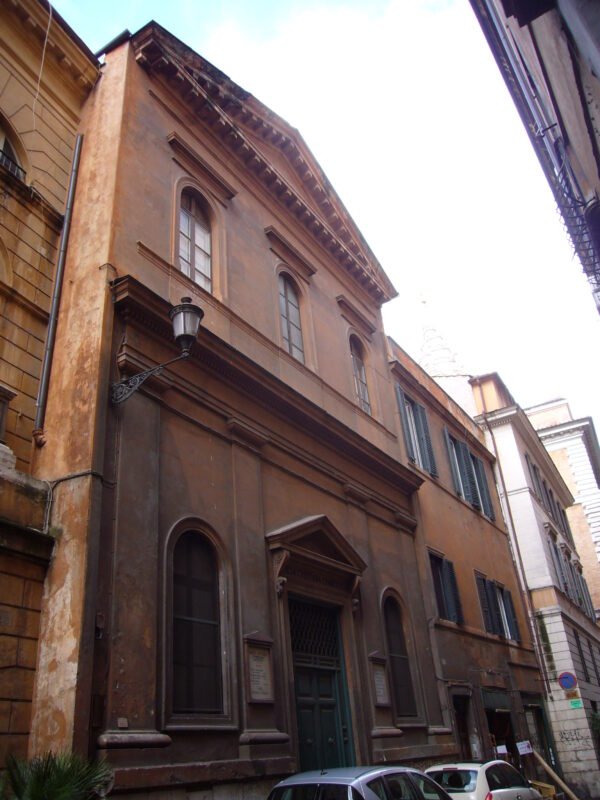
- Evangelical Baptist Church on Via del Teatro Valle100 m
- Borromini in Rome: a route through his architecture100 m
- Church of Sant’Ivo alla Sapienza100 m
- Caffè Sant’Eustachio100 m
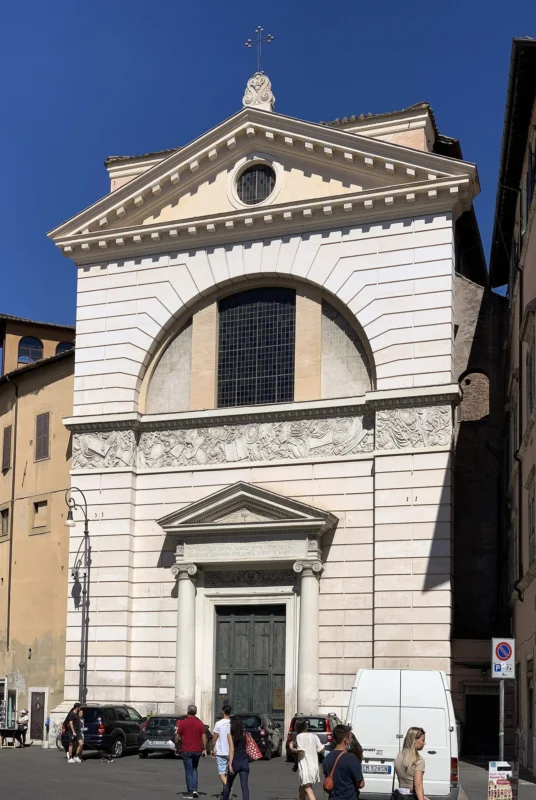
- San Pantaleo100 m
Upcoming events nearby
- Keith Haring at Museo di Roma in Palazzo Braschi, from October 6, 2026 to April 11, 2027200 m
- Laika, The Collapse of Democracy at the Rosso20sette gallery, from October 10 to November 14, 2026200 m
- Divina d’Acciaio, the portrait statue of Maria Callas at the Barracco Museum, September 24 to November 15, 2026200 m
- Primarosa Cesarini Sforza, Ines Fontenla, Thorsten Kirchhoff, Daniela Monaci, Luana Perilli at Galleria Emmeotto, from October 3 to November 27, 2026200 m


You might also like
- C’era una volta… Scugnizzi at Teatro Sistina, November 18 to 29, 2026
- Dominio Pubblico, Across The Arts at Argot Studio and Centro Giovani Zalib, September 21 to November 26, 2026
- Breaking Brecht with Veronica Pivetti at Teatro Sala Umberto, November 26 to 29, 2026
- Madre per sempre with Marisa Laurito and Giorgia Würth at Teatro Quirino, November 24 to 29, 2026
- Mother Courage and Her Children at Teatro Quirino, November 17 to 22, 2026
- Crime and Punishment at Piccolo Eliseo, November 17 to 29, 2026