From Broadway to Hollywood at Cinema Quattro Fontane, September 20, 2026 to January 3, 2027
In short. From Broadway to Hollywood, the series of the cycle "L'eterna illusione" devoted to the classics of American cinema born from the theater, is scheduled every Sunday morning from September 20, 2026 to January 3, 2027 at Cinema Quattro…
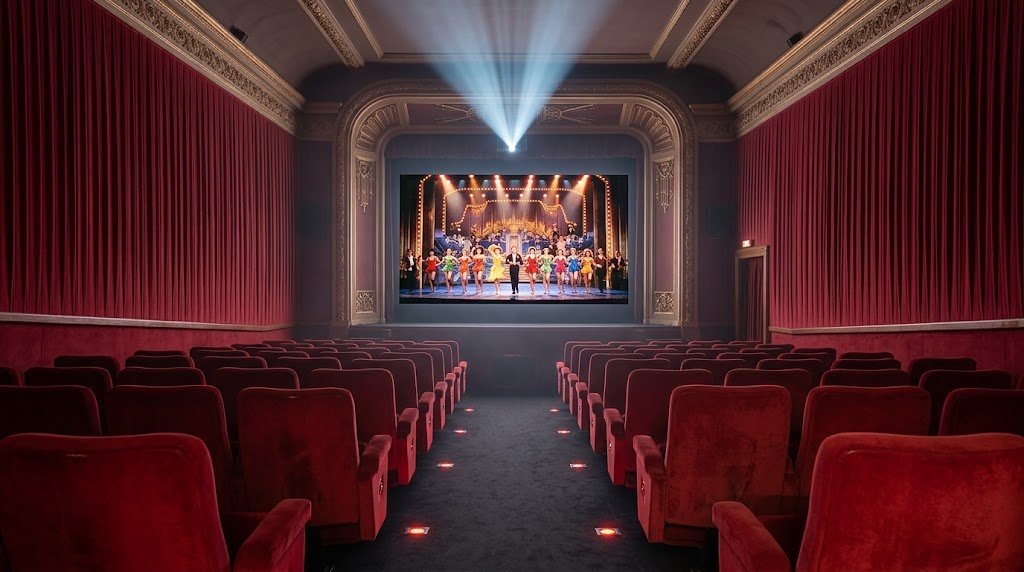
From Broadway to Hollywood, the series of the cycle "L'eterna illusione" devoted to the classics of American cinema born from the theater, is scheduled every Sunday morning from September 20, 2026 to January 3, 2027 at Cinema Quattro Fontane, at Via delle Quattro Fontane 23 (00184 Rome), with 16 titles in the original language with Italian subtitles. The presale screenings are listed at 11:00. A ticket for the series costs 8 euros according to the price list published by the circuit that runs the hall. You buy it at the cinema's box office or on the circuit's official website, where each title has its own purchase page. The hall is a few minutes' walk from the Barberini stop of metro A. Since October 27 the same cycle has also come to Cinema Flora, with its own calendar on Tuesdays.
Language: performed in Italian. No English version or English surtitles are announced.
What From Broadway to Hollywood is
From Broadway to Hollywood is a series of 16 American films shot between 1930 and 1967, almost all drawn from comedies, dramas or musicals staged in New York, screened on Sunday mornings at Quattro Fontane in the original version with subtitles.
The cycle "L'eterna illusione"
The series is part of the cycle "L'eterna illusione", the series the circuit devotes to the great classics of cinema. It is curated by Cesare Petrillo and Simone Fabio Ghidoni, who also sign the presentation text. The starting idea is clearly declared: American cinema has always plundered other sources, literature, journalism, radio, but above all the stage. The series lines up the most successful results of that plundering.
Sound and the hunger for dialogue
The turning point, the curators recall, is 1927, when cinema becomes sound and needs dialogue for its actors. The big production houses, the "seven sisters" Metro, Paramount, RKO, Warner, Fox, Universal and Columbia, sent observers to New York to identify the shows to bring to the screen. This is how the fortune was consolidated of already established playwrights such as Ben Hecht, Charles MacArthur, George S. Kaufman, Noël Coward, Lillian Hellman and Elmer Rice, and of authors of music and lyrics such as Cole Porter, George and Ira Gershwin, Richard Rodgers and Lorenz Hart, Irving Berlin.
From script to editing
The curators' text insists on a point that makes the series interesting even for those who already know the films: the passage from stage to screen was not a simple recording. The long blocks of dialogue entrusted to "her" and "him" on the boards of the stage had to become editing, that is synthesis, ellipsis, cuts. The film text is born by betraying the original script, and the quality of the directors is measured right there: in Ernst Lubitsch, William Wyler, Billy Wilder, Howard Hawks, who knew how to make a line written for the theater seem natural, as if improvised on the spot by John Barrymore and Carole Lombard, by Cary Grant and Katharine Hepburn.
The calendar of From Broadway to Hollywood at Quattro Fontane
The Quattro Fontane program provides 16 consecutive Sundays, from September 20, 2026 to January 3, 2027, with a different film every week.
September and October
The series opened on September 20 with The Philadelphia Story (Scandalo a Filadelfia, 1940) and continued on September 27 with Born Yesterday (Nata ieri, 1950). In October the calendar provided for The Women (Donne, 1939) on October 4, My Fair Lady (1964) on October 11, Les Girls (1957) on October 18 and Dinner at Eight (Pranzo alle otto, 1933) on October 25.
November
The month of November opens on November 1 with The Man Who Came to Dinner (Il signore resta a pranzo, 1942) and continues on November 8 with Stage Door (Palcoscenico, 1937), on November 15 with The Criminal Code (Codice penale, 1931), on November 22 with Twentieth Century (Ventesimo secolo, 1934) and on November 29 with Counsellor at Law (Ritorno alla vita, 1933).
December and January
In December you can see on December 6 The Little Foxes (Piccole volpi, 1941), on December 13 The Desperate Hours (Ore disperate, 1955), on December 20 Wait Until Dark (Occhi nella notte, 1967) and on December 27 Monte Carlo (Montecarlo, 1930). The first part of the series closes on Sunday, January 3, 2027 with Lubitsch's The Smiling Lieutenant (L'allegro tenente, 1931).
The screening times
The purchase pages published by the circuit indicate the Sunday screening at 11:00, marked V.O.S., original version with subtitles. It is still best to check the time on the individual film's page before going out, because the hall's Sunday program also includes previews and other titles.
The version at Cinema Flora
Since October 27 the series has also come for the first time to Cinema Flora, with a different calendar. It began on October 27 with The Philadelphia Story and continues until March 2 with Stalag 17 (1953), passing through Mister Roberts (1955) on February 23, two titles that are not on the Quattro Fontane program. Those who miss a Sunday on Via delle Quattro Fontane can therefore catch up on some films in the other hall.
The films of From Broadway to Hollywood, title by title
The 16 films of the series almost all have a documented theatrical origin, and the name that recurs most often is George Cukor's, director of five titles in the program.
The Philadelphia Story (Scandalo a Filadelfia, 1940)
The Philadelphia Story is directed by George Cukor, with Katharine Hepburn, Cary Grant and James Stewart. In 1995 it was selected for preservation in the National Film Registry of the Library of Congress, and it is considered one of the best examples of the "comedy of remarriage", the genre of the 1930s and 1940s in which a couple separates only to find each other again. The curators' text tells the backstory: Hepburn, who had ended up among the actors exhibitors considered unprofitable, had returned to Broadway and had success precisely with this comedy. When MGM wanted to buy the rights it discovered they belonged to the actress. The compromise brought her back to the screen. The curators call it "the revenge of the theater".
Born Yesterday (Nata ieri, 1950)
Born Yesterday, again by Cukor, is inspired by a comedy by Garson Kanin and rests on Judy Holliday's performance. Its satirical structure targets American customs in years when the political climate of Senator McCarthy put democratic values under pressure.
The Women (Donne, 1939)
The Women by Cukor has an entirely female cast, to the point that even the animals that appear on screen are female. It tells of Mary Haines, a New York upper-class lady played by Norma Shearer, who with the help of her friends wins back her husband, who has fallen into the hands of the perfume-counter clerk Crystal Allen, that is Joan Crawford. The screenplay is by Anita Loos, author of Gentlemen Prefer Blondes, and is based on the play of the same name by Clare Boothe Luce.
My Fair Lady (1964)
Cukor also directs the film drawn from the 1956 musical by Alan Jay Lerner and Frederick Loewe, in turn inspired by George Bernard Shaw's Pygmalion. In 1998 the American Film Institute placed it 91st among the 100 best American films. In 2018 it entered the National Film Registry. It is the most recent title of the central part of the program and the only great color musical of the series.
Dinner at Eight (Pranzo alle otto, 1933)
Dinner at Eight, by Cukor, is a portrait of Great Depression America. Before the dinner of the title begins, a series of news items and confidences reveals the condition of the rich and the desperation of the poor. October 25 was the right date for those who wanted to see how a society comedy can become a period document.
The Man Who Came to Dinner (Il signore resta a pranzo, 1942)
The Man Who Came to Dinner, directed by William Keighley, is born from the three-act comedy by George S. Kaufman and Moss Hart staged on October 16, 1939 at the Music Box Theatre in New York, where it reached 739 performances. Kaufman is one of the playwrights cited by the curators as an example of the talents Hollywood went looking for on Broadway.
Stage Door, Counsellor at Law, The Little Foxes
Stage Door (Palcoscenico, 1937) is directed by Gregory La Cava. Counsellor at Law, in Italian Ritorno alla vita (1933), is by William Wyler from a screenplay by Elmer Rice, drawn from the play Rice had successfully presented on Broadway on November 6, 1931. The Little Foxes, Piccole volpi (1941), is again by Wyler and is born from the drama by Lillian Hellman that debuted on February 15, 1939 at the National Theatre on Broadway with Tallulah Bankhead and reached 410 performances.
The Desperate Hours and Wait Until Dark
The Desperate Hours (1955) by Wyler is inspired by the novel by Joseph Hayes, who also made a stage play of it. In 1990 Michael Cimino directed the remake. Wait Until Dark (1967), scheduled for December 20, is directed by Terence Young, stars Audrey Hepburn and is drawn from a great Broadway success by Frederick Knott.
Monte Carlo and The Smiling Lieutenant
The last two Sundays belong to Ernst Lubitsch. Monte Carlo (1930) is a musical comedy with Jeanette MacDonald and Jack Buchanan, based in part on Monsieur Beaucaire by Booth Tarkington. Among the songs is Beyond the Blue Horizon, sung by MacDonald. The Smiling Lieutenant (1931) is based on the Viennese operetta Ein Walzertraum by Oscar Straus, staged on March 2, 1907. These are Lubitsch's "spicy European operettas" that the presentation text indicates as the beginning of the film musical.
The directors and actors of From Broadway to Hollywood
George Cukor, Ernst Lubitsch and William Wyler alone sign 11 of the 16 films in the series, and Katharine Hepburn is the face around which the curators build the story.
George Cukor
George Dewey Cukor was born on July 7, 1899 on the Lower East Side of Manhattan, the son of Hungarian immigrants of Jewish origin, and died in Los Angeles on January 24, 1983. As a boy he organized plays among friends. He interrupted his law studies, a family tradition, to work in the theater, and by 1919 he was already on Broadway with the Shubert brothers' company. This theatrical training explains why he is the most represented director: The Philadelphia Story, Born Yesterday, The Women, My Fair Lady, Les Girls and Dinner at Eight are all his.
Ernst Lubitsch
Ernst Lubitsch was born in Berlin on January 29, 1892 and died in Los Angeles on November 30, 1947. A director, actor, screenwriter and producer, he is famous for his "touch" and was among the first directors to see his name printed before the title on posters. In the series he closes the program with two films from 1930 and 1931, at the dawn of sound.
William Wyler
William Wyler is present with Counsellor at Law, The Little Foxes and The Desperate Hours: three films more than 20 years apart, all born from texts written for the stage or turned into stage. Lined up, they show how a director can serve very different authors such as Elmer Rice and Lillian Hellman without losing his own measure.
Katharine Hepburn
Katharine Houghton Hepburn (Hartford, May 12, 1907, Old Saybrook, June 29, 2003) is the only actress to have won the Oscar four times, out of 12 nominations as best actress. In 1999 the American Film Institute placed her first among the greatest actresses of American cinema. Her story with The Philadelphia Story, recalled by the curators, is the heart of the series: an actress whom cinema had discarded returns thanks to the theater.
A curiosity about From Broadway to Hollywood at Cinema Quattro Fontane, September 20, 2026 to January 3, 2027
The tastiest curiosity of the series concerns The Women, screened on Sunday, October 4: in George Cukor's film not a single man appears. The cast is entirely female, and the rule was applied with such rigor that even the animals seen on screen are female. The men of the story, husbands, lovers, exes, exist only in the protagonists' talk, on the phone, in letters, in gossip. It is an experiment that was simpler to carry out in the theater, because the stage lets you leave out what you do not want to show, while in film the camera is always tempted to go and look.
Behind the film are two women of writing. The source text is Clare Boothe Luce's comedy. The screenplay is by Anita Loos, the same author of Gentlemen Prefer Blondes. The real protagonist, therefore, is the dialogue: quick, wicked lines built to make you laugh and wound at the same time. Norma Shearer is Mary Haines, the betrayed wife. Joan Crawford is Crystal Allen, the perfume-counter clerk who takes her husband away.
The curiosity ties in well with the meaning of the series. The curators write that sound turned cinema into an art of dialogue, and The Women is the extreme proof: a film built entirely on the word, which however does not limit itself to filming the stage. Cukor, who came from the theater, knew when to cut and when to let a scene run. Watching it on a Sunday morning, in a hall in the center, with subtitles, is the closest possible way to the experience of the 1939 audience, who went to the cinema precisely to listen to those voices.
Something nobody tells you about From Broadway to Hollywood at Cinema Quattro Fontane, September 20, 2026 to January 3, 2027
What the series title does not say is that not all the films in the program really come from Broadway, at least not directly. Lubitsch's Monte Carlo and The Smiling Lieutenant are born from European material: the second from the Viennese operetta Ein Walzertraum by Oscar Straus, staged in Vienna in 1907, the first in part from a novel by Booth Tarkington. The Desperate Hours is drawn from a novel by Joseph Hayes, which the author also turned into a stage play. The common thread is therefore wider than the title: it is the relationship between American cinema and all forms of live entertainment, from operetta to musical, from brilliant comedy to bourgeois drama.
The second little-known point concerns the price. The Quattro Fontane price list distinguishes between previews at 10 euros, regular program films at 9 euros and the "From Broadway to Hollywood" series at 8 euros: the Sunday classic costs less than a first-run film. The ticket can also be bought with the Bonus Cultura and the Carta del Docente, while the Classic and Young subscriptions and the vouchers of other kinds listed by the circuit are not valid.
Third detail: the series is double. Cinema Flora, from October 27, offers the same cycle again in a different order and with two more titles, Mister Roberts and Stalag 17, which are not planned at Quattro Fontane. In our judgment the smartest combination is to follow the series on Via delle Quattro Fontane until January and complete it with the two extra evenings of the other hall.
Tickets and prices for From Broadway to Hollywood
A ticket for From Broadway to Hollywood at Quattro Fontane costs 8 euros, according to the hall's price list published by the circuit.
Where to buy
You buy at the cinema's box office or online, from the series page on the circuit's website, which for each film links to the purchase page of the single screening. Presales open a few weeks ahead. At the end of September, films up to November 8 could be bought.
Bonuses and subscriptions
The circuit states that tickets can be paid with Bonus Cultura and Carta del Docente. The Classic and Young subscriptions, vouchers of any kind and some promotions listed in the price list are excluded. For those planning to follow many Sundays, the series page nonetheless refers to the circuit's subscriptions section, to consult for any dedicated formulas.
When to buy
The most popular titles of the series risk filling the hall even on a Sunday morning. For those it is best to buy in advance. For the lesser-known films of the 1930s you can usually decide at the last minute, but attendance data is not published.
The advice I give you for visiting From Broadway to Hollywood at Cinema Quattro Fontane, September 20, 2026 to January 3, 2027
My advice is not to treat the series as a sequence of isolated films, but as a small course in film history in 16 lessons. The most effective way to follow it is to choose a thread and follow it. Cukor's thread ran through The Women on October 4, My Fair Lady on the 11th, Les Girls on the 18th and Dinner at Eight on the 25th: four Sundays in a row, a whole month devoted to the same director, with very different genres. Wyler's thread is concentrated between November 29 and December 13, with Counsellor at Law, The Little Foxes and The Desperate Hours. Lubitsch's thread closes the year with Monte Carlo on December 27 and The Smiling Lieutenant on January 3.
Second piece of advice: arrive a bit early. The hall offers a bar and cafeteria service, and Sunday morning is when the center of Rome is quietest. A coffee before 11:00 and then two hours of film let you come out at lunchtime, with the city still calm.
Third: do not fear the subtitles. All the films are in the original version, and for many of these titles the actors' voices are an essential part of the work. Hearing Katharine Hepburn, Cary Grant or Judy Holliday in their own voice is the main reason to choose the hall over television. Those who struggle with fast reading do well to sit in the central rows, not too close to the screen.
Cinema Quattro Fontane, the series hall
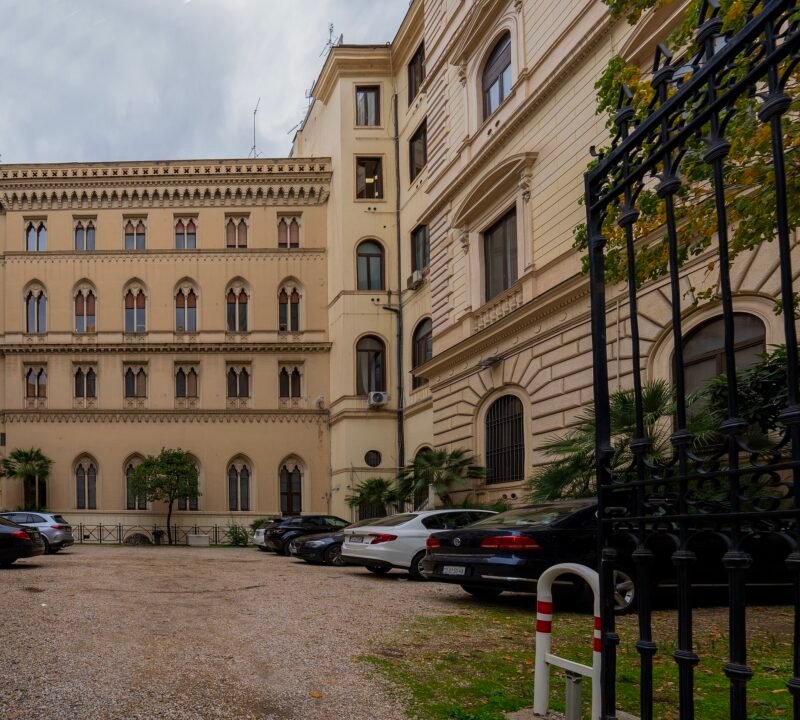
Cinema Quattro Fontane, which the circuit also calls 4Fontane, is at Via delle Quattro Fontane 23, inside the 16th-century Palazzo Albani del Drago.
A courtyard turned into a hall
According to the hall's official page, in the 1930s one of the palace's courtyards was covered to host a variety theater, which became a cinema after the war. The hall's history repeats in miniature that of the series: a space born for live entertainment that converts to cinema. Screening films drawn from the theater here has its own coherence.
Five screens and 513 seats
Quattro Fontane has five screens for a total of 513 seats. The technical sheet published by the circuit speaks of Harkness Screen screens for immersive viewing, a Dolby 7.1 sound system in tri-amplification and seats that quote the famous lounge chair by Charles and Ray Eames. For films of the 1930s and 1940s, restored for digital projection, sound quality matters: the dialogue is the center of the work.
The bar and Sunday morning
The page devoted to Sunday mornings recalls that bar and cafeteria service is available at Quattro Fontane. The hall's Sunday program does not include only the series. Previews and original-version films also pass through the same space, with different prices.
Contacts
The phone number given by the circuit for the hall is 06 8880 1283. For times, titles and online purchase the reference remains the circuit's official website.
Another well-known fact, yet rarely mentioned
That Hollywood took with both hands from the theater is well known. Less cited is that the training of some of the directors who defined American comedy passed precisely through Broadway. George Cukor, the most present name in this series, was working in 1919 on Broadway for Edgar Selwyn's organization, in the Shubert brothers' company, and in the 1920s he directed theater companies before moving to film. His talent with actors, and in particular with actresses, is rooted in that daily stage practice.
The second little-cited fact concerns the length of the stage success of the texts later brought to the screen. Kaufman and Hart's The Man Who Came to Dinner reached 739 performances at the Music Box Theatre. Lillian Hellman's The Little Foxes reached 410 at the National Theatre. Hollywood bought titles already tested by the New York audience: a reduced-risk investment, which explains the systematic hunt described by the curators.
The third concerns the musical, which the presentation text defines as the most "Broadway" novelty of sound cinema. The choreographies of Fred Astaire and Ginger Rogers made global scores otherwise destined for few spectators, and handed down to posterity standards that, the curators note, are still replayed today, often without our knowing, even on television. Such is the case of Let's Face the Music and Dance, from the film Follow the Fleet. The series thus recalls that part of the popular music we still listen to was born in that passage between the New York stage and the Los Angeles studios.
How to get to Cinema Quattro Fontane
Cinema Quattro Fontane, at Via delle Quattro Fontane 23, is reached in a few minutes' walk from the Barberini stop of metro A.
By metro
From Barberini station you climb along Via delle Quattro Fontane toward the crossing that gives the street its name. The hall is on the same axis that links Piazza Barberini with the Quirinale area. On Sunday morning the metro is usually uncrowded, and it is the simplest way for those arriving from Termini or San Giovanni.
By bus
The surface lines serving Piazza Barberini and Via Nazionale area are many. To choose the most convenient combination from your starting point, and for holiday schedules, it is best to use the Roman transport company's journey planner.
By car and taxi
The area is in the historic center and subject to the rules of the limited traffic zone. Before driving, the days and hours of the gates must be checked. Street parking is difficult. For those coming from far away the most sensible solution remains the taxi or the metro.
On foot
From Quattro Fontane you can walk to Piazza Barberini, Via Veneto, the Quirinale and Santa Maria Maggiore. The series lends itself to a morning built entirely on foot.
The right photo to take at From Broadway to Hollywood at Cinema Quattro Fontane, September 20, 2026 to January 3, 2027
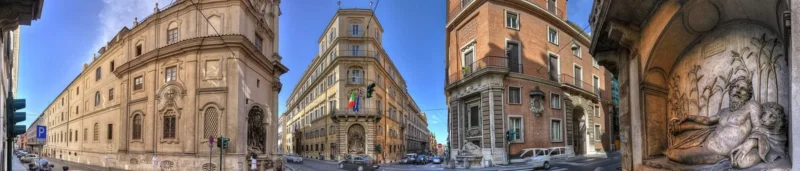
Inside the hall the rule is simple: during the screening you do not take photos, out of respect for the film and the audience. The photo to take home is made outside, and the best place is a few steps from the cinema, at the Quattro Fontane crossing.
The crossing is characterized by four fountains at the four corners, which give the street and the church of San Carlo alle Quattro Fontane their name. It has a feature unique in Rome: from here you see in the distance the obelisks, including the Esquiline one near Santa Maria Maggiore to the southeast and the Sallustian one near Trinità dei Monti to the northwest. On Sunday morning, with reduced traffic, it is the ideal moment to stop a few seconds at the center of the perspective and shoot toward one of the two long sides, with the obelisk at the end of the street.
The second possible photo is the facade of San Carlino, Francesco Borromini's church on the corner of the crossing: a curved surface that in the morning light reveals all its movement. Those who prefer a keepsake tied to the film can photograph the Sunday poster in front of the box office, perhaps with the ticket in hand: a small image to collect, week after week, for those who decide to follow all 16 screenings.
Some important events that took place here in history
The history of the place begins long before cinema. The Quattro Fontane crossing is born from the meeting of two papal streets: Via Pia, today Via del Quirinale and Via XX Settembre, which took its name from Pius IV, and Via Felice, the route from Trinità dei Monti to Santa Maria Maggiore, today Via Sistina, Via delle Quattro Fontane and Via Depretis, which took the baptismal name of Sixtus V. It is the urban design of late 16th-century Rome, conceived to link the great basilicas with straight roads and obelisks as reference points.
In the 17th century, between 1638 and 1663, Francesco Borromini built on the corner the church of San Carlo alle Quattro Fontane, which the Romans call San Carlino for its small size. Its area, the story goes, would cover that of just one of the four pillars that support the dome of St. Peter's. It is considered one of the masterpieces of Baroque architecture.
The palace that houses the cinema, Palazzo Albani del Drago, is 16th-century. In the 1930s one of its courtyards was covered to host a variety theater. After the war that theater became a cinema. Today it is a multiplex of five screens. The change of use, from variety to cinema, occurs in the same years in which in Hollywood sound was turning Broadway comedies into films: it is the same story, seen from Rome.
Who has passed through From Broadway to Hollywood at Cinema Quattro Fontane, September 20, 2026 to January 3, 2027
On the Quattro Fontane screen, in these months, a considerable part of American film history passes. Katharine Hepburn, Cary Grant and James Stewart in The Philadelphia Story. Judy Holliday in Born Yesterday. Norma Shearer and Joan Crawford in The Women. Jeanette MacDonald and Jack Buchanan in Monte Carlo. Audrey Hepburn in Wait Until Dark. Behind the camera, George Cukor, Ernst Lubitsch, William Wyler, Gregory La Cava, William Keighley, Terence Young.
Even more plentiful are the stage authors whom the program brings to the hall without appearing in the opening credits with the same prominence: George S. Kaufman and Moss Hart, Elmer Rice, Lillian Hellman, Garson Kanin, Clare Boothe Luce, Anita Loos, Frederick Knott, Alan Jay Lerner and Frederick Loewe, and behind them George Bernard Shaw, whose Pygmalion is at the origin of My Fair Lady.
Among the people in flesh and blood, the series bears the signature of Cesare Petrillo and Simone Fabio Ghidoni, who curated it and wrote its presentation. The Quattro Fontane crossing, a few steps away, recalls other illustrious passages: Sixtus V and Pius IV, who laid out the streets, and Francesco Borromini, who built San Carlino there.
What to see near Cinema Quattro Fontane
Quattro Fontane is in one of the densest areas of monuments in Rome. In 10 minutes on foot you reach Baroque churches, museum palaces and one of the most famous streets in the city.
San Carlino and the crossing
The first, inevitable stop is the Quattro Fontane crossing with the church of San Carlo alle Quattro Fontane, a masterpiece by Borromini, part of a convent complex of the Trinitarians, which preserves the urn of Blessed Elisabetta Canori Mora.
Palazzo Barberini and Piazza Barberini
Going down toward the metro you meet Palazzo Barberini, home of the Galleria nazionale d'arte antica, and the Triton Fountain at the center of the square. After the film, a visit to the museum is the natural completion of a Sunday devoted to the arts.
Via Veneto and the Quirinale
From Piazza Barberini rises Via Veneto, the street of the dolce vita. In the opposite direction, along the ancient Via Pia, you reach the Scuderie del Quirinale, an exhibition space for major shows.
Toward Santa Maria Maggiore
Following Via Felice toward the southeast you reach Santa Maria Maggiore, the basilica in front of which stands the Esquiline obelisk you can see from the crossing. It is a walk of about 20 minutes that retraces Sixtus V's urban design.
Where to eat before or after From Broadway to Hollywood
With the screening on Sunday at 11:00, the day of the series naturally organizes itself in two parts: breakfast before, lunch after.
Breakfast
The most convenient solution is the hall's interior bar, indicated by the circuit. Those who prefer a sit-down breakfast find bars and cafés along Via delle Quattro Fontane and around Piazza Barberini, open on Sunday mornings too.
Lunch
On the way out, around 13:00, options are not lacking. The area between Piazza Barberini, Via Veneto and the Quirinale has Roman trattorias, Italian restaurants and places for a quick lunch. Toward the Monti district, going down beyond Via Nazionale, the choice widens to osterias and more informal kitchens. On Sunday at lunchtime it is best to book.
Accessibility, children and the audience of the series
From Broadway to Hollywood is designed for an adult or at least teenage audience, because all the films are in the original language with subtitles.
With young people
For teens who read subtitles fluently, My Fair Lady and Lubitsch's musicals are the best entry into classic cinema. Wait Until Dark, with Audrey Hepburn, is a thriller that still works. The hall's price list provides a reduced under-12 ticket only for film-print screenings. For the series the single price of 8 euros is given.
Accessibility
Information on the accessibility of the individual screens is not published in the cinema's page. Those with mobility needs do well to call the hall at 06 8880 1283 before buying, to find out in which of the five screens the screening will be held and how to reach it.
For groups
If you come as a group, for example with a film-lovers' club or a class, it is best to buy tickets together and in advance, especially for the best-known titles, and to check with the cinema for any special conditions.
Frequently asked questions about From Broadway to Hollywood
When is From Broadway to Hollywood held at Quattro Fontane?
From Broadway to Hollywood is held at Cinema Quattro Fontane every Sunday morning from September 20, 2026 to January 3, 2027, with a different film each week. The presale screenings are listed at 11:00. It is best to check the time of each title on the circuit's official page.
How much does a ticket for the series cost?
A ticket for From Broadway to Hollywood at Quattro Fontane costs 8 euros, according to the hall's price list. You can also pay with Bonus Cultura and Carta del Docente. The Classic and Young subscriptions and the vouchers indicated by the circuit are excluded.
Are the films dubbed into Italian?
No, all the films of From Broadway to Hollywood are screened in the original language with Italian subtitles, as the official program specifies. It is a choice consistent with the spirit of the series, devoted to films born from theatrical dialogue.
Which films were shown in October 2026?
In October From Broadway to Hollywood offered at Quattro Fontane George Cukor's The Women on the 4th, My Fair Lady on the 11th, Les Girls on the 18th and Dinner at Eight on the 25th. On November 1 The Man Who Came to Dinner follows.
Where is Cinema Quattro Fontane?
Cinema Quattro Fontane is at Via delle Quattro Fontane 23, in Rome, inside the 16th-century Palazzo Albani del Drago. The nearest stop is Barberini on metro A, a few minutes' walk.
Who curated the series?
From Broadway to Hollywood is part of the cycle "L'eterna illusione" and is curated by Cesare Petrillo and Simone Fabio Ghidoni, who also wrote the presentation text on the relationship between American cinema and the Broadway stage.
Can the series also be seen at other cinemas?
Yes, since October 27 From Broadway to Hollywood has also come to Cinema Flora, with a different calendar that runs until March 2 and includes two more titles, Mister Roberts and Stalag 17.
The final advice on From Broadway to Hollywood
From Broadway to Hollywood is, in our judgment, one of the best ways to spend a Sunday morning in Rome in autumn: two hours of classic cinema in the original language, for 8 euros, in a hall born from a variety theater, a few steps from Borromini. With only one Sunday available it is worth choosing The Little Foxes on December 6. With more Sundays, Wyler's cycle from November 29 to December 13. And for those who have never seen Katharine Hepburn on the big screen, the reason to return to the hall on Sunday is already written in the title of the series.
Article written by the editorial team of Tour Leader Pro, contact them for Private/Corporate/V.I.P. Tours and Experiences.
Planning a trip to Rome? The English-language guides to visiting the city are on ItalyPlanner.com.
Contact Information
Nearby
 Quattro Fontane100 m
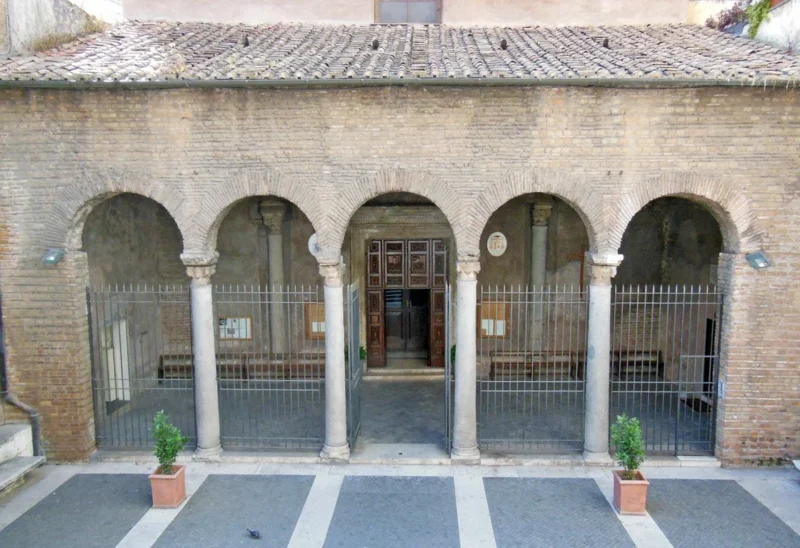
- St. Paul’s Within the Walls200 m
- Enrico Fermi Center – Historical Museum of Physics and Study and Research Center at the Viminale200 m
- Basilica of San Vitale200 m
- Evangelical Methodist Church200 m
- Church of Sant’Andrea al Quirinale200 m


Upcoming events nearby
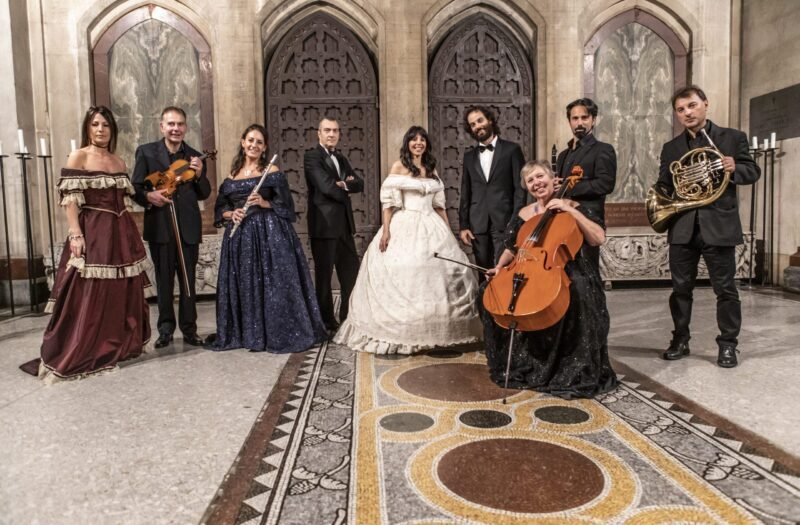
- Opera Concerto at St. Paul’s Within the Walls, Every Thursday Through December 9, 2027200 m
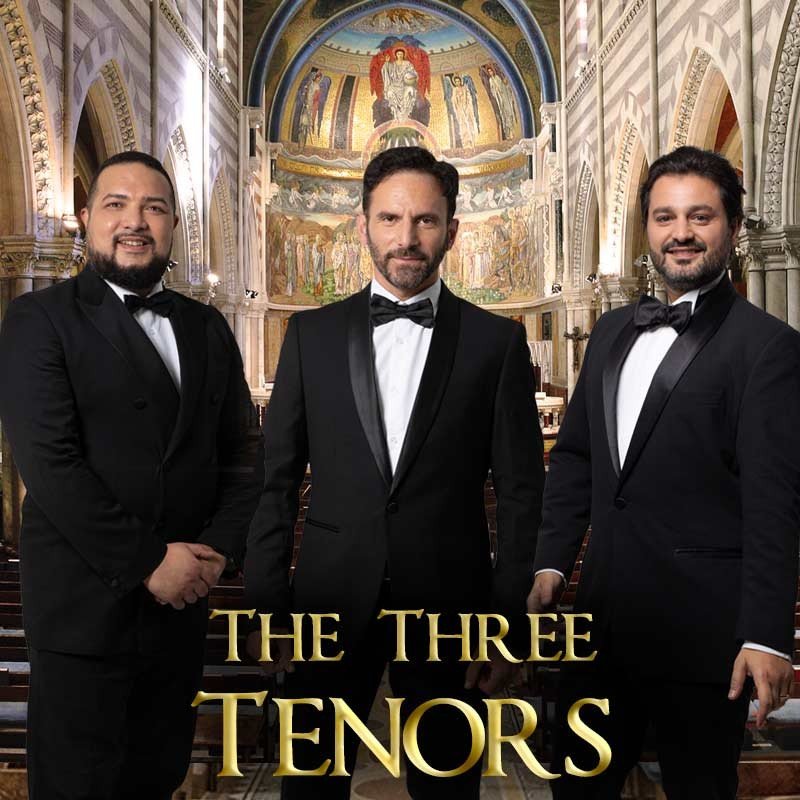
- The Three Tenors at the Church of San Paolo entro le Mura, through December 22, 2026200 m
- La Traviata by Giuseppe Verdi at St. Paul’s Within the Walls, through December 19, 2026200 m
- Malia, Neapolitan musical salon of the 1800s at St Andrew’s Church of Scotland, November 1 and 22, 2026200 m

You might also like
- L’inconveniente with Milena Vukotic at Teatro Quirino, January 19 to 31, 2027
- Se devi dire una bugia è meglio dirla grossa by Ray Cooney at Teatro de’ Servi, from February 23 to March 7, 2027
- Figli maschi by Centouno at Teatro Sala Umberto, February 16 to 28, 2027
- Don Giovanni with Simone Toni and Enzo Paci at Teatro Sala Umberto, February 2 to 14, 2027
- Una delle ultime sere di Carnovale at Teatro Argentina, February 2 to 14, 2027
- The Madness of King George with Massimo Popolizio at Teatro Argentina in Rome, January 9 to 31, 2027