Fulco Pratesi. Acquerelli Pionieri at Museo di Roma in Trastevere, from September 16 to December 6, 2026
In short. Fulco Pratesi. Acquerelli Pionieri, the show dedicated to the artistic work of the founder of WWF Italia, is open at the Museo di Roma in Trastevere from September 16 to December 6, 2026, in Piazza di Sant'Egidio 1/b, a few steps from…
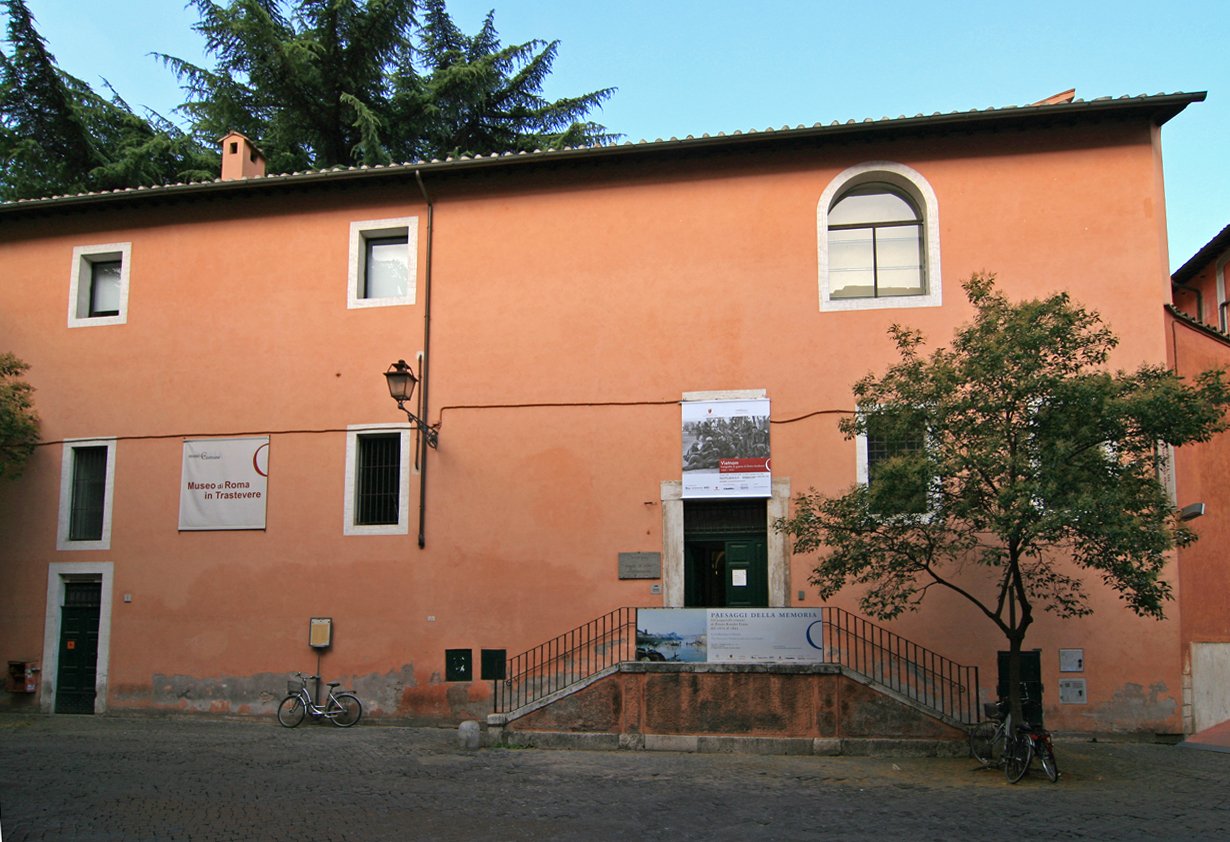
Fulco Pratesi. Acquerelli Pionieri, the show dedicated to the artistic work of the founder of WWF Italia, is open at the Museo di Roma in Trastevere from September 16 to December 6, 2026, in Piazza di Sant'Egidio 1/b, a few steps from Piazza di Santa Maria in Trastevere. The museum is open Tuesday through Sunday from 10:00 to 20:00, with last entry at 19:00, and closed on Monday. You can get there conveniently by tram 8, getting off in Piazza Sonnino area and continuing on foot. The museum ticket costs €13 full price and €8.50 reduced if bought at the ticket office for the same day. Buying in advance online, at 060608 or at the ticket office for later days carries a presale fee of €1. Admission is free for residents of Rome and the metropolitan area with a document proving residence, for MIC card holders and for the categories covered by the fare schedule. Tickets are bought through the official channel indicated by the museum, at 060608 or at the ticket office.
Fulco Pratesi at Museo di Roma in Trastevere: dates, hours and tickets
The show celebrates the 60th anniversary of WWF Italia, founded in 1966, with a tribute to its founder in his lesser-known role: that of the artist, the draftsman, the watercolorist.
Dates and hours
From September 16 to December 6, 2026, Tuesday through Sunday from 10:00 to 20:00. The ticket office closes at 19:00. On Monday the museum is closed. The museum recommends checking its notices page before planning your visit, for any changes.
Tickets
At the ticket office, for the same day, full price is €13 and reduced is €8.50, in cash or by card. With advance purchase, online, through the call center or at the ticket office for later days, a one euro presale fee is added. Residents of Roma Capitale and the metropolitan area get in free by showing a document proving residence.
MIC card
With the MIC card, the Musei in Comune pass, admission is free. On October 14, 2026 a visit to the show reserved for cardholders is scheduled, as part of the aMICi activities.
Information
The reference number is 060608, open every day from 9:00 to 19:00.
What you see in Acquerelli Pionieri
The show leads the visitor into a vast creative universe: a selection of watercolors and drawings made with surprising immediacy, illustrated notebooks filled in every day for decades, travel notes.
The intimate side of a public man
The museum presents the show as the revelation of the most intimate and personal side of Fulco Pratesi: that of the artist who observed, told and defended nature all his life, turning drawing into a tool of knowledge, emotion and civic commitment. For those who know Pratesi from television and from the environmental battles, it's a discovery.
The animals of his battles
The watercolors don't depict only animals and landscapes. The species that populated his conservation campaigns, migratory birds, wolves, bears, cetaceans, sea turtles, fish and Mediterranean fauna, return in the works as protagonists. Many of the subjects belong to the ecosystems that Pratesi helped concretely to protect. The show is, in this sense, an atlas of his battles drawn with his own hands.
The notebooks
The heart of the show, in our view, is the notebooks: illustrated books filled in daily over decades. They are the record of a gaze that never stopped, and they explain better than any speech where Pratesi's environmentalism comes from: from the habit of observing.
Precision and wonder
The press release speaks of a visual universe able to combine scientific precision and poetic wonder. It's the right key: a naturalist's watercolors are always also documents, but in these there is a lightness that comes from the immediacy of the stroke. The image chosen to present the show, a yellow-billed loon from 1976, watercolor and ink on paper, shows it well.
Drawing as civic commitment
The museum uses a precise expression: Pratesi turned drawing into a tool of knowledge, emotion and civic commitment. It means that these sheets aren't a pastime on the sidelines of the battles, but their starting point. Whoever draws a wolf must first look at it for a long time, understand how it moves, where it lives, what threatens it. From that attention, the show suggests, defense is born. It's a lesson that holds today too, in an age when nature is looked at mostly through a screen: the show invites you to slow down, to observe, to take notes.
The quick stroke
The press release insists on immediacy: watercolors and drawings made with surprising speed. It's the technique of someone who jots down quickly what they see, before the scene changes. Look at the edges of the sheets, the stains, the corrections: they tell the rhythm of the work better than any caption.
Who Fulco Pratesi is: the biography
Fulco Pratesi was born in Rome on September 6, 1934. An architect, naturalist, writer, journalist, illustrator and popularizer, he founded WWF Italia in 1966 and for more than 40 years was its main point of reference.
From architect to naturalist
He graduated in architecture in 1960, the same year he married Fabrizia de Ferrariis Salzano. They have four children and six grandchildren. In 1965 he gave up the architect's profession to dedicate himself to nature conservation. The following year he founded WWF Italia.
WWF and LIPU
He became vice president of WWF Italia in 1970, then president from 1979 to 1992 and from 1998 to 2007. Since 2007 he has been honorary president. From 1975 to 1980 he was also president of LIPU. He designed many national parks and nature reserves in Italy and abroad.
The institutions and Parliament
From 1970 to 1980 he was a consultant to Italia Nostra on ecological problems and, from 1966 to 1972, represented it on the CNR's Nature Conservation Commission. He is a member of the Consulta per la Difesa del Mare and of the Consiglio Nazionale dell'Ambiente. From April 1992 to March 1994 he was a deputy in the Greens group. From 1995 to 2005 he presided over the Parco Nazionale d'Abruzzo.
The great battles
The museum recalls the historic Operazione San Francesco for the protection of the wolf, the campaigns in defense of the Marsican bear and of the national parks, and the commitment that contributed to the birth of the 1991 framework law on protected areas. For generations of Italians, the museum writes, Pratesi was the very face of environmentalism, through television, books, articles, meetings in schools and activities in the WWF Oases.
The journalist
From 1979 he directed for many years the youth magazine L'Orsa. He is a longtime contributor to the Corriere della Sera on nature and animals, writes for L'Espresso in the Pagine verdi, alongside Cederna and Amendola, and has the monthly column Ecologia domestica in La Nuova Ecologia. Today he is editor in chief of Panda, the association's magazine, born as a bulletin in 1966.
The writer and illustrator
He has published, among others, the Guide alla Natura d'Italia, Clandestini in città, Esclusi dall'Arca, Il mondo della palude, the novel I cavalieri della grande laguna, Natura in città, Taccuini naturalistici, Nel mondo degli uccelli, Un cane, Storia della natura d'Italia and the autobiography In nome del panda, winner of the Acqui Ambiente prize in 2016. He illustrated many of these books himself. In 2012 Professor Franco Pedrotti dedicated to him the volume I disegni di Fulco.
Recognitions
In 2015 he received the Green Globe Banking prize ad honorem. In 2020 the University of Palermo conferred on him an honorary master's degree in Biodiversity and Environmental Biology. In 2023 he won the Gambrinus Mazzotti literary prize for ecology. For his 83rd birthday a new orchid was dedicated to him, Ophrys pratesii, a hybrid discovered in Salento.
The 60 years of WWF Italia and Pratesi's show
Acquerelli Pionieri is part of the initiatives for the 60th anniversary of WWF Italia, founded by Fulco Pratesi in 1966. The show is organized by the association itself, which thus signs its own anniversary with a portrait of its founder.
From the bulletin to Panda
In 1966 the association's bulletin was also born, which would become Panda, the magazine of which Pratesi is today editor in chief. 60 years of environmental communication pass through those pages, and through many drawings by Pratesi himself.
The Oases
The museum recalls the activities in the WWF Oases as one of the tools with which Pratesi brought thousands of people closer to nature. It's a concrete legacy: protected areas where families and schools can observe in real life the animals that in the watercolors are on paper.
Why it's called Pionieri
The title says a lot. Pioneers are the watercolors, made when environmentalism in Italy was a cause of the few. A pioneer is Pratesi, who in 1965 left architecture to dedicate himself to conservation, a year before founding WWF Italia. The show gives back that dawn moment, and does it with the simplest means: paper, color, a brush.
The curators: Olympia and Isabella Pratesi
The show is curated by Olympia Pratesi with the collaboration of Isabella Pratesi, and is organized by WWF Italia ETS as part of the initiatives for the association's 60th anniversary. It is promoted by Roma Capitale, Assessorato alla Cultura, and by the Sovrintendenza Capitolina ai Beni Culturali, with the museum services of Zètema Progetto Cultura. A show curated within the family has an obvious advantage: access to the notebooks and the most private materials, the ones no public archive holds. That's what makes this exhibition different from a simple institutional tribute.
A curiosity about Fulco Pratesi. Acquerelli Pionieri at Museo di Roma in Trastevere, from September 16 to December 6, 2026
The nicest curiosity is botanical: an orchid was dedicated to Fulco Pratesi. On the occasion of his 83rd birthday, a hybrid discovered in Salento was given the name Ophrys pratesii. Few people can say they have a flower with their own name, and for a naturalist who spent his life drawing plants and animals it's a tribute worth more than many medals.
The second curiosity concerns the museum. Museo di Roma in Trastevere holds in its permanent collection the 119 watercolors of the Roma pittoresca by Ettore Roesler Franz, the painter who fixed the Roma pittoresca on paper. Pratesi's watercolors arrive in a museum that is already, in a certain sense, the museum of the watercolor as document: there a city and its corners, here species and landscapes that risked disappearing.
Third curiosity: Pratesi was an architect, and left the profession in 1965 to dedicate himself to nature. The museum that hosts him is an old monastery renovated by architects in the 18th century and in the 1960s. Anyone who looks at his drawings carefully can recognize the eye of someone who studied perspective and the construction of space.
Museo di Roma in Trastevere, the venue of the show
The museum is in Piazza di Sant'Egidio 1/b, in part of the old monastery of the Discalced Carmelites, a few steps from Piazza di Santa Maria in Trastevere. It is one of the Musei in Comune of Roma Capitale.
From monastery to museum
The first core of the monastery dates to the first decades of the 17th century, next to the church of San Lorenzo in Ianiculo, later dedicated to Sant'Egidio. In 1723 the nuns entrusted works to the architect Francesco De Sanctis. In the 1960s the restoration by Attilio Spaccarelli with Fabrizio Bruno brought the 18th-century architecture back to light.
A new mission
The museum was born in 1976 to tell the popular traditions of Rome in the 18th and 19th centuries. In 2000 it changed name and mission, and today it stands out for its big shows, especially photographic ones, with a cloister used as a multipurpose space.
The permanent collection
Alongside the shows, the museum holds the watercolors of Roesler Franz, 76 small oils by Diego Angeli, three early paintings by Gino Severini, photographs by Mario Carbone, Emilio Gentilini and Gianni Turillazzi, a nativity scene, the six Scene romane and a room with objects that belonged to Trilussa. The page on the Museo di Roma in Trastevere tells it in detail.
At the same time
From October 1 to November 22, 2026 the museum also hosts Las Grietas by Fabiola Ferrero, a photography show on Venezuela: with a single ticket you see two very different shows.
Something nobody tells you about Fulco Pratesi. Acquerelli Pionieri at Museo di Roma in Trastevere, from September 16 to December 6, 2026
What isn't said enough is that for Romans this show is free. Museo di Roma in Trastevere applies free admission to residents of Roma Capitale and the metropolitan area, with a document proving residence. Many Romans don't know it and pay for the ticket, or worse don't go. Bring a document with your address and walk in.
The second thing is that the museum is open until 20:00, with last entry at 19:00. It's a schedule worth using: a visit at the end of the day, then an aperitivo in Piazza di Santa Maria in Trastevere, is one of the most pleasant ways to spend a fall evening in Rome.
Third: this isn't a show for specialists. Anyone who thinks a show of naturalistic watercolors is a matter for ornithologists is wrong. It's a show about how you look at the world, and about the fact that the defense of nature starts from there. The museum writes it explicitly: Pratesi's commitment was born first of all from a gaze capable of wonder.
My advice for visiting Fulco Pratesi. Acquerelli Pionieri at Museo di Roma in Trastevere, from September 16 to December 6, 2026
My advice is to give the longest part of the visit to the notebooks. The finished watercolors are beautiful, but the notebooks filled in day by day, for decades, tell the method: patience, note-taking, repetition. Read the captions, look for the dates, try to reconstruct where Pratesi was when he drew.
Then do an exercise: look in the watercolors for the animals of his battles, the wolf, the Marsican bear, the sea turtles, and remember that many of those species are still here partly thanks to him. It's the best way to understand that the show isn't a nostalgic tribute but a piece of Italian civic history.
If you come with children, give them a notebook and a pencil on the way out. There's no better way to take this show home than trying to draw a bird or a tree on the Gianicolo, with the same gaze as the notebooks you've just seen.
Another well-known fact, yet rarely mentioned
It's well known that Fulco Pratesi founded WWF Italia in 1966. Less often mentioned is that, in the same period, he was also president of LIPU, from 1975 to 1980, and that for 10 years, from 1995 to 2005, he presided over Parco Nazionale d'Abruzzo, the park of the Marsican bear. He was, put differently, an executive of institutions as well as an activist and a popularizer.
Also rarely mentioned is his time in Parliament: from April 1992 to March 1994 he was a deputy in the Greens group. And his contribution to the 1991 framework law on protected areas, which the museum recalls as one of the fruits of his commitment.
Finally, few people know that many of his books, from the Guide alla Natura d'Italia to the Taccuini naturalistici, are illustrated by him. Anyone who grew up in the 1970s and 1980s has probably leafed through drawings by Pratesi without knowing they were his. This show gives a name back to those images.
The right photo to take at Fulco Pratesi. Acquerelli Pionieri at Museo di Roma in Trastevere, from September 16 to December 6, 2026
The right photo isn't of the watercolors, which the phone flattens and which in any case should be photographed only if the museum's rules allow it. It's of the cloister, the open space around which the old monastery is organized: with the late afternoon light on the arcades it tells the place better than any detail.
The second photo is taken in Piazza di Sant'Egidio, framing the museum entrance and the plaque dedicated to Ettore Marchiafava, the doctor after whom the children's antimalarial sanatorium housed in the building was named in 1921. A detail almost everyone overlooks.
The third is a tribute to Pratesi: the first bird you meet on your way out, a gull on the Tiber, a sparrow in the square, a starling on the plane trees. Photograph it, or better yet draw it. It's exactly what the show invites you to do.
How to get to Museo di Roma in Trastevere
The museum is in Piazza di Sant'Egidio 1/b, in the Trastevere district. The most convenient way is tram 8, which runs along Viale di Trastevere.
By tram
Tram 8 connects Piazza Venezia and Largo Argentina with Trastevere along Viale di Trastevere. You get off in Piazza Sonnino area and continue on foot toward Piazza di Santa Maria in Trastevere and Piazza di Sant'Egidio.
By train
Roma Trastevere station, served by regional trains, is connected to the district by tram 8, which stops on the station forecourt.
On foot
From the historic center you get there by crossing Ponte Sisto from Campo de' Fiori or from the Ghetto, then through the lanes of the district: about a quarter of an hour's walk.
By car
Trastevere is largely a limited-traffic zone and parking is very scarce. Better to leave the car outside the district and use the tram or a taxi.
Accessibility and visiting with children
Museo di Roma in Trastevere is a civic museum housed in a historic building. For updated information on accessibility, elevators and services, call 060608, open every day from 9:00 to 19:00.
With children
This is one of the best shows for children among those on in Rome in the fall: wolves, bears, turtles, birds, fish, told in the color of watercolor. For the little ones, the Scene romane and the nativity scene of the permanent collection complete the visit. Pratesi directed a youth magazine, L'Orsa, for years: his visual language is designed with them in mind too.
Length of the visit
For the show and a walk through the permanent collection, plan on an hour and a half.
Some important events that took place here in history
First decades of the 17th century: the Discalced Carmelites found the first core of the monastery next to the church of San Lorenzo in Ianiculo, later dedicated to Sant'Egidio. The canonization of Saint Teresa of Avila, in 1622, gives momentum to the order in the district.
1723: the nuns entrust the works to the architect Francesco De Sanctis.
From 1875: after the expropriation, the complex becomes barracks for the municipal guards, then Pretura del V Mandamento. In the early 20th century it is a Casa di contumacia, a lazaretto for refugees from the Marsica earthquake, and a shelter for sick soldiers of the Great War.
1921: the complex becomes a children's antimalarial sanatorium, named after Ettore Marchiafava.
1960s: the restoration by Attilio Spaccarelli and Fabrizio Bruno brings the 18th-century architecture back to light.
1976: the museum of Roman popular traditions opens. In 2000 it changes name and mission.
1966-2026: WWF Italia, founded by Fulco Pratesi in 1966, turns 60. On September 16, 2026 the museum opens Acquerelli Pionieri, on view through December 6.
Who passed through Fulco Pratesi. Acquerelli Pionieri at Museo di Roma in Trastevere, from September 16 to December 6, 2026
Through the halls of Museo di Roma in Trastevere have passed, in the form of works, some of the great storytellers of Rome. Ettore Roesler Franz, with the 119 watercolors of the Roma pittoresca. Diego Angeli, with 76 small oil paintings. Gino Severini, with three early paintings. Trilussa, with the objects of the room dedicated to him. And the photographers of 20th-century Trastevere: Mario Carbone, Emilio Gentilini, Gianni Turillazzi.
Through the building have passed the architect Francesco De Sanctis, who worked there in 1723, and the doctor Ettore Marchiafava, after whom the sanatorium was named in 1921. Then, in the 1960s, the architects Attilio Spaccarelli and Fabrizio Bruno. In recent years the temporary shows have brought photographers from all over the world here, and this fall Fabiola Ferrero with Las Grietas.
With Acquerelli Pionieri comes Fulco Pratesi, a Roman, an architect turned naturalist, and with him, on paper, the wolves of Operazione San Francesco, the bears of Parco d'Abruzzo, the sea turtles and the migratory birds. Next to him the curators, Olympia and Isabella Pratesi, and WWF Italia, which organized the show.
Around Museo di Roma in Trastevere
The museum is at the center of the district, and the visit pairs easily with a walk. The page on what to see in Trastevere collects the main stops.
Santa Maria in Trastevere
Two minutes on foot away is the Basilica of Santa Maria in Trastevere, with the mosaics of the facade and the apse.
The Gianicolo and the Botanical Garden
Climbing from Via Garibaldi you reach the Janiculum Hill, with its overlook on the city. At the foot of the hill is the Orto botanico di Roma: after a show of naturalistic watercolors, the perfect complement.
Villa Farnesina and Villa Sciarra
Toward Via della Lungara is the Villa Farnesina with the frescoes of Raphael and his workshop. Toward Monteverde is the garden of Villa Sciarra.
A bigger nature
If you want to extend the experience outside the city, you can visit the WWF Oasis of Macchiagrande: one of the places where Pratesi's legacy can be seen in real life.
Where to eat near the museum
Trastevere is one of the districts with the most restaurants in Rome, and the offer around Piazza di Santa Maria ranges from trattoria to pizzeria to aperitivo bar. The main squares are the most touristy. Moving a few lanes toward Viale di Trastevere, the offer becomes more neighborhood-oriented. For dinner it's best to book, especially on weekends.
How to organize your visit to the show
When to go
The museum is open Tuesday through Sunday until 20:00. Weekday mornings are the quietest. Late afternoon lets you combine the show with an evening walk in Trastevere. The visit for MIC card holders is scheduled for October 14.
Two shows, one ticket
From October 1 to November 22, the museum ticket also lets you see Las Grietas by Fabiola Ferrero. If you have time you can do both shows in an hour and a half, plus a pass through the permanent collection.
Before you leave
Check the museum's notices page and, if you're a resident, bring a document proving residence. For information there is 060608, every day from 9:00 to 19:00.
Trastevere in fall: the period of the show
The show covers full fall, from mid-September to early December. It's the season when Trastevere goes back to the Romans after the summer, the lanes get quieter during the day and the evening stays lively. The Gianicolo in October and November offers some of the best light of the year over the city. December brings the first signs of the holidays: a visit to the show in the first week of the month, before the closing on December 6, pairs well with a Christmas walk through the district.
Frequently asked questions about Fulco Pratesi at Museo di Roma in Trastevere
Until when is the Fulco Pratesi show in Rome open?
Fulco Pratesi. Acquerelli Pionieri is open at Museo di Roma in Trastevere from September 16 to December 6, 2026, Tuesday through Sunday from 10:00 to 20:00, with the ticket office closing at 19:00. On Monday the museum is closed.
How much does the ticket for the Fulco Pratesi show cost?
At Museo di Roma in Trastevere full price is €13 and reduced is €8.50 at the ticket office for the same day. Buying in advance adds a €1 presale fee. Admission is free for residents of Rome and the metropolitan area with a document, for MIC card holders and for the categories covered.
Do Romans get in free to the Pratesi show?
At Museo di Roma in Trastevere admission is free for residents of Roma Capitale and the metropolitan area, by showing a valid document proving residence. It also applies to the show Fulco Pratesi. Acquerelli Pionieri.
Who curated the Acquerelli Pionieri show?
The show Fulco Pratesi. Acquerelli Pionieri is curated by Olympia Pratesi with the collaboration of Isabella Pratesi, organized by WWF Italia ETS for the association's 60th anniversary and promoted by Roma Capitale and the Sovrintendenza Capitolina.
What do you see in the Fulco Pratesi show?
The show at Museo di Roma in Trastevere has watercolors and drawings by Fulco Pratesi, illustrated notebooks filled in over decades and travel notes. The protagonists are wolves, bears, migratory birds, cetaceans, sea turtles and Mediterranean fauna.
Who is Fulco Pratesi?
Fulco Pratesi, born in Rome in 1934, is the architect and naturalist who founded WWF Italia in 1966, of which he was president and is now honorary president. He led Operazione San Francesco for the wolf and presided over Parco Nazionale d'Abruzzo from 1995 to 2005.
Is the Fulco Pratesi show suitable for children?
The show Fulco Pratesi. Acquerelli Pionieri is very suitable for children, because it tells of animals and nature with the color of watercolor. At Museo di Roma in Trastevere the visit is completed by the nativity scene and the Scene romane of the permanent collection.
Final advice on Acquerelli Pionieri
The show is worth the visit, and for residents of Rome admission is free. Acquerelli Pionieri is a small, sincere show that gives a public man back his most private dimension and reminds everyone that the defense of nature begins with a pencil and a notebook. On your way out it's worth going up the Gianicolo and looking at the trees: you see them differently.
Article written by the editorial team of Tour Leader Pro, contact them for Private/Corporate/V.I.P. Tours and Experiences.
Planning a trip to Rome? The English-language guides to visiting the city are on ItalyPlanner.com.
Contact Information
Nearby
 Museo di Roma in Trastevere100 m
- Basilica of Santa Maria in Trastevere100 m
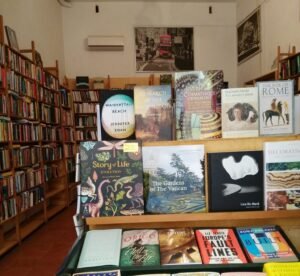
- Almost Corner Bookshop100 m
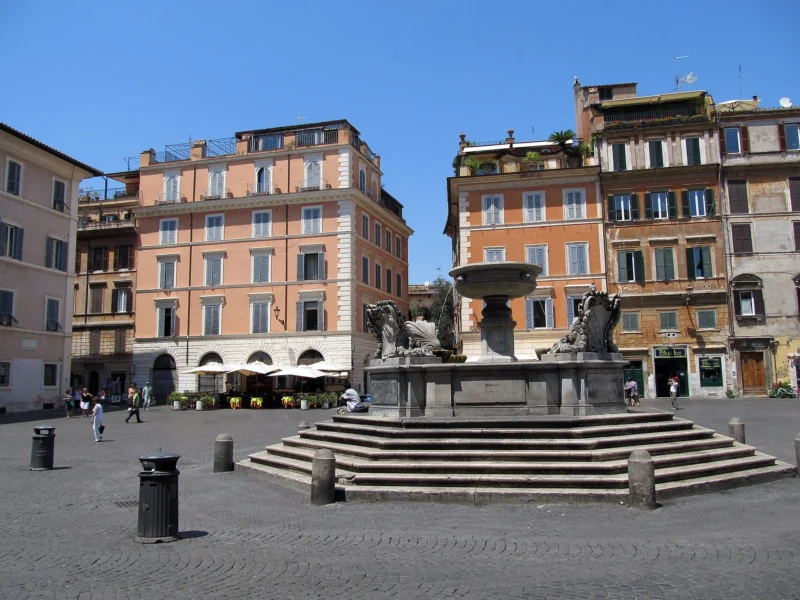
- Piazza di Santa Maria in Trastevere100 m
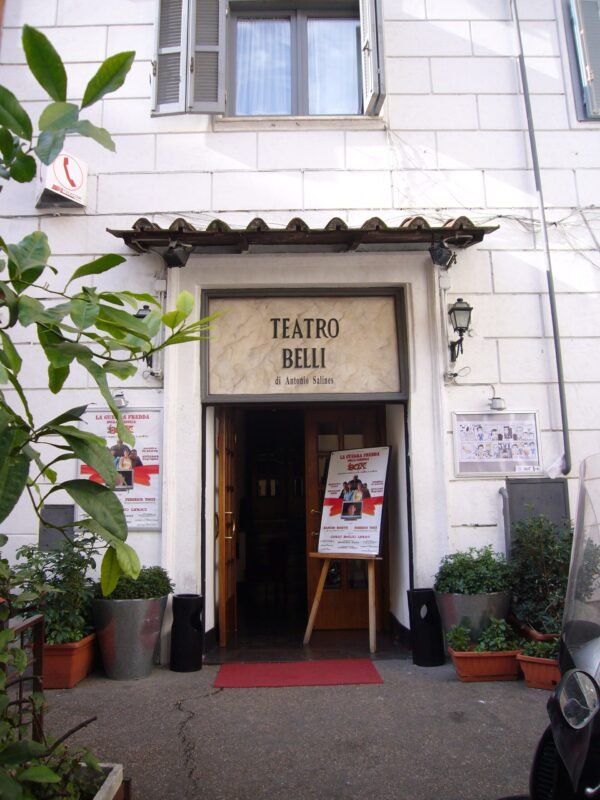
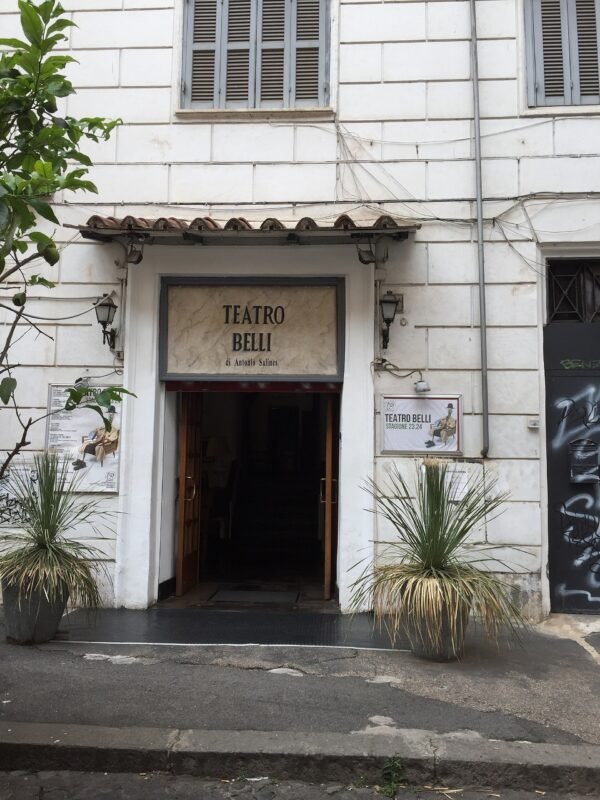
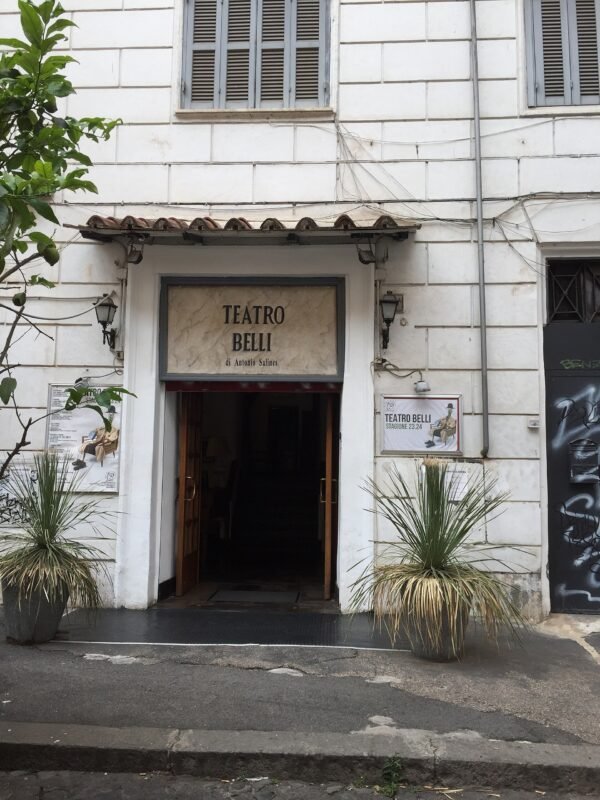
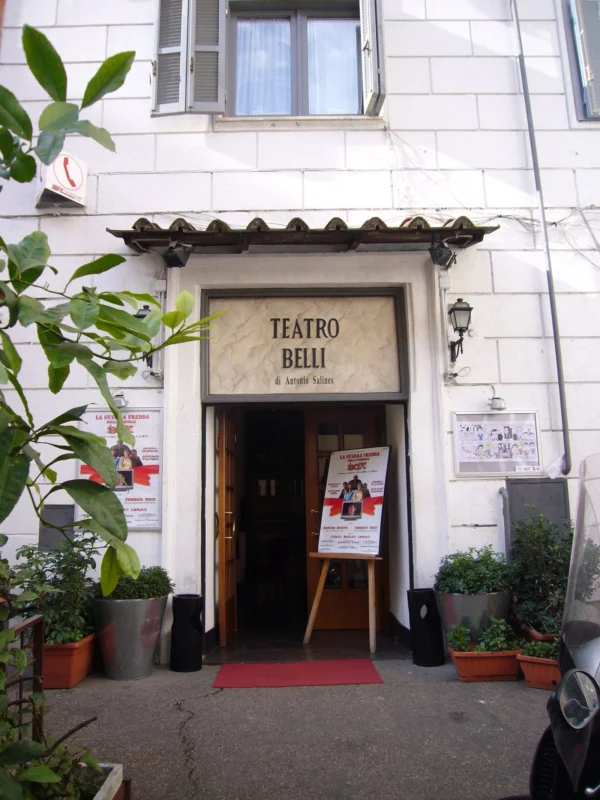
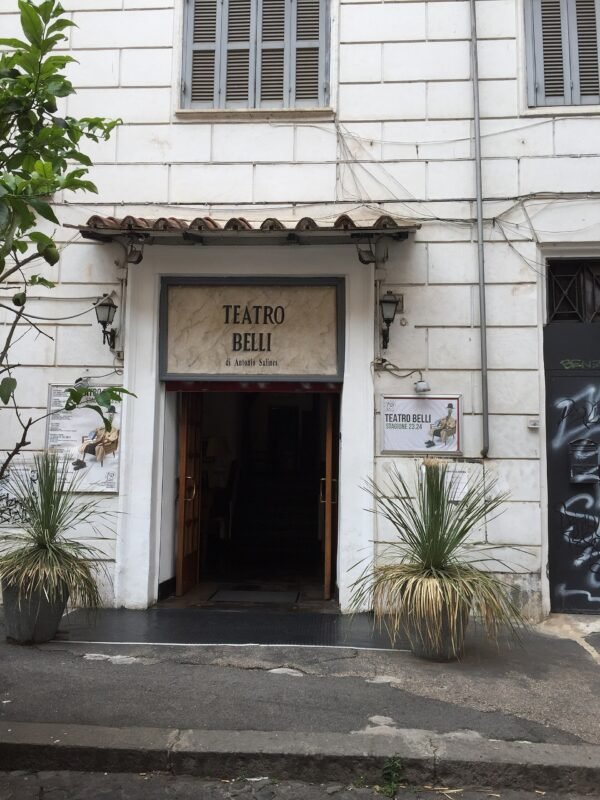
- Teatro Belli200 m
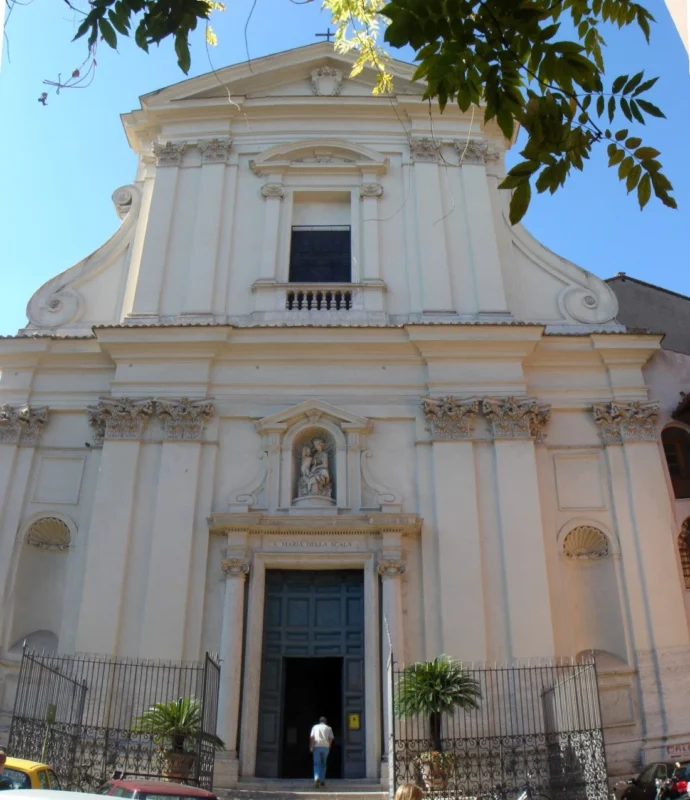
- Church of Santa Maria della Scala200 m
Upcoming events nearby
- Las Grietas by Fabiola Ferrero at Museo di Roma in Trastevere, from October 1 to November 22, 2026100 m
- Le Parole delle Scrittrici at Museo di Roma in Trastevere, October 15, 2026 to May 27, 2027100 m
- The Thin Line at Museo di Roma in Trastevere, Oct 28, 2026 to Feb 21, 2027100 m
- RE_Mare at Teatro Belli, December 1 to 6, 2026200 m
You might also like
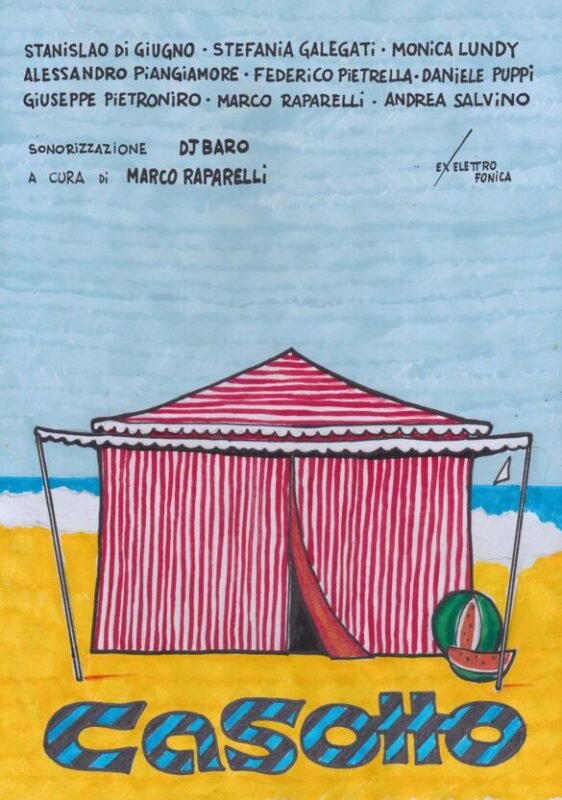
- Casotto at Ex Elettrofonica, October 16 to December 20, 2026
- The Banality of Evil at Teatro Belli, January 29-31, 2027
- Non sono cento volte by Emiliano De Martino at Teatro Belli, January 15 to 17, 2027
- Maledetto Stanislavskij at Teatro Trastevere, December 8 to 13, 2026
- Luci rotte at Teatro Belli, December 8 to 11, 2026
- Riflussi by Igor Maltagliati at Teatro Trastevere, November 20 to 22, 2026