Published on · updated on
Some links on this page are affiliate links. If you buy through them, Estate Romana receives a small commission, at no extra cost to you. As an Amazon Associate, Estate Romana earns from qualifying purchases.
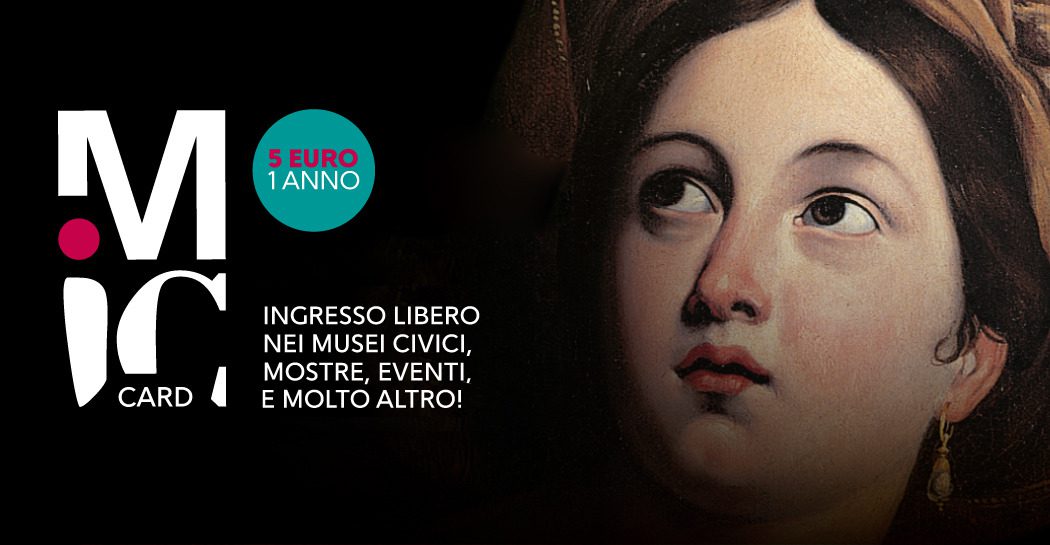
The MIC card Roma is the pass of the Roma Capitale Museum System. For entry to the city museums it costs €5 and is valid for 12 months, during which you get in free and without limits to the museums in the system and to several archaeological sites run by the Capitoline Superintendency. It’s available to adults who live or are domiciled in Rome and the Metropolitan City, and to students of the public and private universities in the area. It’s not a card for tourists.
One important thing changed in February 2026: residents of Rome and the Metropolitan City now get into the city museums free even without the card. So the MIC card Roma remains essential mainly for people temporarily domiciled in the city and for university students, while for residents it matters for the extra perks: discounts on exhibitions, on the Planetarium and on other initiatives, visits with curators, discounts at cafes and bookshops.
Data checked on October 9, 2026 on the official Musei in Comune Roma portal and on the card’s official website, miccard.roma.it. Current exhibitions and partnerships change during the year. The updated list is on those two sites.
MIC card Roma at a glance
- What it is: the annual pass of the Roma Capitale Museum System, which gives free and unlimited entry for 12 months to the city museums and to some archaeological sites in the city.
- Price: €5 for a year of entries, according to the official website miccard.roma.it on the date of checking. After 12 months it has to be renewed.
- Who can get it: adults who live or are domiciled in Rome and the Metropolitan City, and students of the public and private universities in the area.
- Where to buy it: online at miccard.roma.it, with the MIC Card app, at the ticket offices of the museums in the system and at the Tourist Infopoints.
- News for 2026: since February 2026 residents get into the city museums free even without the card. The card is mainly for temporary domiciliaries and students.
- Extra perks: discounts on exhibitions with a separate ticket, the Planetarium and Circo Maximo Experience, free visits with curators, 10% off at cafes and bookshops.
Which museums are free with the MIC card Roma?
The core of the card is the city museums, the ones run by the municipality and not by the State. There are the Capitoline Museums, the oldest public museum in the world, and the Centrale Montemartini, where ancient statues stand next to the turbines of a power plant. There are the Trajan’s Markets with the Museum of the Imperial Forums, the Ara Pacis Museum and the Museo di Roma at Palazzo Braschi. For these four, free entry covers the permanent collections. The exhibition spaces have a reduced ticket for card holders.
Then the smaller museums, often the best to visit without crowds: the Galleria d’Arte Moderna, the Museo di Roma in Trastevere, the Museums of Villa Torlonia with the Casina delle Civette, the Museo Barracco of ancient sculpture, the Museo Carlo Bilotti at the Aranciera of Villa Borghese, the Museo Pietro Canonica, the Villa of Maxentius on the Appian Way, the Napoleonic Museum and the Civic Museum of Zoology.
Some museums in the system are free for everyone, with or without the card: the Alberto Moravia House Museum, the Museum of the Walls
at Porta San Sebastiano, the Museo di Casal de’ Pazzi and the Museum of the Roman Republic and Garibaldi Memorabilia. The complete, updated list is in the partner venues section of the official website.

What about the Superintendency’s archaeological sites?
The card also opens several archaeological and historical-artistic sites of the Capitoline Superintendency, many of which can only be visited on certain days or by reservation. Among them are the archaeological area of the Circus Maximus, the Tomb of the Scipios, the Aqua Virgo aqueduct, the Mithraeum of the Circus Maximus, the Auditorium of Maecenas, the sacred area of Sant’Omobono and the columbarium of Pomponius Hylas in the Parco degli Scipioni.
Some have reduced opening hours, listed on the card’s website: the Casa dei Cavalieri di Rodi opens to card holders on Tuesdays and Thursdays, the Casina del Cardinal Bessarione on Saturdays and Sundays. For the Imperial Forums the rule is different: with the card you get in free only to the area under the Capitoline Superintendency and only during dedicated initiatives, like Archeologia in Comune or the aMICi visits. The Roman Forum and the Palatine belong to the State and have a separate ticket.
The practical tip is to look at the calendar of free events with the card, on the Musei in Comune portal, and select the dedicated filter. Many minor sites can only be visited on these occasions, with Superintendency staff.
Is the MIC card Roma still worth it for Rome residents?
Here is this editorial team’s contrarian position: for many Romans, from 2026, the card is no longer needed to get in. The official portal says it clearly: since February 2026 residents of Rome and the Metropolitan City get into the city museums free. If you go to a museum twice a year, for the permanent collections, you can do without the card and show up with a document that proves your residency.
The card is still useful to residents in three cases. The first is if you go to the big exhibitions of the city museums, which have a separate ticket: with the card you pay the reduced price. The second is if you go to the Planetarium, the Circo Maximo Experience, the Roma Imperiale Virtual Reality Bus, the Bunker of Villa Torlonia or the evening visits “L’Ara si rivela”, all initiatives with a discount for card holders. The third is if you want to take part in the free visits with curators in the aMICi program, which are reserved for people with the card.
For temporary domiciliaries, people living away from home and university students, it’s the opposite. For them the card remains the free way into the whole system, at the price of a coffee and a cornetto for a whole year. If you study or work in Rome for a few months, it’s the first thing to do.

How do you plan a year of museums with the card?
The best way to use the pass is to divide the museums by area and give each one half a day, maybe on Sunday morning. The first area is the Campidoglio with the Capitoline Museums, to combine with the Trajan’s Markets on the other side of Via dei Fori Imperiali. The second is the center between Piazza Navona and the Tiber, with Palazzo Braschi, the Museo Barracco, the Napoleonic Museum and, a bit farther north, the Ara Pacis. The third is Villa Borghese, with the Canonica, the Bilotti and the Museum of Zoology
.
Then there are the museums you have to go out of your way for, which with free entry become a good excuse to see a new neighborhood. The Centrale Montemartini takes you to Ostiense, Villa Torlonia to Via Nomentana, the Museum of the Walls to the start of the Appian Way, with the Villa of Maxentius a few kilometers farther on. The Museo di Roma in Trastevere pairs with a walk through the neighborhood.
With kids, the best museums are the Civic Museum of Zoology, the Museums of Villa Torlonia with the Casina delle Civette and the Planetarium, where shows have a reduced ticket for card holders. Remember that the card is for adults. For minors, the free entry and discount rules of the individual museums apply, listed on the official portal. A short visit, an hour or a little more, works better than a whole morning. Free entry lets you come back.
One last warning concerns closing days and capacity. The city museums usually have one weekly closing day and hours that change between summer and winter. The minor archaeological sites open only on certain dates. Before you head out, check the page of the individual museum and the notices section of the portal, where extraordinary closures and works appear. It’s a two-minute check that saves you from finding a closed gate.
How do you buy and use the MIC card Roma?
The easiest way is the official website miccard.roma.it, or the MIC Card app for Android and iOS. You create an account, choose if to buy, renew or activate a card received as a gift, enter the required data and pay. At the end the digital card stays in your personal area and you show it, printed or on your phone, at the museum’s access control. If you prefer the counter, you can buy it at the ticket offices of the museums in the system or at the Tourist Infopoints.
At the time of purchase you are asked for the data that prove your right to the card: residence or domicile in the Metropolitan City, or enrollment at a university in the area. The precise rules and accepted documents are in the frequently asked questions of the official website, which you should read first, especially if you have a temporary domicile.
With the card you can also book your entry from the website, a useful feature on very busy days and for exhibitions. The card is personal, you can’t lend it. It also exists in a gift version, the MIC Gift, which the recipient activates online: an idea for someone who just arrived in the city from elsewhere.
What other discounts does the MIC card give?
Besides entries, the card gives a 10% discount at the cafes and bookshops of the museums in the system. It doesn’t apply to catalogs and official exhibition products, nor in the bookshops dedicated to the exhibitions at Palazzo Braschi and the Ara Pacis. On the date of checking, the official website also lists discounts for the Diego Rivera exhibition at the Capitoline Museums, at Villa Caffarelli, and for Keith Haring at the Museo di Roma at Palazzo Braschi.
Then there are time-limited partnerships with other cultural institutions of Roma Capitale. For the 21st edition of the Rome Film Festival, from October 13 to 25, the card’s website announces a 20% discount on tickets with a dedicated code, with a maximum number of tickets per film and per transaction. These are perks that change from season to season, so it’s worth checking the perks page every now and then.
A note on exhibitions. The big temporary exhibitions of the city museums often have a separate ticket, even for people who get into the collections free: with the card you pay the reduced price, without the card the full price. Before you go, check on the exhibition page if entry to the permanent rooms is included and if a timed reservation is needed. On the weekends of the most popular exhibitions, booking saves you the line at the ticket office, which is sometimes the same for all visitors.
Finally, kids and teenagers: the card is personal and reserved for adults, while for minors the free entry and discount rules of the individual museums apply, published on the official portal. Before a family visit, read them and bring the documents that prove age and residency.
And if you’re visiting Rome as a tourist?
If you neither live nor study in Rome, you can’t get the card. For the city museums you pay the regular ticket, bought at the ticket office or on the official website. For an intensive visit of several days there are city passes, like the official Roma Pass or the Turbopass options
, which you have to compare with the places you’ll actually visit.
The big state and Vatican museums aren’t part of the city system and have their own tickets, often timed. You book them on the official websites or with resellers like Tiqets for the Colosseum and Tiqets for Castel Sant’Angelo. On GetYourGuide there are the entry to the Colosseum and Roman Forum with audio guide, the priority ticket for the Vatican Museums and the Sistine Chapel, the entry to the Galleria Borghese with audio guide and the ticket for Castel Sant’Angelo. An overview of the city’s museums is in the Museums section of Estate Romana.
If you’re moving to Rome for study or work, going from tourist to domiciled changes a lot. From the moment your domicile is registered, the card becomes available and with a single purchase you get into all the city museums for a year. It’s worth getting it in the first week, before classes or shifts start, and using the first weekends to see the major museums at a relaxed pace, leaving the minor sites for the openings on the calendar.
What should you read before visiting the city museums?
Good reading before the visit changes what you see. The links below lead to Amazon searches among the books.
Books and guides
- Guides to the Capitoline Museums: to find your way between Palazzo dei Conservatori and Palazzo Nuovo.
- Books on the Ara Pacis: Augustus’s monument and its political program.
- Histories of ancient Rome: the context for the Forums, Trajan’s Markets and the Centrale Montemartini.
- Guides to archaeological Rome: useful for the minor sites open with the card.
Frequently asked questions
How much does the MIC card Roma cost in 2026?
According to the official website miccard.roma.it, on the date of checking the card costs €5 and gives 12 months of free entries to the Roma Capitale Museum System. After a year it has to be renewed, online, at the museums in the system or at the Tourist Infopoints. Exhibitions with a separate ticket aren’t free. With the card you pay the reduced price.
Can tourists buy the MIC card?
No. The card is reserved for adults who live or are domiciled in Rome and the Metropolitan City and for students of the public and private universities in the area. Tourists pay the ticket for the individual museums or choose a city pass. For state museums, like the Colosseum or Castel Sant’Angelo, you need separate tickets anyway.
If I live in Rome, do I need the card?
To get into the city museums, no. Since February 2026 residents of Rome and the Metropolitan City get in free. The card is still useful if you want the reduced ticket for paid exhibitions, the Planetarium and the other partner initiatives, or if you want to take part in the free visits with curators in the aMICi program.
Is the MIC card valid for the Colosseum and the Vatican Museums?
No. The Colosseum, the Roman Forum and the Palatine are run by the State through the Colosseum Archaeological Park, and the Vatican Museums by the Holy See. The card covers only the museums and sites of Roma Capitale. For the Imperial Forums it’s valid only in the area under municipal jurisdiction and during dedicated initiatives.
Where do you buy the MIC card?
Online on the official website miccard.roma.it, with the MIC Card app for Android and iOS, at the ticket offices of the museums of the Roma Capitale System and at the Tourist Infopoints. Online, the card is immediately available in digital format in your personal area and you show it, printed or on your phone, at the museum entrance.
What is the aMICi program?
It’s the calendar of free visits reserved for card holders, often led by the museums’ curators or by the Superintendency’s archaeologists, and of special openings of sites that are normally closed. The events are in the calendar of the Musei in Comune portal, by filtering for the free initiatives for card holders. Places are limited.
Who wrote this and from what sources
The text comes from the editorial team of Tour Leader Pro, the best tour operators and boutique agencies in Rome. Price, duration, conditions and partner venues come from the Musei in Comune Roma portal and from the official website miccard.roma.it, as of the date given at the top. Tell us what you find has changed.
Organizing museum visits for yourself or a group of friends, between reservations, opening days of the minor sites and tickets for city and state museums, takes a bit of method. A useful resource for anyone organizing group travel is Tour Leader Pro. If Rome is the first stop of a longer trip through Lazio, Tuscany and Campania, a useful resource for putting together a multi-day itinerary is Italy Planner.