Vivaldi’s Four Seasons at the Methodist Evangelical Church, October 2 to December 18, 2026
In short. Vivaldi's Four Seasons is being performed in the Methodist Evangelical Church on Via XX Settembre in Rome through December 18, 2026, with solo violin and conductor Elvin Dhimitri and the Opera e Lirica ensemble, a string quintet and harpsichord.
Vivaldi's Four Seasons is being performed in the Methodist Evangelical Church on Via XX Settembre in Rome through December 18, 2026, with solo violin and conductor Elvin Dhimitri and the Opera e Lirica ensemble, a string quintet and harpsichord. The next dates are November 4, 11, 20 and 27 and December 4, 11 and 18. Doors open at 20:00, the concert starts at 20:30 and ends at 21:50, with a five-minute intermission between the two halves. The church is on Via XX Settembre at the corner of Via Firenze, in the Castro Pretorio district, and you get there by Metro A at the Repubblica stop. On the producer's official website tickets are listed from 15 euros, taxes included. You buy them on the official Opera e Lirica website.
It's a concert designed for people who want to hear Vivaldi live in a historic setting, on any evening of the week, without the formality of a big hall. The program is honest: three Baroque concertos in the first half, the complete Four Seasons in the second. And the place is one of the least known in the center, a late 19th-century Methodist church with stained-glass windows by Paolo Paschetto, the artist who designed the emblem of the Republic.
Vivaldi's Four Seasons at the Methodist Church: the concert
The concert is produced by Opera e Lirica and performed by an ensemble with a string quintet and harpsichord, led by solo violin and conductor Elvin Dhimitri. It lasts about an hour and 20 minutes, from 20:30 to 21:50.
The first half
The first half includes three concertos: the Concerto F XI No. 4 in A major, with the movements Allegro molto, Andante molto and Allegro. The Concerto La Rustica RV 151 in G major, Presto, Adagio and Allegro. The Concerto RV 127 in D minor, Allegro, Adagio and Allegro. They are short, brilliant pieces that warm up the ear before the main dish.
The second half: the Four Seasons
The second half is entirely devoted to the Four Seasons: Concerto No. 1 in E major RV 269, Spring. No. 2 in G minor RV 315, Summer, with the final storm. No. 3 in F major RV 293, Autumn, with the peasants' dance, the sleeping drunks and the hunt. No. 4 in F minor RV 297, Winter. It's the complete work, not a selection.
The intermission
Between the two halves there is a five-minute intermission. It's short: anyone who wants to go out for air has to do it fast. The advice is to stay seated and look at the stained-glass windows.
Why the Four Seasons: the music and the Baroque
The producer's presentation recalls that the theme of the seasons was already dear to other Baroque composers, such as Werner and Fischer, but that no one treated it in a way as pictorial and moving as Antonio Vivaldi.
Nature as theater
In the Four Seasons nature becomes a story: the birdsong in spring, the summer storms, the foxes' flight in autumn, the rain in winter. The language aims to surprise with unusual melodies, a more marked rhythm and accentuated harmonic contrasts. The music is free, fluid, able to tell a story.
The Baroque of Bernini and Galileo
The producer's program note links the Four Seasons to Roman Baroque art: to the attention to the changes of the landscape found in Bernini's sculptures, and to the new wonder toward nature born after Galileo's discoveries, which took away from man the center of the cosmos. It's a didactic approach, but useful for those who arrive without musical training: the Seasons are the sonic equivalent of a Bernini fountain.
Who Elvin Dhimitri is, solo violin and conductor
Elvin Dhimitri is the solo violin and conductor of the concert. The producer's official biography describes him as an artist able to combine passionate energy and strong communication skills.
The beginnings
In 1992 he received the post of first violin of the Bilkent Youth International Symphony Orchestra. It's an international beginning, in a youth orchestra that trained musicians destined for the great ensembles.
The Italian orchestras
He has performed with the Orchestra Sinfonica dell'Ente Luglio Musicale Trapanese, the Nuova Orchestra Sinfonica Scarlatti of Naples and the Filarmonica Toscanini of Parma, among others. In 1997 he was named first violin of the Orchestra Filarmonica di Roma and, from the same year, he has been a member of the Orchestra Sinfonica di Roma e del Lazio.
A violinist from Rome by adoption
His professional path has been tied to Rome for almost 30 years. In the Four Seasons the solo violin is the absolute protagonist, and in this concert the soloist plays and leads the ensemble at the same time. The audience, in an intimate space like the Methodist church, sees him up close.
Opera e Lirica, the producer
Opera e Lirica is the outfit that organizes the concert and handles ticket sales on its own website. In Rome it also offers other titles in the same church and in other venues.
The other dates in Italy
The same Four Seasons program is offered by Opera e Lirica in other cities too, including Milan, Bergamo and Cagliari. The Rome stop is the one with the longest calendar.
Useful information from the producer
The producer warns that tickets are non-refundable, that seats are limited and that evenings are often sold out, and recommends booking ahead to choose the date and seat category. It suggests arriving at least 30 minutes before the start to find the best seat in each category. No dress code is required.
The Methodist Evangelical Church on Via XX Settembre
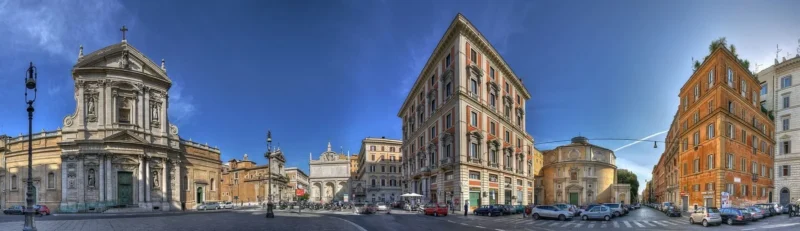
The Methodist Evangelical Church on Via XX Settembre was built between 1893 and 1895 and inaugurated on September 20, 1895, on the 25th anniversary of the capture of Rome. It stands at the corner with Via Firenze, near the Quirinale and Termini station.
An area upended by the city plan
The church stands in an area transformed by the 1881 city plan, when the old Strada Pia, renamed Via XX Settembre, became the axis of the ministries of the new capital. In 1884 the church of Santa Teresa with the monastery of the Discalced Carmelites and the church of the Incoronazione were demolished. In 1885 the church of San Caio fell too, to open Via Firenze. On the San Caio land the Methodist building arose.
Reverend Burt and the architects
On May 30, 1891 Reverend William Burt, head of the Methodist Episcopal church in Italy, bought the land. The building was to house the church, the theological school, the publishing house La Speranza, the boarding school, the professors' lodgings and the administration, on about 1,400 square meters. The project is signed by the engineer Rodolfo Buti, but the building is known as the work of Carlo Busiri Vici.
The facade and the interior
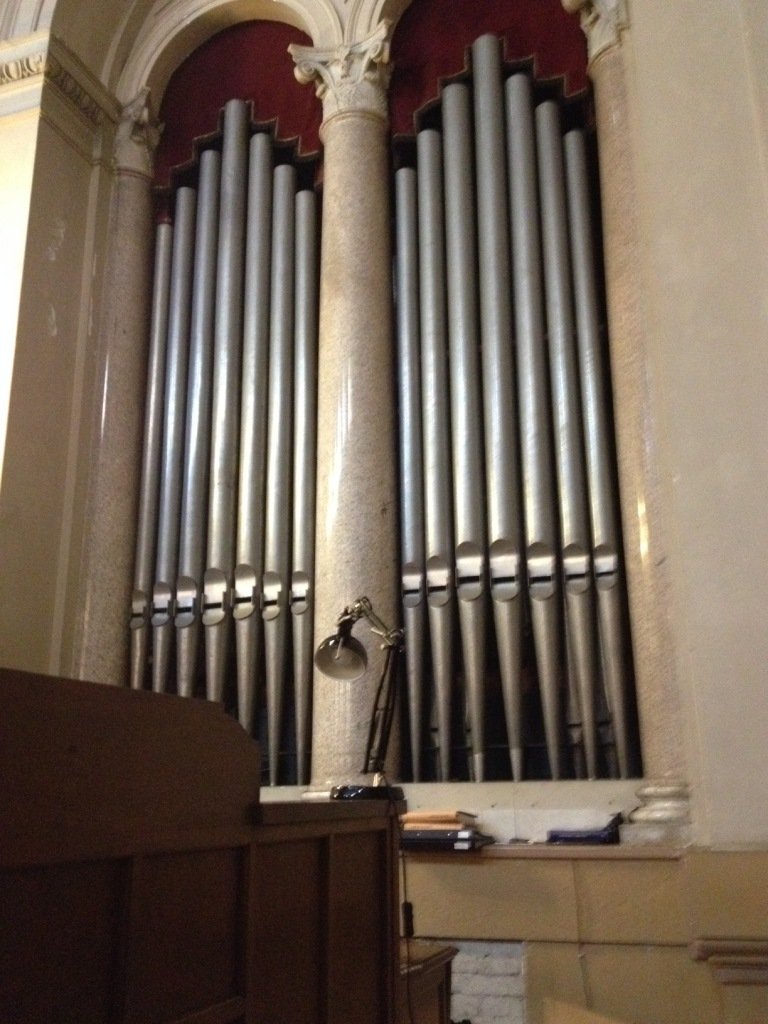
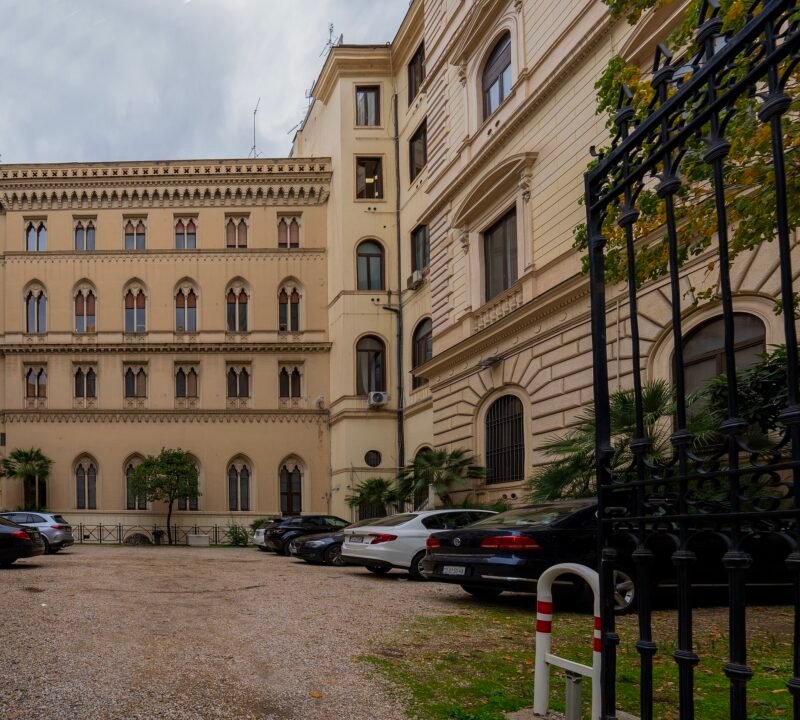
Outside, the building is in 16th-century style, with a giant order of rusticated pilasters and double-arched windows on the ground floor. The portal on Via XX Settembre is topped by a pediment held up by columns. The interior has a rectangular plan, with a horseshoe-shaped gallery, Corinthian pilasters on a high base and a ceiling with circular motifs in 15 panels. The pipe organ is by Carlo Vegezzi Bossi, from 1895, with 13 stops on two manuals and pedal.
The stained-glass windows of Paolo Paschetto
In 1924 Paolo Paschetto designed the windows and the wall decorations of the church. The windows were made by the Roman glassmaker Cesare Picchiarini, and the two names are shown in small letters on the first window on the right.
Who Paschetto was
Paolo Paschetto was born in Torre Pellice in 1885 and enrolled at the Istituto di Belle Arti in Rome in 1904. In 1914 he had made the windows of the Waldensian church in Piazza Cavour. He designed stamps, decorated ministry halls and, in 1947, won the competition called by the Constituent Assembly for the emblem of the Republic: Paschetto's stellone.
The symbols of the windows
The windows take up symbols of the Christian tradition: the Christogram, the dove, the lily, the lamb, the anchor, the lamp, the palm, the ark, the bread and wine, the ship, the city on the hill, the vine, the candelabrum and the peacock, the only symbol not strictly biblical, a figure of eternal life. Compared with the Waldensian ones, they are more geometric and sober. The windows on the right receive natural light, those on the left artificial.
The frescoes at the entrance
On either side of the entrance two large frescoed panels depict a burning bush and a cross with lilies, with groups of cherubim holding the words of Isaiah 6:3. The pulpit was made in 1930.
The Methodists in Rome after 1870
After the annexation of Rome to the Kingdom of Italy, many Protestant churches tried to settle in the city: Anglicans, Baptists, Lutherans and also the Methodists, who came with the mission of the American Methodist Episcopal Church.
From Piazza Poli to Via XX Settembre
In 1873 the Board of Foreign Missions of the Methodist Episcopal Church sent the pastor Leroy Monroe Vernon to Italy. After a year between Modena and Bologna, in 1874 Vernon set his sights on Rome and bought a space in Piazza Poli, immediately turned into a chapel. In a few years the work grew: in 1883 the Methodist Institute for girls was inaugurated, in 1890 the one for boys and the Crandon Institute on Via Veneto, and in 1893 the Theological School was moved from Florence.
Two churches in one
The building on Via XX Settembre was to concentrate everything: the plan included two churches, one Italian and one American along Via Firenze, the publishing house, the theological school with the boarding school, the professors' lodgings and the general administration. The building permit application was filed on May 13, 1893. The builder was the firm of Enrico Desirti.
Today
The community has been part of the Union of Methodist and Waldensian Churches since 1975 and presents itself with the Wesleyan motto «The world is my parish». In 2025 it celebrated 130 years of presence on Via XX Settembre, stressing its intercultural character.
Via XX Settembre, the street of the ministries
Via XX Settembre corresponds to the ancient Alta Semita, later Strada Pia. After 1870 it became the administrative axis of the new capital, with the great buildings of the ministries.
The Ministry of Finance and the Ministry of War
Minister Sella, head of Finance, had work start as early as 1872 on the building for his ministry, finished in 1876. Next to the Methodist church arose the Ministry of War, now of Defense, for which in 1884 churches and recently deconsecrated convents were demolished.
An ancient neighborhood
In antiquity the area, included in Regio VI, held the temple of Serapis, the temple of Flora, the Barberini Mithraeum and the Baths of Diocletian. Pomponius Atticus, Sallust, Vespasian and Martial lived there. Anyone arriving at the concert walks over this stratification without noticing.
A curiosity about Vivaldi's Four Seasons at the Methodist Evangelical Church, October 2 to December 18, 2026
The nicest curiosity concerns the church's birth date. The Methodist church on Via XX Settembre was solemnly inaugurated by Bishop Fitzgerald on September 20, 1895, exactly 25 years after the breach of Porta Pia. It was no accident. That day the procession retracing Via XX Settembre, on the route of the bersaglieri of 1870, passed in front of the new church, and the Methodist community explicitly tied its inauguration to the freedom of conscience won with the end of the popes' temporal power.
The Methodist Episcopal weekly L'Evangelista, in its September 20, 1895 issue, devoted an article precisely to the relationship between the new church and the anniversary. The street itself carries the date: the old Strada Pia, opened at the will of Pius IV and finished in 1565, was renamed Via XX Settembre in memory of that event.
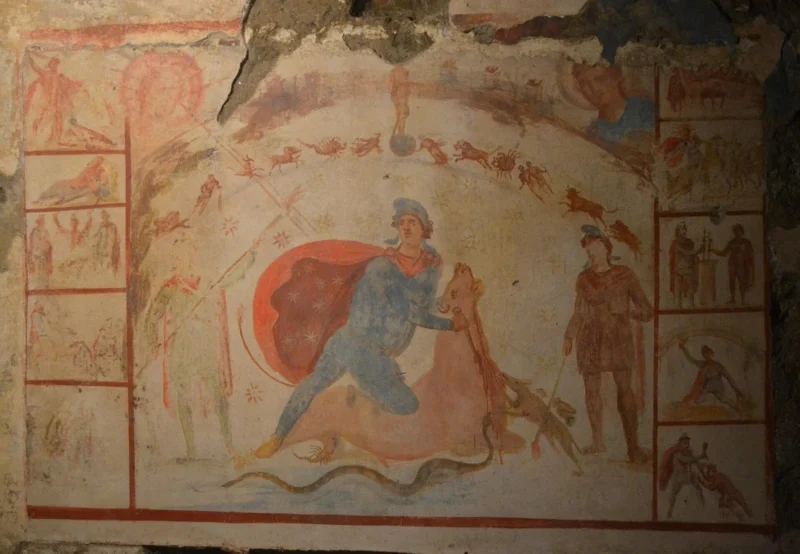
There is also a curious underground layer: on the church's land stood the church of San Caio, rebuilt in 1631 by Urban VIII, and before that the remains of the Domus Nummiorum, the house of the family of Nummius Albinus, consul in 345, with a painted mithraeum. Anyone listening to Vivaldi in this church sits on top of almost two millennia of history.
Something nobody tells you about Vivaldi's Four Seasons at the Methodist Evangelical Church, October 2 to December 18, 2026
What nobody says is that the starting price is not the price of every seat. The producer lists tickets from 15 euros, but sales are organized by seat category, and the recommendation to arrive 30 minutes early serves precisely to find the best seat in your category. Anyone who buys the cheapest ticket at the last minute has to allow for sitting farther from the ensemble.
The second thing concerns the tickets: they are non-refundable. With seven dates still available between November and December, it's best to choose the right evening calmly before paying. The dates fall on different days of the week, not always Friday or Saturday: November 4 and 11, for example, are Wednesdays.
The third: the address. The producer gives Via XX Settembre 122 c, the church's website Via XX Settembre corner of Via Firenze, other portals number 123. The entrance is in any case that of the church, with the portal under the pediment on Via XX Settembre, preceded by a gate. Coming from the Repubblica metro, you find it going up the street toward Porta Pia.
My advice for visiting Vivaldi's Four Seasons at the Methodist Evangelical Church, October 2 to December 18, 2026
The advice is to turn the concert into a whole evening in the neighborhood. Get to the Repubblica metro around 19:00, take a short walk between Piazza della Repubblica and Santa Maria della Vittoria, then show up at the church at 20:00, when the doors open. The producer recommends 30 minutes' margin: follow the advice, and use that time to look at Paschetto's windows with the light still on in the hall.
During the first half listen to the three concertos as a warm-up, without expectations. The piece that stays in your head will probably be La Rustica. In the second half focus on Elvin Dhimitri's violin: in the Four Seasons each season has its own images, from the storm of Summer to the hunt of Autumn, and with a soloist close by you follow them almost by sight.
Choose a date in November: November 4 is a Wednesday, the 27th a Friday. Avoid the December evenings if you fear the cold: the church is a historic building, and it's best to keep a sweater within reach.
Another well-known fact, yet rarely cited
Everyone knows the emblem of the Italian Republic. Few know who designed it: Paolo Paschetto, the same artist who in 1924 had designed the windows of the Methodist church on Via XX Settembre. Paschetto won the Constituent Assembly competition in 1947, after a career made of windows for Protestant churches, stamps and decorations for the ministries. He had also won, in 1907, with a colleague, the competition for the new 5 lire banknote.
Anyone looking at the windows during the concert is therefore looking at the work of the Republic's graphic designer. It's one of those coincidences that make Rome special: a Protestant church born to celebrate the end of the Papal State, decorated by the artist who would give the symbol to the Republican State.
A second little-cited fact: in 1939 Paschetto also frescoed the apse of the synod hall in Torre Pellice with the famous oak that sinks its roots into the rock, for the 250th anniversary of the Glorioso rimpatrio of the Waldensians. His Roman works, between Piazza Cavour and Via XX Settembre, are however the most accessible.
The right photo to take at Vivaldi's Four Seasons at the Methodist Evangelical Church, October 2 to December 18, 2026
The right photo is taken before the concert, not during. During the performance photos disturb musicians and audience. Before, with the hall lit and the musicians tuning, you can photograph the interior. The best framing is from the back of the hall toward the chancel, with the horseshoe-shaped gallery embracing the space and the Corinthian pilasters on the sides.
The second photo is of one of Paschetto's windows. The ones on the right receive natural light and in the evening look dark. The ones on the left have artificial lighting, and are therefore the most photographable after sunset. Look for the peacock, the only non-biblical symbol, or the ship: they are the most recognizable.
Outside, the classic photo is of the facade on Via XX Settembre, with the pediment and the rusticated pilasters. In the evening the street is less trafficked and the facade, lit by the street lamps, reads well. Anyone wanting a wider image can frame the corner with Via Firenze, where you see the long row of double-arched windows.
Some important events that happened here in history
Ancient times: in the area stands the Domus Nummiorum, the house of Nummius Albinus, consul in 345, with a painted mithraeum in an underground room. The area, crossed by the ancient Alta Semita, was one of the most important in the city.
1565: the Strada Pia wanted by Pius IV, the present Via XX Settembre, is completed. In 1587 Sixtus V grants benefits to those who build along the street.
1631: Urban VIII rebuilds the church of San Caio on the traces of the ancient titulus Gai.
1870 and 1881: with Rome as capital, the street becomes Via XX Settembre. The 1881 city plan makes it the axis of the ministries.
1884 and 1885: for the Ministry of War and the opening of Via Firenze, Santa Teresa, the Incoronazione and finally San Caio are demolished.
May 30, 1891: Reverend William Burt buys the land. In September 1893 Bishop Vincent lays the first stone.
September 20, 1895: Bishop Fitzgerald inaugurates the church, on the 25th anniversary of Porta Pia.
1924 and 1930: Paschetto designs windows and decorations. The pulpit is made. In 1975 the church joins the Union of Methodist and Waldensian Churches.
Who has come through Vivaldi's Four Seasons at the Methodist Evangelical Church, October 2 to December 18, 2026
The first name in the modern history of this place is that of the pastor Leroy Monroe Vernon, sent to Italy in 1873 by the American Methodist Episcopal Church, who in 1874 opened a first chapel in Rome, in Piazza Poli. His successor, Reverend William Burt, bought the land on Via XX Settembre in 1891. With them worked the engineer Rodolfo Buti and the architect Carlo Busiri Vici, who in Rome also designed the Palace Hotel on Via Veneto and Notre Dame des Oiseaux.
At the laying of the first stone was Bishop Vincent, at the cornerstone of May 9, 1894 Bishop Newman, at the 1895 inauguration Bishop Fitzgerald, with the pastor Felice Dardi. In 1924 Paolo Paschetto and the glassmaker Cesare Picchiarini arrived. Before all of them, on the same land, the family of Nummius Albinus and the nuns of San Caio had lived. And the painter Roesler Franz had painted the little church in 1876, in one of the watercolors of vanished Rome.
Until December 18, for seven more evenings, Elvin Dhimitri and the Opera e Lirica ensemble pass through here, with Vivaldi. The church remains, first of all, a living church: the concert is listened to with the respect due to a place of worship.
The Four Seasons calendar: how to choose the evening
The seven dates that remain between November and December all fall on a Wednesday or a Friday, always starting at 20:30.
October
The October dates have already passed: Friday 2, Wednesday 7, Wednesday 14, Friday 23 and Wednesday 28.
November
Wednesday 4, Wednesday 11, Friday 20 and Friday November 27. Wednesdays are the quietest evenings, and usually the easiest to find free.
December
Friday 4, Friday 11 and Friday December 18, the last date of the series. The pre-Christmas evenings are the most in demand, including from people looking for a gift: a ticket for Vivaldi in a downtown church works well. It's best to buy those first.
Wednesday or Friday?
The advice is simple: Wednesday for people who live in Rome and want a quiet evening after work, Friday for people who are in town for a few days and want to end the week with music. In both cases the concert ends at 21:50, in time for a late dinner.
Tickets for the Four Seasons at the Methodist Church
Prices
On the official Opera e Lirica website, tickets for Vivaldi's Four Seasons in Rome are listed from 15 euros, taxes included, with several seat categories. The prices for the other categories are published on the same website.
Where to buy
Tickets are bought on the producer's official website, choosing the date from the calendar. They are non-refundable.
When to buy
The producer notes that evenings are often sold out. For Friday dates it's best to buy at least a week ahead, and for December ones even earlier.
How to get to the Methodist Church on Via XX Settembre
By metro
The church's website gives Metro A, Repubblica stop. From there you walk up toward Via XX Settembre and reach the corner with Via Firenze in a few minutes on foot.
From Termini
The church is close to Termini station, as the Methodist community's website recalls. Anyone arriving by train can reach it on foot.
By bus and by car
For surface lines it's best to use the ATAC route planner with Via XX Settembre as the destination. By car, the ministries area has little parking: better to take public transportation.
Around the church: Quirinale, Repubblica and Porta Pia
Santa Maria della Vittoria and the surroundings
A few steps away, along Via XX Settembre, is Santa Maria della Vittoria. Heading down you reach Piazza della Repubblica and the Baths of Diocletian.
Palazzo Barberini and the Mithraeum
Not far away is Palazzo Barberini, and under its garden the Barberini Mithraeum, also cited in the history of the area written by the Methodist community.
Porta Pia and the Quirinale
Going up the street you reach Porta Pia, the gate of the breach. Going down you reach the Quirinale Palace. Via XX Settembre connects the two symbolic places of Rome as a capital.
Accessibility and the concert with children
Accessibility
The church is at street level, with the entrance from Via XX Settembre preceded by a gate. If you have specific needs, it's best to write to the producer at the address given on the official website before buying the ticket.
With children
The Four Seasons is one of the few pieces of classical music that children recognize. The concert ends at 21:50 and has a short intermission: it works for kids from age 8 up, used to sitting still.
Where to eat before the concert
With doors opening at 20:00, dinner is after, or you can bring it forward with an aperitivo. The area between Via XX Settembre, Via Nazionale and Termini station offers bars and restaurants of every kind. Toward the Monti district, beyond Via Nazionale, the choice is more varied and more Roman. After 21:50 many downtown places still serve dinner, but it's best to book.
Frequently asked questions about the Four Seasons at the Methodist Church
When is Vivaldi's Four Seasons at the Methodist Church in Rome?
Vivaldi's Four Seasons at the Methodist Evangelical Church on Via XX Settembre is scheduled for November 4, 11, 20 and 27 and December 4, 11 and 18, 2026, always at 20:30.
How much do tickets for the Four Seasons at the Methodist Church cost?
Tickets for Vivaldi's Four Seasons at the Methodist Church are listed on the official Opera e Lirica website from 15 euros, taxes included, with several seat categories. They are non-refundable.
How long is the Four Seasons concert?
The Four Seasons concert at the Methodist Church starts at 20:30 and ends at 21:50, with a five-minute intermission between the two halves. Doors open at 20:00. The producer recommends arriving 30 minutes early.
Who plays in the Four Seasons at the Methodist Church?
In the Four Seasons at the Methodist Church the Opera e Lirica ensemble plays, with string quintet and harpsichord, led by solo violin and conductor Elvin Dhimitri, first violin of the Orchestra Filarmonica di Roma since 1997.
What is in the program besides the Four Seasons?
The program of the concert at the Methodist Church includes in the first half the Concerto F XI No. 4 in A major, La Rustica RV 151 and the Concerto RV 127 in D minor. In the second half, the complete Four Seasons.
Where is the Methodist Evangelical Church on Via XX Settembre?
The Methodist Evangelical Church is on Via XX Settembre, at the corner with Via Firenze, in the Castro Pretorio district, near the Quirinale and Termini station. The most convenient stop is Repubblica, on Metro A.
Is there a dress code for the concert?
For the Four Seasons at the Methodist Church no dress code is required, according to the indications of the producer Opera e Lirica. Since it's a place of worship, modest clothing is nonetheless the right choice.
The final advice on the Four Seasons at the Methodist Church
It isn't a concert for music critics, and it doesn't pretend to be. It's an hour and 20 minutes of well-played Vivaldi in a church that almost no Roman knows, with the windows of the man who designed the emblem of the Republic. It's best to choose an evening in November, arrive at 20:00, sit as close as possible to Dhimitri's violin and, during the intermission, look at Paschetto's peacock.
Article written by the editorial team of Tour Leader Pro, contact them for Private/Corporate/V.I.P. Tours and Experiences.
Planning a trip to Rome? The English-language guides to visiting the city are on ItalyPlanner.com.
Contact Information
Nearby
 Evangelical Methodist Church100 m
- Santa Susanna100 m
- San Bernardo alle Terme100 m
- Moses Fountain100 m
- Santa Maria della Vittoria Church100 m
- Barberini Mithraeum200 m
Upcoming events nearby
- Malia, Neapolitan musical salon of the 1800s at St Andrew’s Church of Scotland, November 1 and 22, 2026100 m
- Hank Willis Thomas and Man Ray. Tomorrow I shall contradict myself at Galleria Continua, September 25 to December 31, 2026200 m
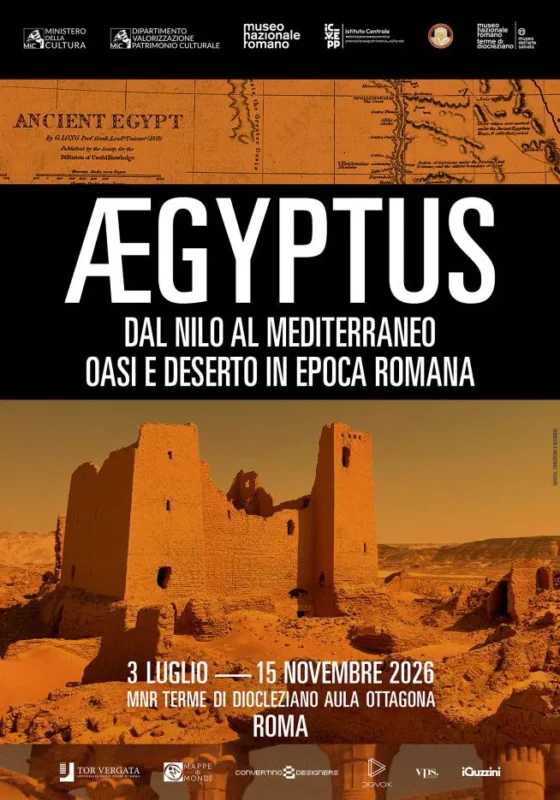
- AEGYPTUS. Dal Nilo al Mediterraneo at the Baths of Diocletian, through November 15, 2026200 m
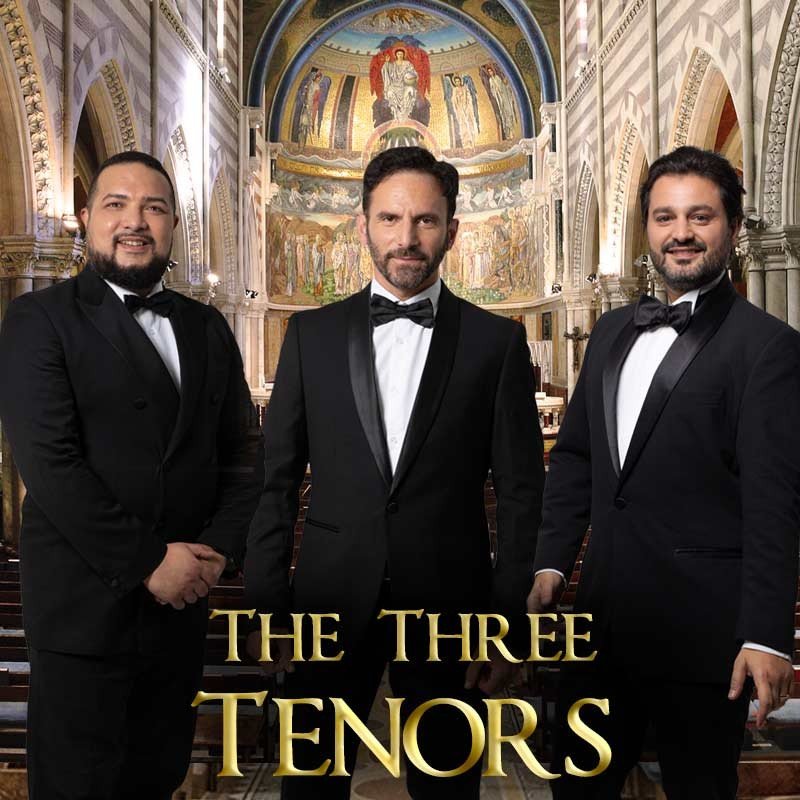
- The Three Tenors at the Church of San Paolo entro le Mura, through December 22, 2026300 m
You might also like
- Angela Hewitt at Aula Magna della Sapienza, February 20, 2027
- Janoska Ensemble at Aula Magna, Sapienza University, January 26, 2027
- Lucie Horsch, Metamorphosis at the Aula Magna of the Sapienza, February 6, 2027
- Kyle Alessandro at Monk in Rome, January 27, 2027
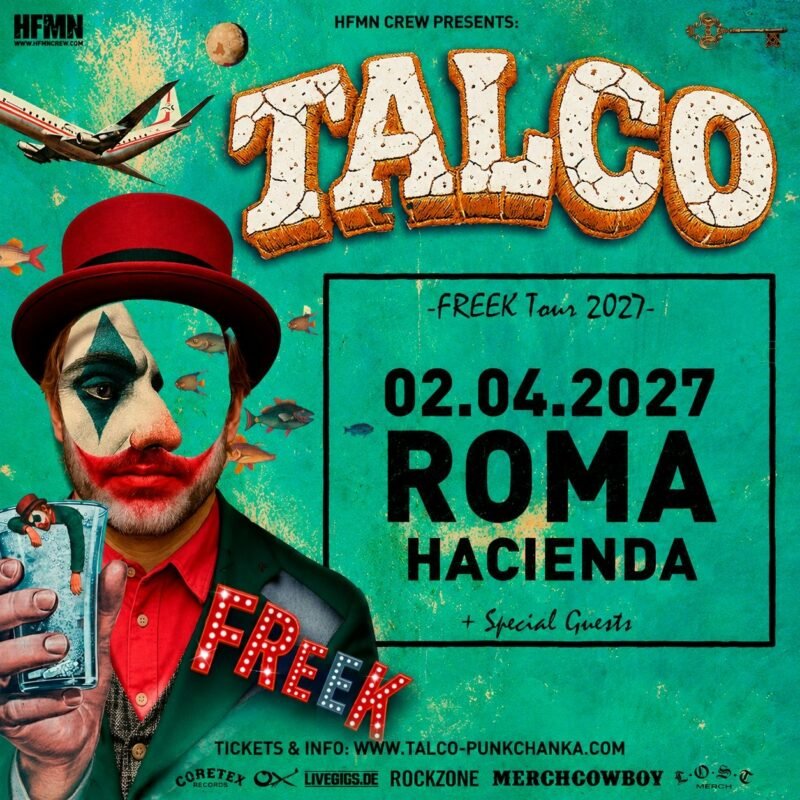
- Talco Freek Tour 2027 at Hacienda Roma, April 2, 2027
- The Devon Allman Project at CrossRoads Live Club: March 26, 2027