Shake it out at Teatro Trastevere, from November 5 to 8, 2026
In short. Shake it out, a comedy directed by Leonardo Buttaroni, is on stage at Teatro Trastevere, at Via Jacopa de' Settesoli 3, from Thursday, November 5, to Sunday, November 8, 2026.
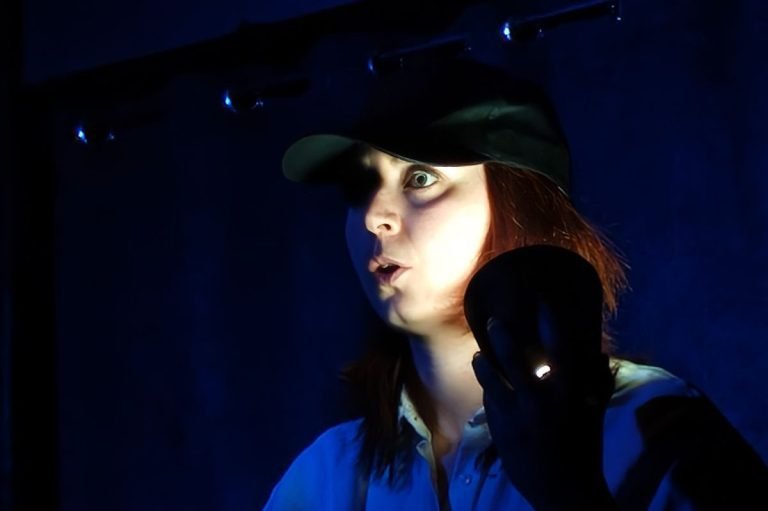
Shake it out, a comedy directed by Leonardo Buttaroni, is on stage at Teatro Trastevere, at Via Jacopa de' Settesoli 3, from Thursday, November 5, to Sunday, November 8, 2026. The times of the individual performances are not published on the season page: ask the theater, at 06 5814004 or 328 3546847, or write to info@teatrotrastevere.it. The full ticket for the 2026/27 season costs 13 euros, plus 2 euros for the membership card, according to the theater's official website, from which you buy online through the authorized presale network. The hall is in the San Francesco a Ripa area, and the public transport route from your starting point can be calculated on the ATAC service. The show's promise is all in the tagline: all of Shakespeare, in one evening, with only five actors.
Language: performed in Italian. No English version or English surtitles are announced.
Five actors, a stage, the costumes and the impossible challenge of staging all the Bard's works at once. Shake it out is a comedy built on chaos, lightning costume changes and mistaken identities, in a 99-seat hall where the audience is close enough to hear the performers breathe. Below: the show, the director, the hall, the neighborhood and practical information.
Shake it out at Teatro Trastevere in brief
Shake it out runs at Teatro Trastevere for four days, from November 5 to 8, 2026, in the first part of the 2026/27 season of the hall on Via Jacopa de' Settesoli.
The dates
Performances run from Thursday, November 5, to Sunday, November 8. The season page doesn't give the times of each evening: ask the theater when booking, partly because in halls of this size weekend times may differ from weekday ones.
The ticket
The theater's website gives a full ticket of 13 euros for the season, plus 2 euros for the membership card: Teatro Trastevere is in fact run by a cultural association. You can also get the card online, from the same website.
The director
The season credits the direction of Shake it out to Leonardo Buttaroni. The names of the five performers are not given on the season page.
The show: all of Shakespeare in one evening
Shake it out is a comedy in which five actors take on an impossible challenge: staging all of Shakespeare's works at once, in a single evening, between lightning costume changes, mistaken identities and sudden twists.
The premise
The theater's description starts from three blunt phrases: all of Shakespeare, in one evening, with only five actors, and no guarantee of survival. The stage is there, the costumes are there, and so is the chaos. It's the classic premise of play-within-a-play comedy, in which the real subject is the very effort of acting.
The masterpiece and the disaster
The theater writes that in Shake it out the line between masterpiece and total disaster has never been so thin. It's the comic engine of the whole show: the actors have to move from a tragedy to a comedy, from a king to a fool, and every mistake becomes a laugh.
The pace
The comedy is described as crazy, irreverent and with a pace not for the faint of heart. With five performers for a repertoire of dozens of titles, the speed of the changes is part of the show: the audience sees the effort, and laughs at that too.
What could go wrong
The description ends with a question and an answer: what could go wrong? Practically everything. It's a statement of intent, and also an invitation not to take either Shakespeare or the actors too seriously.
The title Shake it out
The title Shake it out plays on Shakespeare's name: the first syllable of the Bard's surname becomes the English verb to shake, and the whole phrase suggests the idea of shaking something off.
Shaking up the Bard
Shaking up Shakespeare means removing his patina of school author and bringing him back to his nature as popular theater. The wordplay already tells you the tone of the evening: no reverence, lots of energy.
A theater born for the public
Shakespeare wrote for a large and varied audience, and knew how to combine the popular taste of his time with complex characters and refined poetry. A comedy that treats him irreverently, after all, stays true to that origin.
William Shakespeare, the author of the 38 plays
William Shakespeare, born and died in Stratford-upon-Avon, on April 23, 1564, and April 23, 1616, is considered the most important English writer, and of his works 38 plays have come down to us, collaborations included, 154 sonnets, three narrative poems and other verse.
A huge repertoire
The figure of 38 plays alone explains the challenge of Shake it out: tragedies, comedies, histories, romances, to be performed with five actors in a single evening. Most were written in the roughly 25 years between 1588 and 1613.
The Bard
Shakespeare is nicknamed the Bard of Avon, or simply the Bard, and also the Swan of Avon. His theater has been translated into all the major languages and is performed more than any other.
Tragedy and comedy
One of the reasons for his success is his ability to excel in both tragedy and comedy. A show that mixes everything, like Shake it out, simply takes this coexistence of registers to the extreme.
The gray areas
Little is known about Shakespeare's life, and the scarcity of documents has fueled speculation about his appearance, his faith and even the authorship of his works. Such a vast repertoire and such an elusive author are ideal ground for parody.
All of Shakespeare in a short time: a theatrical genre
The idea of condensing all of Shakespeare into a single show has a famous precedent in English-language theater, The Complete Works of William Shakespeare (Abridged), written by Adam Long, Daniel Singer and Jess Winfield.
The Reduced Shakespeare Company
The three authors, founders of the Reduced Shakespeare Company, presented a shortened version of Hamlet in California in the early 1980s, and in 1987 they took the version extended to all the works to the Edinburgh Festival Fringe, which then ran for nine years at the Criterion Theatre in London.
The rules of the game
In that kind of show the fourth wall doesn't exist, the actors speak directly to the audience, improvisation plays an important role and the references are updated to the city where the show is performed. The result is that no two performances are the same.
Shake it out
The Teatro Trastevere description doesn't link Shake it out to that play, and the two should be kept separate: Shake it out has five actors, and a production directed by Leonardo Buttaroni. The genre, however, is the same, and those who loved that kind of comedy know what to expect.
Leonardo Buttaroni: the director
Leonardo Buttaroni is a theater director and writer whom the performing arts databases associate with eight titles between current programming and archive, mostly in comedy.
Horse Head and the Fringes
His name is tied to Horse Head, a noir comedy by the Australian Damon Lockwood, inspired by a scene from Francis Ford Coppola's The Godfather. Directed by Buttaroni, with Diego Migeni and Sebastiano Gavasso, the show won the first edition of the Roma Fringe Festival, in 2012, returned to the stage at Teatro Sette in October of that year, with the patronage of the Australian Embassy, and was selected for the 2013 New York Fringe.
With I Centouno
Buttaroni directs shows by the comedy group I Centouno, including Ci pensiamo domani and the new Pesci ad Aprile, announced at Teatro Parioli Costanzo with Flavio Moscatelli, Luca Latino and Ezio Passacantilli, together with Francesca Anna Bellucci.
Other titles
Among the shows his name is associated with as director or writer are Dracula, A Comedy of Terrors, Figli maschi, 39 scalini, Affari di famiglia, Chi muore si rivede, Dracula Crazy Reading and Luci (e ombre) della ribalta, from the self-mocking metatheater of Jean Paul Alègre.
A common thread
Many of these titles share an idea: comedy that plays with genres and with theater itself, from noir to gothic parody, to theater about theater. Shake it out, with its five actors grappling with all of Shakespeare, fits well into this line.
A curious fact about Shake it out at Teatro Trastevere, from November 5 to 8, 2026
The curious fact concerns the scale of the challenge. Shakespeare left 38 plays, collaborations included, written mostly over a span of about 25 years, between 1588 and 1613. Shake it out promises to stage them all, at once, with five actors, on a stage of about seven by five meters, in front of a 99-seat audience. Do the math, and it means each performer would have to take on more than seven works on average, with their kings, queens, ghosts, servants and lovers. It's a mathematically impossible feat, and that's exactly the point: the comedy comes from the gap between the declared ambition and the means available. The tradition of breakneck Shakespeare parody has a famous precedent, The Complete Works of William Shakespeare (Abridged), born from the Reduced Shakespeare Company and run for nine years at the Criterion Theatre in London: there the actors were three. Shake it out fields five, and entrusts the direction to Leonardo Buttaroni, who has already worked on theater about theater with Luci (e ombre) della ribalta. Then there's another coincidence: the theater's street is named after Jacopa de' Settesoli, a 13th-century Roman noblewoman, a contemporary of Francis of Assisi. A medieval figure who, in time, precedes the Bard's theater by more than three centuries.
Teatro Trastevere: the hall on Via Jacopa de' Settesoli
Teatro Trastevere is a 99-seat hall at Via Jacopa de' Settesoli 3, in the San Francesco a Ripa area, born in 2009 from the recovery of a historic Trastevere hall that was once a movie theater.
A 2009 project
The project was born with the cultural association Teatro Trastevere, which still runs the hall. The choice to recover an old neighborhood movie theater is consistent with the history of many Roman independent theater venues, created in spaces built for other purposes.
Off theater and contemporary playwriting
The program is devoted to off theater and contemporary playwriting. Alongside the main season the theater organizes series such as Dopamina, Germogli, La città di tutti and Trastevere Comedy, and training activities with workshops.
The management
The artistic director is Marco Zordan, the administrator Tommaso Marrone, and the press office is run by Vania Lai.
What the hall is like
The technical sheet gives 99 seats and a stage of about seven by five meters. For a comedy built on lightning costume changes and mistaken identities, the closeness between stage and seats is an advantage: every dash, every wrong costume, every look of panic can be seen from every row.
Something nobody tells you about Shake it out at Teatro Trastevere, from November 5 to 8, 2026
What nobody says is that the Teatro Trastevere ticket isn't just the ticket. The hall is run by a cultural association, and to get in you need the membership card, which costs 2 euros on top of the 13 euro full ticket. It's a common formula among Rome's off theaters, and it has an advantage: the card is valid for the season, so those who come back for another show pay only for the ticket. Get it online, from the theater's own website, so as not to lose time at the entrance. A second point concerns the times. The season page doesn't give them for Shake it out, and in small halls Sunday is often an afternoon show: before planning the evening, call 06 5814004 or write to info@teatrotrastevere.it. Third: in a 99-seat hall the front rows are very close to the stage, and in a comedy where five actors race from one character to another, the front row can become part of the show. If you like the game, choose those seats, and if you prefer to watch, sit farther back. Finally, a practical detail: if you only vaguely remember Shakespeare's plots, don't worry. The comedy of this genre works even without knowing all the plays, but those who have at least Romeo and Juliet, Hamlet, Macbeth and Othello in mind will catch many more jokes.
My advice for seeing Shake it out at Teatro Trastevere, from November 5 to 8, 2026
The advice is to go in the right spirit: Shake it out is not a lesson on Shakespeare nor a philological staging, but a comedy that uses Shakespeare as a pretext for an evening of organized chaos. Those looking for the Bard in solemn form are at the wrong show, and those who want to laugh at theater and with theater are in the right place. Second tip: book early. With 99 seats and four days of performances, total capacity is limited, and lively comedies in Trastevere's off theaters draw an audience of young people and regulars who book ahead. Third: get the membership card online before you arrive, to get in without lines. Fourth: arrive a little early and pass through Piazza di San Francesco d'Assisi, in front of the church of San Francesco a Ripa, which holds Bernini's Blessed Ludovica Albertoni. It's a visit of a few minutes, if the church is open, that brings together two different Romes: the baroque one and that of independent theater. Finally, in our view it's best to go with company. Shakespeare parody thrives on shared laughter, and the fun is going back over the quotes you recognized and the ones you missed afterward, at dinner. If you have teenage children studying Shakespeare at school, you can think of a family evening, checking times and content with the theater first.
The neighborhood: San Francesco a Ripa and Jacopa de' Settesoli
Via Jacopa de' Settesoli is named after Giacoma Frangipane, a Roman noblewoman who lived from about 1190 to about 1239, a Franciscan tertiary, and lies in the area of the church of San Francesco a Ripa, on the side of Trastevere toward the river port of Ripa Grande.
Jacopa de' Settesoli
Jacopa, born Giacoma Frangipane, was a Franciscan tertiary and died in Assisi. The street that bears her name recalls the link between this part of Trastevere and early Franciscanism.
San Francesco a Ripa
The church of San Francesco a Ripa stands where the hospice of San Biagio was, where Francis of Assisi stayed between 1209 and 1223, given to the Friars Minor in 1229. The building was redone by Onorio Longhi from 1603 and by Mattia de Rossi between 1681 and 1701. It holds Gian Lorenzo Bernini's Blessed Ludovica Albertoni, sculpted between 1671 and 1675, and since 1992 the remains of Giorgio de Chirico.
The church's name
The word Ripa in the name comes from the port of Ripa Grande, Trastevere's river landing: the church was the religious reference point of an area tied to the river and to trade.
What to see around Teatro Trastevere
Teatro Trastevere is in a quiet part of the district, a few minutes' walk from the best-known monuments of southern Trastevere.
Churches and cloisters
Besides San Francesco a Ripa, nearby you'll find the basilica of Santa Cecilia in Trastevere and the cloisters of San Cosimato. Farther toward the center of the district, the basilica of Santa Maria in Trastevere.
The Sunday market
For those going to the theater on the weekend, on Sunday morning the Porta Portese market is a few steps away and can open a day in Trastevere.
The Tiber
Toward the river you reach Tiber Island and, on the other bank, the area of the Mouth of Truth.
How to get to Teatro Trastevere
Teatro Trastevere is at Via Jacopa de' Settesoli 3, in the San Francesco a Ripa area, and the best route by bus, tram or train from your starting point can be calculated on the ATAC service.
By public transport
The metro doesn't reach Trastevere: those coming from far away usually combine metro and surface lines, or a regional train to Trastevere station. The ATAC planner gives the fastest solution for the trip home in the evening too.
On foot
From Piazza di Santa Maria in Trastevere you reach the theater on foot by crossing the district southward. It's a pleasant walk, especially before an evening performance.
By car
Trastevere has large limited traffic zones and parking in the district is difficult. Leave the car outside the area and complete the trip on foot or by taxi.
Another well-known fact, yet seldom mentioned
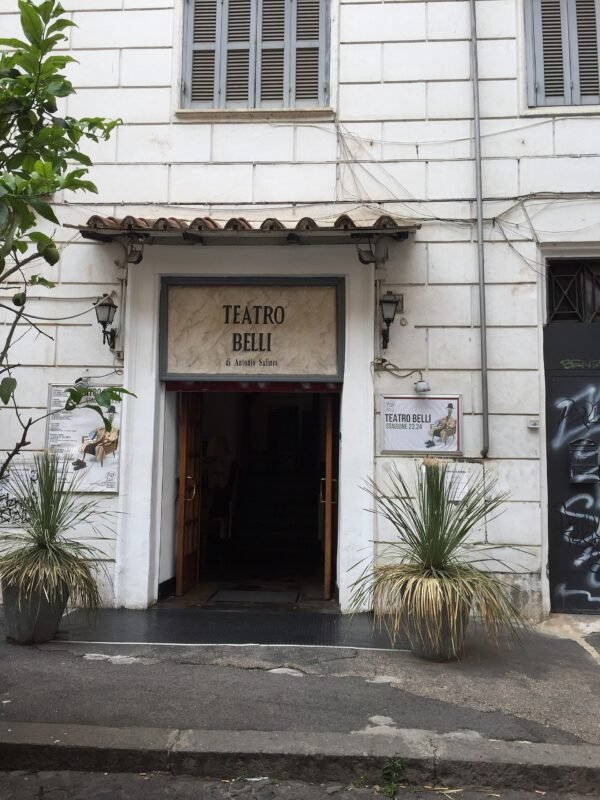
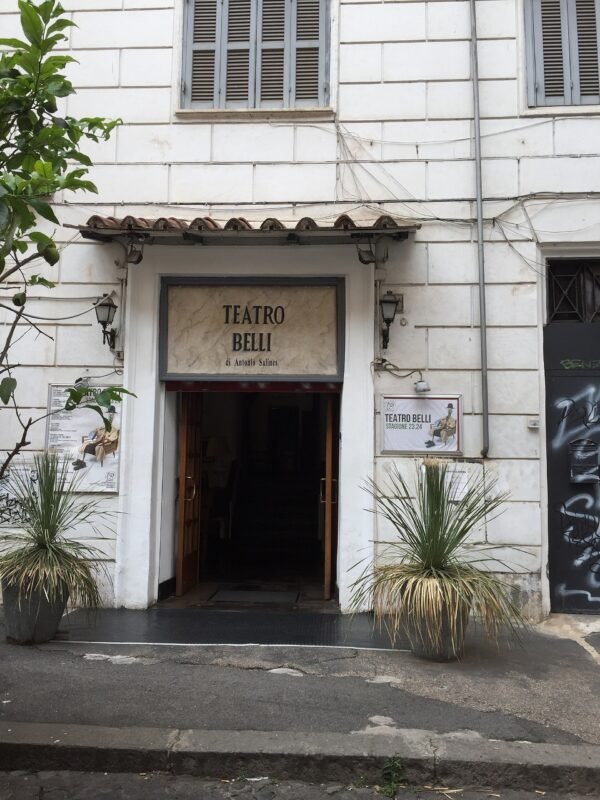
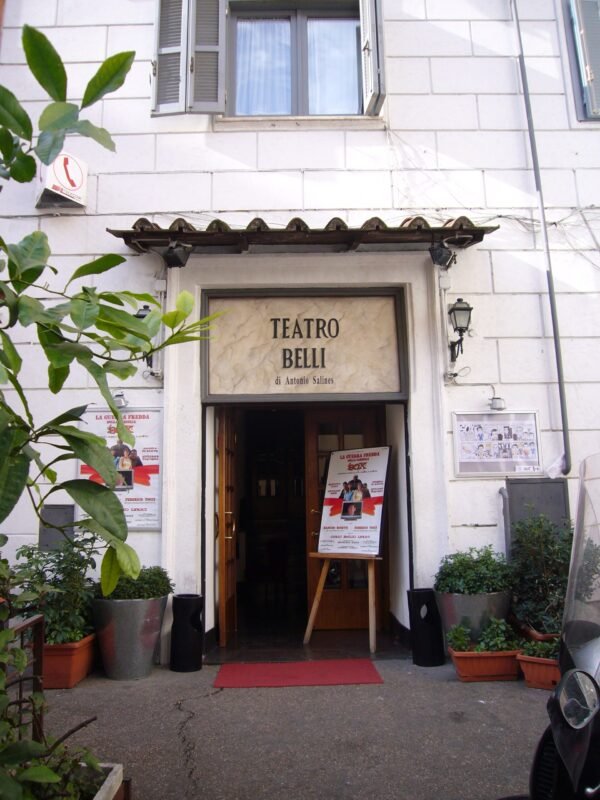
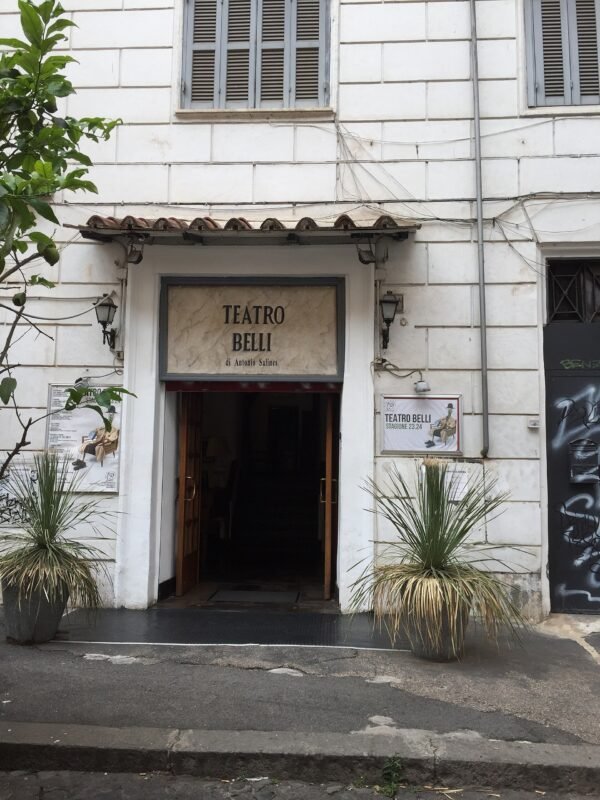
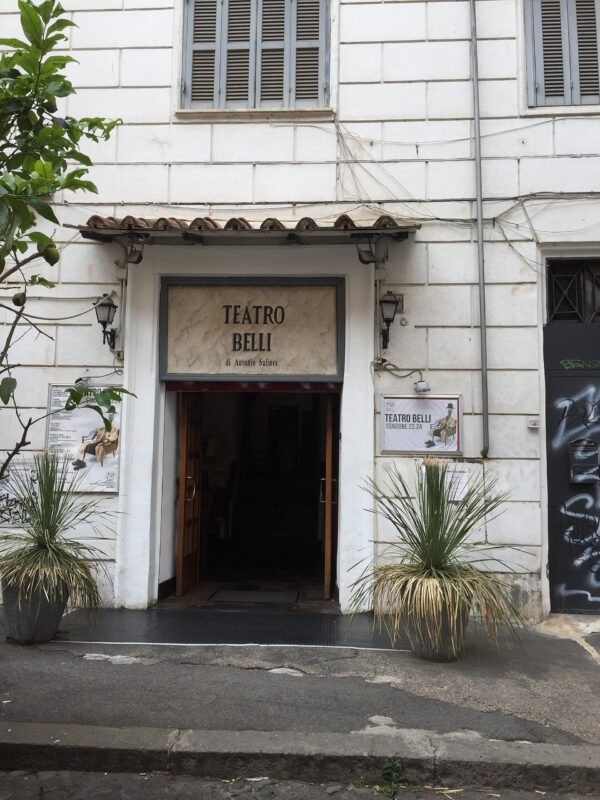
Everyone knows Trastevere is one of Rome's most theatrical districts, but less often mentioned is the fact that many of its halls were born from spaces designed for other uses. Teatro Trastevere is the recovery of a historic district hall that was once a movie theater, reopened in 2009 by a cultural association, and not far away, Teatro Belli occupies the church of an old monastery. The phenomenon has deep roots: in the 20th century Rome's independent theater was built in cellars, former movie theaters, warehouses, small and cheap places to experiment. Teatro Trastevere, with its 99 seats, belongs to that tradition, and carries it on with a program devoted to contemporary playwriting, off theater and training. A second seldom mentioned fact concerns the area. Via Jacopa de' Settesoli is a few steps from the church where the remains of Giorgio de Chirico have rested since 1992, and which holds one of Bernini's most intense sculptures, the Blessed Ludovica Albertoni. Many theatergoers walk past the church without going in. Yet, in a neighborhood often associated only with nightlife, this part of Trastevere preserves a heritage ranging from the Franciscan 13th century to the baroque and the 20th century. An evening of Shakespearean comedy on Via Jacopa de' Settesoli is therefore also a chance to discover a less beaten corner of the district.
The right photo to take at Shake it out at Teatro Trastevere, from November 5 to 8, 2026
No photos during the show: in a 99-seat theater a phone screen can be seen from every row and distracts five actors engaged in costume changes at dizzying speed. The right photo is taken outside, and there are three options. The first is in Piazza di San Francesco d'Assisi, in front of the church of San Francesco a Ripa: the facade redone by Mattia de Rossi between the 17th and 18th centuries, in the evening light, is an intimate and little-photographed backdrop. Frame it from the opposite side of the square, horizontally. The second, if the church is open and with the utmost discretion, is Bernini's Blessed Ludovica Albertoni, without flash and outside service times. The third is the simplest and the most tied to the evening: the theater entrance on Via Jacopa de' Settesoli, with the street sign and the Shake it out poster. It's a photo that tells two stories: that of a 13th-century Roman noblewoman, a Franciscan tertiary, and that of an off theater that in 2026 tries to stage all of Shakespeare in one evening. In early November darkness comes early, and already in the late afternoon the light of the streetlamps makes the facades warmer.
Some important events that happened here
The history of this part of Trastevere can be read through the church that gives it its name. Where San Francesco a Ripa stands today there was the hospice of San Biagio, where Francis of Assisi stayed during his visits to Rome between 1209 and 1223. In 1229, a few years after his death, the hospice was given to the Friars Minor. In the same decades Jacopa de' Settesoli lived in Rome, born Giacoma Frangipane around 1190, a Franciscan tertiary, who died in Assisi around 1239: the theater's street bears her name. From 1603 the church was redone by Onorio Longhi, and between 1681 and 1701 by Mattia de Rossi. Between 1671 and 1675 Gian Lorenzo Bernini sculpted for the church the Blessed Ludovica Albertoni, one of the most intense works of his maturity. In 1992 the remains of Giorgio de Chirico were moved there. The name itself, a Ripa, recalls the river port of Ripa Grande, for centuries Trastevere's landing on the Tiber. Closer to our time, in 2009, the cultural association Teatro Trastevere recovered a historic hall in the district, once a movie theater, and reopened it as a theater devoted to off theater and contemporary playwriting. The 2026/27 season, which includes Shake it out, is the latest chapter of this story.
Who has passed through Shake it out at Teatro Trastevere, from November 5 to 8, 2026
Some of the most important figures in Rome's history have passed through the area of Via Jacopa de' Settesoli. Francis of Assisi stayed in the hospice of San Biagio, where San Francesco a Ripa stands today, between 1209 and 1223, and Jacopa de' Settesoli, a noblewoman of the Frangipane family, was a Franciscan tertiary. Onorio Longhi and Mattia de Rossi worked on the church between the 17th and 18th centuries, Gian Lorenzo Bernini left the Blessed Ludovica Albertoni there, and Giorgio de Chirico has rested there since 1992. Since 2009 the stage of Teatro Trastevere has seen the companies of Rome's off theater, training workshops and the series Dopamina, Germogli, La città di tutti and Trastevere Comedy, under the artistic direction of Marco Zordan. This autumn the season brings to Via Jacopa de' Settesoli Il Belvedere by Aldo Nicolaj, Gaber sotto le stelle with Valentina Luporini, Uiriamu directed by Alice Bellantoni, and after Shake it out, One more kiss, dear by Giovanni Caloro and Riflussi. From November 5 to 8 it's the turn of Leonardo Buttaroni, the director who won the first edition of the Roma Fringe Festival with Horse Head and took that show to the New York Fringe, and of his five actors. And, by proxy, of William Shakespeare, with all his kings, queens, lovers and ghosts.
Planning the evening
The theater doesn't give the running time of Shake it out, and a comedy of this kind still lends itself to an evening with dinner before or after in the district.
Before the show
Arriving half an hour early lets you get the membership card, if you haven't done it online, and pass by San Francesco a Ripa.
After the show
The heart of Trastevere, toward Santa Maria in Trastevere and Piazza Trilussa, stays lively until late: it's the natural area for after the theater.
On the weekend
Those going to the theater on Saturday or Sunday can build a whole day in the district, from the Porta Portese market on Sunday morning to a walk along the Tiber.
Where to eat near Teatro Trastevere
Around Via Jacopa de' Settesoli there are trattorias and pizzerias frequented by residents, quieter than those in the center of the district.
In the San Francesco a Ripa area
The streets around the church offer neighborhood places, suitable for a quick dinner before the evening performance.
Toward the center of the district
Toward Santa Maria in Trastevere and San Cosimato the choice grows: Roman osterias, pizzerias, places for a drink after the show.
Accessibility, young people and practical tips
For the accessibility of Teatro Trastevere for people with reduced mobility, the reference is the theater itself, at 06 5814004: the conditions of the hall are not described on the website.
With teenagers
Shake it out is an irreverent comedy about Shakespeare: it can be a fun way in for teenagers studying his plays at school. Check content and times with the theater.
The weather
In early November Roman evenings are cool and rain is frequent. A folding umbrella and shoes suited to cobblestones make the walk through the district more pleasant.
FAQ about Shake it out
When is Shake it out on stage at Teatro Trastevere?
Shake it out is on stage at Teatro Trastevere from Thursday, November 5, to Sunday, November 8, 2026. The times of the individual performances are not published on the season page: ask the theater at 06 5814004 or info@teatrotrastevere.it.
How much is a ticket for Shake it out?
The full ticket for Shake it out at Teatro Trastevere costs 13 euros, plus 2 euros for the membership card, according to the theater's official website. The card is valid for the season and can also be obtained online.
What is Shake it out about?
Shake it out is a comedy in which five actors try to stage all of Shakespeare's works in a single evening, between lightning costume changes, mistaken identities and twists, with the line between masterpiece and disaster always razor-thin.
Who directs Shake it out?
Shake it out is directed by Leonardo Buttaroni, a director who won the first edition of the Roma Fringe Festival in 2012 with Horse Head by Damon Lockwood and directs shows by the comedy group I Centouno.
Where is Teatro Trastevere?
Teatro Trastevere is at Via Jacopa de' Settesoli 3, 00153 Rome, in the San Francesco a Ripa area. The public transport route can be calculated on the ATAC service, and the hall has 99 seats.
Do you need to know Shakespeare to enjoy it?
To enjoy Shake it out you don't need to know all of Shakespeare: the comedy comes from the pace and the chaos on stage. Those who remember at least the plots of the best-known titles, though, will catch many more jokes.
The final word on Shake it out
The advice is to book early, get the membership card online, ask the theater the time of your chosen performance and arrive by way of San Francesco a Ripa. In our view Shake it out is a light, clever evening for those who love theater that laughs at itself, in one of the liveliest off theaters in Trastevere, at a modest price. For more ideas about the district, the page on what to see in Trastevere is the starting point.
Article written by the editorial team of Tour Leader Pro, contact them for Private/Corporate/V.I.P. Tours and Experiences.
Planning a trip to Rome? The English-language guides for visiting the city are on ItalyPlanner.com.
Contact Information
Nearby
 Church of San Francesco a Ripa100 m
- WeGil100 m
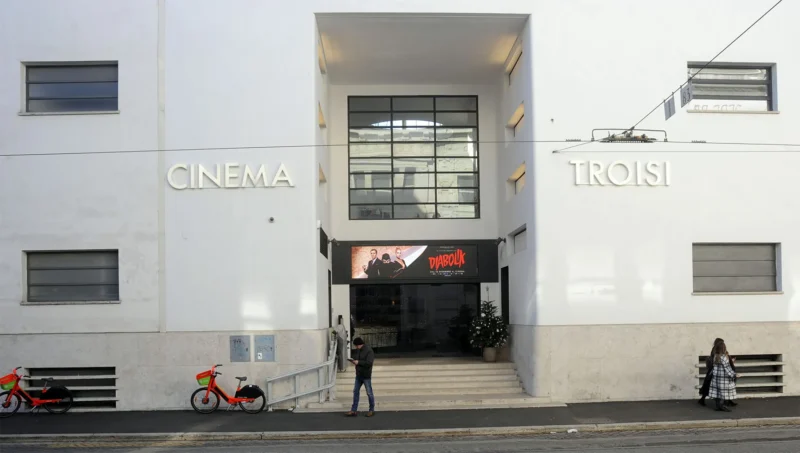
- Cinema Troisi100 m
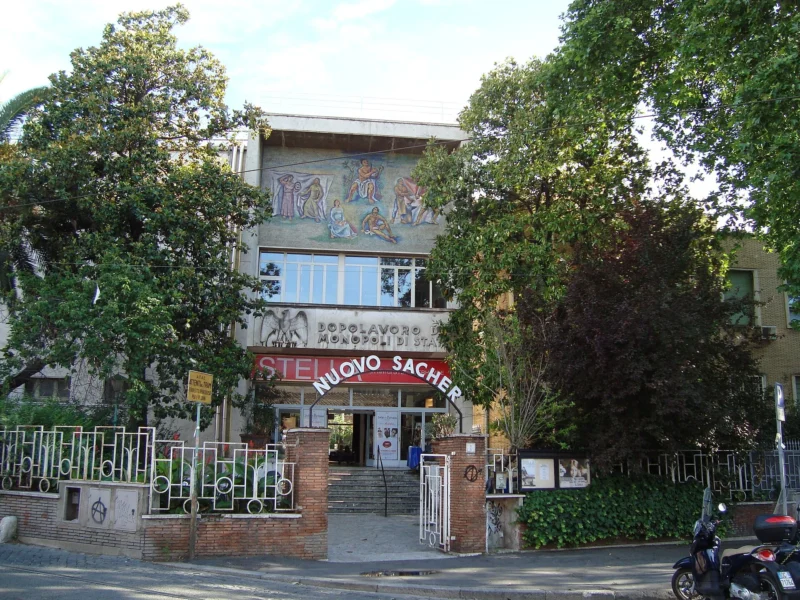
- Nuovo Cinema Sacher100 m
- Porta Portese200 m
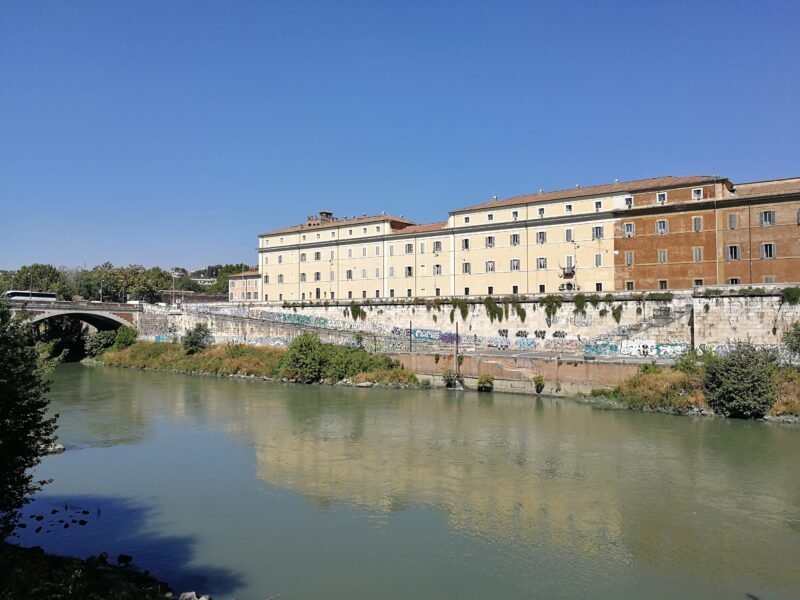
- Istituto Centrale per il Restauro200 m
Upcoming events nearby
- One more kiss, dear at Teatro Trastevere, November 13 to 15, 2026100 m
- Anche quando puoi at Teatro Trastevere, December 4 to 6, 2026100 m
- Maledetto Stanislavskij at Teatro Trastevere, December 8 to 13, 2026100 m
- Riflussi by Igor Maltagliati at Teatro Trastevere, November 20 to 22, 2026100 m


You might also like
- Il Calamaro at Teatro Belli, November 17 to 19, 2026
- Non sono cento volte by Emiliano De Martino at Teatro Belli, January 15 to 17, 2027
- DansCirque at Teatro Belli, November 21 and 22, 2026
- Sarfatti at Teatro Belli, November 24 to 29, 2026
- Je te donnerai une voix at Teatro Belli, November 10 to 15, 2026
- Vite da strada at Teatro Belli, from November 5 to 8, 2026