Roberta Bruzzone Menti in trappola in Rome: Teatro Olimpico, April 26, 2027
In short. Roberta Bruzzone Menti in trappola in Rome: the forensic psychologist brings her show, whose title means "minds in a trap", to Teatro Olimpico at Piazza Gentile da Fabriano 17 on Monday, April 26, 2027 at 20:30, for one night only, and…
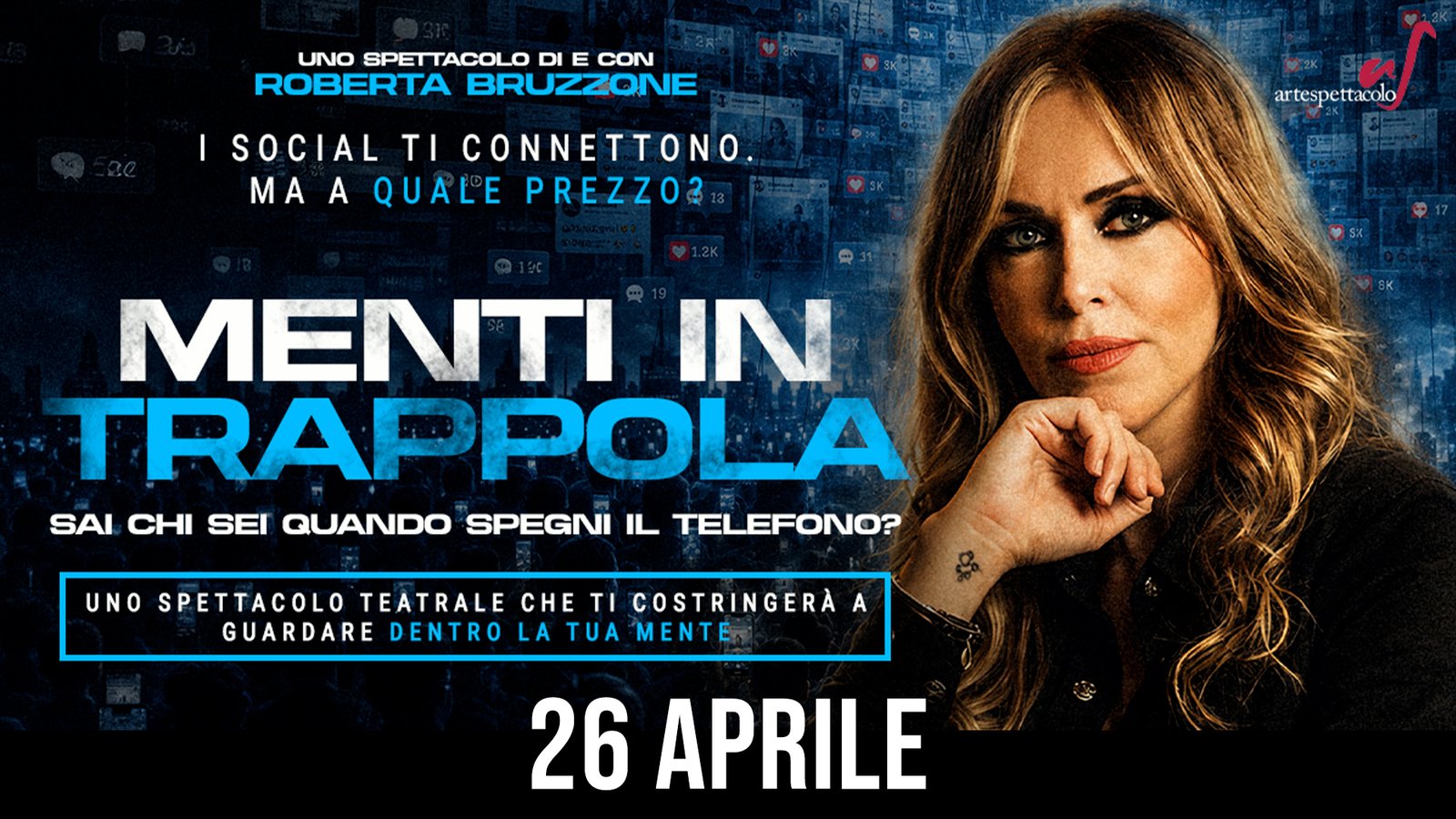
Roberta Bruzzone Menti in trappola in Rome: the forensic psychologist brings her show, whose title means "minds in a trap", to Teatro Olimpico at Piazza Gentile da Fabriano 17 on Monday, April 26, 2027 at 20:30, for one night only, and the theater's calendar lists the end at 22:00. Take Metro A to Flaminio and then tram 2 to Piazza Mancini terminus, from where it's about 500 meters on foot along Viale del Pinturicchio, or bus 910 from Termini to the Pannini stop, about 300 meters away. Prices published by the theater range from €25 (side balcony with railing) to €39 (poltronissima gold), plus a presale fee of €3.80 to €6 depending on the section. Tickets are sold on the venue's official website, with a €2 online fee per ticket, or at the theater box office.
Language: performed in Italian. No English version or English surtitles are announced.
Do you know who you are when you switch off your phone? That's the question Teatro Olimpico uses to present the show, and the question the evening starts from. Roberta Bruzzone, forensic psychologist and criminologist, one of the most recognizable TV faces of Italian crime reporting, leaves the TV studios for one night and takes a 1,410-seat stage to talk about digital manipulation, algorithms, romance scams and screen addiction. Not a lecture, the theater promises, but a story with the pace of a thriller. The show is in Italian.
Roberta Bruzzone's Menti in trappola at the Olimpico at a glance
Menti in trappola is on at Teatro Olimpico on Monday, April 26, 2027 at 20:30: a single date in the 2026/2027 season, with the end scheduled at 22:00 according to the theater's official calendar.
Date, time, running time
Teatro Olimpico's calendar lists a single date for Menti in trappola, Monday, April 26, 2027, starting at 20:30 and ending at 22:00: about an hour and a half. It's a convenient time if you're coming from work and want to get home at a reasonable hour, even by public transit.
Prices by section
The price list published by the theater, full price plus presale fee: poltronissima gold €39 plus €6, side poltronissima, poltrona and balcony €35.50 plus €5.30, balcony with railing and side balcony €28.50 plus €4.30, side balcony with railing €25 plus €3.80. Online purchases add a €2 fee per ticket. The presale fee, the theater notes, is always charged when the ticket is issued.
Where to buy
Tickets are sold on Teatro Olimpico's official website, through the online box office linked to the show page, or at the box office on Piazza Gentile da Fabriano. For information the theater lists biglietti@teatroolimpico.it.
Menti in trappola: what kind of show it is
Menti in trappola is a show about the psychology of digital manipulation: Roberta Bruzzone takes the audience inside the mechanisms that fuel addiction, polarization, disinformation and new forms of psychological control.
The theme
The premise, as the theater presents it, is simple: we live in the age of permanent connection, but that doesn't mean we're freer. Every day we scroll through thousands of posts, chase approval, build digital identities and leave it to algorithms to decide what we see, what we think and, more and more often, what we feel. The show moves the problem from the phone to the mind: the point isn't the device, but what happens inside us when someone learns to steer our emotions, fears and choices.
The topics
The list of topics is long and concrete: addiction, polarization, disinformation, radicalization, online pornography, sextortion, deepfakes, romance scams. The theater stresses that these traps hit younger generations above all, but not only them. It's the most useful part of the evening: putting a name to phenomena many parents, teachers and adults know only by hearsay.
The form: a theatrical thriller
The language chosen is that of the stage, not the lectern. Bruzzone works with real cases, social experiments, behavioral analysis and constant interaction with the audience. The theater speaks of the rigor of forensic psychology combined with the pace of a theatrical thriller, with stories, practical demonstrations and moments of strong emotional impact. The show, the presentation adds, doesn't offer ready-made answers but tools to recognize the cognitive traps of digital society, recover critical thinking and defend your mental freedom.
The crime scene inside a screen
The close of the official presentation is the most effective summary: today the crime scene is very often inside a screen, and the victim could be anyone. For a criminologist who built her fame on real crime scenes, it's an interesting change of perspective. The crime is no longer in the small-town villa dissected on talk shows, but in the phone we carry in our pocket while we watch the show.
Who Roberta Bruzzone is
Roberta Bruzzone was born in Finale Ligure on July 1, 1973 and is a forensic psychologist, criminologist, commentator and TV personality. She graduated in clinical psychology from the University of Turin.
Forensic psychology and the big cases
Bruzzone became known to the general public during the trial over the Avetrana murder, when she was retained as a consultant for the defense of Michele Misseri. She has been a consultant on other crime cases, including the Erba massacre. It's the professional dimension from which everything else grows: the criminologist who takes part in trials and then talks about them on television.
Television: from Teleroma 56 to Real Time
Before national TV, Bruzzone wrote and hosted the program La scena del crimine, which aired from 2010 to 2015 on the Roman station GBR Teleroma 56. In the same years she hosted three editions of Donne mortali, on Real Time. It's the period in which her TV language took shape: the case told methodically, the reconstruction, the psychological explanation behind the facts.
Dancing with the Stars and mainstream TV
From 2017 to 2021 she was a guest judge on Ballando con le stelle, the Italian Dancing with the Stars, on Rai 1, a role far from crime reporting that introduced her to a new audience. In 2019 she was on the Miss Italia jury. For years she has been a regular guest on Porta a Porta, and as a commentator accredited as a criminologist she has appeared on Ore 14 on Rai 2, La Vita in diretta on Rai 1 and, since 2024, Quarto grado on Rete 4. In 2025 she was a commentator on FarWest on Rai 3.
Inside Narcissus's mind
Between 2024 and 2026 she hosted three editions of Nella mente di Narciso, on RaiPlay, a program focused on crime cases. The title isn't random: narcissism and emotional manipulation are among the subjects Bruzzone has worked on most, on TV and in her books.
Her books
Bruzzone's bibliography is extensive. It includes a criminologist's diary published by Mondadori in 2012, a 2016 book on the dark side of social media written with Emanuele Florindi, a 2018 practical guide to recognizing and escaping an emotional manipulator, a 2020 book of nightmare fairy tales with Emanuela Valente, a 2022 manual of digital self-defense again with Florindi, a 2022 book on the Versace murder for Rai Libri, a 2024 digital license for safe browsing with Giuseppe Lavenia, and two 2025 books, one on young people who kill in the shadow of Narcissus and one on criminal patriarchy. Many of the themes of Menti in trappola are already in these pages.
Film, theater and activism
In 2022 she played herself in a brief appearance in the film (Im)perfetti criminali, and the same year she appeared on video in the show PSY, Ombre abbaglianti, at Teatro Rossetti in Trieste. She is scientific director and honorary president of the volunteer association La Caramella Buona, which works against pedophilia and gender violence.
Roberta Bruzzone and digital risk: a long-standing theme
Menti in trappola didn't come out of nowhere: Roberta Bruzzone has been writing about online risks since at least 2016, when she published with Emanuele Florindi a book on the dark side of social media, new risk scenarios, new predators and new protection strategies.
From social media to digital self-defense
In 2022 Bruzzone and Florindi returned to the subject with a book whose subtitle presents it as a manual of digital self-defense. In 2024, with Giuseppe Lavenia, came a digital license for safe browsing, designed for parents, educators and young people, with guidance on defending yourself from online predators. The show at the Olimpico takes this path from the page to the stage.
Why the theater
Choosing the theater makes sense. You read a book alone, you watch a TV program on the couch, but in the hall the show involves constant interaction with the audience and social experiments. Discovering you can be manipulated together with 1,000 other people is a different, and more effective, experience than discovering it by reading.
A curious fact about Roberta Bruzzone Menti in trappola in Rome, April 26, 2027
The first curious fact concerns Roberta Bruzzone's bond with Rome. Before Rai 1 and Real Time, her program La scena del crimine aired on GBR Teleroma 56, a Roman station, from 2010 to 2015. This city's audience got to know her on local TV before the rest of Italy did, and on April 26 it finds her again on one of the capital's biggest stages.
The second is in the hall. Teatro Olimpico is known above all for comedy, dance and music: Proietti, Brignano, Momix, the Accademia Filarmonica Romana. A forensic psychology show is an unusual guest on this stage, and it says a lot about how spoken-word theater has changed in recent years. Alongside the comedian and the singer-songwriter, halls are now filled by the scientist, the psychiatrist, the criminologist: figures audiences met on TV and want to hear live, for an hour and a half without commercial breaks.
The third is in the calendar. April 26, 2027 is a Monday, the day many Roman theaters are dark. A Monday date for a spoken-word show is a sensible choice: Bruzzone's audience isn't the Saturday night group outing, but people leaving work with a question on their minds. Do you know who you are when you switch off your phone?
Teatro Olimpico, from cinema to the citizens' theater
Teatro Olimpico on Piazza Gentile da Fabriano has been active as the Cine-Teatro Olimpico since 1936 and as Teatro Olimpico since 1981. It stands on the Lungotevere Flaminio, level with the Ponte della Musica, and is home to most of the shows organized by the Accademia Filarmonica Romana.
Construction, 1935 to 1936
The block the theater belongs to was built in 1935 and 1936 by the firm Garbarino, Sciaccaluga and Mezzacane for the Società Generale Immobiliare. Those were the years when the Flaminio district and the Foro Italico were born, and Rome was stretching north along the Tiber.
Cinema, variety, the Filarmonica
From the late 1930s to the 1950s the hall worked mainly as a cinema, with variety artists performing between screenings. After the war the Accademia Filarmonica Romana rented the theater for its music season, and under Adriana Panni's presidency it went through a very lively period. Until the late 1970s the hall alternated music and film.
1980: the theater bought by its citizens
When the owning company and the film company failed and the Olimpico was put up for sale, Adriana Panni launched a large subscription drive and gathered many citizens into a joint-stock company, Teatro Olimpico spa, which bought the building in 1980. From 1981 the program opened decisively to drama, dance and comedy. In the 2009/2010 season, according to the Agis rankings, the Olimpico was Rome's second theater and Italy's seventh by attendance.
What the Teatro Olimpico hall is like
The Teatro Olimpico hall has 1,410 seats: 966 in the orchestra and 444 in the gallery, with an amphitheater-style orchestra and a horseshoe gallery.
The amphitheater orchestra
The orchestra seats are raked, amphitheater style: from the back rows you see over the heads of those in front. For a spoken-word show, where seeing the speaker's face matters, it's a clear advantage over the flat orchestras of many historic theaters.
The gallery
The gallery, which at the box office corresponds to the balcony sections, is horseshoe-shaped with curved tiers. The side sections see the stage at an angle, the central ones face it. Sections with a railing are marked as such on the price list and cost less.
The stage and the architecture
The stage is about 10 meters deep and 12 wide. The building is reinforced concrete, with generous use of travertine on the base and the cornices, returned to its late Rationalist look by a recent restoration. Inside there's a round foyer and wide corridors. The theater cites a remark attributed to Orson Welles, who supposedly said the Olimpico was the only place in Rome that recalled the atmosphere of Broadway theaters.
Where to sit for Menti in trappola
For Menti in trappola the best spot is the center orchestra: the show involves audience interaction and practical demonstrations, and up close you catch more of what happens on stage.
Poltronissima gold
At €39 plus presale fee, the poltronissima gold is for those who want to see up close and maybe get involved in the experiments. If you don't like being singled out, keep in mind that the front rows are the ones a speaker addresses most often.
Poltrona and center balcony
The poltrona and the balcony cost the same, €35.50 plus presale fee. It's the best-value section: the orchestra rake guarantees a clear view, and the center balcony offers a full frontal view.
Sections with a railing
The balcony with railing and the side sections, from €25 to €28.50 plus presale fee, are the option for spending less. In a spoken-word show you hear everything, you just see a little less. For a class of students or a large group it's a sensible choice.
Something nobody tells you about Roberta Bruzzone Menti in trappola in Rome, April 26, 2027
In the foyer and corridors of Teatro Olimpico are sets made by great 20th century artists for shows staged right there. Most of the audience walks past them ticket in hand, looking for their row, without knowing what's in front of them.
There are the golden forms Corrado Cagli made for Igor Stravinsky's Mass, performed at the Olimpico on October 29, 30 and 31, 1975. There's the backdrop Giacomo Manzù painted for Stravinsky's Histoire du soldat, staged from October 11 to 14, 1966. There's Alfred Silbermann's set for another performance of the Mass, on December 6, 2001, and Mirko's sculpture for Chordination, from Niccolò Castiglioni's Tre misteri, from 1968.
For an evening devoted to how our attention is captured and steered, there's a subtle irony in walking past a Manzù and a Cagli with your eyes glued to your phone, checking your digital ticket. The practical tip is this: arrive 20 minutes early, put your phone back in your pocket and take a walk around the foyer before sitting down. Nobody points it out, and few halls in Rome keep works of this caliber in their corridors. It's the evening's first attention exercise, even before Bruzzone takes the stage.
My tip for Roberta Bruzzone Menti in trappola in Rome, April 26, 2027
My tip is to go with two generations. Menti in trappola talks about digital traps that hit young people above all, but that concern everyone: a parent with a teenager, a teacher with a colleague, two friends of different ages. The show works better if someone wants to discuss it on the way out, and the discussion is more interesting if the people having it use their phones differently.
Second: choose the poltrona or the center balcony. They cost the same, €35.50 plus presale fee, and they're the best compromise between closeness and an overall view. The poltronissima gold only makes sense if you really want to take part in the audience experiments.
Third: it's a Monday evening. Leave work with time for a quick dinner around Piazza Mancini, get to the Olimpico at 20:00, and at 22:00 you're out. With tram 2 and Metro A you're in the center before 23:00.
Last tip, and it's not a joke: try actually switching off your phone, not just silencing it. The show starts from the question of who we are when we switch it off, and an hour and a half with a black screen in your pocket is the most honest way to answer.
How to get to Teatro Olimpico for Menti in trappola
Teatro Olimpico is reached by Metro A to Flaminio and then tram 2 to Piazza Mancini terminus, from where it's about 500 meters on foot: these are the directions the theater itself provides.
Metro A and tram 2
From Flaminio station on line A, take tram 2 to Piazza Mancini terminus. From there walk along Viale del Pinturicchio to Piazza Gentile da Fabriano: about 500 meters. From Termini the plan is the same: Metro A to Flaminio, then tram 2.
Bus
The lines with stops near the theater listed by the Olimpico are 220, 232, 233, 280, 301, 446, 48, 910 and 911, plus tram 2. The 910 leaves from Termini toward Mancini: get off at the Pannini stop, turn onto Viale del Pinturicchio and walk about 300 meters. Lines 200, 201, 53 and the n24 night bus also reach Piazza Mancini terminus.
Roma-Viterbo railway
If you arrive on the Roma Nord railway, get off at Flaminio and take tram 2 to Piazza Mancini, then follow the same walking route.
By car
From the center take Viale del Muro Torto toward Piazzale Flaminio, continue on Via Luisa di Savoia and follow the riverside road to the Lungotevere Flaminio. From the north cross the Duca d'Aosta bridge and, at the end of the bridge, turn right to Piazza Gentile da Fabriano. Parking on show nights is the real problem: my advice is to use public transit.
Another well-known fact, yet one rarely mentioned
Teatro Olimpico doesn't belong to a public body or a big group: it's owned by a joint-stock company formed in 1980 through a subscription by citizens. Many people in Rome know this, but it's rarely mentioned.
In the late 1970s the theater was at risk of disappearing. The company that owned the building and the film company that ran it had failed, and the building was for sale. Adriana Panni, then president of the Accademia Filarmonica Romana, raised capital among professionals, entrepreneurs, intellectuals and ordinary music lovers. That's how Teatro Olimpico spa was born, with a broad shareholder base, the Accademia among them, and it bought the building from the Società Generale Immobiliare and still owns it today.
The consequence shows in the program. A private theater that has to stand on its own feet needs full houses, and that explains the opening, from 1981, to different genres: comedy, international dance, concerts, and today also popular-science theater like Bruzzone's. The theater describes itself as a home for everyone, and the formula has held for over 40 years.
There's a subtle link with the evening's theme. A theater saved by a real community, made of people who came together and put their hands in their pockets, hosts a show about the virtual communities that isolate us while promising to connect us. The hall itself is an answer to the show's question.
The right photo to take at Roberta Bruzzone Menti in trappola in Rome, April 26, 2027
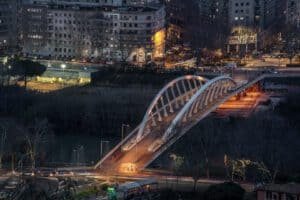
For an evening devoted to the dangers of the screen, the right photo is just one, and it's taken before going in: the Ponte della Musica, right in front of Piazza Gentile da Fabriano, with the Tiber below and the evening lights.
The bridge crosses the river in front of the theater and links Flaminio to the Foro Italico bank. The theater itself cites it as part of the cultural hub the district has become in recent years, along with the Auditorium and MAXXI. In late April the days are long, and the best frame takes in the theater's Rationalist facade, with its travertine base, on one side and the opposite bank on the other.
The second photo is of the lit facade, with the poster and the arriving audience. Shoot from the opposite side of the square to get the whole building.
Inside, during the show, no photos and no videos, out of respect for the speaker and the listeners. Then, afterward, do something the show will almost certainly suggest: don't post right away. Keep the photo to yourself for a day. It's a small experiment, and it says a lot about how used we are to turning every moment into content.
Some important events that happened here in history
On March 4, 1965 Pierre Boulez conducted a concert at Teatro Olimpico with the Italian premiere of Igor Stravinsky's Abraham and Isaac and the European premiere of his Elegy for J.F.K. It's perhaps the most important date in the hall's musical history, and it shows the weight the Accademia Filarmonica Romana carried in the city's cultural life.
In the following years the Olimpico hosted productions where art and music met: Stravinsky's Histoire du soldat in 1966, with Giacomo Manzù's backdrop, Niccolò Castiglioni's Tre misteri in 1968, with Mirko's sculpture, and Stravinsky's Mass in 1975, with Corrado Cagli's golden forms.
1980 was the turning point: Teatro Olimpico spa was born and bought the building. From 1981 dance became a fixture of the program: Moses Pendleton's Momix debuted at the Olimpico in April 1982 and became regular guests. The Lindsay Kemp Company brought A Midsummer Night's Dream in February 1989.
In the 1990s came the big names of dance: Mikhail Baryshnikov with the White Oak Dance Project, from October 10 to 15, 1995, and the Bolshoi Ballet, from September 23 to 26, 1996. In 2004, the Béjart Ballet Lausanne. And in the 2009/2010 season the Agis rankings placed the Olimpico second in Rome and seventh in Italy by attendance: confirmation, in numbers, of a bet made by a group of citizens 30 years earlier.
Who has passed through Roberta Bruzzone Menti in trappola in Rome, April 26, 2027
Teatro Olimpico's stage has seen musicians such as Arturo Benedetti Michelangeli, Jessye Norman, Zubin Mehta and Giuseppe Sinopoli, and comedians such as Gigi Proietti, Enrico Brignano and Vincenzo Salemme. It's hard to find a hall in Rome with such a mixed guest list.
For classical music, linked to the Accademia Filarmonica Romana, the theater's memory also holds the names of Luigi Dallapiccola and Pierre Boulez. For pop music, Marillion in February 1988, the Pooh in October 1994, Lucio Dalla in April 1994, and Giorgio Gaber on January 28, 1998. Dance brought Baryshnikov, Joaquín Cortés, Lindsay Kemp, Maurice Béjart, the Bolshoi, Antonio Gades and Momix here.
Among the protagonists of its history the theater also recalls Dario Fo, Nicola Piovani and Marco Travaglio. That last name is the closest to Bruzzone's show: the Olimpico has already hosted evenings where words, investigation and current affairs were the heart of the show. Menti in trappola fits into this line of civic and popular-science theater, which alongside the comedy of Proietti and Brignano has found a loyal audience here.
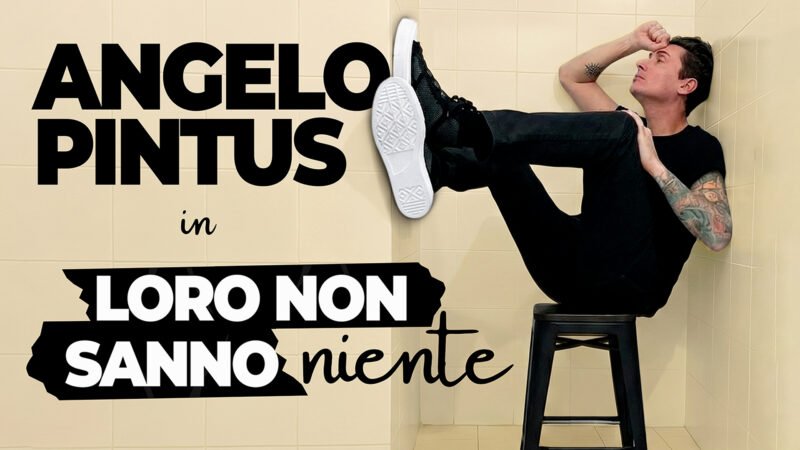
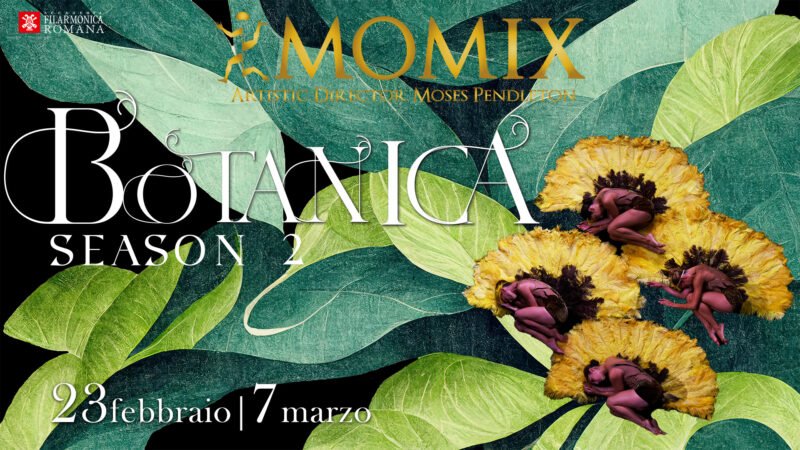
In the same 2026/2027 season the Olimpico hosts, among others, Angelo Pintus, Momix with Botanica and Slava's Snowshow: three very different ways of filling the same hall.
Flaminio around Teatro Olimpico
Teatro Olimpico is in the Flaminio district, north of Piazza del Popolo, in an area the theater itself describes as a cultural hub, with Auditorium Parco della Musica, MAXXI and the Ponte della Musica.
The Ponte della Musica and the Foro Italico
Opposite the theater, the Ponte della Musica leads to the other bank of the Tiber, where the Foro Italico opens up, built in the same years as the theater. If you arrive an hour early you can cross the river and stroll among the 1930s sports buildings.
Auditorium and MAXXI
A short distance away are Auditorium Parco della Musica and MAXXI. If you're coming from out of town, an exhibition in the afternoon and the show in the evening is a sensible combination.
Ponte Milvio and the center
Following the Tiber north you reach Milvian Bridge, with its square full of bars. In the opposite direction, along Via Flaminia, you pass the Etruscan Museum of Villa Giulia, at the edge of Villa Borghese, and then Piazza del Popolo.
Where to eat before or after Menti in trappola
Around Teatro Olimpico, between Piazza Mancini, Via Flaminia and Piazza Gentile da Fabriano, there are pizzerias, trattorias and bars used by theater and Auditorium audiences: neighborhood options, with no tourist pretensions.
Before the show
With a 20:30 start, a quick dinner at 19:00 is the most practical solution: a pizza, a plate of pasta, a sandwich at the bar. On Monday some places are closed for their weekly day off: check beforehand.
After the show
You're out at 22:00, a perfect time for a late dinner. Ponte Milvio, a few minutes away, has places open late even on weeknights. A show like this leaves questions hanging, and talking about them at the table is the best part of the evening.
Accessibility at Teatro Olimpico
If you have reduced mobility and want to see Menti in trappola at Teatro Olimpico, contact the box office before buying, at biglietti@teatroolimpico.it, to find out which seats are suitable and how to access the hall.
The orchestra is raked, amphitheater style, and the gallery is on the upper floor: keep both in mind when choosing your section. A phone call or an email to the box office answers questions the website leaves open.
Menti in trappola with teens
Menti in trappola deals with themes that directly concern teenagers and young people: digital addiction, sextortion, deepfakes, online radicalization. The theater doesn't publish a recommended minimum age.
Teens yes, children no
The stated themes include online pornography and sextortion, treated in the language of forensic psychology and with moments the theater describes as having strong emotional impact. It's not the right show for a child. For a teenager with a parent, though, it can be a rare chance to talk about subjects families tend to avoid.
Schools and groups
For a group of teachers or parents, the lower-priced sections with a railing make the evening affordable. Write to the box office for group requests.
Frequently asked questions about Roberta Bruzzone's Menti in trappola
When is Roberta Bruzzone's Menti in trappola on in Rome?
Roberta Bruzzone's Menti in trappola is on at Teatro Olimpico in Rome on Monday, April 26, 2027 at 20:30. It's a single date in the 2026/2027 season. The theater's official calendar lists the end of the show at 22:00, for a running time of about an hour and a half.
How much are tickets for Roberta Bruzzone at Teatro Olimpico?
Tickets for Menti in trappola at Teatro Olimpico cost from €25 to €39 plus presale fee. Poltronissima gold €39 plus €6, poltrona, side poltronissima and balcony €35.50 plus €5.30, balcony with railing and side balcony €28.50 plus €4.30, side balcony with railing €25 plus €3.80. Online there's an extra €2 fee.
Where can I buy tickets for Menti in trappola?
Tickets for Menti in trappola are sold on Teatro Olimpico's official website, through the online box office linked to the show page, or at the box office at Piazza Gentile da Fabriano 17. For information the theater lists biglietti@teatroolimpico.it.
What is Roberta Bruzzone's show about?
Roberta Bruzzone's show Menti in trappola is about the psychology of digital manipulation: addiction, polarization, disinformation, radicalization, sextortion, deepfakes, romance scams. It alternates real cases, social experiments and audience interaction, with the pace of a theatrical thriller.
How do you get to Teatro Olimpico by public transit?
Teatro Olimpico is reached by Metro A to Flaminio and tram 2 to Piazza Mancini terminus, then about 500 meters on foot along Viale del Pinturicchio. Alternatively, bus 910 from Termini to the Pannini stop, about 300 meters from the theater.
Is Menti in trappola suitable for teens?
Menti in trappola tackles themes that mostly concern young people, but includes subjects such as online pornography and sextortion. Teatro Olimpico doesn't state a minimum age: for a teenager with an adult it can be a chance for discussion, while it's not the right show for a child.
How many seats does Teatro Olimpico have?
Teatro Olimpico in Rome has 1,410 seats: 966 in the raked, amphitheater-style orchestra and 444 in the horseshoe gallery. The orchestra rake guarantees good visibility even from the back rows.
Final tip on Menti in trappola
A criminologist who spent years recounting crimes on television takes the stage to say that today's crime scene is in our phones. It may look like a TV spin-off, and in part it is, but the themes are real, and the books Roberta Bruzzone has written on the subject since 2016 show it's not a passing interest. Go with someone from another generation, sit in the poltrona or the center balcony, really switch off your phone and, on the way out, take the time to talk about it before switching it back on.
Article written by the editorial team of Tour Leader Pro, contact them for Private/Corporate/V.I.P. Tours and Experiences.
Planning a trip to Rome? The English-language guides for visiting the city are on ItalyPlanner.com.
Contact Information
Nearby
 Teatro Olimpico100 m
- Ponte della Musica – Armando Trovajoli200 m
- Flaminio400 m
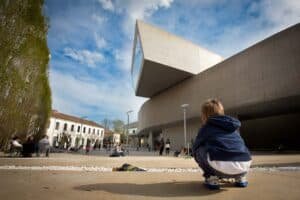
- MAXXI – National Museum of 21st Century Arts500 m
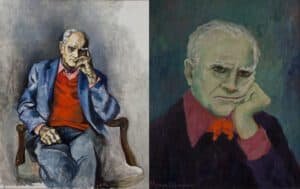
- Alberto Moravia House Museum700 m
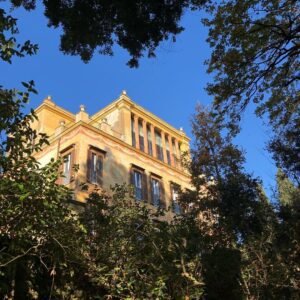
- Villa Mazzanti700 m

Upcoming events nearby
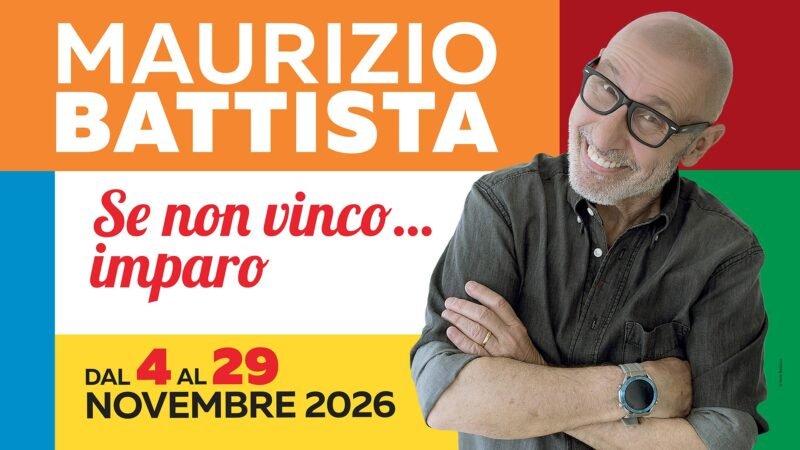
- Maurizio Battista at Teatro Olimpico, Se non vinco… imparo, November 4 to 29, 2026100 m
- Angelo Pintus at Teatro Olimpico, Loro non sanno niente, January 14 to February 14, 2027100 m
- Slava’s SnowShow at Teatro Olimpico, January 27 to February 7, 2027100 m
- MOMIX Botanica at Teatro Olimpico, February 23 to March 7, 2027100 m

You might also like
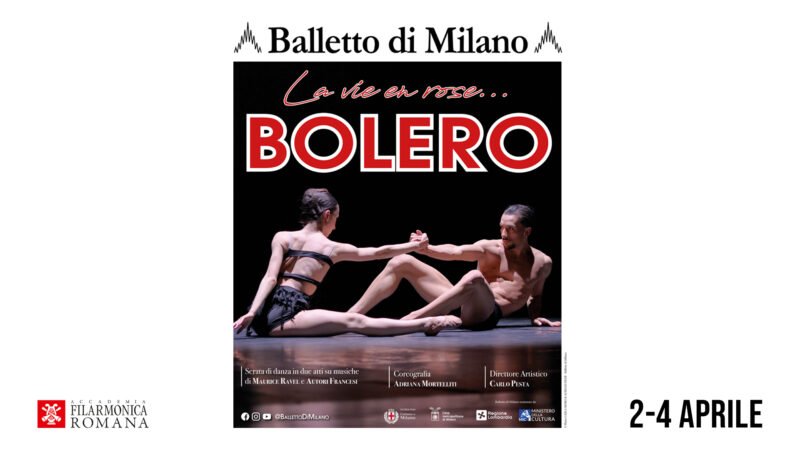
- La Vie en Rose and Bolero by Balletto di Milano at Teatro Olimpico, April 2 to 4, 2027
- Le Coliche in 10 anni di Coliche e siamo ancora vivi at Teatro Olimpico, March 25 and 31, 2027
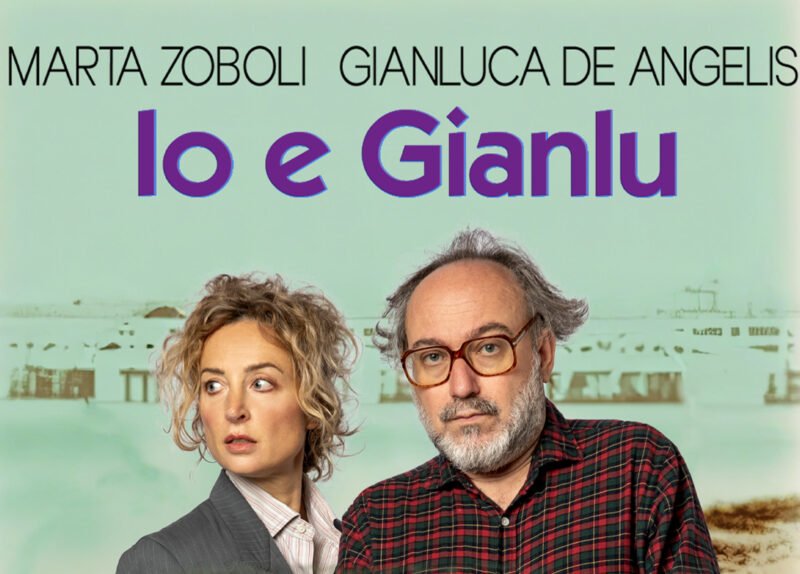
- Marta e Gianluca in Io e Gianlu at Teatro Olimpico, March 23 and 24, 2027
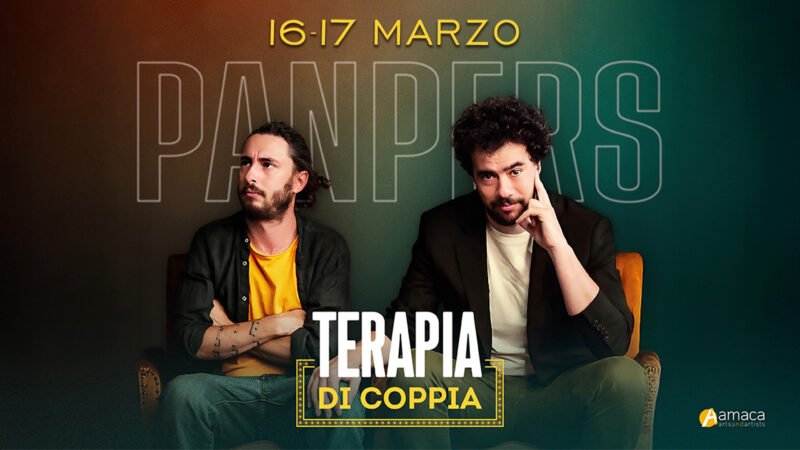
- PanPers, Terapia di coppia at Teatro Olimpico, March 16 and 17, 2027
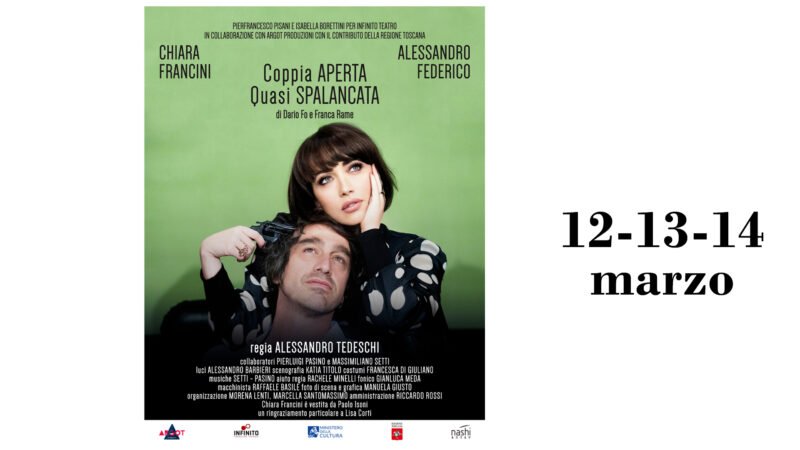
- Coppia aperta quasi spalancata with Chiara Francini at Teatro Olimpico, March 12 to 14, 2027
- Io Marte Tu Mercole with Scintilla and Federica Camba at Teatro Olimpico, March 10, 2027