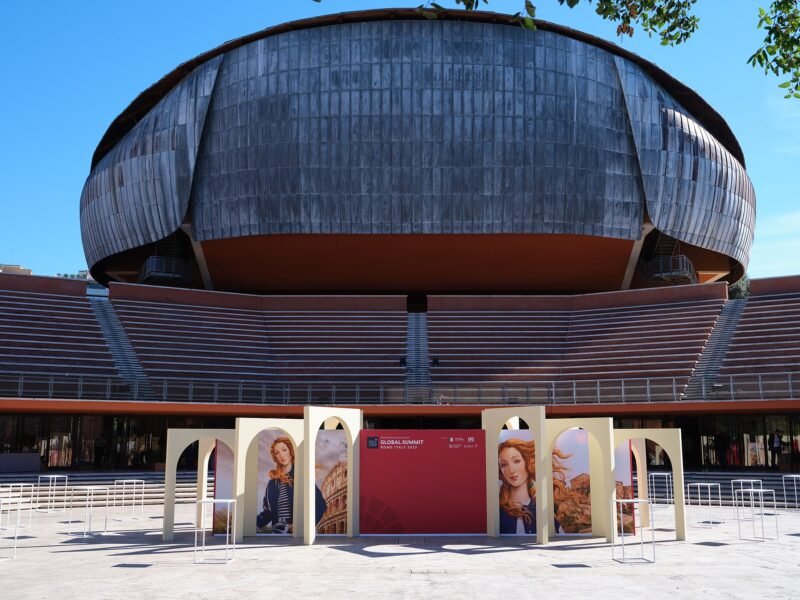
Joe Hisaishi at Santa Cecilia, Auditorium Parco della Musica in Rome, June 3 to June 5, 2027
In short. Joe Hisaishi conducts the Orchestra of Accademia Nazionale di Santa Cecilia in three concerts, Thursday, June 3, 2027 at 19:30, Friday, June 4 at 20:00 and Saturday, June 5 at 18:00, in Sala Santa Cecilia at Auditorium Parco della…
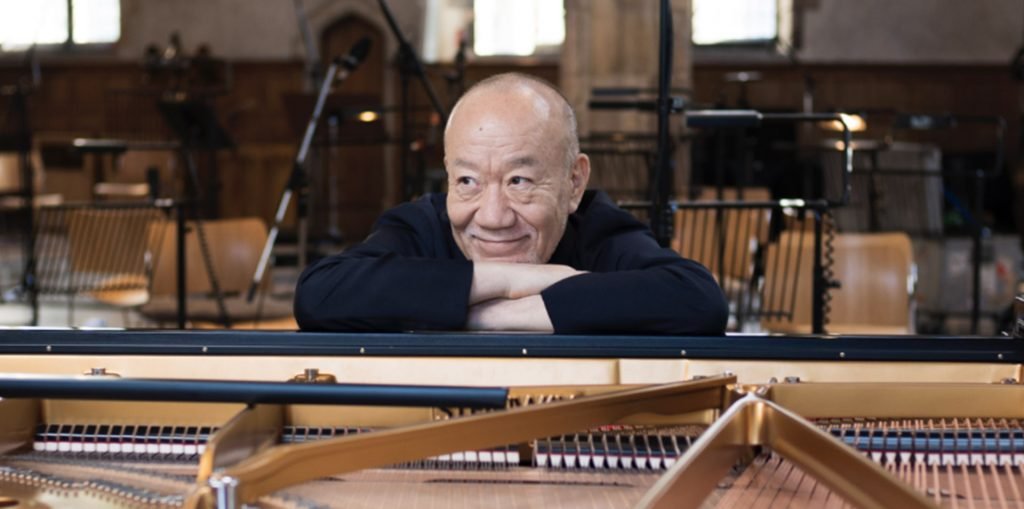
Joe Hisaishi conducts the Orchestra of Accademia Nazionale di Santa Cecilia in three concerts, Thursday, June 3, 2027 at 19:30, Friday, June 4 at 20:00 and Saturday, June 5 at 18:00, in Sala Santa Cecilia at Auditorium Parco della Musica Ennio Morricone, Viale Pietro de Coubertin 30. On the program are three of his compositions: the Concerto for Orchestra in its Italian premiere, the Adagio for two harps and strings and the symphonic suite for piano and orchestra from The Boy and the Heron. You get there by tram 2 from Piazzale Flaminio (metro A, Flaminio stop), getting off at Flaminia/Reni or Apollodoro, or by buses 910 from Termini, 53, 982 and 168. Tickets cost from €23 to €54, depending on the section. They're sold at the Auditorium box office, at the box office at Via Vittoria 6 and on the presale network authorized by Accademia, reachable from the official concert page. Sales for the concerts from March to the end of the season open on January 12, 2027.
These are the concerts that close Accademia's 2026/2027 symphonic season, and they bring to the Santa Cecilia podium the composer of the soundtracks of Hayao Miyazaki and Takeshi Kitano. Hisaishi conducts his own music: the rare case of a film composer arriving in a major symphony orchestra's season with a new piece, commissioned by half the world.
Joe Hisaishi at Santa Cecilia: dates, times and hall
Joe Hisaishi's three concerts are held on June 3, 4 and 5, 2027 in Sala Santa Cecilia, with different times each evening: 19:30, 20:00 and 18:00. It's the usual pattern of Accademia's symphonic season, with the same program repeated three times.
Thursday, Friday or Saturday
Thursday at 19:30 is the evening for those leaving work who want to get home at a reasonable hour. Friday at 20:00 is the classical concert of the week, with dinner afterward. Saturday at 18:00 is the choice for those coming from outside Rome, or bringing young people: you come out at dinnertime and the evening stays free.
The punctuality rule
Accademia warns that concerts start on time and that latecomers can't enter the hall: they follow the concert in the listening rooms, while seats last. With a hall of over 2,700 seats and an audience that for Hisaishi will be partly new to symphonic music, it's a warning to take seriously.
A season finale
The 2026/2027 season opens on October 21, 2026 with Wagner conducted by Daniel Harding and closes with these three June concerts. It's a programming choice that says a lot: Accademia entrusts its last event to a living composer conducting himself.
Joe Hisaishi's program: three of his own pieces
The concert program is entirely by Joe Hisaishi: Concerto for Orchestra, Adagio for two harps and strings and the symphonic suite for piano and orchestra from The Boy and the Heron. Hisaishi is on the podium of the Orchestra of Accademia Nazionale di Santa Cecilia.
Concerto for Orchestra, Italian premiere
It's the weightiest piece of the evening and the only one the audience can't know: a new commission, performed for the first time in Italy. Accademia lists the commissioners, and it's an impressive list: the National Symphony Orchestra of the United States, Toronto Symphony Orchestra, Carnegie Hall, Colorado Symphony, Royal Philharmonic Orchestra, San Francisco Symphony, Chicago Symphony Orchestra, Orchestre de Paris and the JH Foundation. The Concerto for Orchestra is a genre that tests every section, and a composer writes one when he wants to measure himself against the great symphonic tradition, not against the screen.
Adagio for two harps and strings
A piece for a small ensemble, which in a hall as big as Santa Cecilia makes the most of the acoustics: the two harps and the strings need silence around them, and the cherry wood ceiling carries even the softest sounds. It's the moment when listening becomes most intimate.
The Boy and the Heron, symphonic suite
The close is for cinema. The Boy and the Heron is Hayao Miyazaki's 2023 film, and the soundtrack earned Hisaishi a Golden Globe nomination for best original score in 2024. Here the music becomes a symphonic suite for piano and orchestra: the piano, Hisaishi's instrument, is at the center of the piece.
A set list without Totoro
If you're expecting a concert of the great Ghibli themes, from Totoro to Spirited Away, you should know: the published program doesn't include it. It's a composer's concert, with a new piece at its center. It's the more interesting choice: Hisaishi's film music is heard everywhere, his concert music much more rarely.
Who Joe Hisaishi is
Joe Hisaishi, pseudonym of Mamoru Fujisawa, is a Japanese composer and pianist born in Nagano on December 6, 1950. He's best known for writing the soundtracks of almost all of Hayao Miyazaki's films and, until Dolls in 2002, of Takeshi Kitano's: the two most famous Japanese filmmakers of the late 20th century.
Nagano, the violin, Kunitachi
He discovered music at four, with his first violin lessons. In 1969 he enrolled at Kunitachi College, where he graduated in composition. At first he worked alongside minimalist artists, and in the early 1970s he wrote the music for small cartoons and anime series.
The stage name and Quincy Jones
The pseudonym is a tribute to Quincy Jones. The characters of the surname Hisaishi can also be read kuishi, similar to the Japanese transcription of Quincy, and the first name Jō, Joe in the West, recalls Jones. It's a detail that says a lot about his horizon: a Japanese composer who looked to American music from the start.
Minimalism, electronics, pop
His first compositions show the influence of Japanese pop, electronic music, especially Yellow Magic Orchestra, and new age. His first solo album, MKWAJU, is from 1981. The next year came Information. Then followed Piano Stories, My Lost City, Etude, Asian XTC and Another Piano Stories, while cinema started calling him.
Miyazaki and Studio Ghibli
The decisive meeting was with Hayao Miyazaki, who became his friend and for whom he wrote the music of a long series of films, starting with Nausicaä of the Valley of the Wind in 1984. Then Castle in the Sky, My Neighbor Totoro, Kiki's Delivery Service, Porco Rosso, Princess Mononoke, Spirited Away, Howl's Moving Castle, Ponyo, The Wind Rises and, in 2023, The Boy and the Heron. For Studio Ghibli he also wrote Isao Takahata's The Tale of the Princess Kaguya, in 2013.
Kitano and other directors
For Takeshi Kitano he wrote the music for A Scene at the Sea, Sonatine, Kids Return, Hana-bi, Kikujiro, Brother and Dolls. He also scored Yojiro Takita's Departures, Oscar winner for best foreign language film in 2009, and has worked for Korean and Chinese cinema: Welcome to Dongmakgol won best score at the Korean Film Awards, The Postmodern Life of My Aunt at the Hong Kong Film Awards. In 2025 he wrote the music for A Big Bold Beautiful Journey.
Awards, records, conducting
He has won the Japan Academy award for best music six times and, in 2003, the Annie Award for Spirited Away. In 2009 the Japanese government awarded him the Medal of Honor with Purple Ribbon. In 2001 he made his directing debut with Quartet. In 2004 he was the first Japanese musician to conduct the Cannes Festival orchestra, accompanying Buster Keaton's The General live. In 2008, at Tokyo's Budokan, he conducted an orchestra of 1,200 players for 25 years of collaboration with Miyazaki. In 2023 he recorded A Symphonic Celebration, his first album for Deutsche Grammophon, with music from the Ghibli films. In August 2026 he set three Guinness World Records for a series of concerts in several countries.
Hisaishi on the podium: the composer who conducts himself
In Rome Joe Hisaishi isn't a soloist or guest of honor: he's the conductor of the Orchestra of Accademia di Santa Cecilia. It's a role he has practiced for years, from the 2006 Asian tour with five philharmonic orchestras to the 2009 album Minima Rhythm with the London Philharmonic Orchestra, followed by a tour of 12 Japanese cities.
Why it matters
A composer conducting his own music offers a reading nobody else can give: the tempos, the balances, the intentions are the author's. For the Concerto for Orchestra, which reaches Rome for the first time, it means hearing the piece as Hisaishi conceived it.
An orchestra used to the greats
Accademia Orchestra, led in recent years by Antonio Pappano and today by Daniel Harding, is the ensemble that since 2003 has driven the symphonic season in this hall. Auditorium, after all, bears the name of Ennio Morricone: a film composer welcomed in the place that honors another.
A curious fact about Joe Hisaishi at Santa Cecilia, Auditorium Parco della Musica in Rome, June 3 to June 5, 2027
Joe Hisaishi conducts in Auditorium named after Ennio Morricone, the Italian film composer after whom the whole complex is named. Rome's city council approved the naming in 2020, and since then every film music concert in these halls has an extra echo.
The second curious fact concerns the name. Hisaishi is a pseudonym chosen as a tribute to Quincy Jones: the young Mamoru Fujisawa played on the possible readings of the surname's characters to evoke Quincy, and on the first name Joe to recall Jones. A composer who built a Japanese aesthetic recognizable all over the world thus carries, in his name, a tribute to American jazz and pop.
Third curious fact, for those who follow records: in 2008 Hisaishi conducted an orchestra of 1,200 players at Tokyo's Budokan. Sala Santa Cecilia, with 2,756 seats, is big. But in Rome the orchestra will be that of a symphonic institution, not a stadium event. It's a choice that says what this concert wants to be.
Sala Santa Cecilia, where Hisaishi plays
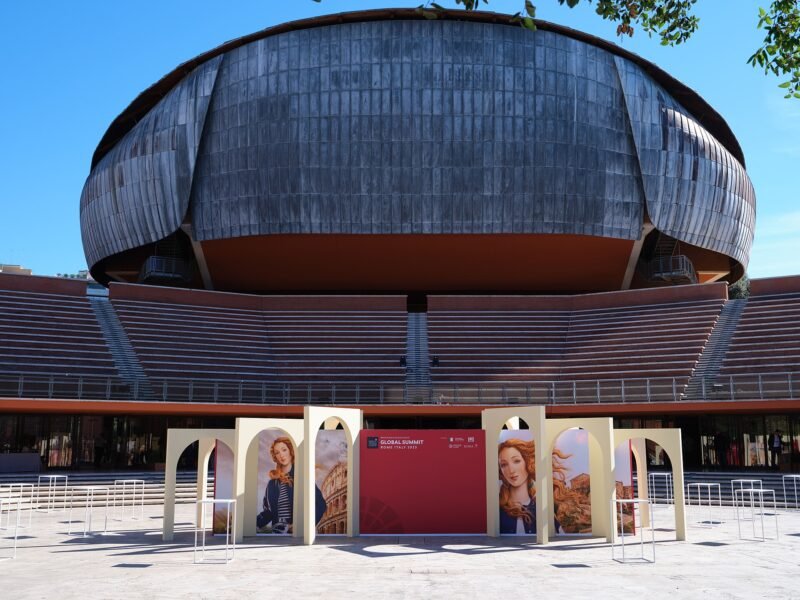
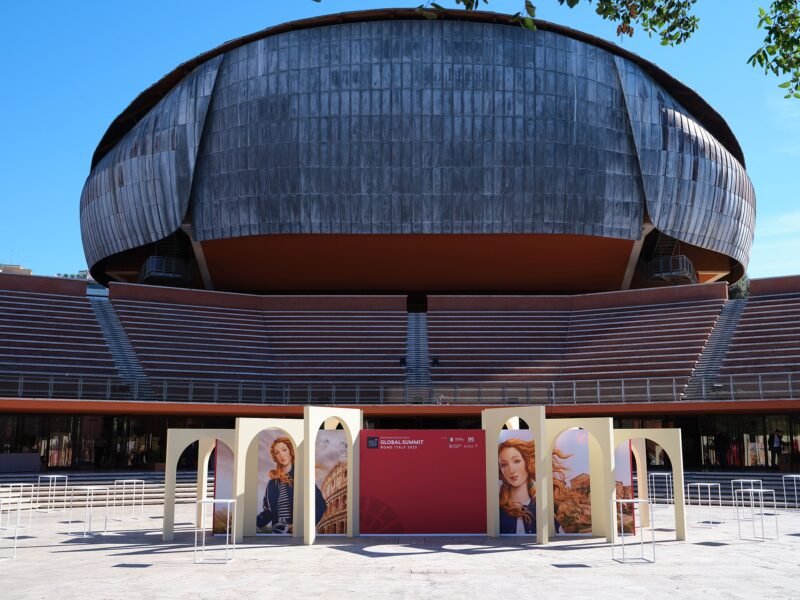
Sala Santa Cecilia is the largest of the three concert halls of Auditorium Parco della Musica Ennio Morricone: 2,756 seats, designed by Renzo Piano for symphonic music. It was inaugurated on December 21, 2002 with Accademia Orchestra conducted by Myung-whun Chung.
The cherry wood ceiling
The ceiling is made of 26 American cherry wood shells, each about 180 square meters. The hall works like a sound box, with a gallery running all around, even behind the orchestra. The reverberation time is 2.2 seconds, a rare value in Italy: ideal for a Concerto for Orchestra, which lives on both masses of sound and details.
Where to sit
Those who know the hall know that the sound intensity seems to drop up to the 10th row and then stay constant: there's no need to sit right up against the stage. For the suite with piano, the seats in the side gallery let you see the keyboard. For the orchestra as a whole, the central orchestra level remains the best choice.
Renzo Piano's beetles
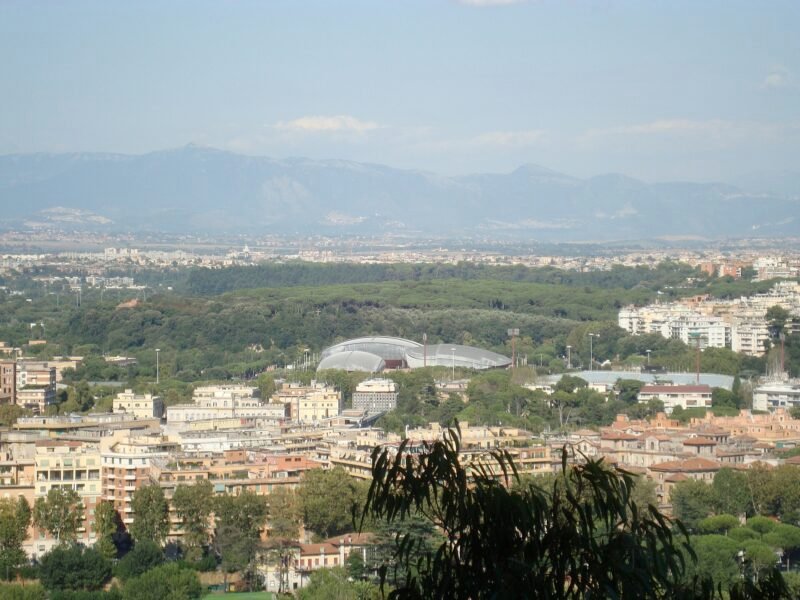
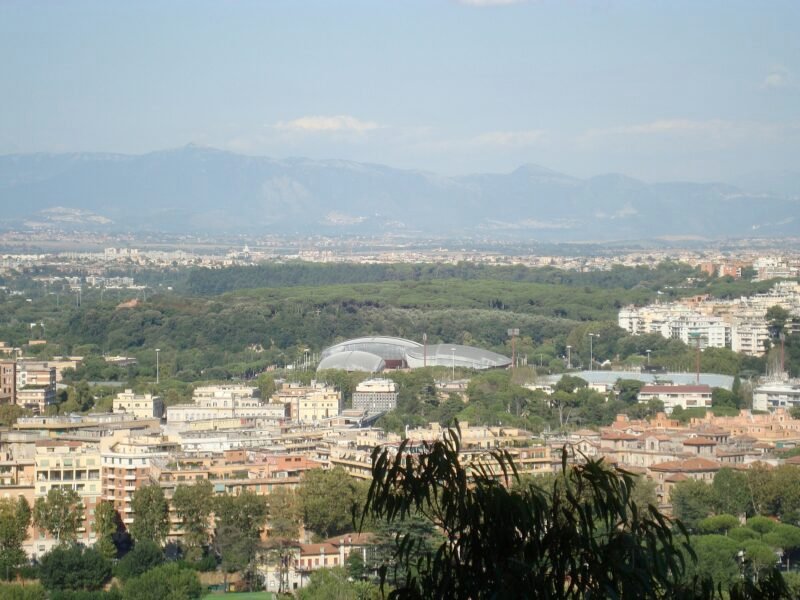
From outside the three halls look like three big lead-clad beetles on brick bases, arranged radially around the open-air cavea named after Luciano Berio. Piano won the competition in 1993 and worked with acoustician Jürgen Reinhold of the Müller-BBM firm and with landscape architect Franco Zagari.
Something nobody tells you about Joe Hisaishi at Santa Cecilia, Auditorium Parco della Musica in Rome, June 3 to June 5, 2027
Sala Santa Cecilia is built on a level well above the ground, because the remains of a Roman villa emerged underground, and the galleries are reached by only two elevators. If you have a gallery seat and trouble with stairs, arrive well ahead of time.
For a concert like Hisaishi's the detail matters more than usual. The audience will be largely different from the symphonic season's usual one: animation film fans, families, young people who got to know his music through the Ghibli films. Many will enter this hall for the first time, and the combination of a punctual start, closed doors and few elevators can turn a 10-minute delay into a concert heard from the listening rooms.
The second thing few people mention: Sala Santa Cecilia has no pipe organ. The issue blew up in 2002, with an appeal by Italia Nostra, and Accademia, then led by Luciano Berio, suspended the project. Hisaishi's program doesn't need an organ, but it explains why the wall behind the orchestra is so bare compared with the great European halls.
Third: Auditorium's internal parking lot has limited spaces and expensive rates, and Viale Pietro de Coubertin is closed to cars along the entrance stretch. For three likely sold-out evenings, driving is the worst choice.
Accademia Nazionale di Santa Cecilia
Accademia Nazionale di Santa Cecilia, which organizes the Hisaishi concerts, is one of the oldest music institutions in the world. Born as a congregation of musicians, it became an academy with 70 full members and 30 honorary ones, a symphony orchestra and chorus and advanced training activities. Since 1998 it has been a foundation. The music director is Daniel Harding.
Accademia inside Auditorium
Since 2003 Auditorium has been the permanent home of the Accademia season, which also keeps the Bibliomediateca and the Museum of Musical Instruments (MUSA) there. If you arrive early, checking the museum's opening times is a good way to fill the wait.
A season that closes at the movies
A season opened by a Wagner music drama and closed by a soundtrack composer: it's the portrait of an institution that holds together the great tradition and today's audience. For anyone who has never set foot in a symphonic hall, Hisaishi is the ideal way in.
My tip for Joe Hisaishi at Santa Cecilia, Auditorium Parco della Musica in Rome, June 3 to June 5, 2027
Mark January 12, 2027 in your calendar, the day sales open for the spring concerts, and buy right away. Three evenings in a 2,756-seat hall may seem like a lot, but Hisaishi has a worldwide audience and the best seats will go first.
Second: choose the evening based on who's coming with you. With teenagers or older children, Saturday at 18:00 is unbeatable. For a couple, Friday at 20:00 with dinner afterward at Ponte Milvio or in Flaminio. For those who work, Thursday at 19:30.
Third: get ready to listen. The most important piece of the evening is the Concerto for Orchestra, which nobody has heard in Italy yet. Arriving with only Totoro in mind means risking disappointment. Arriving curious about the composer means discovering a Hisaishi few people know. Listen again to the soundtrack of The Boy and the Heron beforehand, so the final suite will find you ready.
Finally, arrive at least 30 minutes early. The doors close at the start time and nobody makes exceptions.
Tickets and prices for Joe Hisaishi at Santa Cecilia
Tickets for Joe Hisaishi at Santa Cecilia cost €54 in section I, €47 in II, €37 in III, €35 in IV, €30 in V and €23 in VI. These are the prices published by Accademia on the official concert page.
When to buy
Accademia splits the presale of the 2026/2027 season into two periods: from September 10, 2026 for concerts up to February 27, 2027, from January 12, 2027 for those from March 3 to the end of the season. The Hisaishi concerts fall in the second period.
Where to buy
The only authorized sellers listed by Accademia are Auditorium Parco della Musica box office, the box office at Via Vittoria 6 and the authorized presale network with its outlets, reachable from the buy button on the official page. For an event this popular a secondary market is predictable: avoid it.
Young people and discounts
Accademia has a section dedicated to discounts for young people and publishes the full notices on its website. For the discounts valid for these dates, contact the info line 06 8082058 or biglietteria@santacecilia.it.
Another well-known fact, yet one that's rarely mentioned
Joe Hisaishi wrote the music for almost all of Hayao Miyazaki's films, but before becoming Studio Ghibli's composer he was a minimalist musician with his own solo records. His fans know it, but it's rarely mentioned when he's introduced as a soundtrack composer.
His first album, MKWAJU, is from 1981. Information came out the next year, before Nausicaä. His declared influences are minimalism, Yellow Magic Orchestra's electronic music, new age and 1970s Japanese pop. Cinema came later, and brought with it that writing in repeated cells, those clear pianos, those suspended harmonies that today everyone associates with Miyazaki's films.
It's a fact that changes the way you listen to the Rome concerts. The Concerto for Orchestra and the Adagio for two harps and strings aren't detours from cinema: they're Hisaishi's return to his starting point, concert music. The joint commission by orchestras such as the Chicago Symphony, the Royal Philharmonic and the Orchestre de Paris says the symphonic world considers him a composer in his own right, not a guest from the movies.
And the soundtracks themselves come from this training: with a degree in composition from Kunitachi College in 1969, Hisaishi is an academically trained composer who chose the screen, not the other way around.
How to get to Auditorium for Joe Hisaishi
Auditorium Parco della Musica Ennio Morricone is reached by tram 2, Flaminia/Reni or Apollodoro stops, and by buses 910, 982, 168 and 53. The metro doesn't come this far: the nearest station is Flaminio, on line A.
Metro A and tram 2
From Flaminio station you come out on Piazzale Flaminio and take tram 2 along Via Flaminia. Get off at Flaminia/Reni or Apollodoro and walk a few minutes toward Viale Pietro de Coubertin, through the Villaggio Olimpico.
Bus 910 from Termini
The 910 leaves from Piazza dei Cinquecento, in front of Termini station, and takes you to Auditorium with no changes. If you're arriving by train or staying near the station, it's the most straightforward option.
The other lines
The 53 links Piazza Mancini and the center. The 982 comes from Viale XVII Olimpiade area and Quattro Venti station. The 168 comes from Tiburtina station and is a weekday line. For updated times, especially on the way back, use the transit company's journey planner.
By car
Viale Pietro de Coubertin is closed to traffic along Auditorium stretch. The internal parking lot is paid and has few spaces. On concert evenings cars invade the streets of the Villaggio Olimpico. Drive only if there's no alternative.
The right photo to take at Joe Hisaishi at Santa Cecilia, Auditorium Parco della Musica in Rome, June 3 to June 5, 2027
The right photo is taken before the concert, from the top of the cavea, with Renzo Piano's three beetles reflecting the June light. During the concert your phone stays in your pocket: in such a sensitive hall every shot can be heard.
In early June, with the longest days of the year, for the Saturday 18:00 concert you arrive in full daylight and leave at sunset. It's the best moment to photograph the lead cladding of the halls, which changes color with the sky. If you can include Sala Santa Cecilia entrance with the audience going in, the photo tells the evening better than a portrait.
A second shot is worth taking from the terrace, of the remains of the Roman villa between the halls: ancient and contemporary in the same frame. Inside the hall, before the start and if the staff allow it, the shot to take is upward, at the 26 cherry wood shells of the ceiling.
For Hisaishi's audience, many of whom will come with a Ghibli item or gadget, the group photo in front of the entrance before the concert will probably be the best memory. Take it outside, and then go in quietly.
Some important events that happened here in history
During the construction of Auditorium the remains of a Roman villa from the 3rd century BC emerged, built on the site of a farm from the 6th century BC, and the discovery forced Renzo Piano to change the project. Two of the three beetles were moved to the west, almost to the Corso di Francia viaduct. The finds are displayed in a small museum under the cavea.
The modern story starts with a demolition. In 1936 the Augusteo hall was torn down, and for over 60 years Rome was left without an auditorium built for symphonic music. There was long debate over where to build it. Only in 1992 did the city council choose the Villaggio Olimpico area, and in 1993 Piano won the competition.
Construction was troubled, with the first company's contract terminated and a new tender. On April 21, 2002 Sala Sinopoli opened. On December 21, 2002 Sala Santa Cecilia was inaugurated with Myung-whun Chung on the podium. Since 2003 Auditorium has been the permanent home of the Accademia season. Since 2006 it has hosted the Rome Film Fest. In 2020 the city council approved naming it after Ennio Morricone.
It's a history that has a precise meaning for the Hisaishi concert: a complex that hosts the Rome Film Fest and bears the name of a soundtrack composer welcomes, in its symphonic hall, one of the most famous animated film composers in the world.
Who has passed through Joe Hisaishi at Santa Cecilia, Auditorium Parco della Musica in Rome, June 3 to June 5, 2027
Sala Santa Cecilia has had major guests from day one: the inaugural concert on December 21, 2002 was conducted by Myung-whun Chung at the head of Accademia Orchestra. Since then the hall has been the home of the orchestra and its conductors, from Antonio Pappano to Daniel Harding.
A few months earlier, at the opening of Sala Sinopoli, the composer Goffredo Petrassi, by then elderly, wanted to be present to hear the first performance in the new hall of his 1931 Concert Overture. The smallest hall in the complex bears his name today. Luciano Berio, who led Accademia in those years, gave his name to the cavea.
Not everyone was enthusiastic. In the first months conductor Wolfgang Sawallisch said he was puzzled by the stage and the acoustics, and problems came up during an Ivano Fossati concert. Corrective work followed. Then the hall welcomed the season's great soloists, from Evgeny Kissin on down.
In June 2027 Joe Hisaishi joins this list, and with him a name the hall already knows well in other ways: Ennio Morricone, after whom the whole complex is named. Two composers who gave voice to their country's cinema, now under the same cherry wood roof.
Accessibility and children at the Hisaishi concerts
Sala Santa Cecilia is raised above the ground and the galleries are reached by only two elevators: if you have accessibility needs, contact the Accademia box office in advance. The info line is 06 8082058, the address biglietteria@santacecilia.it.
Reduced mobility
Arrive at least an hour early and ask the staff right away for the elevator route. In a 2,756-seat hall, in the minutes before the start the elevators become a bottleneck.
With children
Hisaishi is probably the living symphonic composer most loved by young people, thanks to Miyazaki's films. Saturday at 18:00 is the right date to bring them. But explain beforehand that it won't be a concert of film themes: the Concerto for Orchestra requires attention, and The Boy and the Heron suite comes at the end. The entry rules for minors are in the notices published by Accademia.
The neighborhood around Auditorium
Auditorium covers an area of about 55,000 square meters between Villa Glori, the Villaggio Olimpico, the Corso di Francia viaduct and Viale Maresciallo Pilsudski. It's a piece of 20th-century Rome where contemporary architecture talks with greenery.
The Villaggio Olimpico and Flaminio
The Villaggio Olimpico is the neighborhood you walk through from the tram. Not far away are MAXXI, the city's other great contemporary building, and the Teatro Olimpico.
Toward the Tiber
From Auditorium you walk down toward the river and Ponte della Musica, which links Flaminio to Foro Italico. Further north, past Piazza Mancini, is Milvian Bridge, one of north Rome's evening meeting points.
Toward the center
Tram 2 takes you back to Piazzale Flaminio and Piazza del Popolo, where Villa Borghese and the Tridente begin. In June a walk on the Pincio before taking the tram to Auditorium is the most relaxing way to arrive.
Where to eat before or after the concert
Inside Auditorium there's a bar and a café in the foyer and a bar-restaurant that can also be entered from the street. It's the most convenient solution if you're coming straight from work and don't want to risk the closed doors.
In the neighborhood
Between the Villaggio Olimpico, Via Flaminia and Piazza Mancini there are local pizzerias, trattorias and bars, frequented more by residents than by tourists. For Thursday and Friday, book early and have a relaxed dinner before, or after.
Ponte Milvio and the center
If you'd rather eat after the concert, the widest choice is at Ponte Milvio, a few minutes away, where places stay open until late. After the Saturday 18:00 concert you come out at the perfect time for dinner outdoors, and in early June the evenings allow it.
June in Rome: the moment of the year
Early June is when Rome moves from the theater season to the season of open-air festivals. The Hisaishi concerts close Accademia's musical winter, while Auditorium cavea and the parks start filling with summer events.
The weather
The days are long and warm, the evenings pleasant. In the hall the temperature is controlled. Outside, on the way back, a light jacket is enough.
A long weekend
If you're coming from out of town for the Saturday concert, you can build a weekend around it between MAXXI, Villa Borghese and the center.
Frequently asked questions about Joe Hisaishi in Rome
When does Joe Hisaishi conduct in Rome?
Joe Hisaishi conducts the Orchestra of Accademia Nazionale di Santa Cecilia on Thursday, June 3, 2027 at 19:30, Friday, June 4 at 20:00 and Saturday, June 5 at 18:00, in Sala Santa Cecilia at Auditorium Parco della Musica Ennio Morricone, Viale Pietro de Coubertin 30.
How much do tickets for Joe Hisaishi at Santa Cecilia cost?
Tickets for Joe Hisaishi at Santa Cecilia cost €54 in section I, €47 in II, €37 in III, €35 in IV, €30 in V and €23 in VI. Sales for the concerts from March to the end of the season, including these, open on January 12, 2027.
What does Joe Hisaishi play in Rome?
Joe Hisaishi's Rome program includes three of his compositions: the Concerto for Orchestra in its Italian premiere, a new commission from several international orchestras, the Adagio for two harps and strings and the symphonic suite for piano and orchestra from Miyazaki's The Boy and the Heron.
Will there be music from Totoro and Spirited Away?
The program published by Accademia di Santa Cecilia for Joe Hisaishi's concerts includes neither Totoro nor Spirited Away. The only piece from Miyazaki's films is The Boy and the Heron symphonic suite. The rest is concert music.
Where can I buy tickets for Hisaishi?
Tickets for Joe Hisaishi are sold at Auditorium Parco della Musica box office, at the box office at Via Vittoria 6 and on the authorized presale network reachable from the official concert page on Accademia di Santa Cecilia website. They're the only authorized sellers.
How do I get to Auditorium Parco della Musica?
Auditorium Parco della Musica is reached by metro A to Flaminio and then tram 2 to Flaminia/Reni or Apollodoro, or by buses 910 from Termini, 53, 982 and 168. The internal parking lot has few spaces.
What happens if I arrive late to the Hisaishi concert?
At Accademia di Santa Cecilia concerts start on time and latecomers don't get into the hall: they can follow the Hisaishi concert in the listening rooms, while seats last. It's best to arrive at least 30 minutes early.
My final tip on Hisaishi at Santa Cecilia
Buy on January 12, choose Saturday if you're bringing young people, and go hear the Concerto for Orchestra with the same curiosity you'd bring to a premiere. Hisaishi isn't bringing his greatest hits to Rome: he's bringing his work as a composer, and it's much better that way.
Article written by the editorial team of Tour Leader Pro, contact them for Private/Corporate/V.I.P. Tours and Experiences.
Planning a trip to Rome? The English-language guides for visiting the city are on ItalyPlanner.com.
Contact Information
Nearby
 Museum of Musical Instruments (MUSA)100 m
- Auditorium Parco della Musica100 m
- Villa Glori500 m
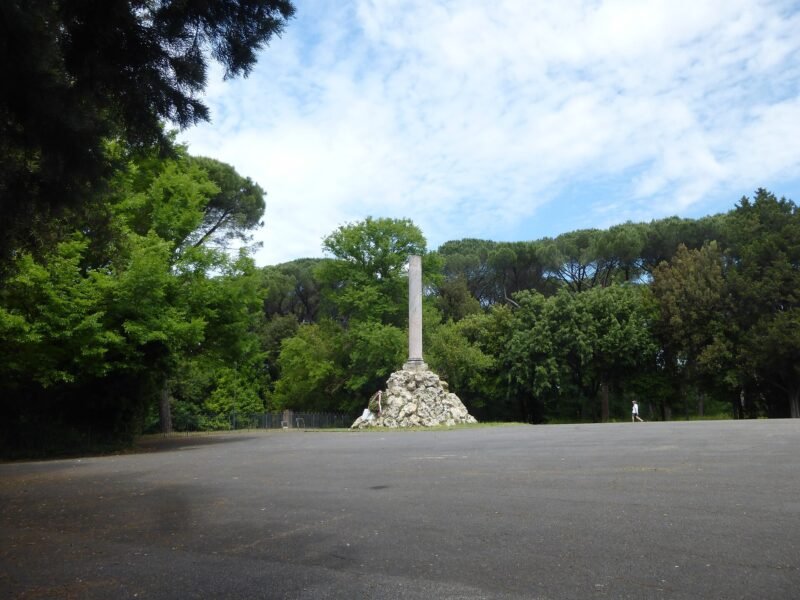
- Fountain of Anna Perenna500 m
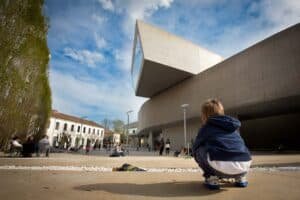
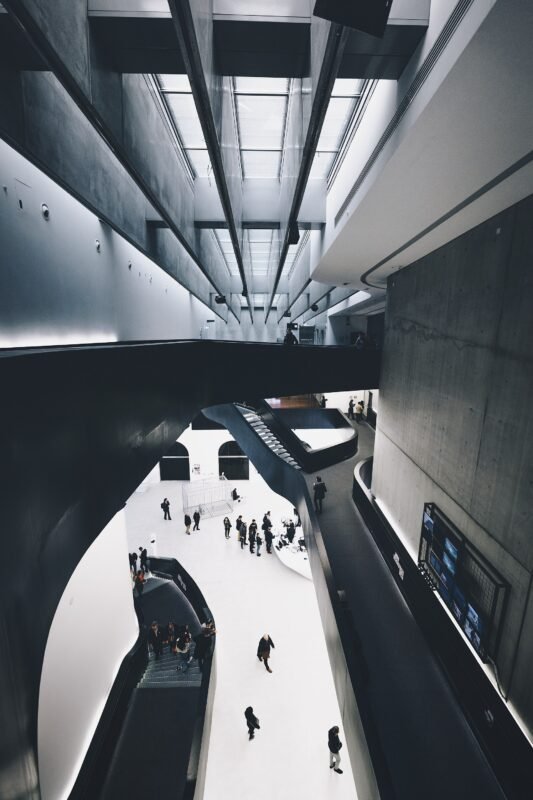
- MAXXI – National Museum of 21st Century Arts700 m
- Flaminio700 m
Upcoming events nearby
- Roma Jazz Festival 2026, November 1 to 24 at the Auditorium and Casa del Jazz100 m
- Evgeny Kissin and András Schiff at Santa Cecilia, November 9, 2026100 m
- Roma Gospel Festival 2026 at Auditorium Parco della Musica, December 13, 2026 to January 1, 2027100 m
- Santa Cecilia 2026/2027 Concert Season at Auditorium Parco della Musica, October 21, 2026 to June 5, 2027100 m



You might also like
- Nubras Ensemble at Auditorium Parco della Musica, February 27, 2027
- Blade Runner Cine-Concert at Auditorium Parco della Musica, November 8, 2026
- Daniel Harding Conducts Ravel and Debussy at Auditorium Parco della Musica, April 8, 9 and 10, 2027
- Argerich and Capuçon for Beethoven at Auditorium Parco della Musica, April 6, 2027
- Gustavo Gimeno and Frank Peter Zimmermann at Auditorium Parco della Musica, April 1, 2 and 3, 2027
- Manfred Honeck Conducts Beethoven at Santa Cecilia: March 25, 26 and 27, 2027