Alessandro Cattelan, Benvenuto nell’A.I. at Teatro Olimpico in Rome, December 7, 2026
In short. Alessandro Cattelan brings Benvenuto nell'A.I., his one-man show made of monologues, family stories and songs written for the occasion, to Teatro Olimpico in Rome, at Piazza Gentile da Fabriano 17 (00196 Rome), on Monday, December 7,…
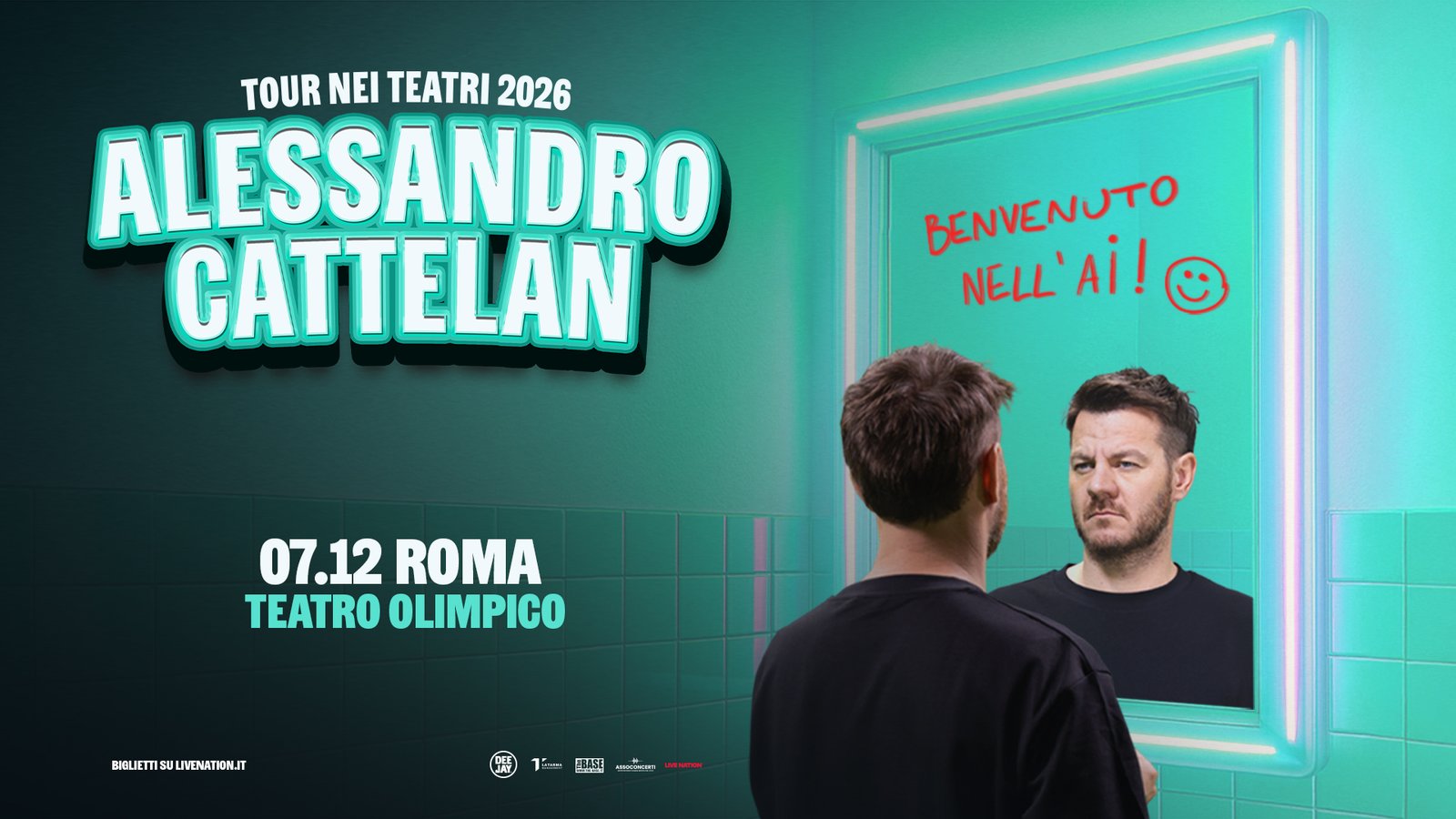
Alessandro Cattelan brings Benvenuto nell'A.I., his one-man show made of monologues, family stories and songs written for the occasion, to Teatro Olimpico in Rome, at Piazza Gentile da Fabriano 17 (00196 Rome), on Monday, December 7, 2026 at 20:30, with the end expected at 22:00. You get there on Metro A to Flaminio and then tram 2 to Piazza Mancini terminus, from which the theater is about 500 meters on foot. From Termini there's also bus 910, Pannini stop. The prices published by the theater range from 45 to 70 euros plus booking fee, depending on the section. Tickets are bought on the official Teatro Olimpico website, at the box office on Piazza Gentile da Fabriano or on the presale circuit authorized by the organizers.
Language: performed in Italian. No English version or English surtitles are announced.
20 years of television, 10 of X Factor, a daily radio show, two Sanremo Festivals and a Eurovision: Alessandro Cattelan is the most recognizable host of his generation, and for a few seasons he has chosen the theater to show what television covers up. Benvenuto nell'A.I. starts from a question asked by an artificial intelligence, what it lacks to be human, and answers with the life of a man who declares himself imperfect. The verdict is clear: if you know him only as the host of talent shows, you'll be surprised, because on stage Cattelan is more writer than presenter.
Alessandro Cattelan at Teatro Olimpico: date, time, prices
Alessandro Cattelan's Benvenuto nell'A.I. is on at Teatro Olimpico on Monday, December 7, 2026, from 20:30 to 22:00, with tickets from 45 to 70 euros plus booking fee, as the theater's official page states.
A single night
The Rome date is the only one, on the eve of the Feast of the Immaculate Conception. Monday, December 7, in Rome, is a special evening: many offices close the next day, the city gets ready for the long weekend and the streets of the center are already lit for Christmas. For a show lasting an hour and a half it's the ideal slot: you come out at 22:00 and you don't work the next day.
Teatro Olimpico prices
The theater publishes seven sections. Poltronissima gold: 70 euros plus 10.50 booking fee. Side poltronissima: 65 plus 9.75. Poltrona: 60 plus 9. Balcony: 50 plus 7.50. Balcony balustrade: 45 plus 6.75. Side balcony: 45 plus 6.75. Side balcony balustrade: 45 plus 4.50. The booking fee is always charged when the ticket is issued.
Where to buy tickets
Tickets are bought from the show's page on the official Teatro Olimpico website, at the box office on Piazza Gentile da Fabriano or on the presale circuit authorized by the organizers. For information the theater gives the address biglietti@teatroolimpico.it. With a single date and such a well-known name, waiting until the last week is a risk.
The return of a tour
Benvenuto nell'A.I. isn't brand new: Cattelan has toured it since September 2025, and the December Rome date belongs to a new run in Italian theaters, after the response in previous seasons. The theater includes it in the 2026/2027 season program, among the big December events.
Benvenuto nell'A.I.: what the show is about
Benvenuto nell'A.I. is built on monologues, personal and family anecdotes and songs written specially, tied together by a frame: an artificial intelligence that wonders what it lacks to be human.
The artificial intelligence frame
The starting idea turns the current debate upside down. It isn't humans asking if the machine will replace them, it's the machine asking what humans have that it doesn't. The answer, over the evening, is a collection of flaws: neuroses, fragilities, the contradictions of everyday life. According to the official presentation, the show reminds us that it's precisely our imperfections that make us authentic.
Cattelan's life as material
The material is autobiographical. Cattelan tells episodes from his life, his family, his work, and states in the presentation that he is "imperfect like everyone" and tries to laugh about it with the audience's complicity. It's a choice that exposes him: a TV host is used to hiding behind the format, the guests, the running order. Here the running order is him.
The dialogue with the machine
On stage Cattelan interacts with an artificial intelligence that, he says, he has always viewed with suspicion. In the presentation he gives an example every Italian driver recognizes: the recorded voice at the highway tollbooth, the one that would like to help us pay the toll and that many, at least once, have insulted. That's the level at which the show takes on technology: not the philosophy of the future, but everyday life with talking machines.
The songs
Part of the show is sung. Cattelan talks about improbable songs, written for the occasion, and anyone who follows his career knows that music isn't an affectation: he recorded an album with the group 0131 in 2006 and has released a series of ironic singles over the years. In the theater the songs serve to change the rhythm, close a story, laugh at himself.
The relationship with the audience
The theater quotes a passage from the presentation that describes the evening well: at first the laughter is timid, then the audience realizes it's among friends and lets go. It's the late show mechanism transferred to the stage. If you've seen E poi c'è Cattelan or Stasera c'è Cattelan, you'll recognize the tone: confidential, self-deprecating, attentive to the reaction of those watching.
Who Alessandro Cattelan is: biography
Alessandro Cattelan was born in Tortona, in the province of Alessandria, on May 11, 1980, and he is a TV and radio host, showman, writer and publisher: he hosted X Factor for 10 years, the 2022 Eurovision Song Contest and his own late show on Sky and Rai 2.
Tortona and the Zecchino d'Oro
He grew up in Tortona, the son of a father from the Veneto, from San Donà di Piave, and a Piedmontese mother, and studied at the Giuseppe Peano science high school. His first TV appearance was in 1987: at seven he was part of the children's jury voting on the songs of the 30th Zecchino d'Oro. His professional debut came in 2001, on the music channel VIVA, with Viv.it, which became Play It the following year when the channel turned into All Music. In 2003 he hosted the children's program Ziggie on Italia 1, alongside a puppet and Ellen Hidding.
The MTV years
In the summer of 2004 he arrived at MTV Italia with Most Wanted. The following summer he left for the United States with Giorgia Surina for Viva Las Vegas, then he got to host Total Request Live, the Italian version of the network's most popular music show, first as part of a pair and from 2006 alone. The same year he was a correspondent for Le Iene on Italia 1. On May 30, 2008 he left TRL for Lazarus, a program he created and wrote with Francesco Mandelli and Alexio Biacchi. From September 2009 he was in the cast of Quelli che il calcio on Rai 2, with Simona Ventura.
Sky and X Factor
In 2011 he moved to Sky. In the summer he hosted Copa America Hoy on Sky Sport, and from the fall he was the new host of X Factor, just moved to Sky Uno. He would stay for 10 years: on December 10, 2020, during the final of the 14th edition, he announced his farewell. Meanwhile, in 2013 he hosted Potevo farlo anch'io on Sky Arte, four episodes on contemporary art with the critic Francesco Bonami, and from 2014 E poi c'è Cattelan, a late-night talk show on Sky Uno. In 2016 and 2017 he presented the David di Donatello ceremony, the first time the award was on a network other than public television.
Netflix, Rai, Eurovision
In 2022 Alessandro Cattelan: Una semplice domanda came out on Netflix, a series in which he asks himself about happiness. In September 2021 he had already hosted the two evenings of Da grande on Rai 1. In May 2022 he was, with Laura Pausini and Mika, host of the Eurovision Song Contest in Turin, at the PalaOlimpico: one of the most watched TV evenings in Europe. From that fall he hosted Stasera c'è Cattelan on Rai 2, for five editions until 2025. In 2024 he hosted Da vicino nessuno è normale, Sanremo Giovani with Carlo Conti and Hot Ones Italia, and in February 2025 he joined Conti on the final evening of the Sanremo Festival and led the DopoFestival.
Italia's Got Talent and Amici
In the summer of 2025 he was announced as a judge of Italia's Got Talent on Disney+. In March 2026 he arrived at Mediaset as a regular on Amici di Maria De Filippi, where he hosts Password, the word game made famous by Jimmy Fallon. In the same period he launched Supernova, a twice-weekly podcast on YouTube and Spotify that carries on the spirit of his late show.
Radio
After stints at Radio Kiss Kiss and RTL 102.5, from 2006 he hosted the show 105 all'una on Radio 105. On January 7, 2013 he moved to Radio Deejay, where he immediately became one of the main voices with Catteland, on air at noon. Between 2015 and 2016 he also hosted 50 Songs, the station's weekly chart.
Books and the publishing house
In 2008 he published Ma la vita è un'altra cosa with Mondadori, written with Niccolò Agliardi, followed by Zone rigide in 2010 and Quando vieni a prendermi? in 2011. Since 2020 he has signed, with his daughter Nina, and later also with Olivia, the Emma children's series, published by Gallucci. In 2022 he founded Accēnto, a publishing house dedicated to first-time authors, which in 2024 also published La mia New York, a guide written with Alexio Biacchi.
The theater
His theater debut came in 2022, with Salutava sempre, performed until 2023 and later turned into a Netflix special. Benvenuto nell'A.I. is his second show, on tour since 2025. The main awards of his career are the Premio Flaiano for best host for E poi c'è Cattelan, the Telegatto for hosting Eurovision 2022 and the personality of the year award at the 2019 Diversity Media Awards.
Cattelan the soccer player, singer, voice actor
Few Italian hosts have such a varied side career: Alessandro Cattelan has played soccer in Serie D and in the Champions League, recorded albums and voiced characters in animated films.
The center back
As a young man he played center back for Derthona, the Tortona team, with which in 1998 he played a few Serie D games, then he moved to Sarezzano, in the Piedmont Promozione league. In 2017 he returned to the field with HSL Derthona in Prima Categoria. On June 14, 2018 he signed for La Fiorita, a San Marino club, with which he came on in the final minute of the Champions League preliminary against Lincoln Red Imps. In March 2025 he was signed by Football Club Zeta Milano, in the Lombardy Seconda Categoria.
The songs
In 2006 he recorded the album Zerounotreuno with Gianluca Quagliano, in the project 0131. Since 2018 he has released a series of ironic singles, from Broccoletti to Sandwich, from Telefonino to Cookie Monster with the Street Clerks, the band that accompanied him on television. The songs of Benvenuto nell'A.I. come from this vein.
The voice in cartoons
He voiced Chuck in the Angry Birds films and Max in The Secret Life of Pets and its sequel. In film he appeared in Ogni maledetto Natale in 2014 and in a cameo in Luca Miniero's Sono tornato, in 2018.
Teatro Olimpico, the venue of Benvenuto nell'A.I.
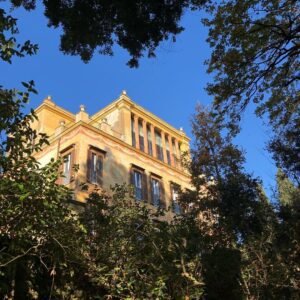
Teatro Olimpico on Piazza Gentile da Fabriano was born as a cinema-theater in 1936 and has been a full-fledged theater since 1981. It has 1,410 seats, 966 in the stalls and 444 in the gallery. Our page on the venue is Teatro Olimpico.
A 1930s movie theater
The building was built between 1935 and 1936 for the Società Generale Immobiliare, in the years when Flaminio and the Foro Italico were taking shape. Until the 1950s it worked mainly as a movie theater, with avanspettacolo in the breaks between screenings. The result is a hall with a simple layout, wide and deep, designed so that everyone could see the screen.
The sloping stalls
The 966 seats in the stalls are arranged like an amphitheater, with a marked slope: from the back rows you see over the heads of those sitting in front. For a monologue, where the face and the timing count, it's an advantage many Italian-style theaters don't offer. The gallery, which at the box office corresponds to the balcony, forms a horseshoe.
Stage and architecture
The stage measures about 10 meters deep by 12 wide. The building is in reinforced concrete, with travertine on the base and the cornices, brought back to its original look by a recent restoration. Inside there's a round foyer and wide corridors. The theater reports a judgment attributed to Orson Welles: Olimpico would be the only place in Rome able to recall the theaters of Broadway.
Where to sit for Alessandro Cattelan
For Benvenuto nell'A.I. the best seats are in the central stalls: the show lives on dialogue with the audience, and closeness counts more than the overall view.
Poltronissima gold and side
At 70 euros plus booking fee, poltronissima gold is the section closest to the stage. The front rows are also the ones a host used to involving the audience turns to most often: if you'd rather remain a spectator, choose the central rows. The side poltronissima, at 65 euros, offers a slightly oblique view but is still in the stalls.
Poltrona
The poltrona, at 60 euros plus 9 booking fee, is the recommended choice. The slope of the stalls guarantees a clear view even from the back rows, and the voice arrives directly. For a show of words and songs the difference from the poltronissima is smaller than the price suggests.
Balcony
The central balcony, at 50 euros, is the right choice for a group of friends who want to spend less. The balustrade and side sections all cost 45 euros: the reduced visibility matters little in a show of just voice and music, but if you want to see the expressions, choose the stalls.
How to get to Teatro Olimpico for Cattelan
You reach Teatro Olimpico on Metro A to Flaminio and tram 2 to Piazza Mancini terminus, from which it's about 500 meters on foot: it's the route the theater gives.
Metro A and tram 2
From Flaminio station take tram 2 to Piazza Mancini, then walk along Viale del Pinturicchio to Piazza Gentile da Fabriano, about five minutes. From Termini the plan doesn't change: Metro A toward Battistini, change at Flaminio.
Bus
The lines with a stop near the theater are 220, 232, 233, 280, 301, 446, 48, 910 and 911. The 910 leaves from Termini and goes to the Pannini stop, about 300 meters away. The 200, 201, 53 and the night line n24, useful for getting back, also reach Piazza Mancini.
By car
From the center follow Viale del Muro Torto to Piazzale Flaminio and then the Lungotevere. From the north, cross Ponte Duca d'Aosta. On December 7, the eve of a holiday, evening traffic toward Flaminio can be heavy, and the area is residential: if you come by car, leave well in advance.
Flaminio around Teatro Olimpico
Teatro Olimpico is in the Flaminio district, in front of the Ponte della Musica, in the same area as Auditorium Parco della Musica and MAXXI.
Ponte della Musica and Foro Italico
The pedestrian Ponte della Musica crosses the Tiber a few steps from the theater and leads to the Foro Italico, built in the same years as Olimpico. In the evening the riverside is windy: in December you need a real coat.
Milvian Bridge
Going up the Tiber you reach Milvian Bridge, with its square full of bars and restaurants. The evening before the Immaculate Conception it's crowded: for after the theater, it's best to book.
Toward the center
Along Via Flaminia you reach the edges of Villa Borghese and then Piazza del Popolo, from which Via del Corso and the shopping streets start, lit up for the holidays in December.
Where to eat before or after Benvenuto nell'A.I.
Around Teatro Olimpico, between Piazza Mancini, Via Flaminia and Piazza Gentile da Fabriano, there are pizzerias, trattorias and cafés frequented by the audiences of the theater and the Auditorium. With a 20:30 start and a 22:00 finish, the evening lends itself to two options. The first: a long aperitivo around 19:00 and going into the hall with a quarter of an hour to spare. The second, which I prefer: dinner after the show, because at 22:00 many restaurants in Flaminio and Ponte Milvio are still in full swing, and the next day is a holiday. December 7 is an evening of dinners among friends and colleagues, before the long weekend: book your table the moment you buy your tickets.
Accessibility at Teatro Olimpico
If you have reduced mobility and want to see Alessandro Cattelan at Teatro Olimpico, contact the box office before buying, at biglietti@teatroolimpico.it, to find out about suitable seats and how to get in. The stalls are sloped and the gallery is on the upper floor: these are things to consider when choosing a section.
With teenagers
The theater doesn't give age limits. The themes are those of adult life, family, work, the relationship with technology, told in late-show language. A teenager who follows Cattelan on TV or social media will have fun, a small child less so. It's a good evening for parents and kids aged 14 and up.
A curious fact about Alessandro Cattelan, Benvenuto nell'A.I. at Teatro Olimpico in Rome, December 7, 2026
The tastiest curious fact links Cattelan to another venue called Olimpico. In May 2022 he hosted the Eurovision Song Contest in Turin with Laura Pausini and Mika, and the arena for those evenings was the PalaOlimpico, the indoor arena built for the 2006 Winter Games. From an arena holding thousands of spectators to the theater on Piazza Gentile da Fabriano, with its 1,410 seats, the name stays the same and the distance from the audience shrinks a lot. For a host used to cameras, the second is the harder challenge.
The second curious fact comes from his childhood. Alessandro Cattelan's first time on television wasn't as a host but as a juror: in 1987, at seven, he was among the children voting on the songs of the Zecchino d'Oro. For someone staging a show about his own weaknesses and origins, that episode is perfect material.
The third concerns soccer. Few TV hosts in the world can say they've played a minute of Champions League: Cattelan did it in 2018, in the shirt of La Fiorita of San Marino, in a preliminary round against Lincoln Red Imps of Gibraltar. The team lost 2 to 0, but the appearance stays in the record books.
Something nobody tells you about Alessandro Cattelan, Benvenuto nell'A.I. at Teatro Olimpico in Rome, December 7, 2026
What almost nobody says is that Benvenuto nell'A.I. isn't a show about artificial intelligence. The A.I. is the pretext, the frame, the voice asking the questions. The content is the life of a 46-year-old man with a wife, two daughters, a very long public career and many insecurities. If you buy a ticket expecting a brilliant lecture on technology, or a satire of chatbots, you'll find something else: an intimate story in which the machine serves to measure what's human by difference.
The second thing concerns the genre. Cattelan isn't a stand-up comedian and doesn't present himself as one. He comes from hosting, that is, from the job of putting others at ease. In the theater he reverses the role: he's the guest, and the audience acts as a collective host, with its reactions. That's why the presentation insists on the audience that, after the first timid laughs, lets go.
The third is practical. There's only one date, on a Monday, on the eve of a holiday: it's the evening when many Romans go out, and the theater can fill up early. The section that usually sells out first is the central stalls.
My advice for visiting Alessandro Cattelan, Benvenuto nell'A.I. at Teatro Olimpico in Rome, December 7, 2026
Choose the poltrona, not the poltronissima. At 60 euros plus 9 booking fee, Olimpico's poltrona, thanks to the slope of the stalls, gives you a clear view even from the back rows, and for a show of words it's the section with the best ratio of price to listening. The poltronissima gold costs 11.50 euros more with the booking fee and brings you closer, but it also exposes you to interaction: Cattelan talks with the audience.
Second piece of advice: do the full math before buying. With the booking fee a poltronissima gold ticket costs 80.50 euros, a poltrona 69, a balcony 57.50. For a group of four the difference between stalls and balcony is over 40 euros, which pays for a dinner.
Third: make the most of the date. On December 7 you can arrive in Flaminio in the afternoon, stop at MAXXI or take a walk on the Ponte della Musica at sunset, have dinner after the show and sleep without an alarm. It's the way to turn 90 minutes of theater into a whole evening, which is what the eve of a holiday calls for.
Another well-known fact, yet rarely mentioned
Teatro Olimpico doesn't belong to a public body or a big group: it belongs to a joint-stock company born in 1980 from a subscription by citizens. Many people in Rome know it, but it's rarely mentioned.
At the end of the 1970s the hall was at risk of closing. The owner company and the film body that ran it had gone bankrupt, and the building was for sale. Adriana Panni, president of the Accademia Filarmonica Romana, promoted a fundraising drive among professionals, business owners, intellectuals and enthusiasts. Thus the Teatro Olimpico spa was born, which in 1980 bought the building from the Società Generale Immobiliare. Panni chaired it until 1994.
The consequences can be read in the program. A private theater that has to support itself needs full houses, and this explains why, since 1981, Olimpico has opened its doors to big-draw comedy, international dance and song, alongside the Filarmonica's concerts. In the 2009/2010 season, according to Agis figures, it was the second theater in Rome and the seventh in Italy by number of spectators. That a TV face like Cattelan chooses this hall for his only Rome date is consistent with that history: for 40 years Olimpico has been the theater where popular names meet a paying audience, with no subsidies to cover the empty seats.
The right photo to take at Alessandro Cattelan, Benvenuto nell'A.I. at Teatro Olimpico in Rome, December 7, 2026
The right photo is taken outside, in Piazza Gentile da Fabriano, with Olimpico's facade lit up and Cattelan's name on the marquee. The 1930s building, with its travertine base brought back to light by the restoration, has a rationalist sobriety that in the evening, in December, comes out well even with a phone: darkness arrives early and by 20:00 the theater's light dominates the square.
For a show titled Benvenuto nell'A.I. there's also an almost obligatory idea, to do before leaving home: ask a voice assistant or an artificial intelligence what it lacks to be human, and photograph the answer on the screen next to your ticket. It's the question the show starts from, and comparing the machine's answer with the one Cattelan will give on stage is a game worth the photo.
A third shot is taken from the Ponte della Musica, a few steps away: the Tiber at night, Lungotevere Flaminio on one side and the Foro Italico on the other. During the show your phone stays in your pocket: a monologue rests on surprise, and every stolen video uses up a joke for those who come after.
Some important events that happened here in history
On March 4, 1965 Pierre Boulez conducted a concert at Teatro Olimpico with the first Italian performance of Igor Stravinsky's Abraham and Isaac and the European premiere of his Elegy for J.F.K. It's perhaps the high point in the hall's musical history, and it shows how much weight the Accademia Filarmonica Romana had in the cultural life of those years.
Productions followed in which art and music met: Stravinsky's L'Histoire du soldat in October 1966, with a backdrop by Giacomo Manzù, Niccolò Castiglioni's Tre misteri in 1968, with a sculpture by Mirko, and Stravinsky's Mass in 1975, with Corrado Cagli's gilded forms.
1980 is the turning point: the Teatro Olimpico spa was born and bought the building, and from 1981 the hall changed vocation. Moses Pendleton's Momix made their debut here in April 1982 and became regular guests. Mikhail Baryshnikov came with the White Oak Dance Project in 1995, the Bolshoi Ballet in 1996. In May 1996 Gigi Proietti brought A me gli occhi to Olimpico, the one-man show that set the standard in Italian theater: an actor alone, stories, songs, a direct relationship with the audience. 30 years later, Benvenuto nell'A.I. uses the same ingredients with another voice and another generation.
Who has passed through Alessandro Cattelan, Benvenuto nell'A.I. at Teatro Olimpico in Rome, December 7, 2026
Musicians such as Arturo Benedetti Michelangeli, Jessye Norman, Zubin Mehta, Giuseppe Sinopoli and Pierre Boulez, tied to the Accademia Filarmonica Romana season, have passed across Teatro Olimpico's stage, along with the dance of Baryshnikov, Joaquín Cortés, Lindsay Kemp, Maurice Béjart, the Bolshoi and Momix, and the songs of Lucio Dalla, the Pooh and Giorgio Gaber. Among the protagonists of its history the theater also mentions Dario Fo and Nicola Piovani.
Then comedy and light entertainment: Gigi Proietti, Enrico Brignano, Vincenzo Salemme, Aldo, Giovanni e Giacomo, Neri Marcorè, Ale e Franz, Gioele Dix, Cinzia Leone, Lillo e Greg, Max Giusti and Maurizio Battista, who is back at Olimpico this season too with Se non vinco... imparo. Gaber is the name I feel closest to this evening: his teatro canzone alternated monologues and songs written for the stage, and told the contradictions of contemporary man. Cattelan doesn't have that stature or that political ambition, but the formula, words and songs to tell his own time, descends from there.
In the December weeks Olimpico's program continues with dance: right after Cattelan comes the company NoGravity Theatre with Avantgarde, and later in the season Slava's Snowshow and Momix with Botanica are expected.
December 7 in Rome
On December 7 Rome enters the holiday spirit. The 8th is the Immaculate Conception, a public holiday, with the homage to the statue of the Virgin in Piazza di Spagna. For many it's the start of the long weekend and the day the Christmas tree goes up.
An evening before a holiday
A show that ends at 22:00 on the eve of a holiday lends itself to a long evening: dinner after the theater, a walk along the Lungotevere, going home without a care. Early December temperatures often drop below 10 degrees in the evening: dress in layers, because the hall is warm and Flaminio, outside, is damp.
Christmas in Rome
If you stay in the city for the long weekend, you'll find the lights on Via del Corso, the nativity scenes in the churches and the holiday markets. A complete guide to the events is on our page dedicated to Christmas in Rome.
Frequently asked questions about Alessandro Cattelan at Teatro Olimpico
When is Alessandro Cattelan at Teatro Olimpico in Rome?
Alessandro Cattelan is at Teatro Olimpico in Rome with Benvenuto nell'A.I. on Monday, December 7, 2026, from 20:30 to 22:00 according to the theater's official page. It's the only Rome date. The theater is at Piazza Gentile da Fabriano 17, in the Flaminio district.
How much are tickets for Cattelan at Teatro Olimpico?
Tickets for Benvenuto nell'A.I. at Teatro Olimpico cost from 45 to 70 euros plus booking fee: 70 for poltronissima gold, 65 for side poltronissima, 60 for poltrona, 50 for balcony, 45 in the side and balustrade sections. The booking fee ranges from 4:50 to 10.50 euros depending on the section.
Where do you buy tickets for Benvenuto nell'A.I. in Rome?
Tickets for Benvenuto nell'A.I. at Teatro Olimpico are bought on the theater's official website, from the show's page, at the box office on Piazza Gentile da Fabriano or on the presale circuit authorized by the organizers. For information the theater answers at biglietti@teatroolimpico.it.
What is Alessandro Cattelan's Benvenuto nell'A.I. about?
Benvenuto nell'A.I. is a show of monologues, personal and family anecdotes and songs written for the occasion, which starts from an artificial intelligence that wonders what it lacks to be human. Alessandro Cattelan tells his own imperfections and those of our time, in dialogue with the audience and with the machine.
How long is Cattelan's show?
According to Teatro Olimpico's page, Alessandro Cattelan's Benvenuto nell'A.I. starts at 20:30 and ends at 22:00: about an hour and a half. It's best to arrive at the theater at least a quarter of an hour early to pick up tickets and get into the hall.
How do you get to Teatro Olimpico?
Teatro Olimpico, at Piazza Gentile da Fabriano 17, is reached on Metro A to Flaminio and tram 2 to Piazza Mancini, then about 500 meters on foot. Alternatively, bus 910 from Termini to the Pannini stop. For the late trip home there's the n24 night line from Piazza Mancini.
Is Cattelan's show suitable for teenagers?
Teatro Olimpico doesn't give age limits for Benvenuto nell'A.I. The themes are those of adult life, family, work and technology, told in the language of a TV late show: it suits teenagers who know Cattelan, less so small children.
Final advice on Cattelan at Teatro Olimpico
Buy now, choose the poltrona and save dinner for after. Benvenuto nell'A.I. is the show of a TV man who has decided to shed the format, and he does it in a hall that for 40 years has hosted those who know how to speak to an audience alone, from Proietti to Gaber. There's one date, the eve is the right one, and the next day nobody will ask you to get up early: use it well.
Article written by the editorial team of Tour Leader Pro, contact them for Private/Corporate/V.I.P. Tours and Experiences.
Planning a trip to Rome? The English guides for visiting the city are on ItalyPlanner.com.
Contact Information
Nearby
 Teatro Olimpico100 m
- Ponte della Musica – Armando Trovajoli200 m
- Flaminio400 m
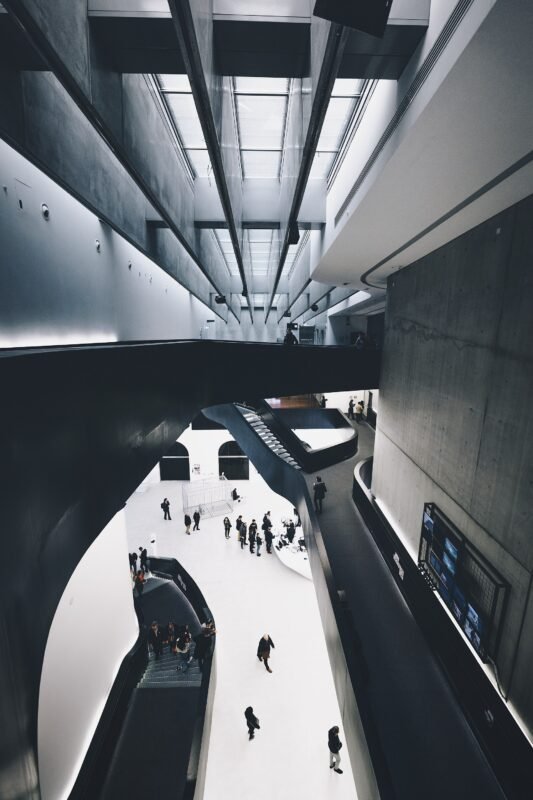
- MAXXI – National Museum of 21st Century Arts500 m
- Alberto Moravia House Museum700 m
- Villa Mazzanti700 m

Upcoming events nearby
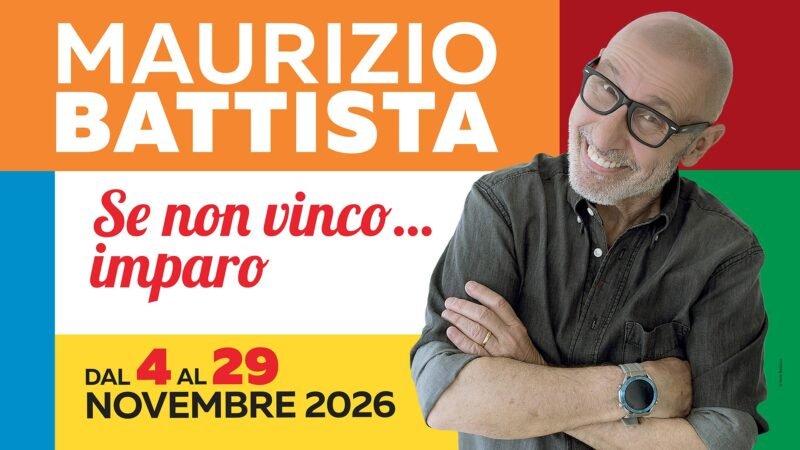
- Maurizio Battista at Teatro Olimpico, Se non vinco… imparo, November 4 to 29, 2026100 m
- Angelo Pintus at Teatro Olimpico, Loro non sanno niente, January 14 to February 14, 2027100 m
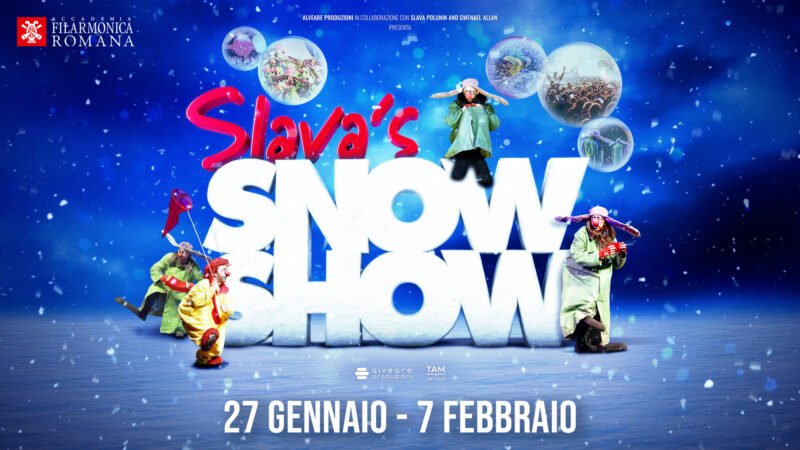
- Slava’s SnowShow at Teatro Olimpico, January 27 to February 7, 2027100 m
- MOMIX Botanica at Teatro Olimpico, February 23 to March 7, 2027100 m


You might also like
- Alessandro Bergonzoni Arrivano i Dunque at Teatro Olimpico, February 20 and 21, 2027
- Back To Hawkins at Teatro Olimpico, February 17, 2027
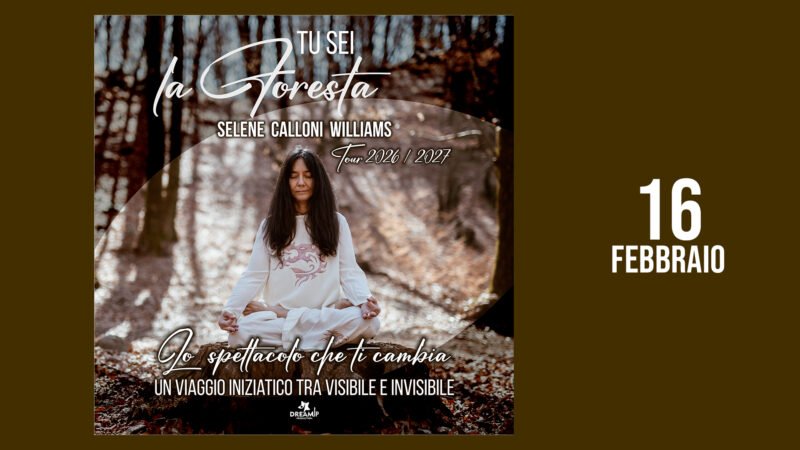
- Selene Calloni Williams: Tu sei la Foresta at Teatro Olimpico in Rome, February 16, 2027
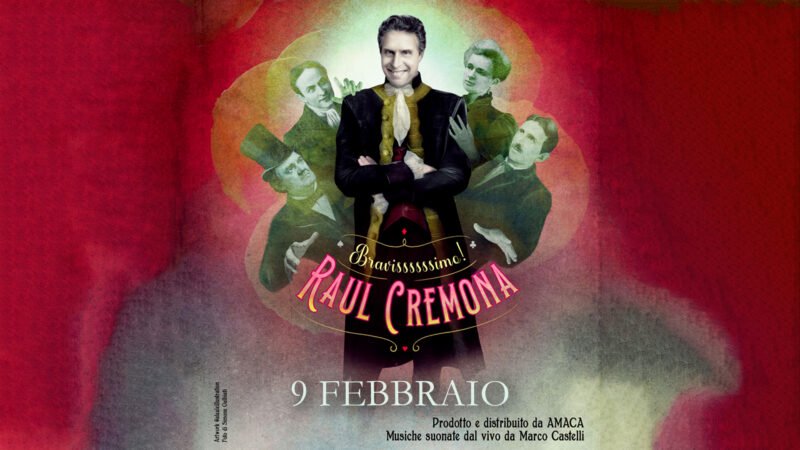
- Raul Cremona Bravissssssimo! at Teatro Olimpico, February 9, 2027
- Gianrico Carofiglio, Il mistero della stupidità at Teatro Olimpico, February 8, 2027
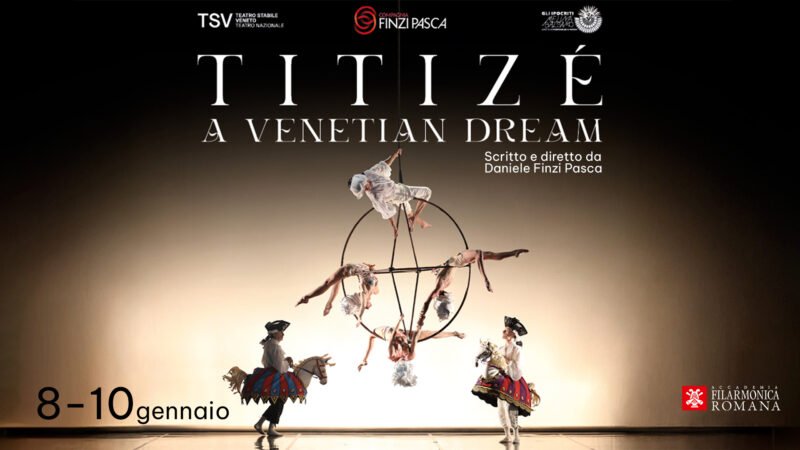
- Titizé, A Venetian Dream at Teatro Olimpico in Rome, January 8 to 10, 2027