Selene Calloni Williams: Tu sei la Foresta at Teatro Olimpico in Rome, February 16, 2027
In short. Selene Calloni Williams brings Tu sei la Foresta, a one woman show combining storytelling, music and collective ritual, to Teatro Olimpico in Rome, at Piazza Gentile da Fabriano 17 (00196 Rome), on Tuesday, February 16, 2027 at 20:30.
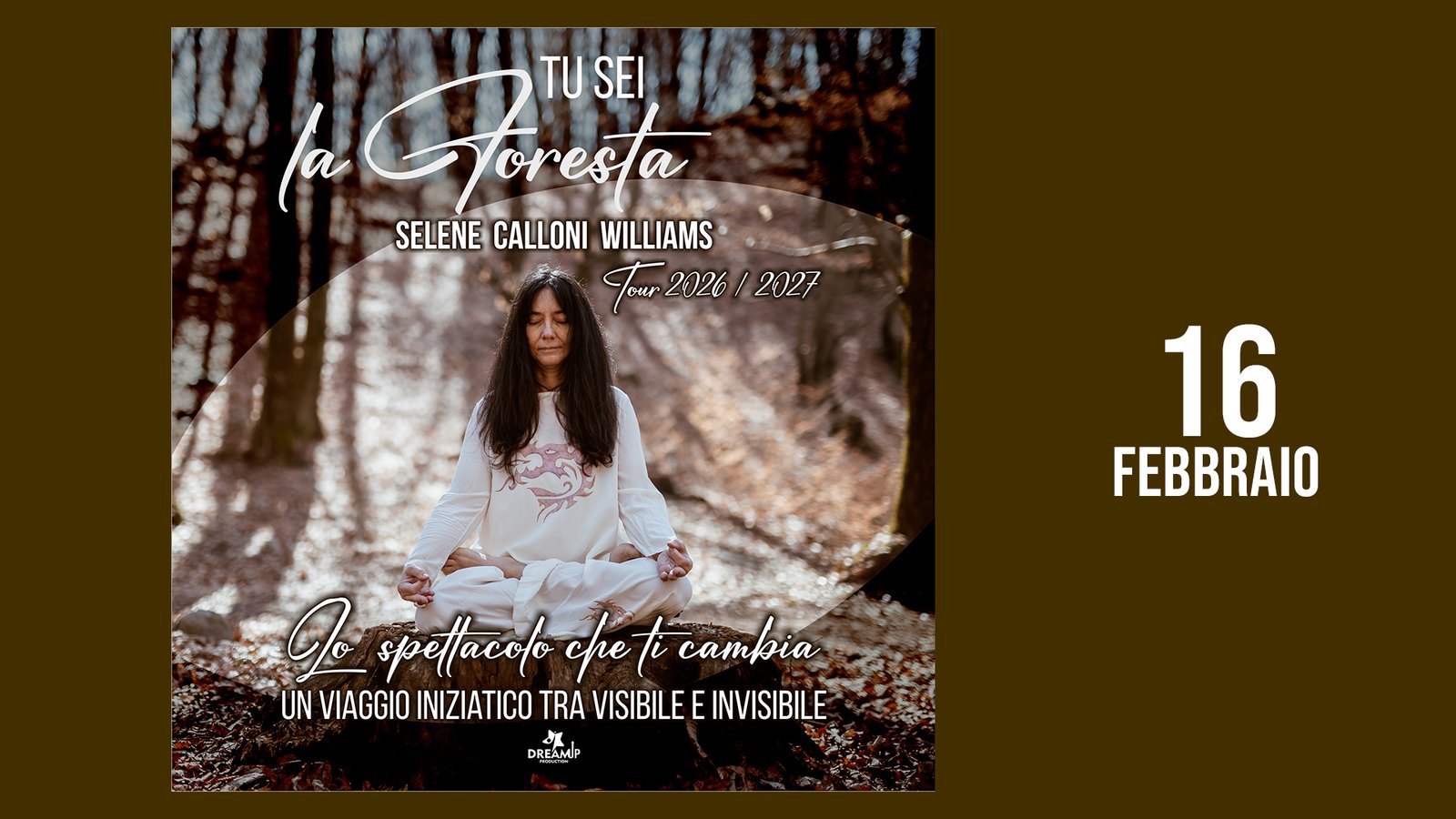
Selene Calloni Williams brings Tu sei la Foresta, a one woman show combining storytelling, music and collective ritual, to Teatro Olimpico in Rome, at Piazza Gentile da Fabriano 17 (00196 Rome), on Tuesday, February 16, 2027 at 20:30. You get there by metro line A to Flaminio and then tram 2 to the terminus at Piazza Mancini, from which the theater is about 500 meters on foot. From Termini there is also bus 910, Pannini stop. The prices published by the theater range from €20 to €30, plus a presale fee of €3 to €4.50 depending on the section. Tickets are bought on the official Teatro Olimpico website, at the box office in Piazza Gentile da Fabriano or on the presale circuit authorized by the organizer.
Language: performed in Italian. No English version or English surtitles are announced.
A writer who lived six years as a hermit in a forest in Sri Lanka steps onto the stage of a Roman theater with 1,410 seats and asks the audience to cross an inner forest. Said like that it sounds like a lecture, but it's a show: drums, flutes, images, silences and guided meditations, with the hall called on to take part. The editorial team's verdict is clear-cut: those looking for drama theater will be thrown off, those who know Selene Calloni Williams's books will find her voice in a new form, and those who are simply curious will have an experience that rarely happens in an Italian theater.
Tu sei la Foresta at Teatro Olimpico: date, time, prices
Tu sei la Foresta by Selene Calloni Williams plays at Teatro Olimpico on Tuesday, February 16, 2027 at 20:30, with tickets from €20 to €30 plus presale, as the theater's official page states.
An evening in February
In Olimpico's 2026/2027 season program the show takes February 16, between Raffaella! Sognando la Carrà and Back To Hawkins. It's a weeknight, a Tuesday, in the week after the end of Carnival: Rome is quiet, the restaurants in Flaminio have room and the evening traffic is ordinary. For a show that asks for concentration it's a favorable slot.
Teatro Olimpico prices
The theater publishes seven sections. Poltronissima gold: €30 plus €4.50 presale. Poltronissima laterale: €27 plus €4.10. Poltrona: €25 plus €3.80. Balconata: €25 plus €3.80. Balconata con balaustra: €24 plus €3.60. Balconata laterale: €23 plus €3.50. Balconata laterale con balaustra: €20 plus €3. The presale fee is always required when the ticket is issued, and for online purchases a fee of €1.50 per ticket is added.
Where to buy tickets
Tickets are bought from the show's page on the official Teatro Olimpico website, at the box office in Piazza Gentile da Fabriano or on the presale circuit authorized by the organizer. For information the theater lists the address biglietti@teatroolimpico.it. These are among the lowest prices of Olimpico season: the orchestra costs as much as a balcony seat for many other shows in the program.
Tu sei la Foresta: what happens on stage
Tu sei la Foresta is presented by Teatro Olimpico as a one woman show combining storytelling, music and collective ritual, in which Selene Calloni Williams guides the audience through an initiatory crossing accompanied by drums, flutes and images.
The starting idea
The premise is stated in the official presentation: every human being is a forest that has forgotten it is one. The forest of the show is not only a place in nature but a state of consciousness, and crossing it means discovering the very title of the evening. For those who know the author's biography the metaphor has a precise root: the forest in Sri Lanka where she lived as a young woman as a Buddhist monk.
Word, drums, flutes, images
On stage Selene Calloni Williams is alone as the narrating voice, but she is not alone in the scene. The drums mark the rhythm of what the presentation calls an ancient rite, and flutes, projected images and silences complete the score. The form recalls ritual storytelling more than a lecture: the word alternates narration, symbols, archetypes and tales of the forest.
The audience as protagonist
The part that sets this show apart from the others in the program is participation. Through guided meditations, the spectator is led into a collective experience that, according to the presentation, dissolves the boundary between those who watch and those who act. In practice: there will be moments to close your eyes, breathe, follow a voice. Nobody is obliged, but anyone who stays rigid in the seat loses half the evening.
Who this show is for
It's for those who have read the author's books or follow her on social media, for those who practice meditation or yoga, and for those curious about shamanism and depth psychology. Anyone who walks into the theater expecting a comedy or a comic monologue has the wrong evening. Anyone who walks in without prejudice, instead, finds a rare format: a secular rite in a hall built in the 1930s as a cinema.
Who is Selene Calloni Williams: biography
Selene Calloni Williams is a writer, documentary maker and meditation teacher born in Monza, author of more than 35 books translated in several countries, founder of Società di Nonterapia in 2003 and then of Imaginal Academy, a Swiss academy of counseling and coaching.
Monza and the departure
Born in Monza and raised in Brianza, she says she never recognized herself in the world of factories and careers of the Monza of the 1980s. After difficult years, marked also by the death of her father, at 19 she accepts a job in Sri Lanka, where two Italian entrepreneurs were starting a tourist village. It is the departure that decides everything else.
The meeting with Michael Williams
In Sri Lanka she meets Michael Williams, a yoga master, who becomes her first teacher. He is the one who takes her into the forest and passes the initiatory lineage on to her. After Williams's death, in 2006, she adopts his surname: hence the name she signs her books and shows with, Calloni Williams.
Six years as a monk in the forest
On the island she enters a forest hermitage to study Theravada Buddhism. She does so as a monk, in the masculine, because in the 1980s the female lineage in that tradition had disappeared. Her meditation teacher is Gatha Thera, who lives in a hermitage in the jungle, and she stays with him six years. She attributes to him the decision to return to the world to teach. The forest of Tu sei la Foresta comes from here.
The return and her studies
Back in Italy, she enrolls in Psychology and graduates, but rejects the label of psychologist and does not take the state exam. Her approach, she writes, has to do with the spiritual traditions of peoples and with art more than with academic psychology. She travels a lot and studies Central Asian shamanism, tantric and esoteric Buddhism, Himalayan and Japanese yoga.
James Hillman and imaginal psychology
In Switzerland she meets James Hillman, the American psychoanalyst, a student of the Jungian school and founder of archetypal psychology. The meeting brings her closer to depth psychology and to the imaginal vision, with the stated aim of building a bridge between Western psychology and the great spiritual visions of the East. Today she lives in Switzerland.
Nonterapia and Imaginal Academy
In 2003 she founds Società di Nonterapia, and shortly after Imaginal Academy, where she teaches meditation, shamanic yoga and Japanese yoga and also gives courses for psychologists. Her students, scattered across several countries, call themselves imaginalists.
The books
She has published more than 35 books. With Piemme have come out, among others, Wabi Sabi, Daimon, Kintsugi and Digiuno immaginale. In September 2025 she published with the same publisher the spiritual autobiography Diario di una Sciamana. Il cammino segreto di una monaca guerriera, and since June 16, 2026 Risveglia la Tua Mente. Trasforma la sofferenza in armonia ed equilibrio has been in bookstores, a meditation path built on the Satipatthana, the four foundations of mindfulness of the Buddhist tradition, organized in weekly cycles. She is also the author of documentaries on psychology and deep ecology, shamanism, yoga and anthropology.
Teatro Olimpico, the hall of Tu sei la Foresta
Teatro Olimpico in Piazza Gentile da Fabriano was born as a movie theater in 1936 and has been a theater in its own right since 1981. It has 1,410 seats, 966 in the orchestra and 444 in the gallery. The venue's page is Teatro Olimpico.
A 1930s cinema
The building was built between 1935 and 1936 for Società Generale Immobiliare, in the years when Flaminio and Foro Italico were taking shape. Until the 1950s it worked mainly as a cinema, with variety acts between one screening and the next. The hall that results is wide and deep, designed so that everyone could see the screen: today it is useful for a show that uses projected images.
The amphitheater orchestra
The 966 orchestra seats are arranged like an amphitheater, with a steep slope that lets you see over the heads of those sitting in front. The gallery, called balconata at the box office, draws a horseshoe. For an evening of listening and guided meditation the hall has one merit: the audience feels like a whole, and the collective effect the show seeks gains from it.
Stage and architecture
The stage measures about 10 meters in depth by 12 in width. The building is reinforced concrete, with travertine in the base and the cornices, restored to its original look by a recent renovation. Inside are a rotunda foyer and wide corridors. The theater cites a judgment attributed to Orson Welles, according to which Olimpico would be the only place in Rome able to recall the theaters of Broadway.
Where to sit for Tu sei la Foresta
For Tu sei la Foresta the best seats are in the orchestra: the show works on the sound of the drums and on the participation of the hall, and closeness to the stage counts more than an overall view.
Poltronissima gold and laterale
At €30 plus presale the poltronissima gold is the section closest to the stage, where the sound of the percussion arrives fuller. The poltronissima laterale, at €27, offers a slightly oblique view but stays in the orchestra and keeps the same relationship with the stage.
Poltrona and balconata at the same price
Poltrona and balconata both cost €25 plus €3.80 presale. At the same spend, choose the poltrona: you are in the orchestra, inside the audience that takes part, and the slope guarantees a clean view even from the back rows. The central balconata is a good alternative for those who prefer to watch the rite from outside.
The side sections
The side and balustrade sections go down to €20. The reduced visibility matters little in a show in which many moments are lived with eyes closed, but the projected images are better seen from the center.
How to get to Teatro Olimpico for Tu sei la Foresta
Teatro Olimpico is reached by metro line A to Flaminio and tram 2 to the terminus at Piazza Mancini, from which it is about 500 meters on foot: this is the route the theater lists.
Metro A and tram 2
From Flaminio station tram 2 takes you to Piazza Mancini, and from there you walk along Viale del Pinturicchio to Piazza Gentile da Fabriano, about five minutes. From Termini you take metro A toward Battistini and change at Flaminio.
Bus
The lines with a stop near the theater are 220, 232, 233, 280, 301, 446, 48, 910 and 911. The 910 leaves from Termini and takes you to the Pannini stop, about 300 meters away. The 200, 201, 53 and the night line n24, useful for the return, also arrive at Piazza Mancini.
By car
From the center you follow Viale del Muro Torto to Piazzale Flaminio and then the Lungotevere. From the north you cross Ponte Duca d'Aosta. The neighborhood is residential and parking around the square is scarce: a Tuesday in February is easier than a weekend, but it's still best to arrive with half an hour to spare.
Flaminio around Teatro Olimpico
Teatro Olimpico is in the Flaminio neighborhood, in front of Ponte della Musica, in the same area as Auditorium Parco della Musica and MAXXI.
Ponte della Musica and Foro Italico
Ponte della Musica, a pedestrian bridge, crosses the Tiber a few steps from the theater and leads to Foro Italico, built in the same years as Olimpico. In February, in the evening, the riverside is cold and damp.
Milvian Bridge
Going up the Tiber you reach Milvian Bridge, with the square full of bars and restaurants: the nearest place for a lively after-theater even on a weeknight.
The nearest greenery
For those who arrive early and want to stay on theme, Flaminio borders large green areas: to the south Villa Borghese, reachable along Via Flaminia toward Piazza del Popolo, and to the north Villa Ada, the big park of Parioli. A walk among the trees before a show named after the forest is not a bad prelude, as long as you leave the park before dark.
Where to eat before or after Tu sei la Foresta
Around Teatro Olimpico, between Piazza Mancini, Via Flaminia and Piazza Gentile da Fabriano, there are pizzerias, trattorias and bars frequented by the audience of the theater and of Auditorium. With the start at 20:30 there are two options. The first is a light dinner around 19:00, or an aperitivo, entering the hall a quarter of an hour before. The second is dinner after the show, at Ponte Milvio or in Flaminio, where many kitchens work until late. For this show I recommend the first route, and a light one: guided meditations work better on a stomach that isn't full, and after an evening like this many prefer to go home in silence.
Accessibility at Teatro Olimpico
Anyone with reduced mobility who wants to attend Tu sei la Foresta at Teatro Olimpico must contact the box office before buying, at biglietti@teatroolimpico.it, to learn about suitable seats and entry arrangements. The orchestra is sloped and the gallery is on the upper floor: things to consider when choosing the section.
With kids
The theater lists no age limits. The themes, consciousness, symbols, archetypes, meditation, and the length of the listening parts make the evening poorly suited to children. A teenager curious about meditation or yoga may find it interesting. For everyone else it's an evening for adults.
A curiosity about Selene Calloni Williams: Tu sei la Foresta at Teatro Olimpico in Rome, February 16, 2027
The most interesting curiosity is in the name. Selene Calloni was born in Monza, and Williams is the surname of her first teacher, Michael Williams, a yoga master she met in Sri Lanka when she was 19. After his death, in 2006, she received what she calls the shamanic seal and took his surname. Whoever reads Selene Calloni Williams on the program is reading, in miniature, her story: a girl from Brianza and a teacher met on the other side of the world.
The second concerns the word monk. Selene Calloni Williams calls herself a monk, in the masculine, and not a nun. The reason is historical: in the 1980s, in the Theravada tradition of Sri Lanka, the lineage of nuns had disappeared, and she was ordained in the form then available. Her meditation teacher, Gatha Thera, lived in a hermitage in the jungle, and she stayed with him six years.
The third ties the show to the hall. Teatro Olimpico is a few hundred meters from the Tiber and the great parks of northern Rome, but it is a reinforced concrete building from the 1930s, born as a cinema. Bringing a forest into it, made of drums, flutes and voice, is a small scenographic challenge: everything is entrusted to sound and to the imagination of the audience.
One thing nobody tells you about Selene Calloni Williams: Tu sei la Foresta at Teatro Olimpico in Rome, February 16, 2027
What almost nobody says is that Tu sei la Foresta is not a lecture with music, and it's not even a concert with words. It is a hybrid form, and whoever buys a ticket should know it beforehand: there are moments when the show asks you to close your eyes, follow your breath, let yourself be guided by the voice. Anyone who goes to the theater to watch and judge from a distance will feel uncomfortable. Anyone who accepts the pact takes part in something different from a traditional evening of theater.
The second thing concerns the audience. Selene Calloni Williams has a wide community of readers and students, and a strong presence on social media: in the hall some of the spectators will already know her language, her terms, her practices. Anyone arriving as a newcomer shouldn't feel excluded, but would do well to read a few pages of one of her books first, for example the autobiography Diario di una Sciamana, to get their bearings.
The third is practical. Guided meditations work with silence: phones off, not on silent, and arrive early. A latecomer looking for a seat in the dark during a meditation disturbs more than during a comedy.
My advice for visiting Selene Calloni Williams: Tu sei la Foresta at Teatro Olimpico in Rome, February 16, 2027
Choose the poltrona, not the balconata. At the same price, €25 plus €3.80 presale, the poltrona puts you in the orchestra, inside the body of the audience the show wants to involve, and closer to the drums. The balconata is fine for those who prefer to watch. But Tu sei la Foresta is built for those who take part, and the orchestra is where participation is felt.
Second tip: dress comfortably. It's not a gala evening, and in the guided meditation parts a tight outfit or uncomfortable shoes are distracting. In February the hall is heated: bring layers you can take off, and a real coat for the wait for the tram at Piazza Mancini when you leave.
Third: give the evening a calm before and after. Arrive in Flaminio unhurried, maybe walking on Ponte della Musica at sunset, eat early and light, and after the show allow yourself a return without rushing. An evening built to open inner doors, as the presentation puts it, loses a lot if you close it in a hurry in the car with the radio on.
Another well-known fact, yet rarely cited
Teatro Olimpico does not belong to a public body or a big group: it belongs to a joint-stock company born in 1980 from a subscription by citizens. Many people in Rome know it, but it is rarely recalled.
At the end of the 1970s the hall was at risk of closing. The owning company and the film body that ran it had gone bankrupt, and the building was for sale. Adriana Panni, president of Accademia Filarmonica Romana, promoted a fundraising among professionals, entrepreneurs, intellectuals and enthusiasts. This is how Teatro Olimpico spa was born, which in 1980 bought the building from Società Generale Immobiliare. Panni chaired it until 1994.
The consequences can be read in the program. A private theater that has to stand on its own needs full houses, and this explains why since 1981 Olimpico has opened its doors to big-draw comedy, international dance, song and the great popularizers. In the current season, alongside Selene Calloni Williams, the program hosts talks with Igor Sibaldi, Umberto Galimberti and Gianrico Carofiglio: the word that makes you think, as well as the one that makes you laugh, finds a paying audience here.
The right photo to take at Selene Calloni Williams: Tu sei la Foresta at Teatro Olimpico in Rome, February 16, 2027
The right photo is taken outside, in Piazza Gentile da Fabriano, with the facade of Olimpico lit and the name of the show on the billboard. The 1930s building, with its travertine base brought back to light by the restoration, has a rationalist sobriety that looks good in the evening even with a phone: in mid-February darkness arrives around 18:00 and at 20:00 the light of the theater dominates the square.
For a show named after the forest there is then an almost obligatory shot: the trees of Lungotevere Flaminio or of Foro Italico seen from Ponte della Musica, a few steps from the theater, with the city lights behind the bare branches of winter. It is the image of an urban forest, and a good reminder of the theme of the evening.
During the show the phone stays off. A guided meditation interrupted by a neighbor's lit screen is a harm to the whole row, and the experience the evening promises can't be taken home in a video.
Some important events that happened here in history
On March 4, 1965 Pierre Boulez conducted at Teatro Olimpico a concert with the Italian premiere of Igor Stravinsky's Abraham and Isaac and the European premiere of his Elegy for Kennedy. It is perhaps the highest date in the hall's musical history, and it says what weight Accademia Filarmonica Romana had in the cultural life of those years.
Stagings followed in which art and music met: Stravinsky's L'Histoire du soldat in October 1966, with the backdrop by Giacomo Manzù, Niccolò Castiglioni's Tre misteri in 1968, with a sculpture by Mirko, and Stravinsky's Mass in 1975, with the golden forms of Corrado Cagli. Stravinsky, after all, had built The Rite of Spring precisely on an ancient rite: the rite as a form of spectacle has illustrious precedents within these walls too.
1980 is the year of the turning point: Teatro Olimpico spa is born and buys the building, and from 1981 the hall changes vocation. Moses Pendleton's Momix debut here in April 1982 and become regular guests. Mikhail Baryshnikov arrives with the White Oak Dance Project in 1995, the Bolshoi Ballet in 1996. In May 1996 Gigi Proietti brings to Olimpico A me gli occhi, the one man show that set the standard in Italian theater: one person alone on stage, stories, music, a direct relationship with the audience. Tu sei la Foresta, 30 years later, uses the same solo formula with entirely different contents.
Who has come through Selene Calloni Williams: Tu sei la Foresta at Teatro Olimpico in Rome, February 16, 2027
On the stage of Teatro Olimpico have appeared musicians such as Arturo Benedetti Michelangeli, Jessye Norman, Zubin Mehta, Giuseppe Sinopoli and Pierre Boulez, tied to the season of Accademia Filarmonica Romana, the dance of Baryshnikov, Joaquín Cortés, Lindsay Kemp, Maurice Béjart, the Bolshoi and the Momix, and the songs of Lucio Dalla, the Pooh and Giorgio Gaber. Among the protagonists of its history the theater also cites Dario Fo and Nicola Piovani.
Then comedy and light entertainment: Gigi Proietti, Enrico Brignano, Vincenzo Salemme, Aldo, Giovanni e Giacomo, Neri Marcorè, Ale e Franz, Lillo e Greg, Maurizio Battista. Lindsay Kemp is the name I feel closest to this evening: his theater turned the stage into a rite, with music, light and body, and asked the audience to let go more than to understand. Selene Calloni Williams comes from another road, meditation and imaginal psychology, but seeks a similar effect.
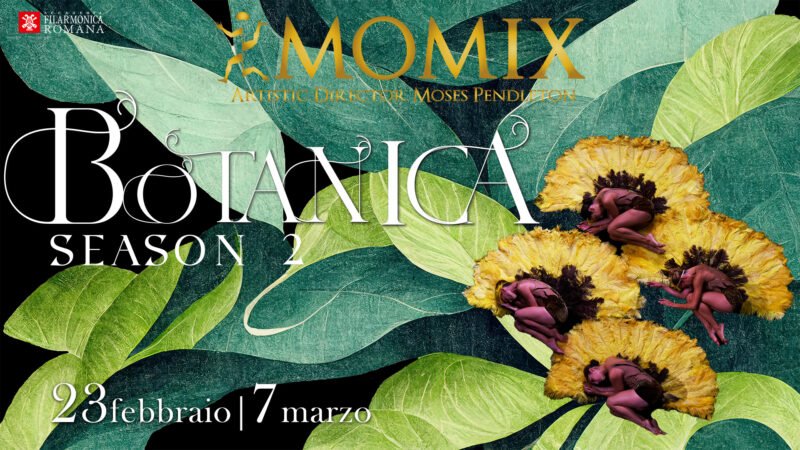
In the same week of February Olimpico program continues with Back To Hawkins on the 17th and with Pink Floyd Legend and Guy Pratt on the 18th. On February 23 the Momix with Botanica arrive, a dance show inspired by the plant world that ideally dialogues with the forest of this evening. At the end of January Slava's Snowshow is also scheduled.
February 16 in Rome
In 2027 Carnival ends on February 9, Fat Tuesday, and the 10th is Ash Wednesday: February 16 falls in the first week of Lent. It's a subdued Rome, away from the big tourist flows, with days getting longer and evenings still cold.
A weeknight
On Tuesday night Flaminio is quiet, transit is less crowded than on weekends and finding a table is easy. Evening temperatures in mid-February often fall below 10°C: dress in layers, because the hall is warm and the riverside outside is damp.
The rest of the week
If you have a few days in Rome you can pair the evening with a visit to Botanical Garden in Trastevere, on the slopes of the Janiculum: the forest seen by day, after crossing it in the theater. For those who want to recall the Carnival that has just ended, the page on Roman Carnival tells its history.
Frequently asked questions about Tu sei la Foresta at Teatro Olimpico
When is Selene Calloni Williams at Teatro Olimpico in Rome?
Selene Calloni Williams is at Teatro Olimpico in Rome with Tu sei la Foresta on Tuesday, February 16, 2027 at 20:30, according to the theater's official page. Teatro Olimpico is at Piazza Gentile da Fabriano 17, in the Flaminio neighborhood, reachable by metro A and tram 2.
How much are tickets for Tu sei la Foresta?
Tickets for Tu sei la Foresta at Teatro Olimpico cost from €20 to €30 plus presale: €30 in poltronissima gold, €27 in poltronissima laterale, €25 in poltrona and in balconata, €24, €23 and €20 in the balustrade and side sections. The presale fee runs from €3 to €4.50, and online a €1.50 fee is added.
Where do you buy tickets for Selene Calloni Williams in Rome?
Tickets for Tu sei la Foresta by Selene Calloni Williams are bought on the official Teatro Olimpico website, from the show's page, at the box office in Piazza Gentile da Fabriano or on the presale circuit authorized by the organizer. For information the theater answers at the address biglietti@teatroolimpico.it.
What kind of show is Tu sei la Foresta?
Tu sei la Foresta is a one woman show by Selene Calloni Williams combining storytelling, music and collective ritual. On stage the author's voice is accompanied by drums, flutes and images. The audience takes part through guided meditations, tales of the forest, archetypes and symbols, in an experience designed as a shared journey.
Who is Selene Calloni Williams?
Selene Calloni Williams is a writer and documentary maker born in Monza, author of more than 35 books, who lived six years as a Buddhist monk in a forest hermitage in Sri Lanka. A student of James Hillman, she founded Società di Nonterapia and Imaginal Academy. With Piemme she has published, among others, Diario di una Sciamana.
How do you get to Teatro Olimpico?
Teatro Olimpico, at Piazza Gentile da Fabriano 17, is reached by metro A to Flaminio and tram 2 to Piazza Mancini, then about 500 meters on foot. Alternatively, bus 910 from Termini to the Pannini stop. For the late-night return there is line n24 from Piazza Mancini.
Is Tu sei la Foresta suitable for children?
Teatro Olimpico lists no age limits for Tu sei la Foresta, but the themes, consciousness, archetypes, meditation, and the long listening parts make the show poorly suited to children. It may interest a teenager curious about meditation or yoga. For the rest it's an evening designed for an adult audience.
Final advice on Tu sei la Foresta at Teatro Olimpico
Go knowing what awaits you, and then let go of expectations. Tu sei la Foresta isn't judged like a comedy or a concert: it's judged by how you leave the hall. Take a poltrona in the orchestra, arrive early and light, turn off your phone. In the theater where Proietti invented the Italian-style one man show and Lindsay Kemp turned the stage into a rite, a woman who spent six years in a forest tries to bring it inside. It's worth the curiosity, and the price is honest.
Article written by the editorial team of Tour Leader Pro, contact them for Private/Corporate/V.I.P. Tours and Experiences.
Planning a trip to Rome? The English guides to visiting the city are on ItalyPlanner.com.
Contact Information
Nearby
 Teatro Olimpico100 m
- Ponte della Musica – Armando Trovajoli200 m
- Flaminio400 m
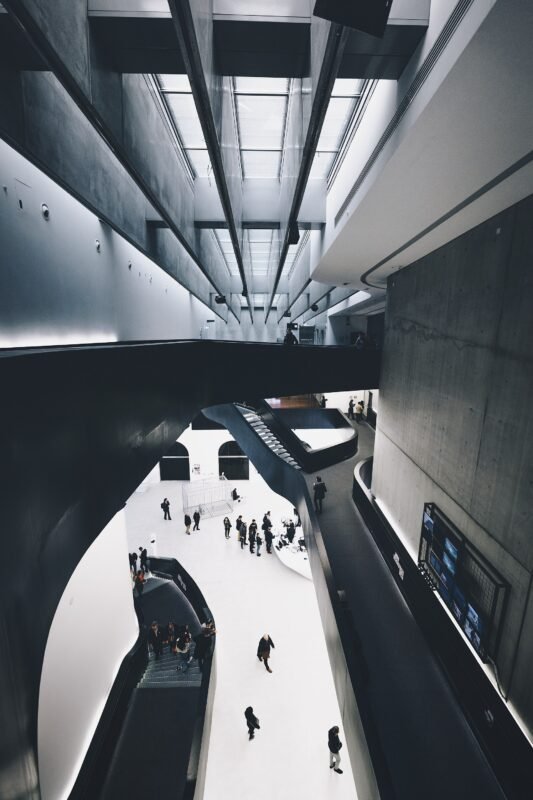
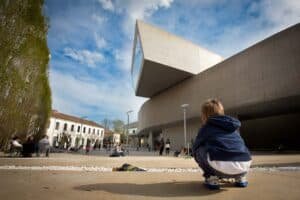
- MAXXI – National Museum of 21st Century Arts500 m
- Alberto Moravia House Museum700 m
- Villa Mazzanti700 m

Upcoming events nearby
- Maurizio Battista at Teatro Olimpico, Se non vinco… imparo, November 4 to 29, 2026100 m
- Angelo Pintus at Teatro Olimpico, Loro non sanno niente, January 14 to February 14, 2027100 m
- Slava’s SnowShow at Teatro Olimpico, January 27 to February 7, 2027100 m
- MOMIX Botanica at Teatro Olimpico, February 23 to March 7, 2027100 m



You might also like
- Alessandro Bergonzoni Arrivano i Dunque at Teatro Olimpico, February 20 and 21, 2027
- Back To Hawkins at Teatro Olimpico, February 17, 2027
- Raul Cremona Bravissssssimo! at Teatro Olimpico, February 9, 2027
- Gianrico Carofiglio, Il mistero della stupidità at Teatro Olimpico, February 8, 2027
- Titizé, A Venetian Dream at Teatro Olimpico in Rome, January 8 to 10, 2027
- Belle e la Bestia, the Musical at Teatro Olimpico, December 26, 27 and 28, 2026