Gianrico Carofiglio, Il mistero della stupidità at Teatro Olimpico, February 8, 2027
In short. Gianrico Carofiglio brings Il mistero della stupidità to Teatro Olimpico in Rome on Monday, February 8, 2027, at 20:30, at Piazza Gentile da Fabriano 17, in the Flaminio district.
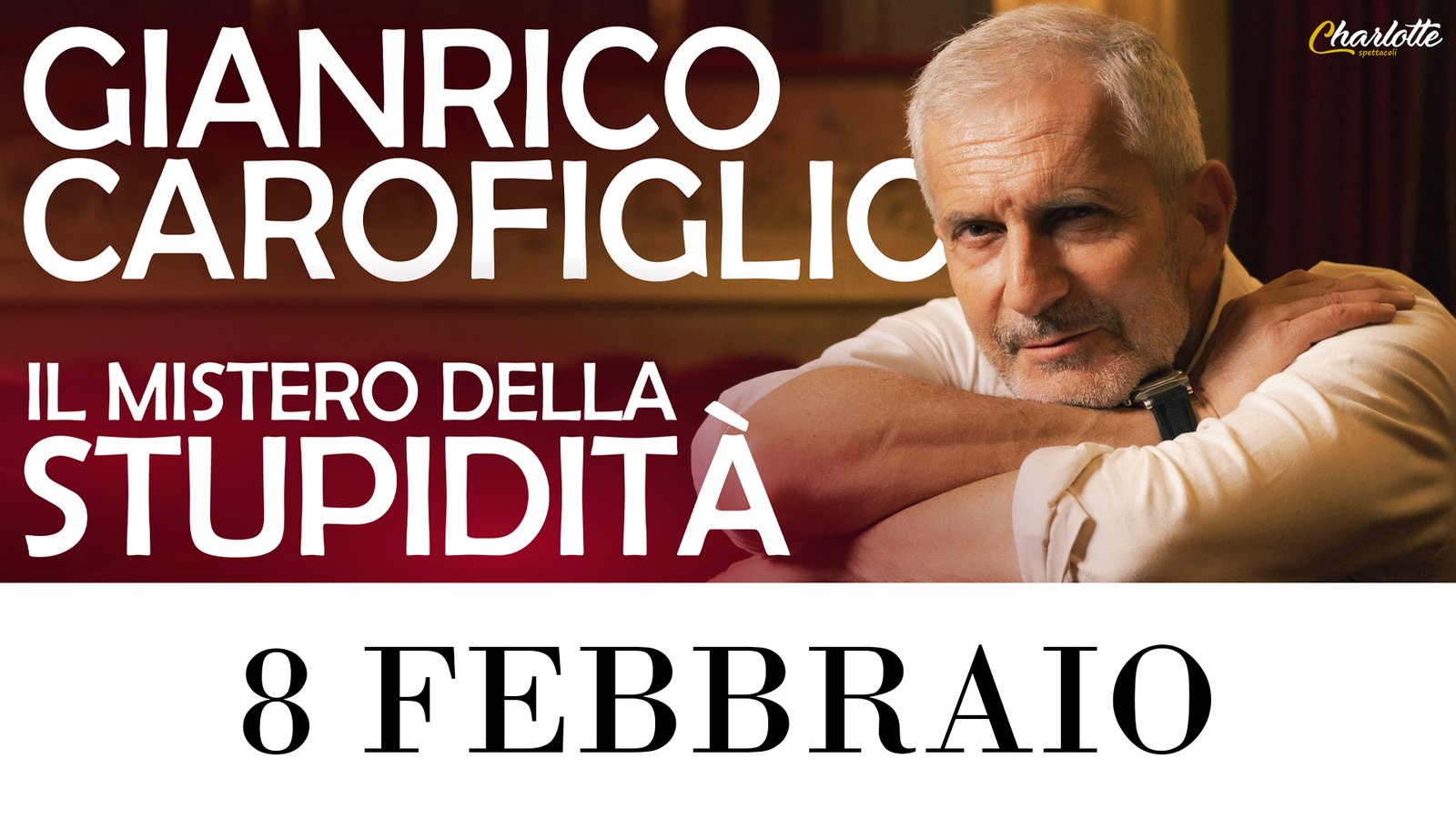
Gianrico Carofiglio brings Il mistero della stupidità to Teatro Olimpico in Rome on Monday, February 8, 2027, at 20:30, at Piazza Gentile da Fabriano 17, in the Flaminio district. The theater lists the end of the evening at around 22:00. The theater is reached by Metro Line A to Flaminio and then tram 2 to the terminus at Piazza Mancini, from which it is about 500 meters on foot. The official price list runs from €24 (side balcony with railing) to €38 (Poltronissima gold), to which the presale is added, from €3.60 to €5.50 depending on the section. For online purchases the theater applies a fee of €1.50 per ticket. Tickets are bought at the theater's box office or online from the official Teatro Olimpico website, on the authorized presale network indicated by the theater.
Language: performed in Italian. No English version or English surtitles are announced.
Il mistero della stupidità at Teatro Olimpico: date, time and prices
Gianrico Carofiglio's Il mistero della stupidità is scheduled at Teatro Olimpico for a single evening, Monday, February 8, 2027, from 20:30 to 22:00. It is one of the one-off events of the 2026/2027 season of the theater on Piazza Gentile da Fabriano.
A single date
There are no repeat performances on the calendar: those who want to be there must choose that evening. A spoken-word evening of an hour and a half, on a Monday, is the typical formula of the author meetings that the Olimpico alternates with comedy shows and dance, and that draw a loyal audience.
The price list by section
- Poltronissima gold: €38, presale €5.50.
- Side Poltronissima: €32, presale €4.80.
- Poltrona: €30, presale €4.50.
- Balcony: €30, presale €4.50.
- Balcony with railing: €26, presale €3.90.
- Side balcony: €26, presale €3.90.
- Side balcony with railing: €24, presale €3.60.
The theater specifies that the presale is always required when the ticket is issued, and that the online fee is €1.50 per ticket.
Where to buy
There are two channels: the online box office linked to the official Teatro Olimpico website and the box office on Piazza Gentile da Fabriano. The theater also answers by email at biglietti@teatroolimpico.it. For groups, associations and company clubs (Cral) there is a dedicated promotion office, at ufficiopromozione@teatroolimpico.it.
Il mistero della stupidità: a theatrical conversation
Il mistero della stupidità is presented by Teatro Olimpico as a theatrical conversation: one man alone on stage, without wings, without the alibi of the lecture. The theme running through the evening is stupidity understood as a force that acts, and that very often gets what it wants.
A deliberately unstable form
The official presentation insists on the form: not a monologue, not a lecture, but a thought that builds itself in front of the listeners, almost in jazz fashion, exposed to interruptions and the unexpected. The show alternates written parts and moments of dialogue with the audience, following the rhythm of a conversation rather than that of a talk. Those who expect a reading will find something else here.
Which stupidity
Not the naive stupidity, the kind that excuses itself, the presentation text explains. The other one: the kind born of deliberate simplification, of the refusal of complexity, of the unscrupulous use of language. Not a lack of intelligence but its counterfeit: fast, aggressive, identity-driven. It is an idea that those who know Carofiglio's books recognize at once, because it runs through almost all his nonfiction.
Political language
One of the threads of the evening is the analysis of contemporary political language: openly senseless, contradictory or meaningless phrases that turn out, disturbingly, to be extremely effective. The presentation cites Donald Trump as the loudest case, not the most interesting, because the point is not only lying. It is making the distinction between true and false irrelevant.
No moral superiority
The show tries to dismantle a reassuring misunderstanding: the idea that stupidity always concerns others. On the contrary, it thrives every time we give up the effort of thinking, of doubt, of responsibility for words. The presentation says the evening offers no consoling solutions or easy moral superiority but proposes a form of attention. This is the part I find most honest: an author who talks about stupidity without taking cover.
The books the show comes from
The starting point of Il mistero della stupidità is the books of Gianrico Carofiglio, essays and novels in which the theme returns insistently. The presentation names three: the praise of error as an antidote to dogmatism, kindness as a form of cognitive courage, the precision of words as a tool of civic self-defense.
The praise of error
The reference is to Elogio dell'ignoranza e dell'errore, published by Einaudi in 2024. But doubt as a method is a theme Carofiglio has dealt with for much longer: L'arte del dubbio, published by Sellerio in 2007, grew out of his experience as a magistrate and his work on testimony and interrogation.
Kindness and courage
Della gentilezza e del coraggio. Breviario di politica e altre cose is from 2020, for Feltrinelli. It is the book in which Carofiglio argues that kindness is not a matter of good feelings but a form of courage. The show takes up the idea by speaking of cognitive courage. In 2026 Mondadori published Accendere i fuochi. Manuale di lotta e gentilezza.
The precision of words
The third strand is the oldest. La manomissione delle parole, published by Rizzoli in 2010 and edited by Margherita Losacco, also became a stage show performed by the author himself. A new edition, La nuova manomissione delle parole, came out from Feltrinelli in 2021. Con parole precise. Breviario di scrittura civile is from 2015, for Laterza, and in 2025 Feltrinelli published a new version with the subtitle Manuale di autodifesa civile. The phrase civic self-defense, which the show's presentation uses, comes from there.
Who Gianrico Carofiglio is
Gianrico Carofiglio, born in Bari on May 30, 1961, is a writer, former magistrate and former senator. His books have sold 6 million copies and have been translated into 28 languages. He is one of the few Italian authors to have built a parallel career in genre fiction and in civic nonfiction.
Family and studies
His name in the registry is Giovanni. Gianrico is the name by which he is known. He is the son of writer Enza Buono and civil engineer Nicola Carofiglio, and the brother of architect, writer and illustrator Francesco Carofiglio. He studied at the classical high school Quinto Orazio Flacco in Bari and graduated in law from the University of Bari.
The magistrate
He was for a long time part of the public prosecutor's office, specializing in investigations of organized crime. In 2007 he was appointed consultant to the parliamentary anti-mafia commission. His first book is not a novel but a legal handbook: La testimonianza dell'ufficiale e dell'agente di polizia giudiziaria, written with Alessandra Susca and published by Giuffrè, first edition in 1998.
The senator and the lecturer
From 2008 to 2013 he was a senator of the Republic for the Partito Democratico, elected in Puglia in the 16th legislature. Since 2022 he has been an adjunct professor at the University of Bologna, at the Ravenna campus, holder of the seminar Lingua e scrittura giuridica di base: a post that says a lot about his interest in the precision of language.
The lawyer Guerrieri
His narrative debut was in 2002, with Testimone inconsapevole, published by Sellerio, which won the Giovedì Marisa Rusconi prize, the Rhegium Julii, the Città di Cuneo prize and the Città di Chiavari prize. The book created the Bari lawyer Guido Guerrieri, protagonist of a series that includes Ad occhi chiusi (2003), Ragionevoli dubbi (2006), Le perfezioni provvisorie (2010, Premio Selezione Campiello), La regola dell'equilibrio (2014), La misura del tempo (2019, finalist for the 2020 Strega Prize) and L'orizzonte della notte (2024). Ad occhi chiusi was named best international noir of 2007 in Germany by a jury of booksellers and journalists.
Fenoglio and Penelope Spada
The carabinieri marshal Pietro Fenoglio is the protagonist of another series: Una mutevole verità (2014, Scerbanenco prize), L'estate fredda (2016) and La versione di Fenoglio (2019). With La disciplina di Penelope (2021) and Rancore (2022) Carofiglio created a third character, the former prosecutor Penelope Spada.
The other novels
Among the standalone novels are Il passato è una terra straniera (2004, Bancarella prize 2005), from which Daniele Vicari made in 2008 the film of the same name with Elio Germano and Michele Riondino. Né qui né altrove. Una notte a Bari (2008). Il silenzio dell'onda (2011, finalist for the 2012 Strega Prize). Il bordo vertiginoso delle cose (2013). Le tre del mattino (2017). With his brother Francesco he signed the graphic novel Cacciatori nelle tenebre (2007) and La casa nel bosco (2014). The short story collections Non esiste saggezza (2010, Chiara prize) and Passeggeri notturni (2016) complete the picture.
Television
Rai series based on his novels include Il metodo Fenoglio, L'estate fredda, from 2023, and Guerrieri, La regola dell'equilibrio, from 2026, of which Carofiglio is creator and screenwriter. From 2022 to 2024 he hosted Dilemmi on Rai 3. Many of his books are also audiobooks read by the author, and in 2020 the audio series L'avvocato Guerrieri came out, performed by Francesco Montanari.
Karate
A detail that explains more than it seems: Carofiglio has practiced martial arts since his youth and is a sixth-dan black belt in karate. Those who have seen him speak in public recognize the same discipline: the short sentence, the precise attack, the parry at the right moment. He lives in Rome.
A curiosity about Gianrico Carofiglio, Il mistero della stupidità at Teatro Olimpico, February 8, 2027
In the official presentation of the show on the Teatro Olimpico website the title appears in two forms: Il mistero della stupidità, in the title and the first line, and Il potere della stupidità, in a passage of the text. For a show that talks about the precision of words as a tool of civic self-defense, it is an oversight that makes you smile.
It is not a matter of pedantry. Mistero and potere say two different things, and perhaps the double wording tells of the project's evolution: stupidity as an enigma to understand, or stupidity as a force that wins. The presentation, after all, holds both ideas together when it says that stupidity is not a marginal flaw but a force that acts and very often gets what it wants. The final title, the one on the program and the box office, is Il mistero della stupidità.
The second curiosity concerns the theater. Carofiglio is not the only guest of this kind in the season: the Olimpico alternates comedians, dance, music and meetings with thinkers and writers, from Umberto Galimberti to Federico Buffa. It is a hall of 1,410 seats that it fills with one man on stage and no set, and this says something about the Roman audience: there is a large crowd willing to pay for a ticket to listen to a line of reasoning. The third: the show is on a Monday, the night when many Roman theaters rest.
Teatro Olimpico and its hall
The hall of Teatro Olimpico has 1,410 seats: 966 in the orchestra and 444 in the gallery. It is a wide hall, with seats arranged in an amphitheater, born as a cinema in the 1930s and a full-time theater since 1981.
The amphitheater orchestra
The 966 orchestra seats are arranged on a slope, in an amphitheater: those seated in the back rows see over the heads of those in front. For a spoken-word show, with a single performer on stage, it is a clear advantage over the flat orchestras of many historic theaters.
The horseshoe gallery
The gallery, which at the box office corresponds to the balcony sections, has a wide horseshoe shape with the tiers on curved lines: 444 seats in all. The side sections view the stage at an angle, the central ones face it. Two sections carry the wording with railing: they are the seats right up against the parapet, cheaper.
The stage
The stage measures about 10 meters deep by 12 wide. For a theatrical conversation it is an enormous space, and the show's presentation says so clearly: one man alone on stage, without wings. Seeing how a speaker occupies a stage of this size is part of the interest of the evening.
The architecture
The building is in reinforced concrete, with extensive use of travertine in the base and the cornices. A recent restoration brought back the original look, in late Rationalist style. The theater describes its own architecture as unusual, halfway between a variety theater and a movie house, and reports a judgment attributed to Orson Welles, according to which the Olimpico would be the only place in Rome able to recall the atmosphere of Broadway theaters. The full profile is on our page about Teatro Olimpico.
One thing nobody tells you about Gianrico Carofiglio, Il mistero della stupidità at Teatro Olimpico, February 8, 2027
Il mistero della stupidità alternates written parts and moments of dialogue with the audience. Those who sit in the front rows of the orchestra may find themselves inside the conversation. The presentation speaks of a thought exposed to interruptions and the unexpected, and this changes the choice of seat.
In a traditional recital the front rows are the most coveted. In an evening like this they are also the most exposed: a speaker who seeks dialogue looks at those in front of him, picks up reactions, may put a question. Those who like to take part should choose Poltronissima gold. Those who prefer to listen without becoming part of the show should aim for the central rows of the orchestra, which thanks to the amphitheater slope still offer a clean view and direct sound.
The second thing not said: in the foyer and corridors of the Olimpico are kept sets made by great 20th-century artists for shows staged there. There are the golden forms by Corrado Cagli for Stravinsky's Mass of 1975, the backdrop by Giacomo Manzù for the Histoire du soldat of 1966, the sculpture by Mirko for Niccolò Castiglioni's Tre misteri of 1968. Almost everyone walks past them looking for the right line. Arrive 20 minutes early and look up.
Third: the balcony with railing costs less and has reduced visibility of the lower part of the stage. For dance it is a serious flaw. For a conversation with a man standing at the center of the stage it matters little. It is the right choice for those who want to spend the minimum.
Teatro Olimpico: from 1930s cinema to everyone's home
Teatro Olimpico on Piazza Gentile da Fabriano has been active as Cine-Teatro Olimpico since 1936 and as Teatro Olimpico since 1981. It is the venue for most of the shows organized by the Accademia Filarmonica Romana. It stands on the Lungotevere Flaminio, at the level of the Ponte della Musica.
The construction
The block of which the theater is part was built in 1935 and 1936 on behalf of the Società Generale Immobiliare. They were the years in which the Flaminio district and the Foro Italico were being born. From the late 1930s to the 1950s the hall worked mainly as a cinema, and during intermissions avanspettacolo performers appeared.
The Accademia Filarmonica and Adriana Panni
After the war the Accademia Filarmonica Romana rented the theater for its music season. Under the presidency of Adriana Panni the Accademia went through a period of great vitality. Until the late 1970s the hall alternated music and cinema. Then the owning company and the film body went bankrupt and the Olimpico was put up for sale.
1980
Adriana Panni promoted a subscription and brought together many citizens in a joint-stock company, the Teatro Olimpico spa, which in 1980 bought the property. Since then the theater has been home to the Filarmonica's concerts and, together, a theater with its own programming that from 1981 opened to prose, dance and comedy. In the 2009/2010 season, according to the Agis rankings, it was the second theater in Rome and the seventh in Italy by number of spectators.
The advice I give you for visiting Gianrico Carofiglio, Il mistero della stupidità at Teatro Olimpico, February 8, 2027
The advice is clear: before the evening, read one of Carofiglio's short essays, ideally Con parole precise or Della gentilezza e del coraggio. They are books you read in a couple of evenings, and those who arrive at the Olimpico with one of those lines of reasoning in mind follow the conversation as an interlocutor, not as a spectator.
It isn't needed to understand: the show is designed for anyone. It is needed to enjoy the references. The presentation says the starting point is the books, and a thought that builds itself in front of the audience, almost in jazz fashion, works like jazz: those who know the theme recognize the variations.
Second piece of advice, on the spot. For a spoken-word evening the central orchestra is the best choice: the sloping amphitheater guarantees the view even from the back rows, and the voice arrives direct. The orchestra Poltrona costs €30 plus presale, the same as the central balcony. At equal price choose the orchestra, because in a conversation seeing the face of the speaker counts.
Third: on Monday evening the Flaminio is quiet, the places are less crowded and parking, which on weekend nights is the real problem of the neighborhood, is a bit less difficult. Even so, it is still better to arrive by Metro and tram. And bring a notebook: in an evening that promises paradoxes and examples, there is always something to jot down.
Getting to the Teatro Olimpico
Teatro Olimpico is reached by Metro Line A to Flaminio and then tram 2 to the terminus at Piazza Mancini, from which it is about 500 meters on foot along Viale del Pinturicchio. These are the directions the theater itself gives.
Metro A and tram 2
From Flaminio station on Line A you take tram 2 to Piazza Mancini, then walk along Viale del Pinturicchio to Piazza Gentile da Fabriano: five minutes of walking. From Termini the scheme is identical.
Bus
The lines with stops near the theater listed by the Olimpico are 220, 232, 233, 280, 301, 446, 48, 910 and 911, as well as tram 2. The 910 leaves from Termini toward Mancini: get off at the Pannini stop, turn left onto Viale del Pinturicchio and walk about 300 meters. At the terminus at Piazza Mancini lines 200, 201, 53 and the night line n24 also arrive, useful on the way out.
Roma Viterbo railway
If you're coming on the Roma Nord line, get off at Flaminio and take tram 2 to Piazza Mancini.
By car
From the center you take Viale del Muro Torto toward Piazzale Flaminio, Via Luisa di Savoia, Lungotevere Arnaldo da Brescia and Lungotevere delle Navi to Lungotevere Flaminio. From the north you follow Lungotevere Maresciallo Diaz to the Foro Italico, cross Ponte Duca d'Aosta and turn right to Piazza Gentile da Fabriano. Parking on show nights is difficult, so it is best to leave early.
Another well-known fact, yet rarely mentioned
Teatro Olimpico does not belong to a public body or to a large group. It belongs to a joint-stock company born in 1980 from a subscription by citizens. Many in Rome know it, but it is little recalled, and it deserves to be said to those who enter for an evening on the responsibility of words.
At the end of the 1970s the theater risked disappearing. The company that owned the building and the film body that ran it had gone bankrupt, and the building was for sale. Adriana Panni, then president of the Accademia Filarmonica Romana, promoted a fundraising among professionals, entrepreneurs, intellectuals and simple enthusiasts. Thus was born the Teatro Olimpico spa, with a broad shareholder base, which bought the building from the Società Generale Immobiliare and still owns it today. Panni was its first president, from 1980 to 1994.
The consequence shows in the program. A private theater has to stand on its own, and this explains the opening to high-draw comedy, international dance, concerts, meetings with writers. The theater describes itself as everyone's home. There is a coherence, almost a moral, in the fact that a show about giving up the effort of thinking is staged in a hall saved by citizens who made that effort: they got together, reasoned, paid, and kept a theater alive. It is the opposite of the shortcut Carofiglio talks about.
The right photo to take at Gianrico Carofiglio, Il mistero della stupidità at Teatro Olimpico, February 8, 2027
The right photo, for those going to the Olimpico, is taken outside the theater, on the Ponte della Musica, which stands right across from Piazza Gentile da Fabriano. The theater itself cites it as part of the cultural hub that the Flaminio has become, together with the Auditorium and the MAXXI.
The bridge crosses the Tiber in front of the theater and links the Flaminio to the Foro Italico bank. On a February evening, with the lights on and the dark river below, it offers a double frame: on one side the Rationalist facade of the theater, with its travertine base, on the other the opposite bank. It is the photo that tells where you have been better than any selfie in front of the poster.
The second is of the illuminated facade, with people waiting on the sidewalk, taken from the opposite side of the square about 20 minutes before the start. Inside, during the show, no photos and no video: in a conversation made of pauses and dialogue with the audience, the glow of a phone in the orchestra disturbs both speaker and listeners. If you want a memory of the hall, photograph the foyer and the historic sets before going in, while the lights are still on. Those with a Carofiglio book in their bag can photograph it with the theater in the background: it is the souvenir most consistent with the evening.
Some important events that took place here in history
On March 4, 1965 Pierre Boulez conducted at Teatro Olimpico a concert with the Italian premiere of Igor Stravinsky's Abraham and Isaac and the European premiere of his Elegy for J.F.K. It is perhaps the most important date in the hall's musical history.
In the following years the Olimpico hosted productions in which art and music met: Stravinsky's Histoire du soldat, from October 11 to 14, 1966, with the backdrop by Giacomo Manzù. Niccolò Castiglioni's Tre misteri, from October 2 to 4, 1968, with the sculpture by Mirko. Stravinsky's Mass, from October 29 to 31, 1975, with the golden forms by Corrado Cagli.
1980 was the turning point: the Teatro Olimpico spa was born and bought the building. From 1981 the hall changed name and vocation, and dance entered the program for good: Moses Pendleton's Momix debuted at the Olimpico in April 1982 and would become regular guests. The Lindsay Kemp Company brought A Midsummer Night's Dream (Sogno di una notte di mezza estate) in February 1989. In the 1990s came Mikhail Baryshnikov with the White Oak Dance Project, October 10 to 15, 1995, and the Bolshoi Ballet, September 23 to 26, 1996. In 2004 the Béjart Ballet Lausanne.
For an audience at a spoken-word evening, it is worth recalling the theater's other soul too: Dario Fo, whom the theater recalls among the protagonists of its history, and Giorgio Gaber, who on January 28, 1998 brought here Un'idiozia conquistata a fatica. Gaber's teatro canzone and Carofiglio's conversation are different genres, but they share an idea: one man alone on stage reasoning aloud with the audience.
Who has played Gianrico Carofiglio, Il mistero della stupidità at Teatro Olimpico, February 8, 2027
On the stage of Teatro Olimpico have appeared musicians such as Arturo Benedetti Michelangeli, Jessye Norman, Zubin Mehta and Giuseppe Sinopoli, and men of the word such as Dario Fo, Giorgio Gaber and Gigi Proietti. It is hard to find in Rome a hall with such a mixed list of guests.
For classical music, tied to the Accademia Filarmonica Romana, the theater's memory keeps the names of Benedetti Michelangeli, Jessye Norman, Zubin Mehta, Giuseppe Sinopoli, Luigi Dallapiccola and Pierre Boulez. For song, the Pooh, Lucio Dalla, the Nomadi, Marillion, Gaber. Dance brought here Baryshnikov, Joaquín Cortés, Lindsay Kemp, Maurice Béjart, the Bolshoi, Antonio Gades and the Momix.
Then the word. The theater recalls among the protagonists of its history Dario Fo and Nicola Piovani, and also cites Marco Travaglio. Gigi Proietti brought A me gli occhi here in May 1996. Enrico Brignano, Vincenzo Salemme, Aldo, Giovanni e Giacomo, Neri Marcorè, Lillo e Greg and Massimo Ranieri have passed through. In the 2026/2027 season the Olimpico also hosts Umberto Galimberti, in December, and Federico Buffa with his account of Michael Jordan.
Carofiglio adds to this list a rare figure: a former magistrate and former senator who has sold millions of books and who goes on stage with no characters to play, to reason. In a hall that hosted Fo and Gaber, his conversation on stupidity finds a precise genealogy.
Flaminio around Teatro Olimpico
Teatro Olimpico is in the Flaminio district, north of Piazza del Popolo, in an area that over the last 20 years has become one of the cultural hubs of Rome. The theater itself cites the Auditorium Parco della Musica, the MAXXI and the Ponte della Musica as the places that changed the face of the neighborhood.
The Ponte della Musica and the Foro Italico
In front of the theater the Ponte della Musica leads to the other bank, where the Foro Italico opens, built in the same years as the theater. Those who arrive an hour early can cross the river and take a walk among the sports architecture of the 1930s.
Auditorium and MAXXI
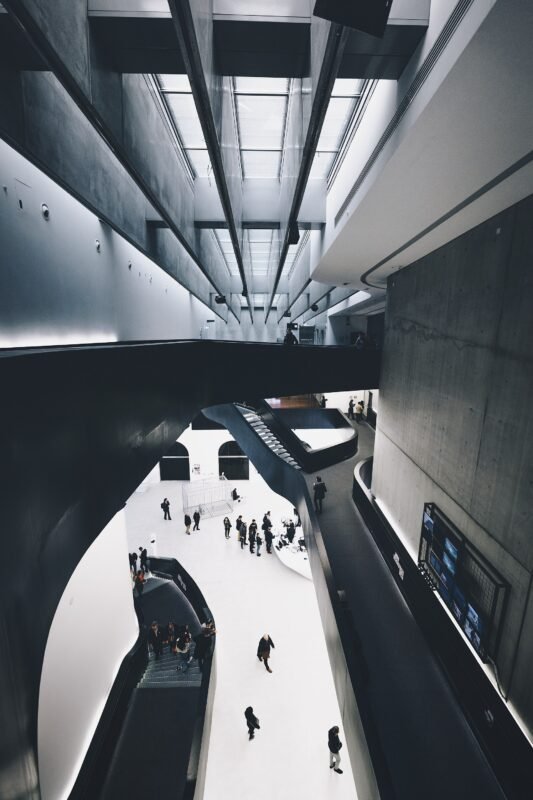
A short distance away are the Auditorium Parco della Musica and the MAXXI. An exhibition in the afternoon and Carofiglio in the evening make a sensible pairing for those coming from out of town.
Ponte Milvio and Piazza del Popolo
Going up the Tiber you reach Milvian Bridge, with its square full of places. In the opposite direction, along Via Flaminia, you reach Piazza del Popolo, beside Piazzale Flaminio, from which tram 2 departs.
Where to eat before or after
Around Teatro Olimpico, between Piazza Mancini, Via Flaminia and Piazza Gentile da Fabriano, there are pizzerias, trattorias and bars used by theater and Auditorium audiences. The area has a wide, unpretentious neighborhood offering with no tourist airs.
For an evening that begins at 20:30 a quick dinner at 19:00 is the most practical solution. The show ends around 22:00, a comfortable time for an after-theater dinner, which is a good Roman habit. On Mondays some places are closed for their weekly rest, so it is best to check beforehand. Ponte Milvio, a few minutes by taxi, remains the safest solution for those who want to stay out late.
Accessibility at Teatro Olimpico
Those with reduced mobility who want to attend Il mistero della stupidità at Teatro Olimpico should contact the box office before buying, at biglietti@teatroolimpico.it. It is the safest way to learn about suitable seats and ways of accessing the hall. The orchestra is sloped, in an amphitheater, and the gallery is on the upper floor. These are elements to consider when choosing the section.
The 2026/2027 season of Teatro Olimpico
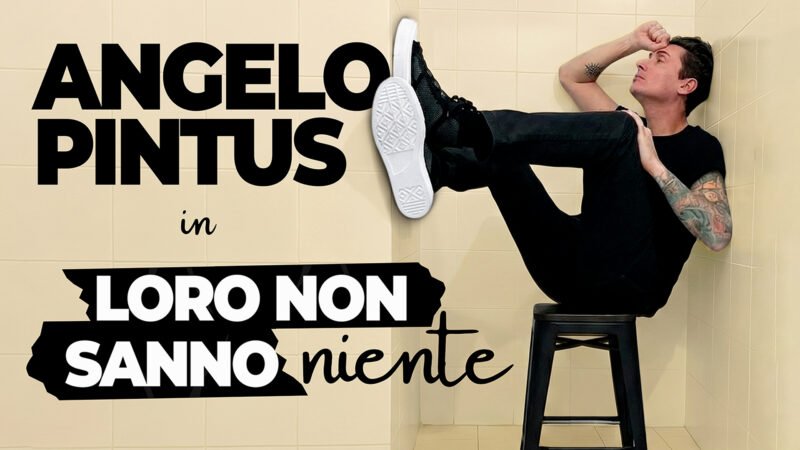
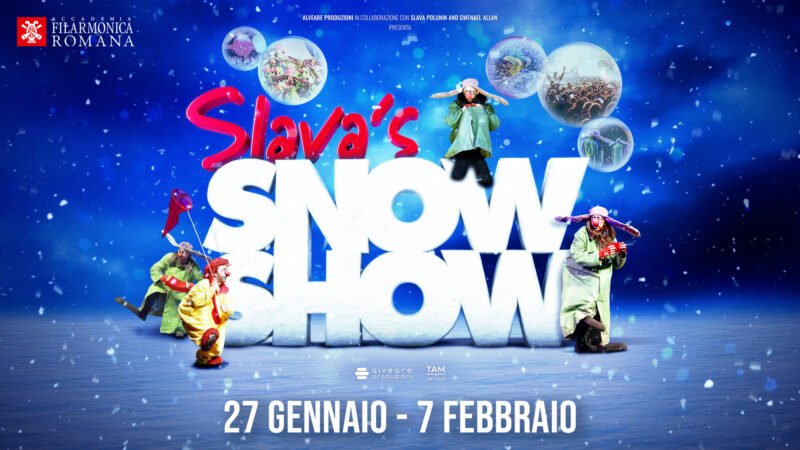
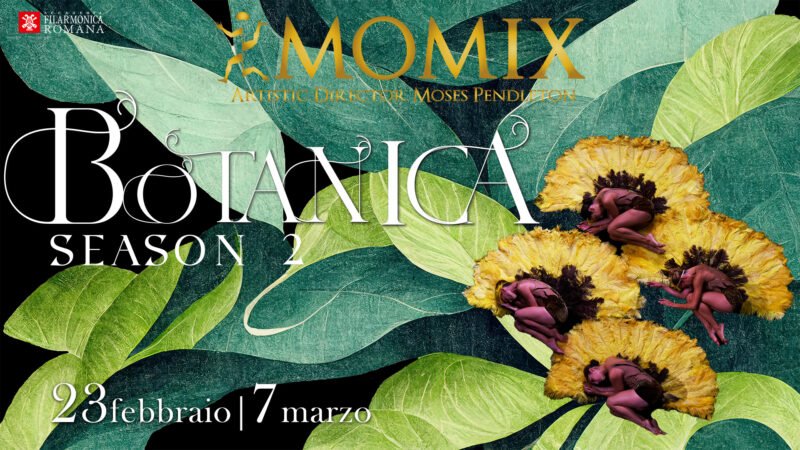
Il mistero della stupidità is one of the one-off events of the 2026/2027 season of Teatro Olimpico, which mixes comedy, dance, music and meetings. In the theater's calendar Carofiglio's evening comes right after Slava's Snowshow and before Raul Cremona with Bravissssssimo!. Other 2027 titles include Momix with Botanica, Angelo Pintus, Federico Buffa and Lillo e Greg.
Frequently asked questions about Carofiglio at Teatro Olimpico
When is Carofiglio's Il mistero della stupidità at Teatro Olimpico?
Gianrico Carofiglio's Il mistero della stupidità is at Teatro Olimpico in Rome on Monday, February 8, 2027, starting at 20:30. The theater lists the end of the evening at around 22:00. No repeat performances are planned: it is a single date of the 2026/2027 season.
How much do tickets for Carofiglio at Teatro Olimpico cost?
Tickets for Il mistero della stupidità at Teatro Olimpico cost from €24, side balcony with railing, to €38, Poltronissima gold, plus presale from €3.60 to €5.50. Online a fee of €1.50 per ticket is added.
What kind of show is Il mistero della stupidità?
Il mistero della stupidità is a theatrical conversation: Gianrico Carofiglio is alone on stage, with no set, and alternates written parts with moments of dialogue with the audience. The theme is stupidity as a counterfeit of intelligence, with an analysis of contemporary political language.
Who is Gianrico Carofiglio?
Gianrico Carofiglio, born in Bari in 1961, is a writer, former anti-mafia magistrate and former senator. He is the author of the novels about lawyer Guido Guerrieri and marshal Fenoglio, and of essays such as La manomissione delle parole. His books have sold 6 million copies in 28 languages.
Which Carofiglio books should you read before the show?
Carofiglio's show starts from his essays: Elogio dell'ignoranza e dell'errore (2024), Della gentilezza e del coraggio (2020), Con parole precise, published in 2015 and republished in 2025 as Manuale di autodifesa civile, and La manomissione delle parole (2010).
How do you get to Teatro Olimpico by public transport?
Teatro Olimpico, at Piazza Gentile da Fabriano 17, is reached by Metro Line A to Flaminio and then tram 2 to Piazza Mancini, from which it is about 500 meters on foot. From Termini there is also bus 910, Pannini stop.
How many seats does Teatro Olimpico have?
Teatro Olimpico has 1,410 seats: 966 in the orchestra, arranged in an amphitheater, and 444 in the horseshoe gallery. Born as a cinema in 1936, it has been a theater since 1981 and belongs to a joint-stock company created in 1980 from a subscription by citizens.
To close, one piece of advice: an evening like this is prepared with a book, not with a ticket. Read one of Carofiglio's essays, take a seat in the central orchestra and arrive early to look at the sets by Manzù and Cagli in the foyer. You will leave the Olimpico with a few more questions, and that is exactly what a conversation about stupidity should leave.
Article written by the editorial team of Tour Leader Pro, contact them for Private/Corporate/V.I.P. Tours and Experiences.
Planning a trip to Rome? The English guides to visiting the city are on ItalyPlanner.com.
Contact Information
Nearby
 Teatro Olimpico100 m
- Ponte della Musica – Armando Trovajoli200 m
- Flaminio400 m
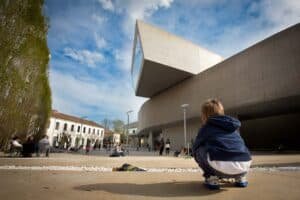
- MAXXI – National Museum of 21st Century Arts500 m
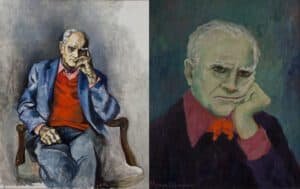
- Alberto Moravia House Museum700 m
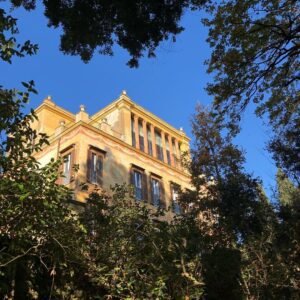
- Villa Mazzanti700 m

Upcoming events nearby
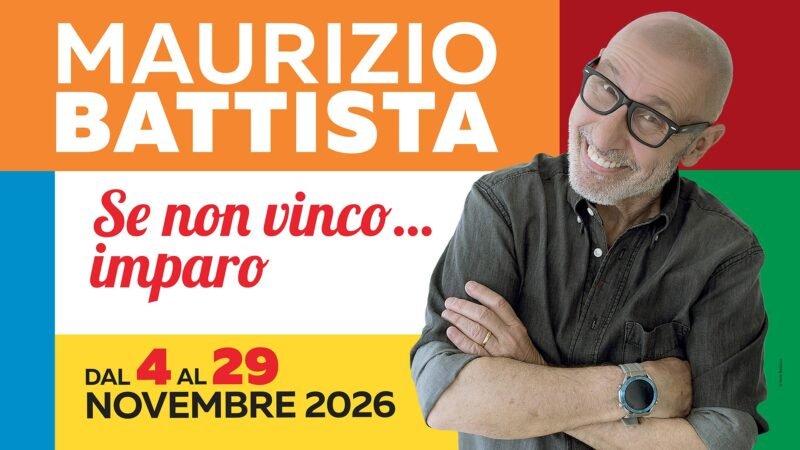
- Maurizio Battista at Teatro Olimpico, Se non vinco… imparo, November 4 to 29, 2026100 m
- Angelo Pintus at Teatro Olimpico, Loro non sanno niente, January 14 to February 14, 2027100 m
- Slava’s SnowShow at Teatro Olimpico, January 27 to February 7, 2027100 m
- MOMIX Botanica at Teatro Olimpico, February 23 to March 7, 2027100 m
You might also like
- Alessandro Bergonzoni Arrivano i Dunque at Teatro Olimpico, February 20 and 21, 2027
- Back To Hawkins at Teatro Olimpico, February 17, 2027
- Selene Calloni Williams: Tu sei la Foresta at Teatro Olimpico in Rome, February 16, 2027
- Raul Cremona Bravissssssimo! at Teatro Olimpico, February 9, 2027
- Titizé, A Venetian Dream at Teatro Olimpico in Rome, January 8 to 10, 2027
- Belle e la Bestia, the Musical at Teatro Olimpico, December 26, 27 and 28, 2026