Cali Roma Baseball
In short. Cali Roma Baseball is the name under which a part of Roman amateur baseball presents itself to anyone looking for a sports activity that is different from the usual in the capital's landscape.
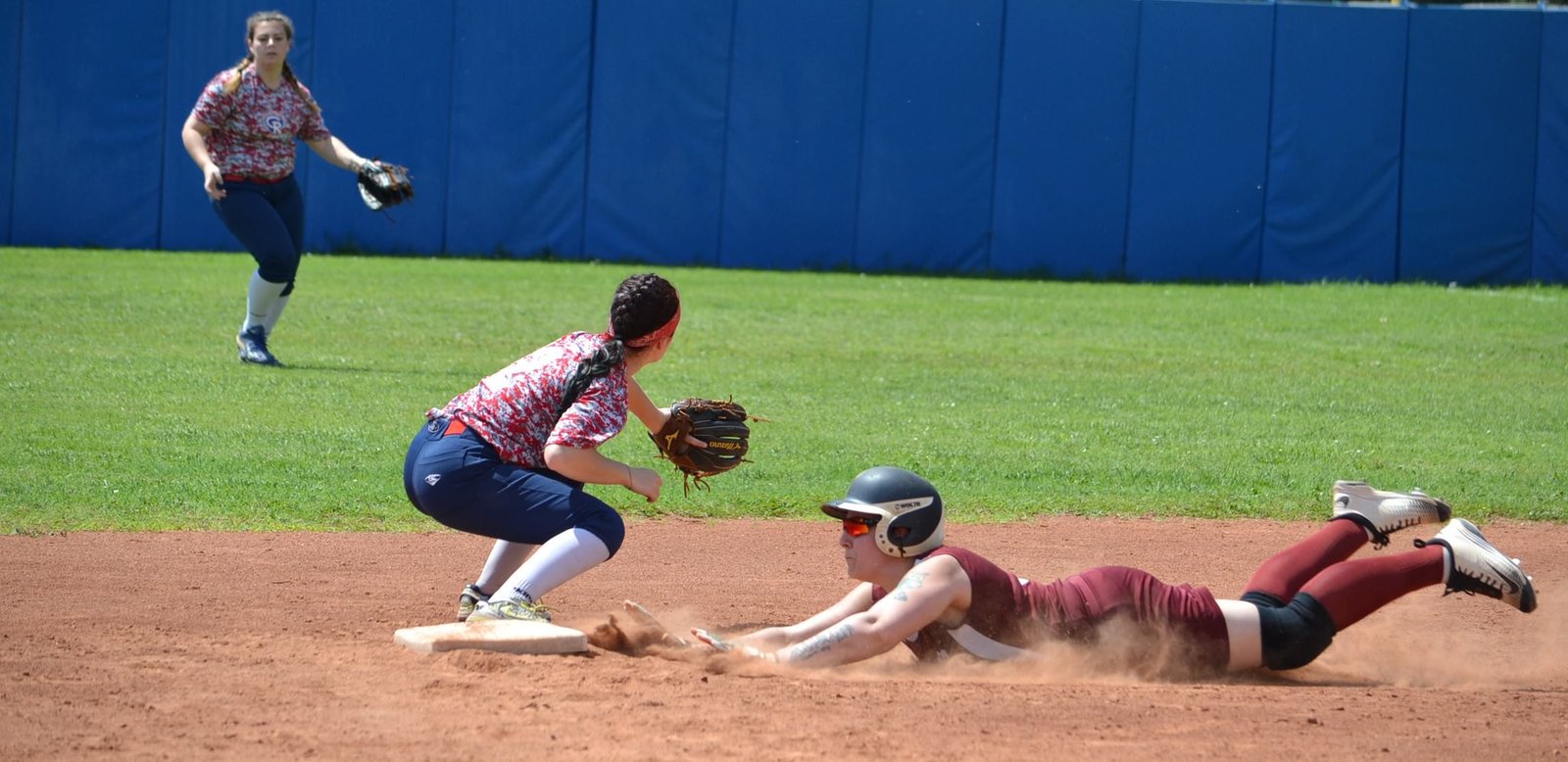
Cali Roma Baseball is the name under which a part of Roman amateur baseball presents itself to anyone looking for a sports activity that is different from the usual in the capital's landscape. Baseball is not a mass sport in Rome, but it has a real tradition that goes back to the years after World War II, when American soldiers stationed on the Lazio coast brought with them bats, gloves and the rules of a game until then almost unknown in Italy. From that seed, grown above all along the coastal strip between Nettuno and the capital, a movement was born that today counts dozens of clubs affiliated with the Italian Baseball Softball Federation, the FIBS, headquartered in Rome in the Foro Italico sports complex. Cali Roma Baseball is part of this circuit, among the clubs that keep baseball and softball alive in the city that also hosts the home of the national federation. For anyone moving around the neighborhoods of the capital, understanding how this world works, what its unwritten rules are and how you approach a baseball field is worth more than a precise address, because Italian grassroots baseball changes venue and hours from one season to the next much more often than happens for a structured sport like soccer. For those organizing sports stays in Rome it is also useful to consult the pages on the other sports centers of the capital and on the major Foro Italico facilities, which cover the rest of the city's sports offering.
Cali Roma Baseball in the landscape of Roman amateur baseball
Italian baseball has always lived in a particular condition: a niche sport in overall numbers, but deeply rooted in some cities and some families, with clubs that hand the practice down from one generation to the next inside a circuit that speaks mostly the language of amateur sports associations. Clubs like Cali Roma Baseball almost always begin in the legal form of the ASD, the amateur sports association, a model that in Italy governs thousands of grassroots organizations, from youth soccer to swimming, including the sports considered minor in the count of registered members but central for those who play them. Anyone who registers with one of these clubs enters a system headed by the FIBS, the federation that manages the championships, the refereeing, technical training and relations with the international federation, the World Baseball Softball Confederation.
Rome, in this picture, has a particular role: it hosts the federation's headquarters, but it has never been the sporting capital of Italian baseball, a primacy that historically belongs to Nettuno, on the coast south of the city, where the game arrived first and where the teams that dominated the national championships for decades were born. Roman clubs like Cali Roma Baseball work in a different context, that of a huge city where baseball has to compete for space, facilities and attention with soccer and with dozens of other disciplines, and where a club's roots in the area are built neighborhood by neighborhood, not stadium by stadium.
The neighborhood club model in Roman baseball
Unlike soccer, where a historic ground often becomes the symbol of a club for decades, Roman amateur baseball has more often developed around multipurpose sports centers, fields shared with other disciplines or readapted municipal facilities. It is a less showy but more resilient model: a club like Cali Roma Baseball, to keep existing and to grow its registered members, depends on its ability to guarantee continuity in training, from the youngest up to the most advanced youth categories, more than on having a dedicated stadium recognizable from outside.
The weight of volunteer associations
Every club of this kind lives on a fragile balance between limited income, membership fees from families, possible contributions from CONI or Coni Servizi through federal channels, and the unpaid work of those who run it. It is a model common to very many minor disciplines in Italy, not a peculiarity of baseball, but in baseball it weighs more than elsewhere because the technical equipment needed, from gloves to bats to the catcher's protective gear, has a cost that soccer, the reference sport in everyday comparison, does not have to the same degree.
How the circuit of baseball fields in Rome works
Anyone who does not know this sport tends to imagine a regulation diamond, manicured grass, stands and an electronic scoreboard. The reality of Roman amateur baseball is more modest and more practical: dirt or natural grass fields, often shared with softball, enclosed by high nets to stop balls that go out of bounds, with covered benches and little else. The city's historic facilities, the ones where most competitive activity is concentrated, are few compared with the number of affiliated clubs, and this means that organizing training always requires scheduling work among the different clubs that share the same space.
For anyone looking for practical information on how and where baseball is played in Rome, the most reliable starting point remains the FIBS website, which publishes calendars, groups and up-to-date contacts of the affiliated clubs in Lazio. That is where you should check, season by season, the training times and the exact playing venues of a club like Cali Roma Baseball, because this information changes from one year to the next depending on the availability of facilities and on the agreements with the municipal or private structures that host the activities.
Why it is always worth checking in person
The practical advice holds for any Roman amateur sports club, not only for baseball: times change with the competitive seasons, phone numbers change with the officials who rotate through the club's roles, and social media pages often stay more up to date than official websites. Anyone who wants to approach Cali Roma Baseball, to enroll a child or out of personal curiosity, does well to start with direct contact through the club's channels or through the federation, rather than relying on an address found online without recent confirmation.
Different disciplines sharing the same facility
A typical trait of medium-sized Roman sports facilities is sharing among several disciplines: it happens that the same space hosts in the same week baseball, softball, track and field or other outdoor activities, with a calendar that rotates among the affiliated clubs. Anyone who organizes their time around a visit to a baseball field in Rome has to take this rotation into account: the availability of the diamond is never a given, and the fixed days and hours that hold in one season can be completely different in the next, when the agreements between the facility's managers and the clubs that use it change.
This logic of sharing also has a positive effect that is little talked about: it puts the children of a baseball school in daily contact with peers engaged in other sports, on the same facility, on the same afternoon. It is not rare for a kid to start playing baseball precisely because he saw a practice while waiting for a brother or sister busy in another discipline on the same sports field, a mechanism of informal cross-pollination that in big cities works better than any advertising campaign organized by the clubs themselves.
A curiosity about Cali Roma Baseball
The name itself carries a curiosity worth telling: in the world of Italian amateur baseball it is normal for a club's name to incorporate that of a sponsor, a founder or a company that supported the team at some stage of its history, alongside the name of the city. It is a practice common to very many Italian grassroots sports, from basketball to volleyball, where the official name entered in the championships changes more often than the real identity of the club, which fans and registered members keep calling by the nickname it has always had. Anyone looking for information on one of these clubs, therefore, does well to consider that the name that appears today may not be the one under which the same sports organization was known a few seasons ago, and vice versa.
Another curiosity concerns the calendar of Italian baseball itself: the competitive season follows the rhythm of American schools more than that of European soccer, with activity concentrated between spring and summer, precisely in the months when the city empties for vacation. This means that anyone strolling through Rome on a Saturday in May or June is more likely to run into an amateur baseball game by chance than in January, when most diamond fields stay silent and activity moves into gyms for winter athletic preparation.
A third curiosity, less known outside baseball circles, concerns language: many technical terms of Italian baseball remain in English, strike, out, inning, home run, while others have an Italian translation established for decades, such as casa base, monte di lancio or battitore. Listening to a practice of a Roman club like Cali Roma Baseball therefore means listening to a particular linguistic hybrid, where the two languages live side by side in the same sentence with ease, a sign of a sport that in Italy has always grown in close contact with its American origins.
The structure of youth baseball in Roman amateur baseball
Italian baseball organizes its youth categories by age bands, on the model of the other national sports federations: it starts with promotional activity for the youngest, designed to teach the fundamentals of the game, throwing, catching and batting, in a playful form. It continues with the Under 12 and Under 15 categories, where the rules begin to come closer to those of adults. It arrives at the Under 18 and Under 21, the antechamber of real competitive baseball, that of the Serie A championships and the national youth selections. A neighborhood club like Cali Roma Baseball, to exist and grow, has to guarantee continuity across all of these bands, because it is the youth nursery that keeps the whole movement alive, much more than the first teams.
This work on youth baseball has a value that goes beyond competitive sport. Baseball requires coordination, patience and the ability to handle long stretches of time, very different from the frantic ones of soccer: a thrower waits minutes before stepping in on a decisive at-bat, a batter can spend an entire game building the right chance. The instructors of Roman youth clubs often insist on this aspect when they talk to parents approaching for the first time a sport that, outside Italian-American school settings, remains little known.
Families as part of the system
Anyone who has attended a youth baseball practice in Rome knows that family involvement goes well beyond driving the kids. Parents often become an active part of the club's life, from logistical support on tournament days to the practical handling of equipment, down to the small field maintenance jobs that in many amateur organizations have no dedicated budget. It is a dynamic that strengthens the sense of community around a club like Cali Roma Baseball, where the boundary between those who play, those who coach and those who support from outside is often blurrier than in sports with greater financial resources.
This family involvement produces, over time, a loyalty effect that the more structured clubs learn to cultivate with care: younger brothers who sign up following the example of the older ones, parents who stay tied to the club even after their children have stopped playing, perhaps as officials or as chaperones on away trips. It is a form of social capital that in Roman amateur baseball is worth as much as, if not more than, the club's financial resources.
Something nobody tells you about Cali Roma Baseball
Nobody writes it in the official presentations, but it holds for Cali Roma Baseball as for any other small Italian amateur sports club: behind an activity you only see on Saturday afternoons on the field there is work that is almost entirely voluntary. Officials who handle relations with the federation in the hours free from their own jobs, coaches who prepare practices in the evening, parents who turn into drivers, warehouse keepers and clubhouse bar staff on game days. It is the connective tissue of all Italian grassroots sport, and baseball, precisely because it is less followed than soccer, depends on this invisible work to an even greater extent.
The second thing that is rarely told concerns costs. The equipment to play baseball, gloves, bats, protective gear, helmets, is not cheap, and unlike soccer, where a ball is enough to start, this sport requires a minimum of equipment that weighs on the budgets of families and clubs. Many Roman organizations, including the smaller ones, provide shared equipment for beginners, precisely to lower the entry threshold to a sport that would otherwise risk staying confined to a few families with greater financial means.
Third aspect little told: maintaining a baseball field requires specific skills that not all shared facilities have available. The pitcher's mound has to keep a precise slope, the dirt around the bases has to be leveled regularly to avoid unpredictable and dangerous bounces, the grass of the outfield has to be cut at a constant height. In the smallest clubs, this work often ends up in the hands of the officials themselves or of volunteers with the skills of a gardener rather than a professional groundskeeper, a detail that someone watching only the game rarely notices but that shapes every practice.
A fourth element, even less visible from outside, concerns travel: many Roman youth teams, when the regional championship calendar calls for away games outside the city, rely on a car pooling system organized by the parents, because an amateur club's budget rarely covers a dedicated bus for every match. It is a logistical detail that tells, better than many statistics, the real scale on which this sport operates in Italy, far from that of the big professional championships that appear on television.
The advice I give you for visiting Cali Roma Baseball
The practical advice is simple and holds for anyone who wants to approach for the first time a Roman amateur baseball organization like this one: before showing up at a practice or a game, it is always worth contacting the club directly through its official channels, checking the updated times and asking whether at that point in the season access for outside spectators is open or reserved for registered members and families. Italian grassroots clubs, unlike major sporting events, have no ticket offices, no fixed hours posted on permanent signs, and the availability of the field can change from one week to the next depending on the calendar shared with other disciplines or with other clubs that use the same facility.
Anyone who shows up out of curiosity, perhaps accompanying a foreign tourist used to baseball in his own country and eager to see how it is played in Italy, will do well to choose a Saturday or Sunday in spring or early summer, the months when competitive activity is most intense, and to avoid the winter months, when much of the work moves indoors. And above all, the most direct advice: do not expect the spectacle of an American stadium. Expect a group of kids, coaches and families who live the sport with an intensity and a passion that often go far beyond those of more crowded and more media-covered settings.
A second piece of advice, less obvious: if you plan to enroll a child, ask to watch a practice before signing any registration form. Every club, even within the same sport, has its own way of working with the little ones, more oriented to play or more oriented to technique from the start, and seeing it live, even just once, says more than any description found online.
The rules of baseball explained to someone watching for the first time
For anyone approaching for the first time a field like the one where Cali Roma Baseball plays, a minimum of orientation on the rules helps you enjoy the game instead of feeling lost. Baseball is played between two teams of nine players who alternate on offense and defense for nine turns, called innings: in each inning one team bats until it accumulates three outs, then the teams swap roles. The goal of the batter is to hit the ball thrown by the opposing pitcher and run along the four bases laid out in a diamond, returning to home plate to score a run.
Outs happen in several ways: three strikes, that is three valid pitches that are missed or hit foul in the wrong way, send the batter out of the game. A ball caught in the air by the defense puts the batter out. A runner touched with the ball or beaten to the base is out. Pitching is the most technical element of the sport: a good pitcher alternates speed, spin and trajectories to make the ball hard for the batter to read, in a duel that repeats dozens of times in a single game.
In the youngest youth categories, from about six to 10 years old, many Italian clubs use simplified variants of the game, with the pitch delivered by a coach instead of a teammate, or with the ball placed on a fixed support, the so-called tee ball, precisely to let children concentrate on the mechanics of batting before facing the difficulty of hitting a moving pitch. It is a teaching approach that is also common to Roman clubs and serves to build the technical foundations without discouraging those approaching for the first time a sport with complex technical movements.
Softball, the twin discipline
Many clubs that practice baseball, and it often happens with Roman organizations too, run softball in parallel, the variant played mainly by women's teams, with a bigger ball, a smaller field and an underhand pitch instead of an overhand one. The Italian Baseball Softball Federation manages both disciplines under the same roof, and it is not rare for a club like Cali Roma Baseball, though carrying only the word baseball in its name, to also offer a softball path for those who prefer this variant, especially in the girls' youth categories where softball is often the main way into the sport.
The role of the coach in an amateur club
In baseball, more than in other team sports, the coach has a role of continuous direction during the game itself: he chooses the signals for the batter, decides when to have a runner steal a base, manages the rotation of the pitchers. In Roman youth clubs, where technical resources are limited, the same coach often follows several categories at once over the course of the week, a commitment that requires a passion that is hard to explain to anyone who looks at this sport from the outside.
The technical training of coaches goes through courses organized by the FIBS, structured on several levels, from the first level dedicated to basic youth activity up to the higher levels required to coach the senior categories and the top championships. For a small club, having coaches on staff with up-to-date federal qualifications is often a small point of pride, because it means being able to offer families a guarantee of technical competence beyond enthusiasm, an element that alone is not enough to build a solid sporting path for a kid.
Another well-known fact, yet rarely cited
That baseball arrived in Italy thanks to the American military presence after World War II is a fact known to anyone who has read anything about the history of this sport in Italy. Less often remembered is how concentrated that presence was on the Lazio coast, at Nettuno and Anzio, the scene of the Allied landing of January 1944 and then home to American bases and structures that stayed active for years after the end of the conflict. It was there, in that context, that the game first took root in a structured way, with Italian soldiers and civilians learning the rules side by side, even before a national federation was born.
The less-cited fact is that this geographically limited origin has left a lasting mark on the map of Italian baseball: even today the most successful clubs in the country are concentrated in a small patch of territory between the coast south of Rome and a few other cities in Northern Italy where, for similar reasons, often tied to communities of emigrants returned from the United States, the sport had found fertile ground. Rome, though it hosts the federal headquarters, remains in a certain sense peripheral to this historic core, and Roman clubs like Cali Roma Baseball work in a context where roots have to be built patiently, neighborhood by neighborhood, without the direct inheritance of that first generation of clubs born right by the landing beaches.
One last little-told element concerns the relationship between baseball and the American cinema shot in Italy after the war: the Hollywood crews working at Cinecittà in the 1950s and 1960s brought with them American technicians, extras and collaborators who in their free time looked for a field to play baseball on, contributing in an indirect and poorly documented way to keeping the practice of the game alive in the capital too, well before the national federation structured a real city circuit.
The history of baseball in Rome from the postwar period to today
The history of baseball in the capital begins in the shadow of Nettuno's, but develops continuously over the decades. Already in the 1950s and 1960s the first clubs arose in Rome, often tied to larger multi-sport organizations that paired baseball with other disciplines such as basketball and track and field. The multi-sport club model, common to many Italian cities of that period, gave Roman baseball a logistical and organizational base that a niche sport alone would have struggled to build.
In the following years, with the growth of the national championship and the structuring of the Italian Baseball Softball Federation, which chose Rome as its seat precisely because of the capital's institutional centrality in the Italian sports system tied to CONI, Roman clubs consolidated a local circuit made up of neighborhood teams, youth tournaments and constant outreach work for a discipline that struggles to compete, in terms of media visibility, with the more popular sports.
The role of the federation based in Rome
Having the national federation's headquarters in the city has brought indirect benefits to the Roman movement: easier access to training courses for coaches and referees, more frequent presence of federal events, more direct contacts with the top of the movement for the clubs that chose to take advantage of them. This has not turned Rome into the sporting capital of Italian baseball, a role that historically remains tied to other cities, but it has nonetheless offered the capital's clubs, including the youngest and least structured, a privileged channel of access to federal resources compared with organizations in provinces farther from the movement's decision-making center.
In this context, dozens of affiliated clubs operate today in Lazio, with Rome concentrating the largest share of clubs for the simple demographic reason of being the most populous city in the region. Cali Roma Baseball is part of this broader fabric, a mosaic of often small organizations run with limited resources, which together keep alive a discipline that would otherwise risk disappearing from the capital's sports map.
Recent years and the post-pandemic recovery
As with many Italian grassroots sports, Roman amateur baseball also went through a difficult phase during the months when sports facilities were closed between 2020 and 2021, with calendars suspended and youth activity interrupted for long periods. The recovery, in the following years, was gradual and required extra work from the clubs to win back the youngest members, those in the age band between six and 10 who most easily drop a sport if the interruption lasts too long. The Roman clubs that managed to keep a link with their families in that period, even just with informal contacts, are the ones that today present themselves with a more solid youth nursery.
In the most recent period, the capital's movement has also benefited from a broader phenomenon: the global growth of interest in American sports, fueled by the spread of streaming platforms that broadcast the games of the big American professional leagues in Italy too. It is not an effect comparable to what soccer produces on enrollment numbers, but for a niche sport like baseball even a modest increase in media interest translates, in the following years, into a few more enrollments in the youth schools of Roman clubs.
The right photo to take at Cali Roma Baseball
Anyone who brings a camera to a baseball practice or game at amateur level will find in the diamond a richer photographic subject than it seems to a distracted eye. The most effective shot is almost never the whole field, which tends to come out flat and scattered in a single wide frame. It works much better to isolate a specific moment of the game, the pitcher in the instant before the release, with his arm still raised and his gaze fixed on home plate, or the batter at the moment of contact with the ball, when body language alone tells the tension of the action.
Technically, the low raking light of late afternoon, typical of the spring and summer months when the competitive season is concentrated, helps give depth to the images and separate the players from the background, often cluttered with nets and unphotogenic fences. A low position, near the third base line or behind the catcher, gives the perspective closest to what you see in television broadcasts of international baseball, with the diamond opening out in depth in front of the lens.
It is also worth photographing the details that tell the amateur dimension of this sport in Rome: the gloves worn out by use, the improvised benches, the parents sitting on folding chairs brought from home along the sideline. These are the images that, more than any action shot, communicate the authentic character of a club like Cali Roma Baseball, far from the spotlights of professional baseball but alive in the daily dedication of those who make it work.
For those who prefer a more symbolic than technical frame, a good subject is the bench seen from the side during the inning change: the players sitting, gloves resting on their knees, eyes turned toward the field, in a moment of waiting that tells the slow, reflective rhythm of this sport better than any dynamic action.
Some important events that happened here in history
Reconstructing precisely the calendar of specific events of a single amateur club like Cali Roma Baseball requires direct sources that minor clubs rarely publish systematically, and fairness to readers requires not filling this space with dates and results that cannot be verified. What can be told with certainty is the broader historical context in which an organization like this moves, made up of events that have marked Roman baseball as a whole.
The first reference remains the birth of the Italian Baseball Softball Federation, which chose Rome as its institutional seat, bringing to the capital the decision-making center of a sport born elsewhere in the country. From that moment, every competitive season organized at the national level, from the youth championships to the qualifications for the regional representative teams, has involved to some extent the Roman clubs too, including the smaller ones that take part in the local groups with no ambitions at the top but with continuity of enrollment year after year.
A second relevant moment for the whole Roman movement is the gradual opening of baseball and softball to women and to the youngest, with the creation of ever more structured youth categories starting in the 2000s, a process that allowed clubs like Cali Roma Baseball to build a nursery they could count on, instead of depending only on the arrival of players already trained by other organizations or other cities.
A third moment, with a more international reach but with direct effects on local interest, is the appearances of the Italian national baseball team at the European championships and world competitions, occasions when media coverage of the sport grows temporarily in Rome too, bringing new members to the city's baseball schools in the weeks immediately following each major tournament.
Who has passed through Cali Roma Baseball
Here too the same rule of honesty applied in the previous section holds: attributing to a single amateur club the passage of specific players, without a direct and verifiable source, would mean inventing a résumé that no one can confirm. What can be said with certainty concerns instead the kind of path that, in general, runs through Roman youth baseball clubs like this one.
Italian baseball has a feature that sets it apart from many other national sports: the possibility, for players of Italian origin who grew up in the United States or in other countries with a strong baseball tradition, of wearing the Italian national team jersey thanks to dual citizenship or family ancestry. This phenomenon, which over the years has brought well-known names of North American baseball to wear the blue jersey in international competitions, also has an indirect effect on grassroots clubs like the Roman ones: it raises media attention on the sport in periods of major international competitions, and with it grows, even if modestly, the interest in the city's baseball schools among families who perhaps had never considered this sport as an option for their children.
More concretely, the typical path of a young person approaching a club like Cali Roma Baseball begins in the promotional categories, continues through the Under 12, Under 15 and Under 18 youth bands, and for the most gifted and most determined can lead to a move to a higher-category club, perhaps outside Rome, where the competitive offering is more structured. It is a natural flow across all Italian amateur sport, from soccer to baseball: neighborhood clubs train, bigger clubs gather the most promising talents. Those who stay often become in turn coach or official of the club that trained them, closing a circle that is the real backbone of this sport in Italy.
One last element should be added, valid for the whole Roman movement more than for a single club: the referees and technicians trained by the federation in Rome, precisely because of the national headquarters being in the city, often circulate among the different city clubs over the course of their careers, bringing experience and skills from one club to another. It is a silent but continuous turnover, which over time raises the average technical level of all the organizations involved, including the smaller ones.
When to watch a game and how to find out the calendar
The competitive season of Italian baseball is concentrated between spring and summer, with the youth championships typically starting between March and April and the main phases ending by June or July, before the summer break that coincides with school vacations. The senior categories and top championships may have slightly different calendars, but for anyone who wants to watch a youth baseball game in Rome, the months to keep an eye on remain the central ones of spring, when the number of scheduled games is highest and the availability of the fields, shared among several clubs, is organized on a regular weekly basis.
To find out the specific calendar of Cali Roma Baseball, as for any other amateur club of this type, the most reliable source remains the club's own direct channel or the FIBS website, which publishes the regional groups and seasonal updates. Information found on third-party portals, including generic listing pages, should always be treated as a starting point and never as a definitive source, because times and playing venues change more often than these portals manage to update.
One last practical suggestion concerns the weather: unlike soccer, where light rain almost never stops a game, baseball on dirt suffers a lot from dampness, because the surface becomes slippery and dangerous for slides onto the bases. It is not rare for a practice or game on the schedule to be moved or canceled at the last minute after a storm, one more possibility to consider for anyone organizing a visit planned well in advance.
The equipment and real costs of playing baseball in Rome
Anyone approaching baseball for the first time, perhaps accompanying a child who discovered the sport watching a game on television or playing a video game, almost always underestimates the list of equipment needed. A baseball glove suited to age and position on the field costs a beginner amounts ranging from a few dozen to more than 100 euros if you aim for a quality leather model meant to last several seasons. To this are added the bat, differentiated by length and weight according to the player's age, the protective helmet mandatory when batting, and for those who play catcher the full protective gear, mask, chest protector and shin guards, which is probably the most significant expense item of the whole kit.
Roman clubs, including the smallest ones like Cali Roma Baseball, deal with this problem pragmatically: in most cases, the catcher's gear and a large part of the bats remain the club's property and are shared among the registered members, so that no family has to face alone an initial expense that would discourage enrollment. The personal glove, on the other hand, almost always remains at the family's expense, because it is the object with which the player establishes the most direct relationship, to be shaped and softened over time with daily use, a ritual that in baseball has an almost symbolic value as well as a practical one.
Uniforms and the visual identity of an amateur club
Game uniforms too, in Italian amateur baseball, often follow a shared economic model: the jersey and the cap, identity elements of the club, are supplied by the club and remain the property of the members as a keepsake of the season, while pants and technical socks are more often at the families' expense, according to size and color standards set by the club. It is a system that lets even clubs with limited budgets show up on the field with a coordinated image, an element that in baseball, a sport very attentive to the look of the uniform since its American origins, carries a not negligible weight even at the amateur level.
Baseball in the Roman imagination between cinema, television and popular culture
Baseball remains, in Italian popular culture, a sport perceived through the filter of American cinema and television more than through direct experience. American films and TV series have made images like the diamond lit up in the evening, the ritual of the seventh inning, the organized cheering of the major professional leagues familiar to generations of Romans, without this visual familiarity almost ever turning into practical knowledge of the rules or direct attendance at local fields. It is a paradox that those who work in Roman youth clubs know well: many children arrive at their first practice with an idea of baseball built on screens, and the most common surprise concerns precisely the slowness and technicality of the real game, very different from the tight editing of a sports film.
This gap between imagination and practice also has a positive side for clubs like Cali Roma Baseball: precisely because the image of the sport is already present in popular culture, the communication work of Roman youth clubs concentrates less on making known that baseball exists, as would happen for a truly unknown sport, and more on bridging the distance between the idea families have of the game and its daily reality made of repetitive practices, technical patience and slow but steady progress.
What is around Cali Roma Baseball
Moving through the Roman sports landscape that surrounds an organization like this means discovering a mosaic of facilities and clubs that cover very different disciplines. In the Foro Italico area is the historic seat of Italian sport, with the Foro Italico complex hosting, besides the Olimpico stadium, many federal facilities, including that of the Italian Baseball Softball Federation itself. It is a useful point of reference for anyone who wants to understand, behind the scenes, how the sports system that supports an amateur baseball club is structured.
Among the other neighborhood sports organizations of the capital, useful for those looking for a comparison with the organizational model of Roman baseball, it is worth looking also at multi-purpose facilities such as the Circolo Sportivo Tor Carbone and the Circolo Sportivo Villa De Sanctis, both examples of how Rome organizes grassroots sport through municipal or semi-municipal centers spread across the different quadrants of the city, a model very similar to the one on which amateur baseball clubs normally rely too.
For those visiting Rome and wanting to better understand the urban context in which these sports organizations operate, a stop among the big city parks is also useful, often the site of informal sports activity and of routes that combine organized sport with outdoor leisure, a pairing that works well in Rome thanks to the extent of the city's green areas. Those instead interested in the sports history of the capital in a broader sense will find useful material also in the pages dedicated to the Olimpico Stadium, the symbolic heart of Roman sport, though it belongs to a completely different scale of visibility from that of amateur clubs.
Quick questions about Cali Roma Baseball
What is Cali Roma Baseball?
It is the name of an organization in Roman amateur baseball, part of the circuit run by the Italian Baseball Softball Federation, the federation that is based in Rome and organizes baseball and softball championships at the national and regional level.
Where can you find the Cali Roma Baseball field?
The playing venues of Roman amateur clubs can change from one season to the next depending on the availability of shared facilities. The most reliable way to get up-to-date information is to contact the club directly or consult the FIBS website.
How does enrollment in a youth baseball club in Rome work?
As with most Italian amateur sports clubs, enrollment involves registration with the relevant federation, in this case the FIBS, plus any sports medical certificates required for competitive or non-competitive activity depending on the category.
At what age can you start playing baseball in Rome?
Italian youth clubs generally welcome children from as young as six or seven in the promotional categories, with a path that continues through the Under 12, Under 15 and Under 18 bands up to senior activity.
Is baseball in Rome played only in summer?
The competitive season is concentrated between spring and summer, but many clubs also organize indoor winter athletic preparation, to keep members in shape in the months when the outdoor field cannot be used continuously.
Is there softball in Rome too?
Yes. Softball is managed by the same federation as baseball, the FIBS, and several Roman clubs offer both paths, often with particular attention to softball in the girls' youth categories.
Do you need your own equipment to start?
Many clubs, to lower the threshold of entry to the sport, provide shared equipment for beginners, while those who continue regularly then tend to get their own glove and personal gear.
Is Rome the most important city for baseball in Italy?
No. The historic primacy belongs to Nettuno, on the Lazio coast, where baseball arrived first in the years after World War II thanks to the American military presence. Rome does, however, host the headquarters of the Italian Baseball Softball Federation and is in any case an important hub for the number of active clubs.
Can you watch games without being a registered member?
Generally yes, but it is always worth checking in advance with the club, because times and access procedures to the field can vary from one season to the next and at some moments access for outside spectators may be limited.
How much does it cost to join a baseball club in Rome?
Membership fees vary from club to club and from category to category, and generally include federal registration, use of the field and, in many cases, part of the shared equipment for beginners. For an up-to-date amount you need to contact the club directly.
Does Roman baseball have a national team of reference?
Yes, Italy has its own national baseball team, which takes part in European championships and world competitions, fed also by players trained in youth clubs across the country, including those of the capital.
What is the difference between a municipal sports center and a baseball club like Cali Roma Baseball?
A municipal sports center is a physical facility, often run by a private concessionaire on behalf of the city, which can host several disciplines. A club like Cali Roma Baseball is instead a sports association that organizes baseball activity, and that can use one or more facilities, municipal or private, depending on the agreements in place in a given season.
What kind of ground is needed for a regulation baseball field?
A regulation field combines an infield of dirt, where the bases and the pitcher's mound are located, with a large outfield of natural or synthetic grass. Many Italian amateur facilities, because of limits of space or maintenance, adopt simplified solutions compared with the international standard, nonetheless suitable for youth and recreational activity.
Is it possible to try a practice before enrolling?
In most Italian amateur clubs, baseball included, it is common practice to offer one or more trial lessons before final registration, precisely to let families assess the club's way of working before committing to a membership fee.
The overall judgment, after reconstructing the context in which an organization like Cali Roma Baseball moves, is that Roman amateur baseball deserves more attention than it receives. It is a sport that in Rome has neither the history of Nettuno nor the numbers of soccer, but that survives thanks to the daily work of coaches, officials and families who keep a real movement standing, made of kids who learn the patience of a slow, technical game in a city that runs fast at entirely different rhythms.
Frequently asked questions about Cali Roma Baseball
What is Cali Roma Baseball?
Cali Roma Baseball is the name of an organization in Roman amateur baseball, part of the circuit run by the Italian Baseball Softball Federation, the federation that is based in Rome and organizes baseball and softball championships at the national and regional level.
Where is the Cali Roma Baseball field?
The playing venues of Roman amateur clubs can change from one season to the next, and the public sources available do not allow us to state with certainty the current address of the Cali Roma Baseball field. For up-to-date information it is worth contacting the club directly.
Why does the club's name include "Cali"?
In Italian amateur baseball it is common for a club's name to incorporate that of a sponsor, a founder or a company that supported the team at some stage of its history, alongside the name of the city. It is a practice widespread in many Italian grassroots sports, from basketball to volleyball.
Does Cali Roma Baseball have a youth program?
Roman amateur baseball clubs normally organize youth categories by age bands, from promotional activity for the youngest up to the Under 12 and Under 15 categories, following the model common to the federation. For specific details on the Cali Roma Baseball youth program it is worth contacting the club directly.
When is baseball played in Rome?
The competitive season of Italian baseball is concentrated between spring and summer, with the youth championships typically starting between March and April and the main phases ending by June or July, before the summer break. For the specific Cali Roma Baseball calendar it is worth checking the club's official channels.
How do you approach Cali Roma Baseball for the first time?
The practical advice is to contact the club directly through its official channels before showing up at a practice or game, checking the updated times and asking whether at that point in the season access for outside spectators is allowed.
Article written by the editorial team of TourLeaderPro, contact them for Private/Corporate/V.I.P. Tours and Experiences. To organize a day of visiting Rome that combines culture and sport, with a licensed tour guide, start from the TourLeaderPro contact page.
Planning a trip to Rome? The English-language guides for visiting the city are on ItalyPlanner.com, while those looking for ideas for outings off the classic tourist routes will find inspiration in the guide to the best day trips from Rome.
Contact Information
Via Amedeo Bocchi,
Roma Roma Città, Roma Città
Nearby

Upcoming events nearby
 Flora Canto’s musical comedy show at Teatro Domma, November 14 and 15, 2026900 m
- Brotti…e non ridere che sei come loro (Brotti, and Don’t Laugh, You Are Just Like Them) at Arena Teatro Domma, Nov 26 and 27, 2026900 m
- Manca solo Mozart (Only Mozart Is Missing), a play by Antonio Grosso with Marco Simeoli at Arena Teatro Domma, Dec 15 and 16, 2026900 m
- Sogno Celeste (Celestial Dream), all-female choral concert for the Rome-Paris twinning at Arena Teatro Domma, Dec 18, 2026900 m