Published on · updated on
Some links on this page are affiliate links: if you buy through them, Estate Romana receives a small commission, at no extra cost to you. As an Amazon Associate, Estate Romana earns from qualifying purchases.
Winter in Rome is mild on paper and damp in practice: in January the average high is around 12 degrees and the low around 3, but the humidity, the north wind and the stone interiors make it feel colder than the thermometer says. For a trip between December and February you need light layers, shoes that can handle rain, a serious umbrella and a few addresses where you can warm up between one walk and the next. Here you’ll find the real numbers, the list of what to pack and the places to take refuge.
The days are short. At the winter solstice the sun sets just after 16:40 and the light lasts a little over nine hours: if you plan a Roman winter day as if it were June, you find yourself in the dark halfway through the program. The flip side is that monuments have shorter lines, museums are more livable and in the evening the city gathers in trattorias and lit-up churches.
Data checked on October 3, 2026 on the Atlante climatico of the Aeronautica Militare (Roma Ciampino station, 1971-2000 averages), on the Ministry of Culture website for the free openings and on the astronomical sunrise and sunset tables for Rome. Where a figure isn’t published we say so, and for hours and prices of individual places the operator’s website is what counts.
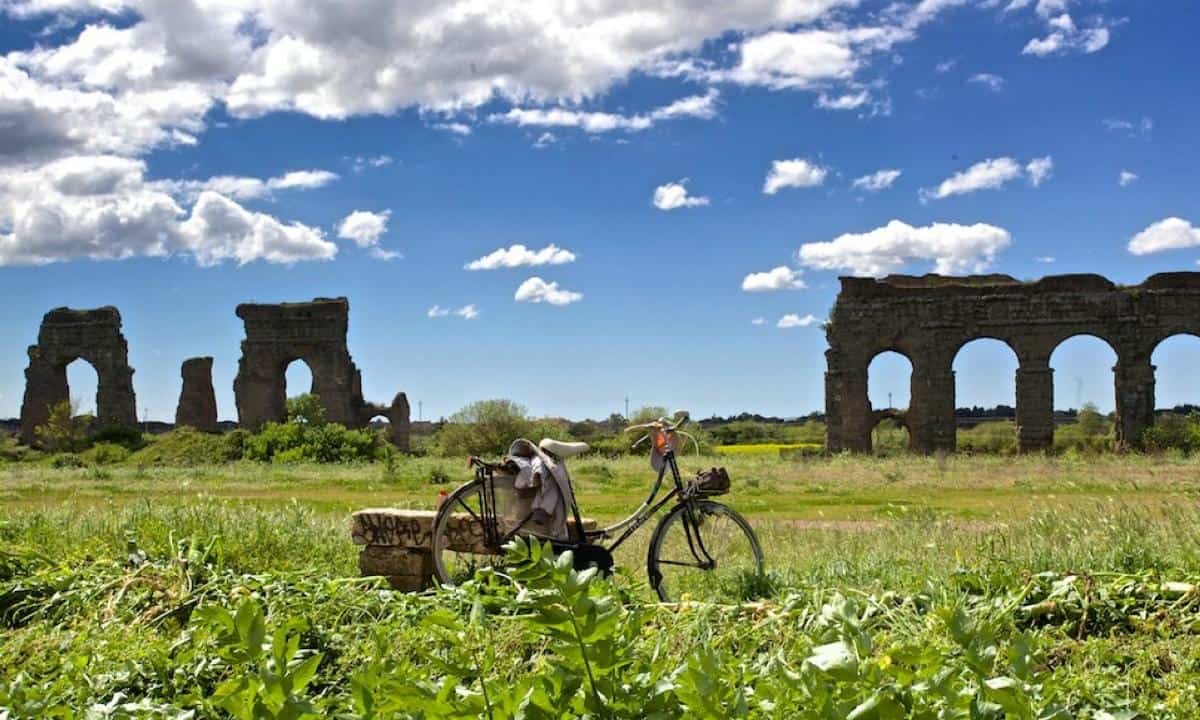
Winter in Rome at a glance
- Temperatures: at Roma Ciampino January has an average high of 11.9 degrees and an average low of 3.1 degrees (1971-2000 averages from the Aeronautica Militare). December and February are slightly milder.
- Rain: between December and February Ciampino gets on average between 67 and 81 millimeters of rain a month, spread over 7-8 rainy days a month.
- Light: on December 21 in Rome the sun rises around 7:34 and sets around 16:42, for about nine hours and 10 minutes of light.
- Snow: it rarely snows in Rome, less than once a year on average. The last major snowfalls in the city were on February 3-4, 2012 and February 26, 2018.
- What to bring: for winter in Rome you need stackable layers, a light down jacket, waterproof closed shoes, scarf, hat, gloves and a windproof umbrella.
- Where to warm up: museums, churches and the thermal baths of Lazio are the natural refuges on the cold or rainy days of a Roman winter.
- Good to know: on the first Sunday of every month state cultural sites, including the Colosseum, the Pantheon and the Baths of Caracalla, are free, with booking recommended or required where requested.
What’s the weather really like in a Roman winter?
The numbers from the Atlante climatico of the Aeronautica Militare for the Ciampino station, southeast of the city, are these. December: average high 12.6 degrees, low 4.2, about 81 millimeters of rain over 8 days. January: high 11.9, low 3.1, about 67 millimeters over 7 days. February: high 13, low 3.5, about 73 millimeters over 8 days. In March the high rises to 15.2 degrees. These are averages over 30 years, so they include both the weeks of sun at 16 degrees and the mornings with frost on the lawns.
The record says it can get very cold: the absolute low at Ciampino is 11 degrees below zero, in January 1985. Those are rare episodes. More frequent, and more annoying for anyone walking all day, are the gray days with intermittent rain and the clear mornings when the north wind comes down and cuts across the open squares. The historic center, between buildings and alleys, gives shelter. The Janiculum, the Pincio
and the bridges over the Tiber don’t.
Snow is a news event, not a forecast. Over the last 120 years the sources count about a hundred episodes, less than one a year, with February as the most likely month. The snowfall of February 3-4, 2012 left very variable accumulations, heavier in the northern neighborhoods. The one of February 26, 2018 whitened the city for a few hours. If it happens, the city slows down a lot: public transport runs in fits and starts and some outdoor sites close for safety. It’s not a good idea to plan winter in Rome waiting for snow, or fearing it.
December has the advantage of the lights and the Christmas atmosphere, but also the peak of visitors between December 8 and the Epiphany. January, after the 6th, is the quietest month and often the coldest. February is variable: it can give you almost spring-like days and, a week later, the icy blast that brings the snow. In our opinion, for those who want Rome with few people and more reasonable hotel prices, the second half of January is the best period of the whole winter.
Why does the Roman cold feel stronger than the thermometer says?
Here is the most common mistake of people packing for winter in Rome: looking at the averages, seeing “12 degrees” and packing a mid-season jacket and canvas sneakers. 12 degrees with the sun on a bench in Villa Borghese is pleasant. 12 degrees with high humidity, after three hours of walking on wet sampietrini, is something else. The city is close to the sea and crossed by the Tiber: the damp air gets into your clothes and you feel it especially in your hands and feet.
The second reason is the interiors. Many Roman churches are big, tall, with marble floors and little or no heating. After 20 minutes in front of a Caravaggio in a side chapel the cold comes up through your soles. The same goes for some underground archaeological sites and for the areas excavated below street level. By contrast, heated museums and crowded public transport can be hot: if you wear a heavy sweater under a padded jacket you spend the day taking it off and putting it back on.
The opposing view, then, is this: the mountain jacket is overrated. For winter in Rome you don’t need ski-week gear, you need a layering system. A thin thermal shirt, a sweater or a fleece, a light compressible down jacket that goes into your backpack when you step indoors, and on top, if it rains, a waterproof shell. Accessories do the rest: scarf, hat and gloves weigh little and change the day.
What to bring for winter in Rome?
The list that follows is designed for a stay of three or four days in the city, with many hours on foot, a few museums and maybe one day trip. It adapts easily to a longer trip by adding changes of clothes, not different items. The advice is to dress thinking about the whole day, not the morning temperature: you go out at nine with 5 degrees, at noon in the sun it’s 13, at sunset it’s back under 10 and after dinner it drops again.
- Base layer: thermal or thin merino wool shirts, which keep you warm even when you sweat on an uphill and dry quickly.
- Middle layer: a sweater, a fleece or a padded vest, easy to take off at the museum.
- Outer layer: a light compressible down jacket and, for rainy days, a waterproof jacket with a hood. If you prefer a single item, choose a waterproof parka that’s not too heavy.
- Shoes: closed, with a sole that doesn’t slip on wet basalt, already broken in. The sampietrini punish new shoes and canvas ones.
- Accessories: scarf, wool hat, gloves that let you use your phone, a small windproof umbrella to always keep in your backpack.
- For the day: a light and secure backpack, a thermos for tea or coffee if you spend the day outdoors, a power bank because the cold drains batteries faster.
For the evening you don’t need a gala outfit. In Roman restaurants in winter you walk in wearing the sweater and the jacket, and you leave the coat at the entrance or on the chair. If you have the theater, a concert or the opera planned, one dressier item in your backpack or at the hotel is enough. A detail that’s often forgotten: a pair of spare socks. A puddle at 10 in the morning ruins the whole afternoon, especially with canvas shoes.
Where to warm up in Rome when it’s cold?
The first refuge is museums, and in winter they’re worth double: shorter lines, quieter rooms, the chance to stay longer in front of a work without being pushed. In our section on the museums of Rome you’ll find the pages with addresses and links. A good method is to alternate: one hour outdoors, one hour indoors. For example the Forums in the morning, when the light is low and beautiful, and a museum in the early afternoon, when the sky clouds over or the wind picks up.
On the first Sunday of every month state cultural sites are free, under the Ministry of Culture initiative described on the website
cultura.gov.it. Among them are the Colosseum Archaeological Park, the Pantheon and the Baths of Caracalla. Booking is recommended or required depending on the site. In winter the crowds on those Sundays are lower than in spring, but the advice is to book anyway as soon as availability opens, and to check that the date doesn’t fall on an extraordinary closing day.
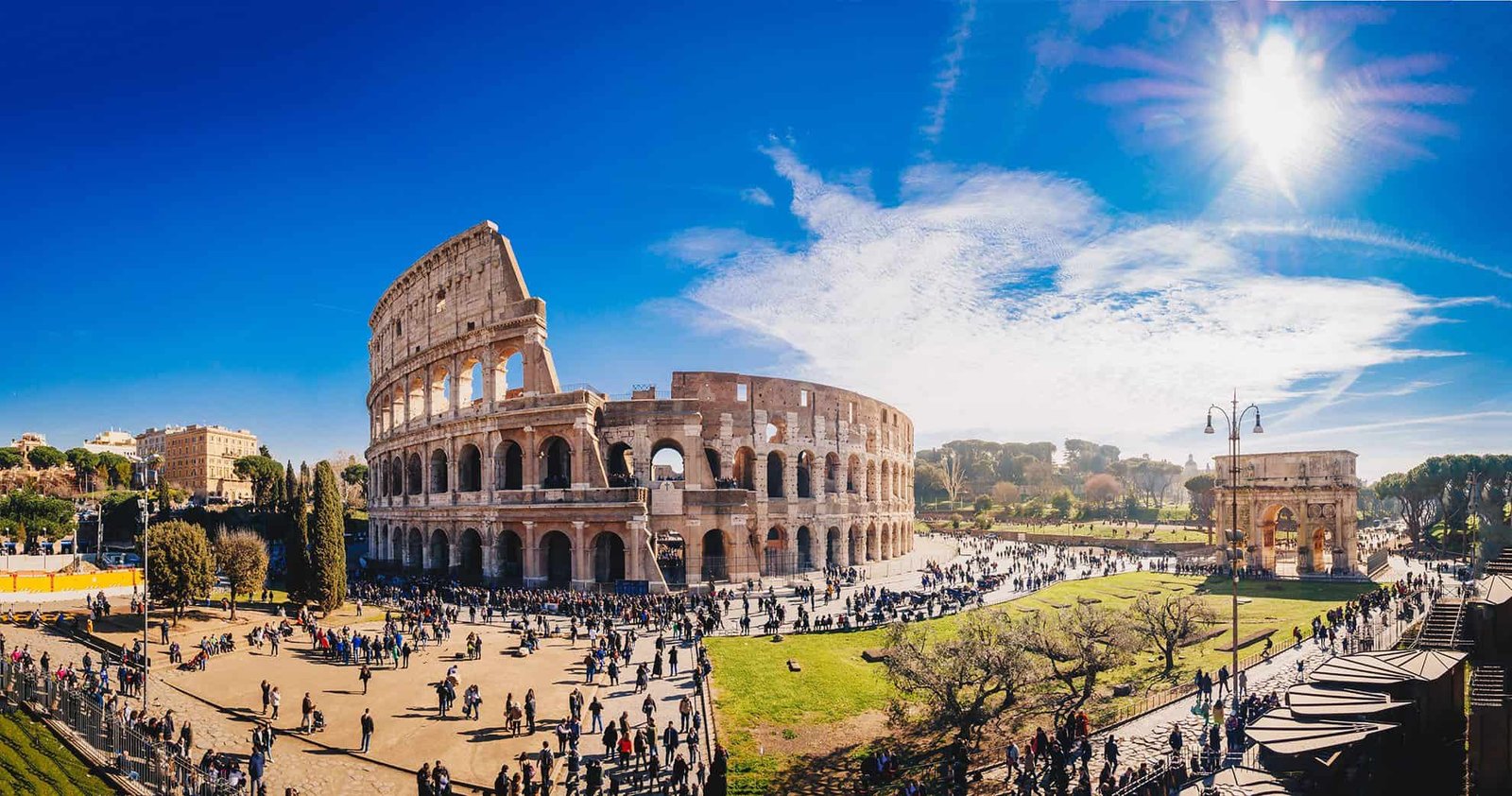

The second refuge is churches, with a warning: they warm the spirit more than the body. The heritage is enormous, from early Christian mosaics to Baroque chapels, and in the section on sacred art in Rome you’ll find the pages to choose from. In December many churches set up nativity scenes, some historic and some artistic, and the visit gains an extra meaning. Remember they are places of worship: during services you stay at the back or come back later, and shoulders and knees must be covered, which comes naturally in winter.
The third refuge, the nicest one, is hot water. Lazio is a volcanic and thermal region: between Tivoli, the Tuscia and the coast there are establishments with spring-water pools and outdoor tubs where you sit at 35 degrees while outside it’s 8. Our page on the thermal baths near Rome collects the pages with addresses and links. Hours, prices and access rules change often: the operator’s website is what counts. Bring a swimsuit, slippers, a cap if required and a bathrobe, and above all a wool hat for the walk out, when wet hair meets the January air.
Finally there are the minor refuges, which Romans use every day: the counter of a bar for a coffee standing up, a thick hot chocolate in a pastry shop, a plate of soup in a trattoria. To choose where to eat without leaving it to chance, you can start from the Estate Romana restaurant map and book with TheFork, especially useful on December weekends, when places in the center fill up early.
How to organize your winter days in Rome?
The golden rule of winter in Rome is to start early. With sunset around five in the afternoon, outdoor sites go in the morning and the first hours of the afternoon. Many close earlier than in summer, and last entry is moved up. The winter hours of the Colosseum, Roman Forum, Palatine and the archaeological parks are on the operators’ websites, and it’s best to check them the day before. The evening is the time for museums with extended hours, when there are any, for lit-up churches, for walks between Piazza Navona and Campo de’ Fiori.
Clear days should be used for long outdoor time. The Appia Antica in winter is splendid when the sun is out: raking light on the basoli, green countryside, few people. But it’s an exposed walk, with little shelter and stretches of uneven ground that turn muddy after rain. The advice is to go the day after a dry day, with waterproof shoes, leaving by late morning to have enough light for the way back. Ostia Antica and Hadrian’s Villa follow the same logic: sun and the right shoes, otherwise you postpone.
What changes if it rains? You shorten the walking and lengthen the stops. A rainy day is organized around two or three museums close to each other, with lunch in between, and keeping transfers short. Public transport in the rain is slower and fuller: a taxi ride between two museums sometimes saves an hour. If you want an organized indoor experience, you’ll find offers on GetYourGuide, from cooking classes to underground experiences, and tickets for museums and attractions on Tiqets
.
For families with children, winter in Rome calls for more frequent breaks and a slower pace. Little ones feel the cold before adults and get tired sooner on the sampietrini: two activities a day, a hot lunch sitting down and an indoor snack are the right measure. Couples have the opposite advantage: winter evenings, with the city quieter, are the occasion for a long dinner and a walk among the lit-up fountains. A group of friends should book restaurants for big tables in advance, especially on Saturday.
Where to stay in winter
In winter the location of the hotel matters more than in summer. A hotel 10 minutes on foot from the historic center lets you go back in the middle of the day, change your socks, leave the down jacket and head out again. The most convenient areas are the historic center, Monti and the area around Termini for those arriving by train, Trastevere for those looking for evening life. You can compare availability on Hotels.com and on Booking.com, checking in the reviews that the heating really works: in historic buildings it can’t be taken for granted.
When to order what you’re missing
If your departure is near, it’s best to order right away the clothes and accessories you’re missing, so you can try them before the trip, especially shoes. The estimated delivery date at the moment of the order is what counts. It changes from product to product and gets longer in the weeks before Christmas. If you’d rather receive something directly in Rome, ask the hotel first if it accepts packages in guests’ names and put the name of the property and your arrival date in the address. Shoes, though, are never bought the day before.
What to buy before leaving for winter in Rome
The lists that follow lead to searches, not to a single item: models come and go, colors run out, and this way the reader always has more alternatives to choose from. For each category we list at least three. Read the reviews carefully, especially for sizes, real waterproofing and weight.
To wear
- Light compressible down jacket (alternative · more): the warm layer that rolls up into your backpack when you walk into a heated museum.
- Waterproof jacket (alternative · more): the shell to wear over the down jacket on rainy days, best with an adjustable hood.
- Merino thermal shirt (alternative · more): thin, warm even when damp, it doesn’t hold odors after a day of walking.
- Waterproof city shoes: a sole that grips wet basalt and an upper that keeps out puddle water.
- Thermal socks (alternative · more): feet are where the cold of marble floors gets in first.
Accessories against the cold
- Cashmere scarf (alternative · more): light, warm, elegant enough for dinner.
- Wool scarf (alternative · more): the sturdier alternative for north wind days.
- Wool hat: essential when leaving the thermal baths and on panoramic terraces.
- Touchscreen gloves: to check the map or take photos without exposing your hands.
- More touchscreen gloves: other sizes and materials, from wool to padded windproof models.
- Rechargeable hand warmer: in your pocket, useful in cold churches and at bus stops.
For the rain and the day out
- Compact windproof umbrella (alternative · more): the cheap ones bought on the street flip inside out at the first gust.
- Anti-theft city backpack (alternative · more): hidden zippers, useful on the crowded transit of rainy days.
- Coffee thermos: for the Appia Antica or a day at Hadrian’s Villa, where there are few cafes.
- Insulated bottle (alternative · more): it keeps tea hot and you refill it at the drinking fountains when spring comes back.
- Compact power bank: in the cold the phone battery drains faster.
To read
- Guidebooks to Rome: to leaf through in the evening at the hotel to prepare for the next day.
- Books on the history of ancient Rome: to arrive at the Forums knowing what you’re looking at.
- Books on the churches of Rome: useful for choosing which basilicas and chapels to put in the program.
Experiences and bookings
- Rome museum tickets on Tiqets: to get in at the time you chose without lines in the cold.
- Experiences in Rome on GetYourGuide: indoor activities for rainy days.
- Restaurant booking with TheFork: to have a guaranteed warm table on Saturday night.
- Hotels on Hotels.com: to compare properties near the historic center.
Frequently asked questions
Is it really cold in Rome in winter?
Less than in northern Italy, more than you’d imagine. The average January lows at Ciampino are about 3 degrees and the highs about 12, but humidity and wind make temperatures feel lower. Churches and underground sites are often cold even when the sun is out, so you need layers to take off and put back on.
What’s the best month for winter in Rome?
In our opinion the second half of January. After the Epiphany the holiday crowd leaves, museums are quiet and hotels are easier to find. December has the Christmas atmosphere and the nativity scenes, but also the peak of visitors. February is variable, with mild days alternating with cold snaps.
Does it snow in Rome?
Rarely: on average less than once a year, with February as the most likely month. The last major snowfalls in the city were on February 3-4, 2012 and February 26, 2018. When it happens, transport slows down and some outdoor sites may close, so it’s good to keep an indoor backup plan.
Do I need hiking boots for winter in Rome?
No, you need closed, waterproof shoes with a sole that doesn’t slip. The sampietrini and wet basalt are treacherous, and canvas shoes soak through at the first puddle. A pair of waterproof city shoes that are already broken in is enough even for the Appia Antica, as long as the ground isn’t too muddy.
What time does it get dark in Rome in winter?
Around five in the afternoon. At the solstice, on December 21, the sun sets around 16:42 and rises around 7:34, for about nine hours of light. That’s why it’s best to put outdoor sites in the morning and leave museums, churches and lit-up walks for the evening.
Are museums free in winter?
Only on some dates. On the first Sunday of every month state cultural sites, like the Colosseum, the Pantheon and the Baths of Caracalla, are free thanks to the Ministry of Culture initiative. Booking is recommended or required depending on the site. On other days the prices published by the operators apply.
Where can I go to thermal baths near Rome in winter?
Lazio has several thermal towns reachable in a day, between Tivoli, the Tuscia and the coast. The pages in our section on thermal baths collect addresses and links. Hours and prices should be checked on the operator’s website. Bring a wool hat for the walk out: wet hair in the cold is the quickest way to get sick.
Who wrote this and from which sources
The text comes from the editorial team of Tour Leader Pro, the Rome-based company that designs itineraries, visits and cultural events across Rome and Lazio. Climate data come from the Atlante climatico of the Aeronautica Militare for the Roma Ciampino station, the free openings from the Ministry of Culture website and the sunrise and sunset times from the astronomical tables for Rome, as of the date shown at the top. Let us know what you find has changed.
Organizing a winter trip to Rome, alone or with a group of friends, means dealing with few hours of light, a few rainy days and properties to choose carefully: a well-heated hotel, booked restaurants, museums placed in the right hours. For those planning for several people, a useful resource for people organizing group trips is Tour Leader Pro. If the trip extends to Lazio, between thermal baths, Tuscia villages and the Castelli Romani, a useful resource for putting together a multi-day itinerary is Italy Planner.