Teatro Ghione
In short. Teatro Ghione is at Via delle Fornaci 37, in Rome, on a stretch of street that climbs from the Vatican toward the Janiculum, in the Aurelio neighborhood and a step from the Borgo rione.
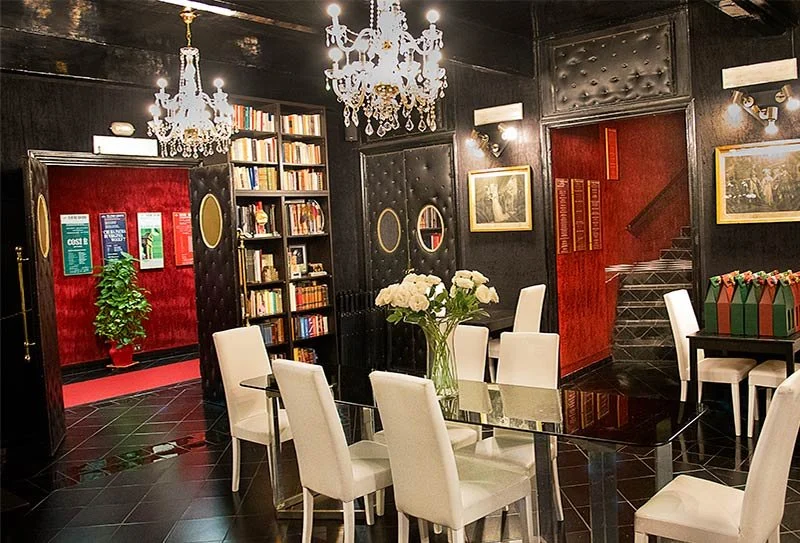
Teatro Ghione is at Via delle Fornaci 37, in Rome, on a stretch of street that climbs from the Vatican toward the Janiculum, in the Aurelio neighborhood and a step from the Borgo rione. Coming out of Saint Peter's Square and taking Via di Porta Cavalleggeri, you reach it on foot in a few minutes, with Bernini's colonnade still behind you and the bulk of Castel Sant'Angelo visible along the way. It is a small theater by Roman standards, fewer than 500 seats in a single hall, but with a history that weaves together the name of an actress, an English pianist and the musical vocation of the capital in the decades when chamber music was looking for spaces other than the big opera houses. Today the program alternates classic and contemporary drama, concerts, dance and shows for families, in a building that has kept the intimate atmosphere with which it was conceived when it opened.
Anyone visiting the Vatican and the Vatican Museums on the same day finds an evening stop here within easy reach, and anyone moving between Saint Peter's Basilica and the Janiculum passes a few dozen meters from its entrance anyway. It isn't a theater born to be at the center of tourist attention, and that is exactly why those who discover it often describe it as a surprise: an intimate hall, with a mixed audience of Romans, people who work in the Vatican world and passing travelers, set in a neighborhood that lives at a different rhythm from the constant comings and goings of Saint Peter's Square. This page reconstructs its history, its place in the urban fabric between Borgo and Aurelio, the hall and the program, with all the practical information useful to those who want to combine an evening at the theater with a day dedicated to the Vatican.
Where Teatro Ghione Is and How to Really Get There
The theater stands at Via delle Fornaci 37, postal code 00165, in the Aurelio neighborhood, on the side of the Janiculum hill that slopes down toward the Vatican walls. The name of the street tells its craft origin: here, before the area became residential, worked the kilns that produced bricks for Roman construction, in an area right next to Vatican City that until the 1800s was largely urban countryside. Today Via delle Fornaci connects Largo del Gelsomino and the top of the Janiculum with the Porta Cavalleggeri area and the Vatican wall perimeter, and it is walked daily by people climbing the hill for the view over Rome or heading down toward Saint Peter's.
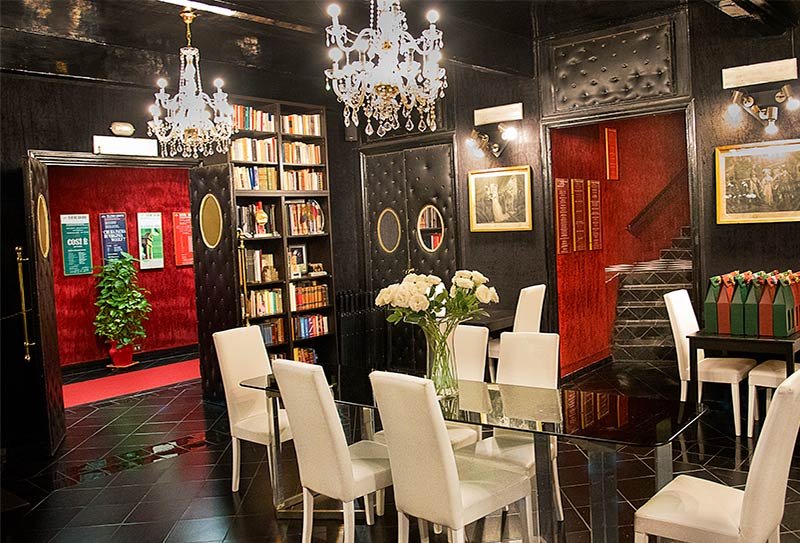
On Foot from Saint Peter's and the Vatican
The most direct route starts from Saint Peter's Square: you take Via di Porta Cavalleggeri, run along the stretch of Vatican wall on the south side, and climb slightly to the intersection with Via delle Fornaci. It's about 10 minutes of easy walking, on a gentle uphill, with less traffic than Via della Conciliazione. Coming from Castel Sant'Angelo adds a good quarter of an hour, again on foot, following the Lungotevere and then climbing back toward the hill. It's the route I recommend to anyone with an evening at the theater who wants a real Roman walk first, without having to think about parking.
By Bus, Taxi and Parking in the Area
The area is served by several public transport lines that run on Via Aurelia and near Piazza della Rovere and Piazza del Risorgimento, with stops within walking distance of the theater. Those who prefer a taxi find it convenient to give as a reference Largo del Gelsomino or the intersection between Via delle Fornaci and Via Aurelia Antica, points every Roman taxi driver recognizes without hesitation. For those arriving in their own car, parking is the real knot of the evening: the area around the Vatican is a limited traffic zone in several stretches and free spots on the street are scarce, especially on show nights. The practical advice is to arrive at least half an hour early and allow for a few empty laps before finding a gap, or to consider a paid car park in Piazza del Risorgimento area and finish the trip on foot. It's less than 15 minutes of walking and you avoid the frustration of hunting for a spot right in front of the theater.
From the Airports and the Rest of Rome
Anyone coming from outside Rome to see a show at Teatro Ghione, maybe taking advantage of a stay concentrated into a few days, has to allow for transfer times from the capital's main airports. From Fiumicino airport the trip to the Vatican generally takes between 40 minutes and an hour, depending on traffic and the means chosen, while from Ciampino the times are generally shorter. Anyone staying in a hotel in the historic center, in Prati or in the Aurelio area itself will find the theater reachable in a few minutes, thanks to a position that is off the big arteries but very close on foot to the heart of the Vatican city.
From the Grande Raccordo Anulare
Anyone driving from the rest of Lazio and taking the Grande Raccordo Anulare finds several useful exits for reaching the area. The one on Via Aurelia lets you head straight down toward the Aurelio neighborhood and from there climb back in a few minutes to Via delle Fornaci, avoiding having to cross the historic center at the busiest hours. It's the route I recommend to those coming from the Castelli Romani or from northern Lazio who don't want to get lost in the maze of one-way streets in the center of Rome before an evening show.
The Aurelio Neighborhood and the Borgo Rione Around Teatro Ghione
Via delle Fornaci marks almost a symbolic border between two different souls of Vatican Rome. On one side the Borgo rione, the walled quarter wanted by Pope Leo IV in the Middle Ages to protect Saint Peter's Basilica, with its narrow streets and the memory of the passetto that once connected the Vatican to Castel Sant'Angelo. On the other the Aurelio neighborhood, more modern, grown during the 1900s along the axis of the ancient Via Aurelia and on the slopes of the Janiculum. Teatro Ghione sits exactly at this hinge, close enough to the Vatican to breathe its atmosphere, far enough into Aurelio to have the quiet character of a Roman residential neighborhood.
From Borgo to the Janiculum, a Walk Before or After the Show
Those with time before the show can climb Via delle Fornaci to the top of the Janiculum, where the Faro lookout and the monument to Giuseppe Garibaldi offer one of the widest views over Rome, with the dome of Saint Peter's in the foreground and the rest of the city opening toward the horizon. It's a walk of about 20 minutes at an easy pace, uphill but without demanding stretches, which many Ghione spectators consider a real prologue to the theater evening. Going down toward the Tiber instead you meet the Borgo rione proper, with its streets that still carry names tied to the history of medieval pilgrims, and further on Castel Sant'Angelo, which with the Vatican once formed a single defensive system connected by the famous passetto.
The Aurelio Neighborhood, Between 1900s Building and Local Life
The Aurelio neighborhood, which gives its name to the larger administrative district XIII of the city, developed during the 1900s along the route of the ancient Via Aurelia, the consular road that connected Rome to the Tyrrhenian coast and then to Gaul. Unlike the Borgo rione, with its compact medieval fabric and narrow streets, Aurelio has a more modern layout, with residential apartment buildings built mostly between the 1920s and the 1960s, older Liberty villas near the Janiculum and a neighborhood commercial fabric designed for those who live there year-round more than for passing tourism. It is in this context, halfway between the solemnity of the Vatican and the daily life of any Roman neighborhood, that Teatro Ghione has built over the years its most loyal audience, made largely of residents of the area who return season after season.
Trastevere and the Vatican Museums, Two Opposite Directions from the Same Street
From Teatro Ghione you can choose which direction to continue the evening or the day. Going down toward the Tiber and crossing the river you reach Trastevere, with the Museo di Roma in Trastevere and the climb that leads to San Pietro in Montorio, whose terrace offers another panoramic point over the city. Going back up toward the north, along the Vatican walls, you reach the Vatican Museums and, when they are open to the public, the Vatican Gardens. Teatro Ghione, in short, is not an isolated outing but a natural piece of any itinerary that holds together the Vatican, the Janiculum and Trastevere in a single Roman day.
Those with more days available can also think of an itinerary reversed from the usual one: start the day by climbing the Janiculum to enjoy the city still quiet in the morning, then go down toward the Vatican for the visit to the basilica and the museums in the middle hours, and close the evening right at Teatro Ghione, a few steps from the starting point. It's a loop route that avoids retracing your steps several times and makes the best use of the concentration of attractions that characterizes this portion of Rome, where in a relatively small space you find the great Christian basilica, one of the most loved lookouts of the Romans and a theater with more than 40 years of history.
The Borgo Rione, the Leonine Walls and the Passetto
The Borgo rione, which borders the southern stretch of Via delle Fornaci, is one of the oldest rioni of Rome in function, even if the official name entered administrative use only in the 1800s. Its origins go back to the city wall that Pope Leo IV had built in the ninth century to protect Saint Peter's Basilica from Saracen raids, the so-called Leonine walls, which still partly mark the border of the Vatican City State today. From those same walls departs the famous passetto, the raised corridor that connected the Vatican to Castel Sant'Angelo and that over the centuries served several times as an escape route for popes in moments of danger, the best known of which was the Sack of Rome in 1527. Walking from Via delle Fornaci toward the Vatican therefore means crossing one of the most layered urban fabrics in the city, where every stone tells a different piece of the history of Rome and of the papal seat.
The History of Teatro Ghione, from the Old Hall to the 1982 Opening
Teatro Ghione was born from the transformation of a pre-existing theater hall on Via delle Fornaci, bought on December 9, 1980 by the actress Ileana Ghione, who gave it her own surname and made it the project of her artistic maturity. Ileana Ghione, born in Cortemilia in 1931 and trained at the Accademia Nazionale d'Arte Drammatica in Rome under Sergio Tofano, had built in the 1950s and 1960s a popular television career, with performances in serials such as Jane Eyre and David Copperfield, before devoting herself to the theater as an entrepreneur as well as a performer. After the purchase and the renovation work, the hall reopened to the public in 1982 with the name it still carries today.
From an Old Theater Hall to a Theater with a New Name
Before Ileana Ghione's purchase, the building on Via delle Fornaci already housed a theater hall, located on a street that during the 1900s had seen the residential fabric of the Aurelio neighborhood grow around it. The operation carried out in 1980 was therefore not the construction of a theater from nothing, but the deep transformation of a space already meant for performance, renovated and rethought according to a completely new design and aesthetic, until the reopening to the public with the name Ghione in 1982. It's a story common to several mid-size Italian theaters, where the relaunch of a pre-existing hall has often proved more sustainable, both economically and in urban planning terms, than building an entirely new structure in an already established neighborhood like Aurelio.
Ileana Ghione, from 1950s Television to the Theater on Via delle Fornaci
Ileana Ghione was born in Cortemilia, in the province of Cuneo, on January 15, 1931, and trained in Rome in the 1950s at the Accademia Nazionale d'Arte Drammatica under the guidance of Sergio Tofano, one of the masters of Italian direction of the 1900s. Her career took off with the television of the first decades, when black-and-white serials brought adaptations of great classics of literature into Italian homes. Ghione played Jane Eyre in 1957, appeared in an adaptation of David Copperfield in 1965, acted in The Buddenbrooks in 1971 and in Madame Curie in 1966, becoming in those years a very popular face of Italian televised drama. She also starred in Come le foglie by Giuseppe Giacosa alongside Tino Carraro, one of the most remembered collaborations of her stage career. When in the 1980s she decided to invest in the hall on Via delle Fornaci, she brought to that project the experience of a whole life spent between television sets and stages, turning from performer into theater entrepreneur at a time when opening a private theater in Rome was not a simple undertaking from an economic point of view.
Christopher Axworthy, Eugenio Guglielminetti and the Victorian Taste of the Hall
From the founding, the management of the theater was shared between Ileana Ghione and Christopher Axworthy, an English pianist who brought to the programming a marked vocation for chamber music, with concert seasons that in the following decades came to count about 40 events a year, concentrated above all on young talents of exceptional level and on the great names already acclaimed on the major international stages. The hall was redesigned by the set designer Eugenio Guglielminetti, who gave it an elegant, slightly London atmosphere, with velvets, wood paneling and a furnishing taste that recalls Victorian aesthetics more than that of the Roman theaters of the same period. It's a character that still distinguishes the Ghione from most of the capital's halls today, almost a theatrical salon more than an Italian-style theater in the strict sense. This stylistic choice was not casual: it reflected the wish of the two founders to create a space resembling more the small London chamber theaters, where Axworthy had trained musically, than the big 1800s Italian-style theaters found in the rest of the city.
The Theater After the Founder's Death
After Ileana Ghione's death in 2005, the theater had to reinvent its direction while keeping the stamp given by the founder, continuing to offer a program that holds together drama, music and attention to the audience of families and schools. Continuity with the original spirit, more than with any single management, is the key that has let the hall on Via delle Fornaci stay active without interruption for more than four decades in one of the dearest and most central neighborhoods of Rome, a result far from guaranteed for a small private theater.
The Hall and the Capacity of Teatro Ghione
Teatro Ghione has a single hall with 468 seats in all, divided between 335 armchairs in the orchestra and 133 seats in the gallery, a capacity that places it among the small to mid-size theaters of Rome and that explains the feeling of intimacy that those who go to see a show there almost always point out. It isn't a theater designed for big productions with hundreds of extras, but for chamber drama, musical recitals, monologues, dance in small ensembles: a format that in recent decades, with the rising costs of theater productions, has found more than one reason to hold on and even to establish itself as a credible alternative to the major stages.
It should be said clearly that a capacity of 468 seats, however small compared to the big Italian resident theaters, is far from negligible for a private theater run without the support of a permanent public body. It means that every show night, to be economically sustainable, has to attract a number of spectators comparable to that of a mid-size neighborhood cinema. It is one of the least visible but most concrete balances that the theater's management faces season after season, and it explains why the program tends to diversify among different genres instead of betting on a single type of show.
Orchestra, Gallery and Sightlines
The division between orchestra and gallery follows the classic scheme of Italian-style theaters on a reduced scale, with the gallery offering a slightly raised view of the stage, useful for those looking for an overall view of the scene rather than the close involvement of the orchestra. When booking tickets, if the show allows it, it's best to state your preference: those bringing small children or people with hearing difficulties will find the central orchestra the most comfortable choice, those who like to observe the scenery as a whole will appreciate the gallery.
The small size of the hall has another practical effect worth pointing out: at the Ghione there are none of the truly uncomfortable seats typical of big halls, the ones very far from the stage or squeezed against a column. Even the last row of the gallery keeps a direct line of sight to the scene, an aspect that makes the theater especially appreciated for chamber recitals and for drama with few performers, where the closeness between audience and actors is part of the experience of the show itself.
A Theater Born for Chamber Music, Not Only for Drama
The hall was conceived from the beginning taking into account the acoustic needs of the chamber concert, a genre that requires a different sound from the great symphony orchestra or from opera. It is one of the reasons why the Ghione, while remaining a drama theater to all effects, has continued over time to host cycles of piano and chamber concerts, staying faithful to the approach wanted by Christopher Axworthy from the early 1980s.
How Ticket Buying Works
Ticket prices at Teatro Ghione vary according to the show, the date and the seat chosen in the hall, with differences between orchestra and gallery and reductions often available for students, groups and subscribers. There is no fixed fare valid for the whole season, because each production, from drama to the chamber concert to the musical shows most demanding in terms of staging, has its own pricing policy. The most reliable way to know the exact cost of a specific show remains consulting the theater's official website or calling the box office directly, especially for those who want to weigh the value of a subscription against buying single tickets.
The Teatro Ghione Program: Drama, Music and Dance
The Teatro Ghione listing alternates by season works from the classic repertoire, from Oscar Wilde to Luigi Pirandello, from William Shakespeare to Carlo Goldoni, with contemporary productions, light comedies and shows designed for a family audience, often with the presence of familiar faces from Italian television to bring younger people to comic theater first and to more structured comedy afterward. Alongside drama the hall hosts seasons of concerts, dance and musical productions of wider scope. Recent seasons have listed titles like Carmina Burana, Peter Pan and tribute nights dedicated to rock repertoires and classical composers, a sign of a program that doesn't close itself into one genre but tries to hold together different audiences in the same space.
The Chamber Concerts, Legacy of the Ghione's Musical Vocation
The musical vein of the theater, wanted from the beginning by Christopher Axworthy, has brought to the Ghione stage over the years leading names of international classical music, in seasons that favored young talents of exceptional level as much as performers already acclaimed on the world's major stages. It's a feature that distinguishes the theater from most Roman drama halls, and that is still reflected today in a program that reserves space for piano recitals and chamber concerts alongside drama and dance shows.
Dance and Mixed Productions
Besides drama and music, the hall has also hosted over time dance productions in small ensembles, consistent with the size of the stage and with the theater's general vocation of favoring shows where the closeness between performers and audience remains an added value rather than a limit. It isn't a theater designed for big choral choreographies that require stages of industrial size, but for smaller ensembles, where the gesture of the single dancer stays readable even from the last row of the gallery.
A Look at the Most Recent Seasons
The seasons of recent years confirm this mixed approach: alongside drama titles and light comedies designed for a wide audience, the listing has offered productions like Carmina Burana in a theatrical version, an adaptation of Peter Pan designed for families, and tribute nights dedicated both to the rock repertoire, with homages to historic bands like Pink Floyd, and to the great classical composers. It is a balance between different genres that lets the theater speak to very different audiences within the same season, without ever fully abandoning the original approach wanted by the founders.
Theater for Schools and Families
A not secondary part of the Ghione's program has looked for years to school and family audiences, with the declared goal of bringing young people to comic theater first and to more structured comedy afterward, often placing in the cast actors also tied to the television world to make the show more immediate for a young audience. This attention translates into stable collaborations with the schools of the area and into matinees designed specifically for classes, a tradition rooted in the same cultural mission with which the theater was conceived in the 1980s.
A Curiosity About Teatro Ghione
Few people, walking past the entrance on Via delle Fornaci, know that the name of the theater doesn't indicate a dynasty of theater impresarios but a single person, an actress who in 1980 decided to invest her own savings and her own reputation in a hall in the Aurelio neighborhood instead of continuing only to act for others. Ileana Ghione had behind her an already solid television career when she bought the old hall on Via delle Fornaci. She could have remained a familiar face of the small screen, and instead she chose to become a theater entrepreneur at a time when opening a private theater in Rome, near the Vatican, was by no means a given from an economic point of view. The surname we read today on the sign is hers, not that of a family of impresarios handing down the business for generations, as happens with other historic theaters in the city.
Then there's a second little-known aspect: the choice of the partner with whom to share the project. Ileana Ghione didn't bring in beside her another actor or a drama director, but an English pianist, Christopher Axworthy, who brought into the new hall a musical stamp destined to become one of the theater's most original features. It's an unusual combination, an Italian actress and a British musician, which explains why the Ghione, unlike almost all other Roman theaters of similar size, built over time a real concert season parallel to the drama one, able to attract a specialized audience that would hardly be found in a theater designed only for acting.
Something Nobody Tells You About Teatro Ghione
What is rarely told is how much the position of Teatro Ghione, so close to the Vatican, made it for decades a reference point also for an audience that has little to do with Italian drama: clergy, officials of the Holy See, passing pilgrims who stay a few days in Rome and look for a cultural evening a few minutes' walk from their lodging. It's no small detail for a theater of modest size: it means the hall lives side by side, night after night, with a mixed audience of Romans who love theater, tourists who happen to be in the area and people tied to the Vatican world who find here a show without having to cross half the city. It's a silent coexistence that almost never appears in reviews, but that anyone who works regularly at the Ghione box office knows well.
A second element little told concerns the relationship between the theater and the schools of the area. For years the program has reserved space for matinees and for paths designed specifically for classes, with the declared goal of bringing the youngest to comic theater first and to more structured comedy afterward. It isn't a function you see from the evening listing advertised online, but it is an important part of the hall's daily activity, and it is probably one of the reasons why the theater has managed to stay open without interruption for more than 40 years in an area where the running costs of a property have never been low.
My Advice for Visiting Teatro Ghione
If you have a day dedicated to the Vatican planned, it's best to book the Ghione show for the evening of the same day instead of treating it as a stand-alone outing. The walking distance from Saint Peter's Square is so short that it becomes natural to close the day with a theater stop without having to reorganize your movements. Arrive with time to spare, because the area around the Vatican empties slowly after the museums and basilicas close, and one more walk on Via delle Fornaci before the show, maybe climbing toward the Janiculum for a first look at the city lighting up, is worth as much as the show itself. Always check the box office opening hours on the official website before leaving the house, because they vary between weekdays and Sunday, and if you bring your dog know that the theater offers a dog sitting service, a convenience very few Roman halls of this size provide.
A second piece of advice concerns choosing your seat in the hall if the show is a concert or a piano recital: given the small size of the orchestra, even the central rows not too close to the stage give a balanced listening experience, while for drama, where the text and the gestures count as much as the voice, it's better to aim for the first rows of the orchestra if possible. If you travel with children for one of the shows designed for families, find out in advance the actual length of the performance. The productions for the youngest audience at the Ghione tend to stay short precisely so as not to test the attention of the little ones, but it's always better to know before organizing the evening around dinner time.
Finally, if your Roman stay includes more than one evening at the theater, it's worth asking about the subscription formulas offered by the Ghione for the current season: those who follow more than two or three shows in the same theater year almost always find better conditions than buying single tickets, and it's information the box office gives gladly even by phone.
Another Well-Known Fact, Yet Rarely Cited
It's known to Roman theater lovers, but rarely ends up in popular texts, that Teatro Ghione is accessible to people with disabilities, a far from obvious aspect for a hall carved out of a pre-existing building on an uphill street like Via delle Fornaci. The choice to guarantee accessibility, maintained over time through upgrades of the structure, has let the theater remain a practicable destination also for those who move with difficulty, in a neighborhood where the difference in height between the Vatican and the top of the Janiculum makes mobility a far from theoretical issue. It's a detail worth checking in advance by contacting the box office, but it places the Ghione among the halls of the capital most attentive to this aspect, alongside a program that over the years has always looked also to the audience of schools and families.
Equally little cited is the fact that the theater, besides the drama and music season, makes its hall available for rental for private events and for the activity of an in-house theater workshop, open to those who want to approach acting without necessarily aiming at a professional career. These are activities that live alongside the main program without ever becoming its public face, but that explain why the theater manages to stay alive even in the periods of the year when the drama and concert listing is thinner, as typically happens in the summer months in almost all indoor halls of the capital.
The Right Photo to Take at Teatro Ghione
The photo worth taking isn't the one of the facade, sober and not very photogenic on a narrow street, but the one of the interior of the hall seen from the gallery, with the orchestra armchairs lit before the show begins and the dark velvets of the furnishings that convey well the period atmosphere wanted by Eugenio Guglielminetti in the years of the renovation. If the show allows it and the theater gives permission, that shot tells the character of the Ghione much more than an exterior image: a small Italian-style theater in miniature, with a furnishing taste that recalls a London salon more than a Roman hall. Alternatively, those leaving the show with time still ahead can climb the few minutes that separate Via delle Fornaci from the top of the Janiculum and photograph from up there the lit dome of Saint Peter's, a way to close the evening with an image that holds together the theater just left and the neighborhood that hosts it.
Those who prefer a simpler photo, to be taken without having to ask any special permission, can stop at the intersection between Via delle Fornaci and Via di Porta Cavalleggeri: from there you see at the same time the stretch of Vatican wall and the start of the street leading to the theater, a framing that tells well the position of the Ghione straddling the Vatican world and the Aurelio neighborhood without needing to enter the hall. It's the right image to use to explain to someone who doesn't know Rome where this theater really is, much more effective than a simple pin on the map.
Some Important Events That Happened Here in History
Among the moments that mark the history of Teatro Ghione there is a musical one and a dramatic one, both tied to the theater's vocation and to the figure of its founder. In 1984, two years after the opening of the hall with the new name, the pianist Vlado Perlemuter made his Italian debut on the Ghione stage at the age of 80, an event that immediately consecrated the theater's concert vocation wanted by Christopher Axworthy and that long remained a reference point in the hall's memory.
December 3, 2005, the Death of Ileana Ghione on Her Own Stage
On December 3, 2005 Ileana Ghione died in Rome of an aortic aneurysm while she was on stage in her own theater, during a performance of Euripides's Hecuba. According to the accounts of the time, the actress felt ill on stage, addressed the audience with the words "Excuse me, I'm not feeling well" before being helped and taken to the San Filippo Neri hospital, where she died shortly after. In 2001 she had received from the President of the Republic Carlo Azeglio Ciampi the title of Grand Officer of the Order of Merit of the Italian Republic for her commitment to the theater. Her death, which happened in the very hall she had founded 25 years earlier, remains the most cited episode when the history of the Ghione is told, and it is also the reason why the theater, after that date, had to reinvent its direction while keeping alive the stamp given by the founder.
40 Years of Uninterrupted Activity in a Private Theater
Another event should be read more as a process than as a single episode: the ability of Teatro Ghione to stay open, with a continuous program, for more than four decades after the 1982 opening, going through the changes of taste of the Roman theater audience, the crisis of small private theaters in the 1990s and 2000s, and the death of the founder midway through that path. Few Roman private theaters of the same era and the same size can show a similar continuity, and it's a fact to remember alongside the more anecdotal episodes when telling the story of the hall on Via delle Fornaci.
Who Has Played at Teatro Ghione
In the concert seasons wanted by Christopher Axworthy, performers of the very first rank of international classical music have appeared on the Ghione stage: the already mentioned Vlado Perlemuter, the harpsichordist and pianist Rosalyn Tureck, the cellist Paul Tortelier, the pianist Shura Cherkassky, the Hungarian pianist Annie Fischer, the Spanish pianist Alicia de Larrocha and the Russian pianist and conductor Mikhail Pletnev, to cite only some of the names that made the theater's music season an appointment followed well beyond the Roman audience.
The Founder on the Stage She Created
Alongside the concert performers, Ileana Ghione herself should be remembered, who kept acting in her own theater until the last days of her life, performing demanding texts of the classical repertoire like Euripides's Hecuba. Her constant presence on stage, not only as an entrepreneur but as an active actress, is one of the elements that makes the history of the Ghione different from that of many other Roman private theaters, run by people who organize the stage but don't necessarily tread it every night.
Christopher Axworthy, the Pianist Who Stayed on Stage for Decades
Alongside the great names hosted as performers, it should be remembered that Christopher Axworthy didn't limit himself to organizing the Ghione's music seasons from behind the scenes, but kept performing in person as a pianist over the years and personally handled the selection of the young talents to present to the Roman audience, maintaining a direct bond with the stage that has run through the entire history of the theater, from the founding years to the most recent seasons. It's a rare continuity in the landscape of Italian private theaters, where the person who founds a hall seldom remains artistically active inside it for so long a stretch of time.
Contemporary Drama, from Veronica Pivetti Onward
In the decades after the founder's death the theater has continued to host well-known names of Italian drama and entertainment. Among the most cited examples is the staging of Mortaccia, la vita è meravigliosa, presented at the Ghione from October 14 to 26, 2014 with Veronica Pivetti in the role of Death personified, alongside Oreste Valente and Elisa Benedetta Marinoni, a show that mixed music, mime and social criticism with an ironic and irreverent language, very far from the austere tones of the classical repertoire but perfectly in line with the theater's vocation to hold together different registers in the same season.
Useful Information for the Show at Teatro Ghione
Teatro Ghione is at Via delle Fornaci 37, 00165 Rome, and can be reached by phone at 06 6372294, with the box office generally open Monday to Saturday from 10:00 to 14:00 and from 16:00 to 20:00, and on Sunday in the afternoon until 20:00. Hours may vary depending on the period and the performances under way, so it's always best to check them before leaving the house. Tickets are bought online through the theater's official website or directly at the box office, and the season also offers subscription formulas for those who want to follow several shows in the same theater year. The hall is accessible to people with disabilities and is among the few in the capital to offer a dog sitting service for those who come to the theater with their own dog. The theater also has a room for private events and space rental, as well as a theater workshop aimed at those who want to approach acting outside the main stage.
For those organizing a trip to Rome that includes an evening at the theater alongside the more classic visits, two useful resources for planning the movements and timing of the day are Tour Leader Pro, designed for those who lead groups and look for professional organizing tools, and Italy Planner, useful for building an overall itinerary that holds together the Vatican, the Janiculum and evening stops like the one at Teatro Ghione.
Booking as a Group or for a School
Anyone organizing a group visit, be it a tour group, a party of friends or a school class, can contact the theater's box office directly to ask about dedicated rates and to reserve a block of seats in advance, an option that is particularly useful on the most requested dates of the season, when the small hall risks filling up quickly. It's common practice for small theaters like the Ghione, where the limited number of seats makes booking ahead almost always preferable to buying at the last minute, especially for shows with performers better known to the general public.
Direct contacts and checking the information
Since opening hours, prices and the show calendar can change from one season to the next, the most reliable source is always direct contact with the theater: the number 06 6372294, the email address info@teatroghione.it and the official website are the channels to check before planning your evening, especially for special events or productions with a particularly anticipated cast, when the demand for tickets can quickly exceed the capacity of the hall.
What to expect in terms of logistics
Since this is a theater created inside an existing building and not a structure built from scratch with all the spaces of a large modern theater complex, the common areas, such as the foyer and the restrooms, remain small. This is not a problem if you're looking for a classic night at the theater, but it's good to know if you arrive with a large group or plan to wait a long time before the show starts: the hall is best enjoyed by arriving with a reasonable margin of time but without expecting the waiting areas of a big opera house.
Teatro Ghione among the theaters of Rome
Rome has dozens of theater halls of different sizes and vocations, from the large resident theaters like the Teatro Argentina or the Teatro Quirino, able to host hundreds of spectators in a single evening, to small chamber halls hidden in residential neighborhoods. Teatro Ghione occupies a particular middle position: neither a large resident theater nor a simple basement room, but a medium-sized private theater with a program structured on a year-round basis, able to host both drama and classical music with a continuity that few theaters of similar size manage to maintain over time.
A unique position compared with the other Roman theaters near the Vatican
What truly sets the Ghione apart from most of the theaters in the capital is its geographic location: most of the historic Roman halls are concentrated in the historic center, between the rione Monti, the rione Esquilino and the area of Via Nazionale, or in the more modern neighborhoods east of the city. The Ghione, instead, remains one of the very few theaters permanently active in the area immediately adjacent to the Vatican, a fact that makes it an almost obligatory point of reference for anyone looking for an evening show in this part of Rome without having to cross the river or the historic center. It's a position that the theater has managed to turn into an identity, building over the years a loyal audience precisely among the residents of the Aurelio neighborhood and the rione Borgo.
The added value of a theater founded and run by an actress
It's also worth remembering that, among Rome's smaller theaters, relatively few were founded directly by a performer who kept acting inside it until the end of her life, as happened with Ileana Ghione. Many halls of similar size come instead from business or institutional initiatives further removed from the stage, with an artistic direction separate from the ownership of the building. The Ghione still preserves today, in its name and in the general approach of its program, the trace of that very personal origin, an element that makes it recognizable compared with many other halls in the capital.
Frequently asked questions about Teatro Ghione
Where exactly is Teatro Ghione?
Teatro Ghione is at Via delle Fornaci 37, in the Aurelio neighborhood of Rome, a few minutes' walk from Piazza San Pietro and the perimeter of the Vatican walls. The street climbs from the Vatican toward the top of the Janiculum, in a quiet residential area that is nonetheless very central relative to the capital's main attractions linked to the Vatican world.
How many seats does the hall at Teatro Ghione have?
Teatro Ghione has a single hall with 468 seats in total, divided into 335 seats in the orchestra and 133 seats in the gallery. It's a small capacity compared with the large Roman theaters, designed for drama, chamber concerts and dance productions with small casts, where contact between audience and stage stays close.
Who founded Teatro Ghione and where does the name come from?
Teatro Ghione is named after the actress Ileana Ghione, who on December 9, 1980 bought the existing hall on Via delle Fornaci and transformed it, reopening it to the public in 1982. The management was shared from the start with the English pianist Christopher Axworthy, who gave the program a strong musical vocation alongside drama.
What kind of shows can you see at Teatro Ghione?
Teatro Ghione offers a mixed program that alternates classic drama, from Wilde to Pirandello, from Shakespeare to Goldoni, with contemporary comedies, shows for families, classical and chamber music concerts, and dance productions. Recent seasons have included titles like Carmina Burana, Peter Pan and tribute evenings devoted to different repertoires, from rock to classical.
How do you get to Teatro Ghione from Piazza San Pietro?
From Teatro Ghione to Piazza San Pietro it's about a 10-minute walk, following Via di Porta Cavalleggeri along the perimeter of the Vatican walls to the intersection with Via delle Fornaci. It's the most direct route and the most recommended for anyone who wants to combine a visit to the Vatican and a theater show in a single evening, avoiding the parking problem in the area.
Is Teatro Ghione accessible to people with disabilities?
Yes, Teatro Ghione is accessible to people with disabilities, something the theater maintains through constant upgrades to the building. It's still a good idea to contact the box office before your visit to check the specific access conditions based on the show and the layout of the hall on that particular evening.
Is it true that great international pianists have played at Teatro Ghione?
Yes, over the course of its concert seasons Teatro Ghione has hosted performers such as Vlado Perlemuter, who made his Italian debut there in 1984 at the age of 80, as well as Rosalyn Tureck, Paul Tortelier, Shura Cherkassky, Annie Fischer, Alicia de Larrocha and Mikhail Pletnev, thanks to the musical program wanted from the founding by the pianist Christopher Axworthy.
Can you bring your dog to the theater at Teatro Ghione?
Teatro Ghione offers a dog sitting service for people who show up at the theater with their pet, a solution designed for those who don't want to give up the show but have nowhere else to leave the dog during the performance. It's still a good idea to ask the box office in advance about how the service works and its hours before booking tickets.
What happened to Ileana Ghione in her theater?
Ileana Ghione, the founder of Teatro Ghione, died on December 3, 2005 of an aortic aneurysm while on stage in her own theater during a performance of Euripides' Hecuba. She fell ill on stage, turned to the audience to apologize, and was taken to the San Filippo Neri hospital, where she died shortly after, 25 years after buying the hall.