Fregene (RM)
In short. Fregene (RM) is a coastal hamlet of the municipality of Fiumicino, in the Metropolitan City of Rome Capital, and is reached from the center of Rome in a little under 30 kilometers.
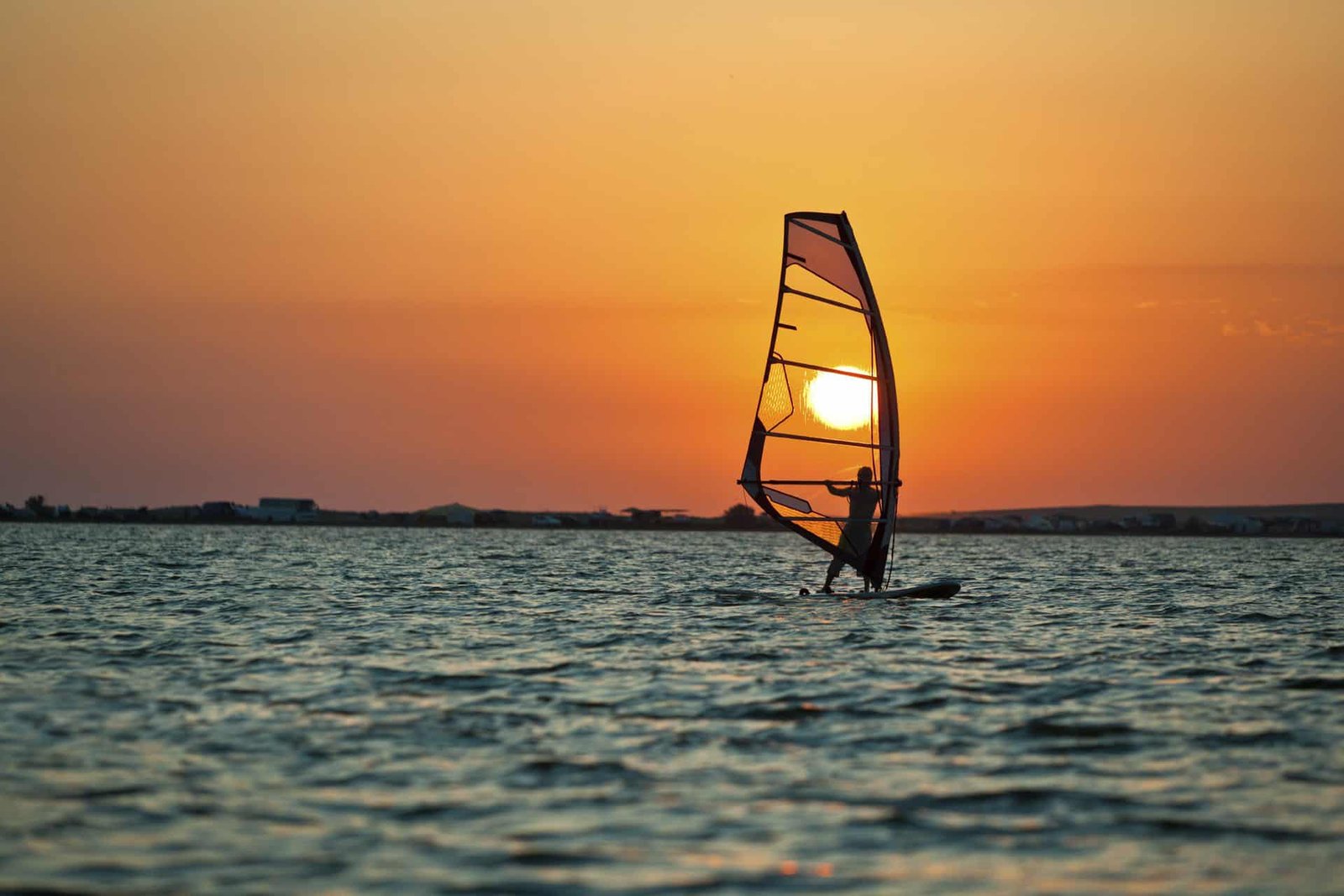

Fregene (RM) is a coastal hamlet of the municipality of Fiumicino, in the Metropolitan City of Rome Capital, and is reached from the center of Rome in a little under 30 kilometers. The beach runs for a few kilometers between the Ponente seafront and the Levante seafront, with a monumental pine forest behind it and, farther inland, the reclaimed countryside of Maccarese. For the 2026 beach season the municipality of Fiumicino set opening on May 16 and closing on September 20, with the possibility of continuing until September 30 under the conditions given in the ordinance. At the beach clubs lifeguard service must be provided from 9:00 to 19:00. Access to the waterline and the free beaches is free and requires no reservation. Umbrella and lounge chairs at the beach clubs are paid at list price and prices change from concession to concession and between weekdays and weekends, so they should be asked of the beach club directly. From Rome you arrive by car via the Aurelia (the Fregene-Cesano-Testa di Lepre and Fregene exits, the latter near Torrimpietra), via the A12 Roma-Civitavecchia highway (Maccarese-Fregene and Torrimpietra exits) and from Via Portuense by way of Via della Muratella. By public transport, you can take the Cotral line connecting Roma Cornelia, the terminus on metro line A, to Fregene and Fiumicino airport, or the FL5 regional trains to Maccarese-Fregene station, from which the city lines of the municipality of Fiumicino continue. Cotral timetables are subject to weekly updates and it's best to check them before leaving at the toll-free number 800 174 471.
What follows is a complete guide to Fregene (RM): the beach, the pine forest, the Villaggio dei Pescatori, the nature reserve, ancient and recent history, how to really get there and when it's worth doing so. If you're interested in the rest of the coast to the south, the page on Lido di Maccarese covers the twin stretch six kilometers away.

Where Fregene (RM) is and how to get there from Rome
Fregene occupies the stretch of Tyrrhenian coast immediately north of the mouth of the Tiber, between Maccarese and Passoscuro. The geographic fact that explains half the place is this: Via Aurelia, which elsewhere cuts in two the coastal towns of northern Lazio, here passes far from the sea. Fregene stays out of the through traffic, and whoever arrives does so because they decided to come, not because they're passing through. That's why internal traffic generally stays modest and why residents and vacationers get around by bike much more than elsewhere on the Lazio coast.
By car to Fregene (RM): the Aurelia exits and the A12
From the Aurelia you exit at Fregene-Cesano-Testa di Lepre, which is the closest exit to Rome, or at the Fregene exit near Torrimpietra, slightly farther north. Those coming from the Grande Raccordo Anulare or from the north of the city take the A12 Roma-Civitavecchia and leave the highway at Maccarese-Fregene or at Torrimpietra. From the south and from the Portuense and Magliana area you arrive by way of Via della Muratella, which joins the local road network of the municipality of Fiumicino. On July and August weekends the traffic jam almost always forms in the last three kilometers, on the roundabouts at the entrance to the town: leaving Rome before 8:30 saves a good three quarters of an hour.
By Cotral from Roma Cornelia to Fregene (RM)
The extra-urban public transport link is the Cotral line connecting Roma Cornelia, the terminus of metro line A, to Fregene and Fiumicino airport. It's the simplest way to arrive without a car: you get off at metro line A, take the bus at the surface terminus and arrive in town with no changes. Runs are spread throughout the day, with the first departures in early morning and the last in the evening, but the timetable is revised weekly and changes between weekdays, Saturdays and holidays: checking before setting out is a must, at the toll-free number 800 174 471 or on the company's official channels. The ticket is bought before boarding, at authorized outlets or with the operator's sales apps.
By train: Maccarese-Fregene station
Maccarese-Fregene station is on the Tyrrhenian railway and is served by FL5 regional trains, those that connect Rome to Civitavecchia and continue toward Montalto di Castro. Right here the historic route toward Ponte Galeria separates from the line opened in 1990 that passes through Roma Aurelia and Roma San Pietro: those arriving from San Pietro have less distance to cover than they imagine. From the station to the sea there are still a few kilometers, covered by the city lines of the municipality of Fiumicino, the MF and the Maccarese-Fregene circular, or by bike if you bring it on the train. It's the cheapest solution for a day at the sea starting from central Rome, and also the most reliable on August weekends, when the road clogs up.
Getting around by bike in Fregene (RM)
The bike in Fregene is not a recent fad. The town's street grid, planned at a desk in the years of the first beach development, is flat, orthogonal and short: from the seafront to the last row of villas behind the pine forest you pedal in 10 minutes. Many families who spend the summer here leave the car parked from Friday evening to Sunday afternoon. The practical advice: if you arrive by train, bring the bike on the regional and solve in one go the transfer from the station and the getting around. The racks in front of the beach clubs are few and in August always full, a decent lock is really needed.
Parking in Fregene (RM): where and when
Free parking along the internal streets exists, but on the central summer weekends it fills up by 10 in the morning. Some beach clubs have areas reserved for customers, other spaces are managed for a fee near the seafronts. Survival rule for those arriving by car: park farther from the sea than you'd like, and cover the last 500 meters on foot. The time lost circling the block is always more than that of the walk.
The beach at Fregene (RM): what it's really like
The sand at Fregene is dark, fine, of river origin: the Arrone brings it and the currents coming down from the north redistribute it. Anyone expecting the white of Sardinia will be disappointed, and anyone who knows the Roman coast knows this is the normal color of the Tyrrhenian coast between Civitavecchia and Circeo. The beach is wide, the seabed slopes gently for many meters and this makes Fregene a beach better suited to children than many rocky stretches of the northern Tyrrhenian. The coastline is oriented so that the sun sets straight into the sea, and it's a detail that shapes the whole evening economy of the town.
The Ponente seafront and the Levante seafront
The beach at Fregene (RM) is read along two road axes: the Ponente seafront, toward the north, and the Levante seafront, toward the south in the direction of the Arrone mouth and the Villaggio dei Pescatori. The Levante stretch is the one historically most tied to the world of cinema and to the beach clubs that built the town's fame. The Ponente one is longer, windier and has a few more free openings. Those looking for a quiet day aim north. Those looking for sunset with music and tables on the sand head down toward Levante.
The free beaches of Fregene (RM)
The free beaches exist, can be reached on foot from the openings along the two seafronts and require neither reservation nor ticket. They are, predictably, the stretches that fill first: anyone wanting a decent square meter of free sand in August arrives by 9. On the free beach there are no umbrellas for rent or restrooms, and the municipal ordinance bans leaving equipment on the beach after sunset: deck chairs and tents left on the beach in the evening are removed. The general ban on lighting fires and open flames on the beach also applies here, and it's not a formality: the pine forest behind burns with nothing.
The beach clubs of Fregene (RM) and the beach season
Fregene is one of the towns on the Roman coast with the highest density of equipped beach clubs, and some of these have a history as long as that of the local vacation scene. The 2026 season set by the municipality of Fiumicino runs from May 16 to September 20, with the possibility of continuing operation until September 30 in the cases provided by the ordinance. After September 20 lifeguard service becomes optional, which means that anyone swimming in late September does so at their own responsibility. During the season the concession holders must guarantee assistance to bathers from 9:00 to 19:00 and must provide accessible paths, dedicated parking and equipped umbrellas for people with disabilities. Price lists vary a lot: an umbrella with two loungers in the front row on the Sunday of Ferragosto and the same umbrella in the fifth row on a Tuesday in June belong to two different price worlds. Ask for the full price list before sitting down, including the deposit and any surcharge for pool access where there is one.
The sea, the seabed and the currents at Fregene (RM)
The sandy, gently sloping seabed is a blessing for those bringing small children, but it has a drawback that regulars know: with a steady libeccio, return currents form parallel to the groynes and the protective piers. It's not a dangerous sea, it's a sea to be read. The red flag displayed by the beach clubs must be respected even when the water looks calm at the shore, because the current is felt 20 meters farther out. Shore fishing, during the beach season, is banned between 9:00 and 19:00: anyone who wants to cast does so very early in the morning or after dinner.
A curiosity about Fregene (RM)
The pine forest that today gives Fregene its unmistakable profile wasn't born to shade vacationers: it was born to defend the wheat. The date local sources repeat in agreement is 1666, and the commissioner is Giulio Rospigliosi, the Pistoian prelate who the following year would ascend to the papal throne under the name Clement IX. The idea was agronomic before it was scenic: to line up a continuous barrier of stone pines between the sea and the fields of the estate behind, so that the salt spray carried by the mistral would stop on the needles instead of burning the crops, and so that the stagnant waters of the marshy area would find a ground that absorbed them. A hydraulic and climatic machine made of trees, built in an era when true hydraulic reclamation was still out of reach.
The paradox is delightful. That wood planted to serve agriculture ended up becoming, three centuries later, the town's most precious tourist infrastructure: without the pine forest, Fregene would be a coast like many others, with little villas squeezed against the sand and no shelter from the August sun. With the pine forest, it's a vacation town with a green backbone, recognizable from the plane on approach to Fiumicino. Inside the area under the greatest protection there still survive specimens of stone pine that exceed 170 years of age, trees that have seen the railway, the reclamation, the cement and the cinema arrive. When you stroll under those crowns, remember that none of them is spontaneous: every pine in Fregene descends from a decision made at a desk in the 17th century by a man who wanted to protect a harvest.
The monumental pine forest of Fregene (RM)
The Fregene pine forest is the plant monument of the northern Roman coast, and it is one of the oldest artificial forest plantings in the Mediterranean still readable on the ground. It runs parallel to the coast, separates the town from the countryside, and for generations of Romans has been the place for summer outdoor Mass, bike races on the packed-earth lanes and picnic outings with a basket. Its smell of warm resin, on a July afternoon, is the olfactory signature of the town.
Why a pope had a forest planted on the sand
The 17th-century reasoning was simple and modern: salt spray is the number one enemy of coastal agriculture, and the only way to stop it without walls is to oppose it with a deep plant mass. The stone pine, with its umbrella crown and its shallow but extensive root system, is the right species for a sandy, saline soil. They were planted in ranks, to form a continuous band. The result can still be measured today: the fields behind, and later the whole reclaimed area of Maccarese, receive a filtered sea wind, not a direct one.
What you see today in the Fregene (RM) pine forest
Entering you find a two-story wood: above, the crowns of the stone pines, below, a Mediterranean understory with mastic, phillyrea, buckthorn and, in the more open clearings, juniper bushes. The internal avenues can be walked and biked. In the part closest to the town the pine forest works as an urban park, with benches and play areas. In the interior sectors it keeps a more forest-like character, with the carpet of needles and fallen cones covering the ground. In summer it occasionally hosts shows and cultural events, and the town's collective memory also ties this wood to the Premio Fregene, the literary prize that for years brought writers and journalists here.
The tortoise scale and the health of the Fregene (RM) pines
The Fregene pine forest is sick, and it's worth knowing before arriving expecting an intact postcard. The main culprit is the pine tortoise scale, a parasitic insect of North American origin that attacks stone pines, blackens them with honeydew and sooty mold and within a few seasons strips them bare. The municipality of Fiumicino has launched repeated pesticide treatment campaigns over several years: in April 2022 over 1,500 trees were treated, with authorization from the relevant ministry, and the work continued in the following seasons. In parallel it was necessary to cut down the specimens classified in the maximum risk class, a hundred or more, because a dead stone pine falling onto a busy avenue is a tragedy waiting to happen. Added to the disease are the physiological aging of the planting and the pressure of urbanization, which has eroded the marginal bands. In the area under the strictest protection regime alone, the remaining trees now number in the hundreds, not in the thousands. It is a heritage defended with maintenance, not with rhetoric.

One thing nobody tells you about Fregene (RM)
No beach guide writes it, but almost all of Fregene falls within the perimeter of a national protected natural area: the Litorale Romano State Nature Reserve, established by ministerial decree in 1987 and redefined with the decrees of 1996. It's about 16,000 hectares between the municipalities of Rome and Fiumicino, an area larger than that of several Italian national parks, and it includes the Fregene pine forest, the remaining dunes, the mouth of the Arrone, the reclaimed countryside of Maccarese, the wetland environments and, farther south, Ostia Antica, the imperial ports and the dunes of Capocotta.
What changes for those going to the sea? The set of rules changes. The dunes aren't piles of sand to trample: they're the only natural barrier against coastal erosion, they host specialized vegetation that lives only there, and crossing them away from the walkways is banned as well as stupid. Bonfires on the beach, besides being prohibited by the municipal ordinance, take on a different weight in a reserve context, because the land wind carries sparks straight into a wood that burns in half an hour. Picking plants, disturbing nests on the waterline and leaving trash among the dunes are all punishable behavior.
There is also a positive side, and it concerns what you can see. Inside the reserve, a few minutes from the beach clubs, survives one of the best-preserved Mediterranean woods of the Lazio coast, with fallow deer, porcupines, foxes, badgers, Hermann's tortoises and a list of waterbirds that in the migration months is the envy of far more famous wetlands. Management is entrusted to the two municipalities, but on the ground the daily work of protecting a substantial part of these environments is done by the WWF, which has looked after the area since the mid-1980s. Fregene, in short, isn't just a beach with restaurants: it's the seaside margin of a natural system of national scale. Further reading on the system of regional and state protected areas of Lazio can be found on the Parchi del Lazio portal.
Fregenae: the Etruscan port and the Roman colony of 245 BC
Before the vacations, the pines and the villas, there was a city here. Fregenae had importance in the Etruscan era as a port of call at the mouth of the Arrone and as a salt production center, an activity that in an ancient economy was worth as much as a mine. The name, according to the most widespread reading among philologists, is linked to the Latin root of frango, to break: a reference to the treacherous seabed and the islets that fragmented the coastal lagoon, where hulls broke easily.
The colony of 245 BC
In 245 BC, some 20 years after the end of the First Punic War, the Romans established a military colony there. The logic was defensive and maritime: to garrison the stretch of coast north of the mouth of the Tiber, control the landing and close off a possible enemy beachhead a few hours' march from the city. Rome was learning in those years that its vulnerability was no longer continental but naval, and the coast north of Ostia was the exposed flank.
The salt pans and the lagoon
The salt pan of Fregenae was part of the production system that supplied Rome with salt, a strategic commodity for preserving food and for feeding livestock. The coastal lagoon, shallow and subject to summer evaporation, was the ideal environment: all you had to do was channel seawater into shallow basins and let the sun work. It is the same landscape that, centuries later, would become a malarial marsh and then, with the 20th-century reclamation, cultivated countryside.
The disappearance and the long Middle Ages
Around the 5th century AD the city died out. Two converging causes: the silting up of the port, which made the landing useless, and malaria, which in the late empire and early Middle Ages literally wiped the population from the Lazio coasts. The territory became part of the Maccarese estate and for centuries was identified as Litus Dianae, the shore of Diana. For more than a thousand years Fregene was a name on maps and a pasture on the ground: no permanent settlement, no port, only buffalo, passing fishermen and fever.
From reclamation to vacations: how modern Fregene (RM) was born
The Fregene we know is less than a hundred years old, and is the child of two distinct operations: a hydraulic one and a real estate one.
1928 and the beach rebirth
Fregene's modern fame begins around 1928, just after the reclamation of the marshy zone of Maccarese, in the immediate hinterland, was completed. With the marsh drained, the coast suddenly became habitable for more than three months a year, and the territory moved from the category of malarial pasture to that of prime building land. Real estate operators bought the pine forest and the coastal lands with the declared project of creating a good-quality beach and climate resort. The enterprise didn't have an easy life: the promoting company went bankrupt around 1930, overwhelmed by the crisis and by the disproportion between investment and market. The urban design, however, had been laid out, and everything else was built on that grid.
The 1950s and 1960s: the golden age
From the postwar period on Fregene becomes the beach town of the Romans who matter and, above all, of the movies. Directors, screenwriters, actors and producers buy or rent houses here because Cinecittà is an hour away by car and the sea is the only place where you can get work done in summer. It's the period in which the town builds the identity it still claims today: informal but recognizable, very close to Rome yet secluded enough to work as a refuge.
North Fregene, central Fregene, south Fregene
The town reads in three bands, from north to south. North Fregene is the district of single-family villas with large gardens, shaded by pines, where building density stays low and the streets are quieter. Central Fregene mixes different residential types and concentrates commerce: shops, bars, the street for the evening stroll, services. South Fregene has a higher density, with multi-story apartment buildings and a more compact fabric, and reaches as far as the mouth area. Knowing in which of the three you book lodging radically changes the kind of vacation.
The referendum and the birth of the municipality of Fiumicino
For much of the 20th century Fregene was part of the municipal territory of Rome, and that's why very many villas belong to families from the center and north of Rome who have been going to the sea for three generations. In 1992 everything changes: with the Lazio Region law of March 6, 1992, number 25, the municipality of Fiumicino is born, split off from what had been Rome's fourteenth district. The detail few remember concerns the vote: in the referendum that led to the split, in the district subdivisions of Fregene, Maccarese, Aranova and Palidoro the ballots against detachment from Rome outnumbered those in favor. Fregene, put differently, became part of Fiumicino despite having voted to stay Roman, dragged along by the overall result. It's a detail that explains a lot about the still ambivalent relationship between the town and its municipality.
The advice I give you for visiting Fregene (RM)
There's only one piece of advice and it's worth more than 10 addresses: flip the schedule. The standard day of the Roman at Fregene starts at 11:00, peaks at 15:00 at the worst point of the day and ends in the return traffic jam. It's the most effective way to bring home the memory of a traffic jam. The right day starts at 07:30 and ends at 23:00.
Here's how to build it. Leave Rome by 8:00, arrive before 9:00: you park without circling, take your place on the free beach while there's still cool sand and swim in the cleanest water of the day, before the backwash muddies it. Between 13:00 and 16:00, the hours when the Fregene sun gives no one a break, you move to the pine forest: the temperature under the crowns drops by quite a few degrees compared with the beach, the avenues are flat and can be biked without effort. It's also the time window in which the municipal ordinance limits loud amplified music, so the town is objectively quieter. Around 17:00 you return to the beach, when most of the day-trip bathers start taking down their umbrellas and the beach empties. You watch the sunset from the shoreline, and it's the moment Fregene is famous for: the coast is oriented so that the sun falls straight into the sea, with no headlands in front. Then you have a relaxed dinner and return to Rome after 22:00, when the road is clear.
The blunt opinion, since you ask: going in July and August on Saturdays and Sundays is the worst possible choice. Fregene gives its best in the first two weeks of June and throughout September, with the water still warm, the beach clubs open and a third of the people. A mid-September Tuesday at Fregene is one of the best things the Roman coast has to offer.
The Villaggio dei Pescatori of Fregene (RM)
At the southern end of the town, toward the mouth of the Arrone, is the nucleus that more than any other built Fregene's cultural myth: the Villaggio dei Pescatori. It's not an ancient village and doesn't pretend to be. It's a 20th-century settlement of low little houses among the dunes and reed beds, born to house those who made their living from the sea and which became, in the 1950s and 1960s, the summer colony of the Roman intelligentsia.
The little houses, the cinema, the artists
Local memoirs, and in particular the recollections of Enrico Vanzina, give the list of who had a house here or spent summers here: Gillo Pontecorvo, Alberto Moravia, the actor Jacques Sernas, Lina Wertmüller, Nanni Loy, Ettore Scola, the screenwriter Franco Solinas, and Marcello Mastroianni in a more secluded residence. In the evening they would meet for dinner in the same two or three places, and Italian cinema of those years was planned there, over a plate of clams, more than in the production offices. Alongside the list of filmmakers is that of the artists: Giulio Turcato, Tano Festa, Mario Schifano and Mario Ceroli worked or stayed on this strip of coast, drawn by the quality of the light and the horizontal geometries of the coast.
Alberto Moravia's house on the Arrone
The most interesting piece of architecture in the Villaggio is the house Alberto Moravia had built on the bank of the Arrone. The writer bought the original property in 1955. The flood of 1965 destroyed it completely. Moravia declined the invitation to rebuild in a more set-back and safer position and chose instead to rebuild the house in the same spot, on foundations able to withstand water: the 1966 design is by Maurizio Aymonino and calls for a small cubic volume raised on concrete piles driven 10 meters deep, two levels, simple materials and colors matched to the surrounding landscape. The choice proved right: the building withstood the Arrone's next flood in 1976. In 1973 Moravia sold the house to the painters Enzo Brunori and Vittoria Lippi, and the property is still privately owned and well preserved, so you look at it from outside and don't visit it. The page dedicated to Casa Moravia collects the rest of the story.
The sunset gong
From the Villaggio dei Pescatori came the custom that made Fregene famous well beyond the Roman coast: the sunset gong ritual. At one of the area's historic beach clubs, opened in 2003 and facing directly onto the sand, every evening, at the moment the solar disk touches the horizon, a person dressed in white strikes a large gong. A collective applause from customers and staff follows. You can find it beautiful or theatrical, but one thing is certain: it invented a way of being on the beach that dozens of Italian towns have since copied, turning sunset from an astronomical phenomenon into a social event with a start time.
What remains of the Villaggio today
The Villaggio dei Pescatori today lives in a state suspended between protection and decay. Some little houses have been restored, others are abandoned, and the fate of the area has been debated for years among owners, administration and environmental restrictions, since it is a sector inside the perimeter of the nature reserve. Anyone arriving now finds a photogenic and fragile place, with reed beds reaching the fences and the river mouth a few steps away. It's worth the walk, with the respect owed to a place where people live.

Another well-known fact that is rarely cited
Everyone knows Fregene has a long history with Italian cinema. Almost no one remembers which was Federico Fellini's first film as sole director, and above all that part of the shooting took place right here. The White Sheik (Lo sceicco bianco), released in Italian theaters on September 20, 1952, was shot between Rome, Spoleto, Vatican City and Fregene. It starred Alberto Sordi as the photo-romance sheik Fernando Rivoli, Leopoldo Trieste and Brunella Bovo as the newlywed couple on their honeymoon, and Giulietta Masina in a very brief appearance as Cabiria: that minor character pleased her creator so much that five years later she would become the center of an entire film.
The detail that makes this more than an anecdote is this: the beach sequences of The White Sheik are the first act of the very long relationship between Italian cinema and the coast north of the Tiber. Fellini discovered here, in 1952, that an off-season beach, with closed cabins and wind, is one of the most cinematic places that exist. He would go back to it all his life, in different forms, up to the deserted beaches that close his major films. The film, moreover, was a resounding commercial failure on its release, and only later critics recognized it as the true birth of the Fellinian style. Knowing that this beginning passed through the sand of Fregene changes how you look at the beach next time.
Nature around Fregene (RM): reserve, oasis and the mouth of the Arrone
The most surprising part of a day at Fregene, for those who have already seen enough beaches, is the one that begins 200 meters behind the beach clubs.
The Litorale Romano State Nature Reserve
The reserve covers about 16,000 hectares between the municipalities of Rome and Fiumicino and was established by ministerial decree in 1987, then had its boundaries redefined by the measures of 1996. Inside the perimeter live side by side environments that elsewhere would be found in separate protected areas: the Fregene pine forest, the coastal dunes, the river environments of the Tiber and the Arrone, the relict plain woodlands, the Mediterranean scrub, the reclaimed countryside and an archaeological heritage that includes Ostia Antica and the imperial ports of Claudius and Trajan. Management falls to the two municipal administrations. For visitors, the practical point is that a significant strip of the territory of Fregene is subject to stricter protection rules than an ordinary beach.
The WWF Oasis of Macchiagrande
The most accessible nature outpost in the area is the WWF Oasis of Macchiagrande, managed by the WWF since the mid-1980s and considered the only portion of the coast truly watched over continuously. The oasis covers about 280 hectares and is part of a Special Area of Conservation of the European Natura 2000 network. Together with the areas of the Foce dell'Arrone, which joined the WWF system in 2011, and the Maccarese ponds, artificial basins built in 1970, the protected complex reaches about 513 hectares. Here survives one of the best-preserved Mediterranean woods of the Lazio coast, dominated by oaks, along with dune vegetation, riverbank environments and wetlands. The wildlife includes fallow deer, porcupines, foxes, badgers, several species of nocturnal raptors, Hermann's tortoise and an abundant waterbird population, which makes use of the reclamation canals. Visits take place on weekends, with opening given as 9:30 to 16:30 and the gates closing at 18:00. Up-to-date information, educational workshops and access arrangements are on the association's pages, which publish the details of the Oasi di Macchiagrande, Foce dell'Arrone e Vasche di Maccarese. Bring closed shoes and repellent: it's a real wood, not a garden.
The dunes and the sand vegetation
The remaining dunes of Fregene are few and precious. The psammophilous vegetation that colonizes them, with sand couch grass, marram grass, sea holly and sea daffodil, has two functions: it holds the sand with its roots and rebuilds the dune ridge every winter after the storm surges. Walking on them away from the walkways means destroying in an afternoon the work of years. The sea daffodil, which blooms between July and August with very showy white corollas, is the species bathers photograph the most and trample most often without noticing.
The Arrone River and its mouth
The Arrone rises from Lake Bracciano and flows out here, at the southern end of the town. It's a modest watercourse in flow and important in history: it was the river that served the Etruscan port, and it's the same one that in 1965 and 1976 flooded the Villaggio dei Pescatori. The mouth, with its reed bed and brackish waters, is a transitional environment that concentrates birdlife in far greater quantity than the rest of the coast. Those who want to trace it to its source will find the other end of this story at Lake Bracciano.
Maccarese, the agricultural hinterland of Fregene (RM)
Behind the pine forest begins Maccarese, and it's worth giving it half an hour even if you came only for the sea. It's the area of the great 20th-century reclamation, one of the largest in Lazio, organized in a grid of canals, farm roads and farmhouses that still structures the landscape today. The place-name appears in medieval sources as the name of the estate that also included the coast of Fregene. Here are the Maccarese ponds, artificial basins dug in 1970 and now very much frequented by birdlife, and the beach that continues the shore to the south, described on the page of Lido di Maccarese. On the beach front, Maccarese alternates free stretches and beach clubs and hosts one of the best-known dog beaches in the Rome area, a detail that solves the day for those who don't know where to leave the animal.
The right photo to take at Fregene (RM)
The photograph everyone tries to take at Fregene is the sun falling into the sea, and almost everyone gets it wrong in the same way: they point the lens at the solar disk, expose for the brightest point of the frame and bring home an image with a washed-out sun in the middle and everything else black. The coast is oriented so that the sun sets straight ahead, with no headlands to interrupt it, and for that very reason the scene needs a subject in the foreground, otherwise it remains a geometric exercise.
The right photo is built like this. You position yourself on the wet shoreline, not on dry sand: the film of water left after the wave withdraws works as a mirror and doubles the scene vertically. You wait for the half hour after the sun touches the horizon, not the one before: that's when the sky goes from orange to fuchsia and the brightness values between sky and beach come close enough to fit in a single shot. You put something recognizable in the foreground, backlit: a human figure, the pole of a closed umbrella, the post of a rock groyne. You expose for the sky and let the subject become a silhouette. With a phone, just tap the sky to lock the exposure there.
The second photograph, the one nobody takes and that is worth more, is shot at noon inside the pine forest. The sun directly overhead filters through the umbrella crowns of the stone pines and projects onto the carpet of needles a very harsh lattice of light and shadow, with contrasts you never get in a broadleaf wood. Vertical framing, lens pointed up along the trunk, and you bring home an image no one will recognize as a sea photo. Third option, for those with patience: the mouth of the Arrone at dawn, with low fog over the reed bed and the motionless little egrets. It requires waking up at 5:00 and is worth every minute.
Eating and drinking in Fregene (RM)
For Romans, Fregene is synonymous with a seafood lunch and an aperitivo on the sand much more than with pure swimming. It's a deserved reputation and, like all deserved reputations, it has a price.
Seafood cooking
The local food tradition is that of the Tyrrhenian coast of Lazio: raw seafood, fried dishes, spaghetti with vongole veraci clams, pasta with squid, the blue fish of the Adriatic and the Tyrrhenian depending on the catch. Many beach clubs have their own kitchen and serve on the sand. Along the internal streets and on the seafront you find proper restaurants, with a wine list and a bill to match. A rule that applies everywhere on the coast: if the menu promises scampi, oysters, lobster and wild sea bass all at once at a low price in the middle of August, something doesn't add up. Ask what the catch of the day is and order that.
The sunset aperitivo
The beach aperitivo at Fregene is a genre of its own, born in the beach clubs of the southern stretch and then spread along the whole coast. It starts around 19:00 and ends when it ends. The professional's advice: if you want a table with a frontal view of the sunset in August, the reservation has to be made days in advance, and in many cases with a minimum spend. If you don't want to pay that amount, the sunset from the shoreline of the free beach, 50 meters farther on, is exactly the same and costs zero.
How much you spend at Fregene (RM)
Price lists change from business to business and from year to year, so any figure written here would age badly: prices for umbrellas, loungers and cover charges should be asked of the beach club or venue directly before sitting down, and it's a perfectly normal request that nobody takes badly. What can be said with certainty is the structure of the cost: the heaviest item of a day at Fregene isn't the trip and isn't lunch, it's the front-row umbrella on a high-season weekend. Moving back two rows or to a weekday changes the bill substantially.
Some important events that happened here in history
The history of this stretch of coast is measured in events that refounded it from scratch, not in minor episodes.
The first is the establishment of the Roman colony in 245 BC, some 20 years after the end of the First Punic War. Rome, coming out of the conflict aware of being vulnerable from the sea, garrisons the coast north of the mouth of the Tiber with a military settlement: Fregenae becomes a piece of the coastal defense system and, at the same time, a salt production center.
The second is the disappearance of the city, around the 5th century AD. There was no violent destruction: there was the silting up of the port, which took away the city's economic reason for being, and malaria, which depopulated the whole Lazio coastal strip. The territory slid into the Maccarese estate and came out of it only 1,500 years later.
The third event is the planting of the pine forest in 1666 at the will of Giulio Rospigliosi, soon to be Pope Clement IX: an agronomic decision that permanently redrew the coastal landscape, as no building could have done.
The fourth is the conclusion of the Maccarese reclamation, around 1928, which gave the coast back to permanent life and opened the season of beach subdivisions. With its immediate backlash: the bankruptcy, around 1930, of the company that had bought the pine forest and the coastal lands to make a beach and climate resort of them.
The fifth is the Arrone flood of 1965, which destroyed Moravia's house and devastated the Villaggio dei Pescatori, followed by the flood of 1976, which the Villaggio suffered again. These are the dates that explain why the houses at the mouth are built the way they are, raised on piles and with deep foundations.
The sixth is the referendum and the regional law of March 6, 1992, number 25, with which the municipality of Fiumicino is born and Fregene ceases to be territory of Rome after having been part of the fourteenth district: a change of administrative belonging voted against by the local population.
The seventh, contemporary and ongoing, is the pine tortoise scale infestation that since the 2000s has been attacking the pines of the monumental pine forest, with treatment campaigns launched by the municipality of Fiumicino and the hundreds of trees treated or cut down. It doesn't have the solemnity of the other dates, but it's the event that risks changing the look of Fregene more than all the others put together.
Who passed through Fregene (RM)
The list is long and mostly concerns the 20th century, because it's in the last century that this beach became a cultural address as well as a tourist one.
Federico Fellini shot part of his first film as sole director there, The White Sheik, in 1952, with Alberto Sordi in the title role, Leopoldo Trieste and Brunella Bovo as the married couple and Giulietta Masina in a brief appearance destined to become, five years later, a leading character. From that set on, Fregene enters permanently into the mental geography of Italian cinema.
Alberto Moravia bought a house at the Villaggio dei Pescatori in 1955 and, after the flood of 1965, had it rebuilt in 1966 to a design by Maurizio Aymonino, raised on piles 10 meters deep: he sold it in 1973 to the painters Enzo Brunori and Vittoria Lippi. In the same row of houses, according to the recollections of Enrico Vanzina, Gillo Pontecorvo, Jacques Sernas, Lina Wertmüller, Nanni Loy, Ettore Scola, the screenwriter Franco Solinas and Marcello Mastroianni, who kept a discreet house here, had a home or were regulars. According to the same testimony, in the evening they all met at the same restaurant, and Italian cinema of those years was also made there.
Alongside the filmmakers are the painters: Giulio Turcato, Tano Festa, Mario Schifano and Mario Ceroli frequented this coast, and anyone who knows their work understands why by looking at the Fregene horizon, which is a sharp horizontal line between two fields of color, exactly the type of geometry that Roman painting of those years was seeking.
Then there is literature, which had a dedicated prize here, the Premio Fregene, for years hosted in the town and tied to the pine forest as the venue of the summer award ceremonies: a recognition that brought writers, journalists and scholars to the coast. And there is, finally, the long anonymous line of Romans: three generations of families from the center and north of Rome who bought or rented a little villa here and who, every Friday evening of every summer from the postwar period to today, have driven the same 30 kilometers. It is they, more than the famous names, who have made Fregene what it is.
Fregene (RM) in cinema and literature
Sapore di mare, the auteur's fake
Enrico Vanzina has recounted that Fregene was used, together with his brother Carlo, as a set in place of Forte dei Marmi for the film that fixed the imagery of 1960s vacations in Italian memory. The reason, by his own admission, was budget: shooting in Versilia cost too much, and the little villas, lanes and beaches of Fregene looked enough alike. The result is that millions of viewers have the Forte dei Marmi of the economic boom in their eyes and in reality saw the Rome coast. Vanzina called it an auteur's fake, and it's an honest and perfect definition.
The double Fregene
Vanzina also described Fregene as a place that lives balanced between memory and present: on one side the Fregene of Fellini and Ennio Flaiano, refuge of a generation that drew up the Italian imagination, with the little houses of the Villaggio dei Pescatori, Mass in the pine forest, bike races on the packed-earth lanes, the cicadas, the dunes thick with reeds and Mediterranean vegetation. On the other side the contemporary Fregene of the evening-stroll street, of bicycles and mopeds, of barbecues in the gardens of the little villas, of boutiques that sell sailing oilskins to people who have never gone to sea. His summing up deserves quoting in full: Fregene is memory and reality, it is Italy with two faces. Anyone arriving today finds both, often on the same block, and would do well not to choose between the two: they are the same town 60 years apart.

Fregene (RM) with children
It's one of the few beaches in the Rome area that really works with small children, and the reason is technical: the sandy seabed slopes slowly for dozens of meters, so a five-year-old walks in the water for a long time before losing their footing. Equipped beach clubs generally offer restrooms, showers, refreshment points and guaranteed shade. On the free beaches you need to bring everything, umbrella included, because at noon the sun on dark sand is hard.
Three practical tips. First: the pine forest is the salvation in the middle hours, with real shade, play areas in the part closest to the town and a temperature several degrees lower. Second: the warning flags of the beach clubs should be explained to kids before arriving, because with a steady libeccio the current is felt even a short distance from shore. Third: the WWF Oasis of Macchiagrande runs workshops and guided visits suitable for children on weekends, and half a day in the woods with an educational guide is worth more than three hours of sand for a child over six.
Fregene (RM) off-season
Fregene in winter is something else and, in some ways, the best thing. The beach clubs are closed, the beach is empty, the wind brings driftwood and shells ashore, and you ride the pine forest by bike without meeting anyone. Many of the town's restaurants stay open all year with reduced hours, and on October and November weekends you have a seafood lunch with no reservation and no wait. The winter light on the Tyrrhenian coast, low-angled and clean, is the one painters came looking for.
Worth considering: outside the beach season there is no lifeguard service, the sea is to be looked at and not used, and some access roads to the seafront may be affected by maintenance work after the winter storm surges. Anyone coming by bike should confirm the state of the routes, which change from year to year.
Accessibility and services at Fregene (RM)
The beach ordinance of the municipality of Fiumicino requires concession holders to guarantee accessibility of the facilities for people with disabilities, with accessible paths to the waterline, reserved parking and equipped stations. The quality of implementation varies from beach club to beach club: checking ahead with a phone call to the chosen concession remains the most reliable way to avoid surprises, in particular regarding the availability of beach chairs for assisted bathing, which not all beach clubs have. On the free beaches accessibility depends on the presence of walkways, which are not present at all openings.
On the subject of dogs: on beaches there is in general a ban on access, with exceptions for service animals and for expressly dedicated areas. In the municipal territory there is a stretch of free beach, in the Passoscuro area, where dogs may be taken swimming within specific time slots, until 10 in the morning and after 18:00. And at Maccarese one of the best-known dog beaches in the Rome area operates. Anyone traveling with an animal should check the updated rules before leaving.
The beach season rules at Fregene (RM)
It's worth knowing them, because penalties exist and in summer there are checks. The framework of the municipal ordinance for the 2026 season, published by the Municipality of Fiumicino, provides, among other things, the permanent ban on throwing trash into the sea or leaving it on the beach, the ban on lighting bonfires and open flames, the ban on vehicle traffic on the beach except rescue vehicles and electric maintenance equipment, the ban on leaving equipment on the free beaches after sunset and the ban on fireworks without authorization from the maritime authority. During the beach season there are added the ban on shore fishing between 9:00 and 19:00, the ban on flying drones over crowded areas, the ban on advertising by dropping material from above, the limit on loud amplified music between 13:00 and 17:00 and the ban on occupying the five-meter strip from the waterline, which must stay free for passage and for rescue. Shows with more than 200 participants are banned on Saturdays, Sundays and holidays throughout the season, to protect public peace and safety.
What's around Fregene (RM)
Fregene works very well as a base for a longer day, because within half an hour the Roman coast offers very different things.
To the south, about 20 kilometers away, begins the Ostia coast and farther down the protected dune area of Capocotta beach, the best-preserved stretch of coastal dune in central Lazio, where the Capocotta naturist oasis is also found. Also to the south, the Castel Fusano pine forest is the bigger sister, in extent, of the Fregene pine forest, and is worth a direct comparison. Anyone who wants to add archaeology to the beach day has Ostia Antica and its medieval village, reachable in a little over half an hour.
To the north the coast continues with Passoscuro, the Palo woods and then Ladispoli, with its black volcanic sand beach. Farther inland, going up the course of the Arrone, you reach Lake Bracciano. Anyone who wants to go much farther south, for a completely different idea of the Lazio coast, finds at Torre Astura and Sperlonga two landscapes opposite to this one. And to end the day in Rome, among the shop windows of Via del Corso or with an outdoor screening at the Casa del Cinema at Villa Borghese, it takes just an hour by road.
Frequently asked questions about Fregene (RM)
Where is Fregene (RM)?
Fregene (RM) is a coastal hamlet of the municipality of Fiumicino, in the Metropolitan City of Rome Capital, on the Tyrrhenian Sea, about 30 kilometers from the center of Rome and immediately north of the mouth of the Tiber, between Maccarese and Passoscuro.
How far is Fregene (RM) from Rome?
Fregene (RM) is about 30 kilometers from the center of Rome. By car, outside summer weekends, you cover it in just under 40 minutes, while on Saturdays and Sundays in July and August the travel time rises considerably because of the traffic toward the coast.
Is Fregene (RM) suitable for small children?
Yes, Fregene (RM) is one of the few beaches in the Rome area that really works well with small children, because the sandy seabed slopes slowly for dozens of meters, so a five-year-old walks in the water for a long time before losing their footing. Equipped beach clubs generally offer restrooms, showers and guaranteed shade.
What to do in Fregene (RM) besides the sea?
At Fregene (RM), 200 meters behind the beach clubs, begins the Litorale Romano State Nature Reserve, established by ministerial decree in 1987 and redefined in 1996, which covers about 16,000 hectares between the municipalities of Rome and Fiumicino. The historic monumental pine forest, planted in 1666 at the will of Giulio Rospigliosi, also deserves a stop.
What do you eat in Fregene (RM)?
At Fregene (RM) the food tradition is that of the Tyrrhenian coast of Lazio: raw seafood, fried dishes, spaghetti with vongole veraci clams, pasta with squid and the blue fish of the Adriatic and the Tyrrhenian depending on the catch. For Romans, Fregene is synonymous with a seafood lunch and an aperitivo on the sand more than with swimming alone.
Is Fregene (RM) accessible for people with disabilities?
The beach ordinance of the municipality of Fiumicino requires the concession holders of Fregene (RM) to guarantee accessibility of the facilities for people with disabilities, with paths to the waterline, reserved parking and equipped stations. The quality of implementation varies from beach club to beach club, so it's best to check ahead with a phone call.
When is the best time to go to Fregene (RM) to avoid the crowds?
Fregene (RM) in winter is empty, with the beach free and the pine forest rideable by bike without meeting anyone, and many restaurants stay open all year with reduced hours. Those who still want a swim can choose a Tuesday in September at eight in the morning, when the beach is still deserted.
Organizing a visit to Fregene (RM) with a guide
The coast north of the Tiber is one of the areas where a guide really changes the day, because the layering of archaeology, reclamation, nature reserve and film history can't be read on your own. For private itineraries, groups and accompanied visits between Rome and the coast you can turn to the professionals of the TourLeaderPro in Rome network, which works on tailor-made routes for groups and companies. Those organizing a multi-stop trip will find the overview of services in the section dedicated to tour accompaniment. For those preparing the trip in English, the practical guides to Rome are collected in Best things to do in Rome and the classic three-day itinerary in the capital in Rome in 3 days. The overview of the Italian coasts, useful for comparing Fregene with the rest of the country, is in Best beaches in Italy.
Quick questions about Fregene (RM)
Where is Fregene (RM)?
Fregene is a coastal hamlet of the municipality of Fiumicino, in the Metropolitan City of Rome Capital, on the Tyrrhenian Sea, about 30 kilometers from the center of Rome and immediately north of the mouth of the Tiber.
How far is Fregene (RM) from Rome?
About 30 kilometers from the center. By car, outside summer weekends, you cover it in just under 40 minutes. On Saturdays and Sundays in July and August the time can double because of the queues entering the town.
How do you get to Fregene (RM) by public transport?
With the Cotral line connecting Roma Cornelia, the terminus of metro line A, to Fregene and Fiumicino airport, or with FL5 regional trains to Maccarese-Fregene station, continuing with the city lines of the municipality of Fiumicino.
When does the beach season open at Fregene (RM)?
For 2026 the municipality of Fiumicino has set the season to run from May 16 to September 20, with a possible continuation until September 30 under the conditions given in the ordinance.
Are there free beaches at Fregene (RM)?
Yes, along both seafronts there are free stretches accessible free of charge from the openings. They fill up early on summer weekends and have no services, so you need to bring an umbrella and water.
How much does an umbrella cost at Fregene (RM)?
Price lists vary from beach club to beach club, by row, by day of the week and by time of year. They should be asked of the concession directly before taking a spot: it's a normal question and everyone answers it.
Is the sea at Fregene (RM) suitable for children?
Yes. The seabed is sandy and slopes very slowly, which makes it one of the safest stretches in the Rome area for small children, provided you respect the flag signals of the beach clubs.
Can you bring dogs to the beach at Fregene (RM)?
On beaches there is in general a ban, with exceptions for service animals and for expressly dedicated areas. In the municipality of Fiumicino there are dedicated stretches, including a dog beach at Maccarese and a free area in the Passoscuro zone with set time slots.
Is there lifeguard service at Fregene (RM)?
During the beach season the beach clubs are obliged to guarantee assistance to bathers from 9:00 to 19:00. After the season closes the service becomes optional and anyone entering the water does so at their own responsibility.
Can you light a bonfire on the beach at Fregene (RM)?
No. The municipal ordinance bans bonfires and open flames on the beach in any period of the year. The ban is all the more serious because behind the beach there is a pine forest at high risk of fire.
Can you use drones on the beach at Fregene (RM)?
During the beach season flying drones over crowded areas is banned by the municipal ordinance, in addition to being subject to national regulations on remotely piloted aircraft. The proximity of Fiumicino airport requires additional care.
Can you fish from the shore at Fregene (RM)?
During the beach season shore fishing is banned between 9:00 and 19:00. It remains possible in the early morning hours and in the evening, respecting the other rules in force.
How old is the pine forest of Fregene (RM)?
Local sources give 1666 as the year of planting, on the initiative of Giulio Rospigliosi, elected pope with the name Clement IX the following year. In the most strictly protected zone, stone pines over 170 years old survive.
Why are the pines of Fregene (RM) blackened?
Because of the pine tortoise scale infestation, a parasite of North American origin that produces honeydew and sooty mold and within a few seasons strips stone pines bare. The municipality of Fiumicino runs multi-year treatment campaigns.
Can you visit the WWF Oasis of Macchiagrande near Fregene (RM)?
Yes. Opening is given as weekends, 9:30 to 16:30 with the gates closing at 18:00. Access arrangements, guided visits and educational workshops should be checked on the association's official channels before going.
Is Fregene (RM) part of a protected area?
Yes. A large part of the territory falls within the Litorale Romano State Nature Reserve, established by ministerial decree in 1987 and redefined in 1996, for a total area of about 16,000 hectares between the municipalities of Rome and Fiumicino.
What is the difference between Fregene (RM) and Maccarese?
Maccarese is the hamlet immediately to the south, about six kilometers away, with a more agricultural character inland and a coast that alternates free stretches and beach clubs. Fregene has a far higher density of beach clubs and restaurants and a more fashionable vocation.
Why is Fregene (RM) famous for its sunsets?
Because the coastline is oriented so that the sun drops straight into the sea, with no headlands to interrupt it, and because the beach clubs have built a collective liturgy around this moment, starting with the gong ritual held every evening in one of the venues of the Villaggio dei Pescatori.
Who owned the most famous house in the Villaggio dei Pescatori?
Alberto Moravia, who bought it in 1955 and had it rebuilt in 1966 after the flood of the previous year, to a design by Maurizio Aymonino, raised on concrete piles 10 meters deep. In 1973 he sold it to the painters Enzo Brunori and Vittoria Lippi. It is private property and can be seen only from the outside.
Which films were shot in Fregene (RM)?
Among others, The White Sheik by Federico Fellini, released in Italian theaters on September 20, 1952, shot between Rome, Spoleto, Vatican City and Fregene. Enrico Vanzina has also recounted that Fregene was used as a set in place of Forte dei Marmi for production budget reasons.
What is the best time to go to Fregene (RM)?
The first two weeks of June and all of September: warm water, open beach clubs, prices under less pressure and many fewer people. July and August weekends are the worst period in terms of crowding and traffic.
Do you need to book to go to Fregene (RM)?
Not for the free beach. For a front-row umbrella in high season and for a table with a sunset view in August, yes, days in advance, often with a minimum spend.
Where do you park in Fregene (RM)?
Along the internal streets and in dedicated areas near the seafronts, partly paid. Some beach clubs have parking reserved for customers. On summer weekends it's best to arrive by 9:30 or park far away and walk.
Is Fregene (RM) accessible to people with disabilities?
The municipal ordinance requires concession holders to provide accessible paths, reserved parking and equipped stations. The actual equipment, in particular the availability of beach chairs, varies from beach club to beach club and should be checked with a phone call before arriving.
What can you do in Fregene (RM) when it rains or off-season?
Walk in the pine forest, walk the deserted seafront, visit the nature oasis on its weekend opening days, have a seafood lunch with no wait at the restaurants open all year and continue to the archaeological area of Ostia Antica, a little over half an hour away.
The conclusion on Fregene (RM)
On the Roman coast Fregene remains the place that divides opinions the most. Anyone arriving on an August Saturday at two in the afternoon goes home convinced it's an overcrowded and expensive beach. Anyone arriving on a September Tuesday at eight in the morning discovers something different: a wide band of sand with shallow sea, a 350-year-old wood 200 meters from the umbrella, the mouth of a river with herons and a frontal sunset that doesn't need to be paid for to be watched. The difference between the two experiences doesn't depend on the town, it depends on the time of day you show up.
If I had to name just one thing to do here, it wouldn't be the aperitivo with the gong, however much it has become the symbol of the place. It would be a walk in the pine forest at noon in July, with the heat staying outside and a smell of resin you can't find anywhere else half an hour from Rome. That wood is the oldest, most fragile and most precious thing Fregene has, and take my word for it: if you don't go in, of this town you've seen only the edge.
Article written by the editorial team of TourLeaderPro, contact them for Private/Corporate/V.I.P. Tours and Experiences.
Planning a trip to Rome? The English-language guides to visiting the city are on ItalyPlanner.com.