Raffaella! Sognando la Carrà at Teatro Olimpico, February 10, 2027
In short. Raffaella! Sognando la Carrà, the musical show dedicated to the songs of Raffaella Carrà with a live band of five musicians and six performers, plays at Teatro Olimpico in Rome, at Piazza Gentile da Fabriano 17 (00196 Rome), on…
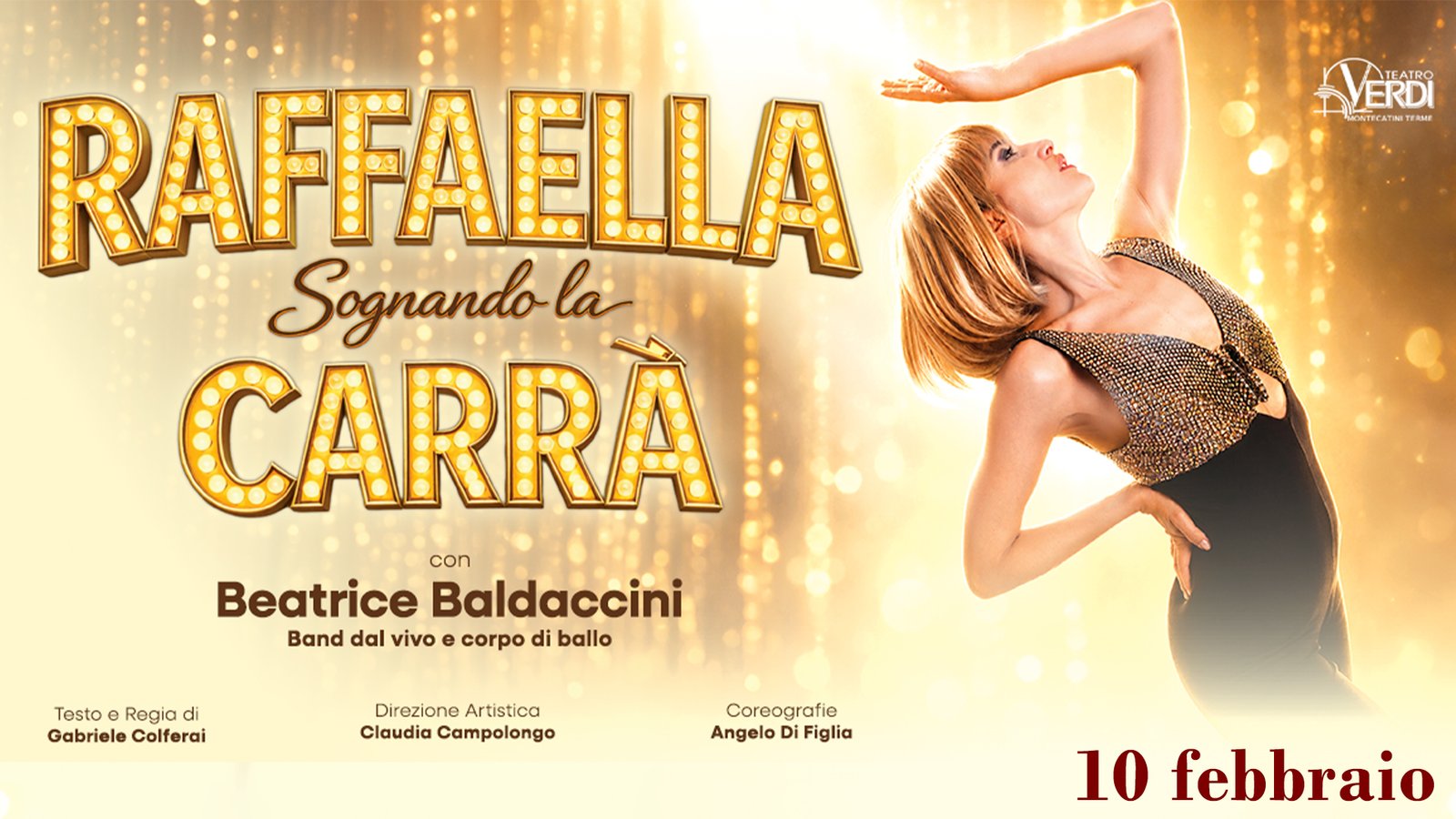
Raffaella! Sognando la Carrà, the musical show dedicated to the songs of Raffaella Carrà with a live band of five musicians and six performers, plays at Teatro Olimpico in Rome, at Piazza Gentile da Fabriano 17 (00196 Rome), on Wednesday, February 10, 2027 at 20:30, with the end expected at 21:30. You get there by Metro Line A to Flaminio and then tram 2 to the terminus at Piazza Mancini, from which it is about 500 meters on foot along Viale del Pinturicchio. Alternatively, bus 910 from Termini to the Pannini stop. The prices published by the theater run from €22 to €36 plus presale, with reduced rates for children under 12 from €15.40 to €21 in the sections indicated, and an online fee of €1.50 per ticket. Tickets are bought on the official Teatro Olimpico website, from the show page, or at the box office on Piazza Gentile da Fabriano.
Tanti auguri, Rumore, Pedro, Tuca tuca, A far l'amore comincia tu: the opening notes of any one of these songs are enough to fill a hall. Raffaella! Sognando la Carrà is a tribute in music to the queen of Italian television, told through song and acting. The verdict is clear: it is not just any cover concert, it is the party of a city that owes a lot to Raffaella, since her career was built almost entirely in the Rai studios in Rome, and that on the evening of February 10 will find itself singing on its feet.
Raffaella! Sognando la Carrà at Teatro Olimpico: date, time, prices
Raffaella! Sognando la Carrà plays at Teatro Olimpico on Wednesday, February 10, 2027 at 20:30, on a single date, with tickets from €22 to €36 plus presale and discounts for under-12s, according to the theater's official website.
A single evening
The official page lists one performance, Wednesday, February 10, 2027, from 20:30 to 21:30. An hour of show midweek: a compact running time, which lets you dine afterward without hurry and be home early even with children.
Prices by section
The theater publishes seven sections. Poltronissima gold: €36 plus €5.50 presale. Side Poltronissima: €30 plus €4.50. Poltrona: €27 plus €4.10. Balcony: €25 plus €3.80. Balcony with railing: €24 plus €3.60. Side balcony: €23 plus €3.50. Side balcony with railing: €22 plus €3.30. The presale is always required when the ticket is issued, and online purchase adds €1.50 per ticket.
Prices for children
For children under 12 the theater publishes a reduced rate in all sections except Poltronissima gold: €21 plus €3.20 in side Poltronissima, €18.90 plus €2.90 in Poltrona, €17.50 plus €2.70 in balcony, €16.80 plus €2.50 in balcony with railing, €16.10 plus €2.40 in side balcony, €15.40 plus €2.30 in side balcony with railing. It is a clear signal: the show is designed for families too.
Where to buy tickets
Tickets are bought on the official Teatro Olimpico website, from the show page, or at the theater's box office. For information the theater lists the address biglietti@teatroolimpico.it.
Raffaella! Sognando la Carrà: what you will see
Raffaella! Sognando la Carrà is a musical show that stages the best-known songs of Raffaella Carrà, with a band of five musicians playing entirely live and six performers who, through song and acting, tell of the art, energy and charisma of the queen of Italian television.
A tribute
The theater presents it as a tribute to a woman who knew how to win over whole generations and who, with her music, her smile and her personality, conveyed elegance, freedom, irony and courage. These are the four key words of the evening, and they are also a good summary of Raffaella's career.
The live band
Five live musicians are not a detail. Raffaella's songs are built on rich arrangements, among disco music, Latin rhythms and Saturday-night variety orchestrations. Played by a real band, instead of on a backing track, they have a different energy. It is the difference between a party and karaoke.
Singing and acting
The six performers don't just sing: the presentation speaks of singing and acting, that is, of a narrative that accompanies the songs. The format is that of the theatrical tribute, halfway between concert and variety, which is after all the language in which Raffaella grew up.
Not to be confused
On the same day, February 10, 2027, Raffaella il Musical debuts at Teatro Brancaccio, running until March 6. They are two different shows in two different theaters. The Olimpico one is a one-off musical tribute, the Brancaccio one a musical running for almost a month. Before buying, check the name of the theater carefully.
The songs of Raffaella Carrà
Raffaella Carrà released 25 studio albums, 42 counting adaptations in other languages, in 46 countries of the world, and sold over 60 million records with songs such as Tanti auguri, Rumore, Pedro, 5353456, Fiesta, Ballo ballo, E salutala per me and A far l'amore comincia tu.
The Canzonissima years
Ma che musica maestro, theme of Canzonissima 1970, reached the top places of the Italian charts. The next year it was the turn of Chissà se va, Maga Maghella and Tuca tuca, the dance that the Rai censored for some time as too daring and that returned to the air after an appearance with Alberto Sordi.
Rumore and disco
Rumore came out in 1974 on the album Felicità tà tà and became one of her biggest hits. In 1976 came Forte forte forte, distributed in 36 countries, with 53 53 456, which earned a gold record in Canada. In 1977 Fiesta. A far l'amore comincia tu, in the English version, reached ninth place on the British chart.
Tanti auguri, Pedro, Ballo ballo
Tanti auguri was the theme of Ma che sera in 1978, a hit in Spain too in the version Hay que venir al sur. Pedro came out in 1980, on the album Mi spendo tutto, and in 2024, in a remix version, made Raffaella the first Italian woman to enter Spotify's overall top 50. Ballo ballo was the theme of Fantastico 3 in 1982.
The second life
In 2011 Far l'amore, the dance version of A far l'amore comincia tu made with French DJ Bob Sinclar, brought Raffaella back onto the international charts. Two years later the song entered the soundtrack of Paolo Sorrentino's La grande bellezza. The repertoire you will hear at the Olimpico, in short, is the kind that crosses generations.
Who Raffaella Carrà was: biography
Raffaella Carrà, stage name of Raffaella Maria Roberta Pelloni, was born in Bologna on June 18, 1943 and died in Rome on July 5, 2021. A singer, actress, dancer, host and television author, she is considered the queen of Italian television and an icon of pop culture in Europe and Latin America.
Bologna, Bellaria, Rome
The daughter of Raffaele Pelloni and Angela Iris Dell'Utri, she spent her childhood between Bologna and Bellaria. In 1952, at eight, she moved by her own choice to a boarding school in Rome to attend the Accademia nazionale di danza founded by Jia Ruskaja, and in the same year she appeared in film for the first time, in Mario Bonnard's Tormento del passato. Rome became her city.
The stage name
After the Centro sperimentale di cinematografia she acted in Florestano Vancini's La lunga notte del '43 in 1960. The pseudonym was suggested to her by screenwriter Dante Guardamagna, joining the name of Raffaello Sanzio to the surname of the painter Carlo Carrà. With her new name she acted in 1963 in Mario Monicelli's I compagni, beside Marcello Mastroianni.
Hollywood
In 1965 she went to Hollywood for Mark Robson's Von Ryan's Express (Il colonnello Von Ryan), with Frank Sinatra and Trevor Howard. She signed a contract with 20th Century Fox and also acted in French and Spanish films: a real film career, which television would later almost entirely overshadow.
Canzonissima
In autumn 1970 she joined Corrado in hosting Canzonissima. The performance with her navel bared opened a debate in the press, the theme song went to the top of the charts, and the Rai reconfirmed her for the next edition. In 1974 she hosted Milleluci with Mina, one of the most remembered variety shows of Italian television.
Spain and the world
From the mid-1970s her popularity exploded in Spain, where she arrived shortly after the end of Francoism, and in Latin America. Tours in dozens of countries, second place at the 1979 Tokyo Music Festival with Drin Drin, Millemilioni in 1981, recorded in five capitals. From 1992 to 1995 she worked mainly in Spain with Hola Raffaella, awarded three TP de Oro.
Pronto, Raffaella? and Carràmba!
From 1983 to 1985 she hosted Pronto, Raffaella?, the Rai's first midday program, with the famous bean game. In 1986 she was the first woman at the helm of Domenica in. From 1995 she returned to Rai 1 with Carràmba! Che sorpresa, devised with Sergio Japino, which put her back at the center of 1990s television. In 2001 she hosted the Sanremo Festival.
The final years
From 2013 she was a coach on The Voice of Italy on Rai 2, released Replay, her first album of new songs in 17 years, and in 2019 hosted A raccontare comincia tu on Rai 3, with guests such as Sophia Loren, Riccardo Muti and Paolo Sorrentino. In 2018 the King of Spain conferred on her the honor of Dame of the Order of Civil Merit. She died in Rome on July 5, 2021. The announcement was made by Sergio Japino.
Raffaella Carrà and Rome
Rome is the city where Raffaella Carrà studied dance as a child, built her television career and where she died in 2021. On July 5, 2022 the Rai production center on Via Teulada was named after her.
The procession of July 7, 2021
Two days after her death, the funeral procession crossed the places of her Roman career: the Rai Auditorium at the Foro Italico, the Rai studios on Via Teulada, the Teatro delle Vittorie and the Rai headquarters on Viale Mazzini, up to the funeral chamber in the Protomoteca of the Capitoline Hill. The Rai Auditorium at the Foro Italico is a few minutes on foot from Teatro Olimpico, on the other bank of the Tiber.
The Aracoeli
The funeral was held on July 9, 2021 in the basilica of Santa Maria in Aracoeli, broadcast live on Rai 1. Her ashes now rest at Porto Santo Stefano, on the Argentario, the place she was most attached to.
The mural and the memory
In Rome, as in Barcelona, the artist Tvboy dedicated a mural to her. In 2018 Cinecittà Studios hosted an exhibition of her stage costumes. For the Roman audience, in short, Raffaella is not a distant diva. She is a familiar presence, tied to places people cross every day.
Raffaella Carrà, icon of freedom
Between the 1970s and 1980s Raffaella Carrà became a symbol of women's emancipation in Italian and Spanish television and music, and was a supporter of the LGBTQ+ community, which considers her one of its icons.
The Tuca tuca
On November 13, 1971, on Canzonissima, Raffaella danced the Tuca tuca in a costume that left her navel bare. Today it seems a small thing. Back then it was a national scandal. She herself said later that she did not want to provoke but to express herself freely. It is exactly that freedom that the Olimpico show puts at the center.
The bob and the costumes
The platinum blond bob and the stage outfits became part of her public identity. In 2019 her figure was cited in the Camp: Notes on Fashion exhibition at the Metropolitan Museum in New York, and in 2023 Sanremo devoted an exhibition to her television outfits.
World Pride
In 2017 she received the World Pride Award in Madrid, which proclaimed her ambassador of love. The Madrid city council later named a square after her in the Malasaña district, inaugurated on July 6, 2022. In 2012 Madonna had danced the Tuca tuca during her MDNA Tour.
Teatro Olimpico, the hall of Raffaella! Sognando la Carrà
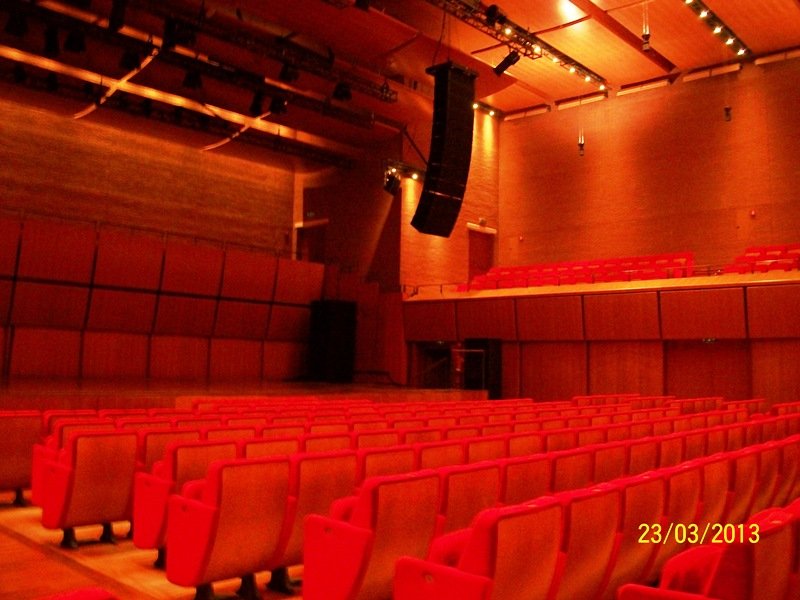
Teatro Olimpico on Piazza Gentile da Fabriano has been active as a cinema and theater since 1936 and as a theater since 1981, and it has 1,410 seats, 966 in the orchestra and 444 in the gallery. The venue's page is Teatro Olimpico.
From cinema to theater
The building was constructed between 1935 and 1936 for the Società Generale Immobiliare, in the years when the Flaminio and the Foro Italico were being born. Until the 1950s it worked mainly as a cinema, with avanspettacolo in the intermissions. Variety, to which Raffaella gave a face for decades, has been at home here for 90 years.
The amphitheater orchestra
The 966 orchestra seats are on a slope, in an amphitheater: even from the rear rows the stage is seen well. The gallery, which at the box office corresponds to the balcony, has a horseshoe shape and offers an overall view useful for choreography.
The stage
The stage measures about 10 meters deep by 12 wide: just the right space for a five-piece band and six dancing performers.
The architecture
The structure is reinforced concrete, with travertine in the base and the cornices, brought back to its original look by a recent restoration. Inside are a rotunda foyer and wide corridors. The theater reports a judgment attributed to Orson Welles, according to which the Olimpico would be the only place in Rome able to recall the atmosphere of Broadway theaters.
Where to sit for Raffaella! Sognando la Carrà
For a musical show with dance numbers the best choice is the central orchestra or the central balcony, from which the ensemble choreography is seen well.
Poltronissima gold
At €36 plus presale it is the section nearest the stage, the only one with no discount for children. It is worth the money for those who want to be in the middle of the party and sing a few meters from the performers.
Poltrona
At €27 plus €4.10 presale, Poltrona is the best section: the slope of the orchestra guarantees a clean view and the band's sound arrives full. For families, with the under-12 discount at €18.90, it is also the most balanced solution.
Balcony
The central balcony, at €25 plus presale, offers an overall view of the choreography. The side sections and those with railing, from €22 to €24, are the cheapest. For a concert the view matters less than for prose, but the dance numbers are seen better from the center.
How to get to Teatro Olimpico for Raffaella! Sognando la Carrà
Teatro Olimpico is reached by metro A to Flaminio and tram 2 to the terminus at Piazza Mancini, from where it's about 500 meters on foot: it's the route indicated by the theater.
Metro A and tram 2
From Flaminio station you take tram 2 to Piazza Mancini, then walk along Viale del Pinturicchio to Piazza Gentile da Fabriano, five minutes on foot. From Termini the route is the same: Metro A, change at Flaminio.
Bus
The lines with a stop near the theater are 220, 232, 233, 280, 301, 446, 48, 910 and 911. The 910 leaves from Termini: get off at the Pannini stop and walk about 300 meters. Lines 200, 201, 53 and the night bus n24 also reach Piazza Mancini.
By car
From the center you take Viale del Muro Torto toward Piazzale Flaminio and then the Lungotevere roads. From the north you go through Ponte Duca d'Aosta. The Flaminio is residential: on a Wednesday evening parking can be found, but with a bit of patience.
Flaminio around Teatro Olimpico
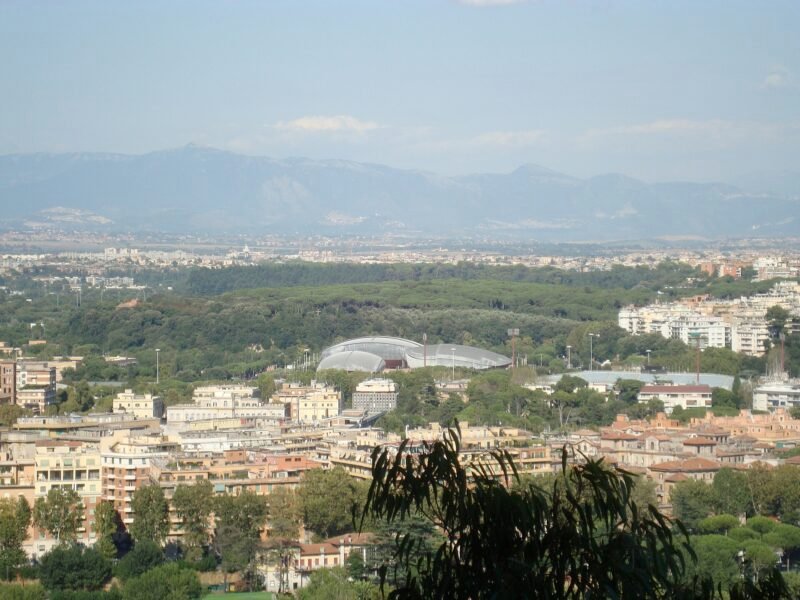
Teatro Olimpico is in the Flaminio district, at the level of the Ponte della Musica, near the Auditorium Parco della Musica and the MAXXI.
The Ponte della Musica and the Foro Italico
In front of the theater the Ponte della Musica leads to the Foro Italico, where the Rai Auditorium from which Raffaella's procession departed in 2021 is also found.
Milvian Bridge
Going up the Tiber you reach Milvian Bridge, the square with the most places in the area, convenient for after the theater.
Toward the center
Along Via Flaminia you reach Villa Borghese and Piazza del Popolo.
Where to eat before or after the show
Around Teatro Olimpico, between Piazza Mancini, Via Flaminia and Piazza Gentile da Fabriano, there are pizzerias, trattorias and bars popular with the theater and Auditorium crowds.
With an hour of show, from 20:30 to 21:30, the best solution is to dine afterward: you come out when kitchens are still fully open. With children, instead, a quick pizza beforehand, around 19:00, and heading home right after is best. For a large group, and tribute evenings often attract groups of friends and families, book: Wednesday is quiet, but big tables fill up fast. Ponte Milvio has the widest offering a few minutes away.
Accessibility and children at Teatro Olimpico
Those with reduced mobility who want to see Raffaella! Sognando la Carrà at Teatro Olimpico should contact the box office before buying, at biglietti@teatroolimpico.it, to learn about suitable seats and ways of access.
The hall
The stalls are raked and the gallery is on the upper floor: things to consider when choosing your section.
With kids
The theater provides a reduced rate for children under 12, and the running time of one hour suits families. Many kids know Pedro and A far l'amore comincia tu from social media and remixes. An evening with grandparents, who remember Canzonissima, and grandchildren, who know her from remixes, is the ideal audience for this show.
A curiosity about Raffaella! Sognando la Carrà at Teatro Olimpico, February 10, 2027
The loveliest curiosity concerns the name. Raffaella Carrà was not called Carrà: she was Raffaella Pelloni. The stage name was suggested by screenwriter Dante Guardamagna, who put together two painters, Raffaello Sanzio and Carlo Carrà, the master of metaphysical and Futurist painting. The queen of variety carries in her name, in short, the Renaissance and the avant-gardes of the 20th century, and the title of the Olimpico show, Sognando la Carrà, plays with precisely that invented surname.
The second curiosity comes from 2010. For the 40th anniversary of the Tuca tuca, in Bellaria-Igea Marina, the Romagna town where Raffaella had spent part of her childhood, almost 500 people danced the choreography together during the Milleluci Festival, earning recognition from Guinness World Records. Bellaria later named the waterfront promenade after her, inaugurated in 2022.
The third is Roman. The Rai production center on Via Teulada, from which so many of her programs aired, has borne her name since July 5, 2022. Those passing through Prati can see it: it is the most concrete way Rome has said thank you to its queen.
One thing nobody tells you about Raffaella! Sognando la Carrà at Teatro Olimpico, February 10, 2027
What almost nobody says is that on February 10, 2027 Rome will have two debuts devoted to Raffaella Carrà on the same evening: the Olimpico's musical tribute and Raffaella il Musical at the Brancaccio. The risk of mixing them up is real, and those who search for tickets in a hurry may end up with the wrong theater. The difference is clear: at the Olimpico a one-off evening of one hour, with a live band and six performers, at the Brancaccio a musical running until March 6. Choose based on what you want: a short and compact party or a longer theatrical story.
The second thing concerns prices. With the under-12 rate, a child in Poltrona costs €18.90 plus €2.90 presale, that is, a little over €21. For a family of four in Poltrona, two adults and two children, the total cost stays under €110 before the online fee. For an evening out at the theater with live music in Rome, it is a modest figure.
The third: the one-hour running time. It is short for a concert, and it is a precise choice. The rhythm will be tight, with no dead time. Arrive on time, because the first songs are often the most overwhelming.
The advice I give you for visiting Raffaella! Sognando la Carrà at Teatro Olimpico, February 10, 2027
Take the Poltrona, not the Poltronissima. At €27 plus €4.10 presale, the Olimpico Poltrona offers, thanks to the slope of the orchestra, a complete view of the stage and the choreography. Poltronissima gold costs €9 more and has no discount for children. For a one-hour musical show, the difference isn't worth it.
Second piece of advice: buy at the box office if you can, to avoid the online fee of €1.50 per ticket. For a group of friends or a family the saving adds up. And check twice that the ticket is for Teatro Olimpico and not for the Brancaccio.
Third: dress for the theme. It isn't required and nobody will ask, but a touch of sequins or a platinum blond bob is the simplest way to get into the spirit of the evening. Parties in Raffaella's honor, in Rome as in Madrid, have always been a small carnival too, and February 10 falls the day after Shrove Tuesday.
Another well-known fact, yet rarely mentioned
That Raffaella Carrà was a star in Spain everyone knows. Less often cited is the weight she had in that country in the years of the democratic transition. She arrived in Spain in 1976, a few months after the end of Franco's dictatorship, and TVE devoted to her the special La hora de Raffaella Carrà. She is considered one of the figures who contributed to the change in customs and to greater freedom of expression in Spanish television.
The link never broke. From 1992 to 1994 she hosted Hola Raffaella on TVE 1, awarded three TP de Oro. In 2008 Spanish public television entrusted her with Salvemos Eurovisión, the national selection for Eurovision. In 2016 she hosted the gala for TVE's 60th anniversary. In 2018 King Felipe VI conferred on her the honor of Dame of the Order of Civil Merit, and in 2020 the film Ballo ballo, inspired by her songs, came out in Spain.
Teatro Olimpico too has a little-cited story of collective rescue: in 1980 it was bought by a joint-stock company born from a subscription by citizens, promoted by Adriana Panni of the Accademia Filarmonica Romana. Two different stories, a common thread: popular culture that survives because someone believes in it.
The right photo to take at Raffaella! Sognando la Carrà at Teatro Olimpico, February 10, 2027
The right photo is taken outside, on Piazza Gentile da Fabriano, with the Olimpico facade lit and the title Raffaella! on the billboard. The 1930s building, with its restored travertine base, has a Rationalist sobriety that in the evening works well even with a phone, and makes a funny contrast with the sequins of those going in.
The second shot is taken in the rotunda foyer, with friends: if you decided to dress for the theme, it is the right place for the group photo before going in. The foyer keeps the air of the 1930s cinema-theater, and the black-and-white variety from which Raffaella started seems still within reach.
The third is taken from the Ponte della Musica, a few steps away: the Tiber at night and, on the other bank, the Foro Italico, where the Rai Auditorium that the 2021 procession saluted first is found. During the show, however, enjoy the music: a video of a few seconds of the chorus of Tanti auguri is enough, the rest is to be lived.
Some important events that took place here in history
On March 4, 1965 Pierre Boulez conducted at Teatro Olimpico a concert with the Italian premiere of Igor Stravinsky's Abraham and Isaac and the European premiere of his Elegy for J.F.K. It is perhaps the most important date in the hall's musical history, tied to the season of the Accademia Filarmonica Romana.
In the following years the Olimpico hosted productions in which art and music met: Stravinsky's L'Histoire du soldat in October 1966, with a backdrop by Giacomo Manzù, Niccolò Castiglioni's Tre misteri in 1968, with a sculpture by Mirko, Stravinsky's Mass in 1975, with the golden forms of Corrado Cagli.
In 1980 the Teatro Olimpico spa was born and bought the building, and from 1981 the hall changed name and vocation. Moses Pendleton's Momix debuted here in April 1982 and became regular guests. Mikhail Baryshnikov arrived with the White Oak Dance Project in 1995, the Bolshoi Ballet in 1996. In May 1996 Gigi Proietti brought A me gli occhi to the Olimpico. Dance and variety, the two passions of the young Raffaella, a student at the Accademia nazionale di danza, have had a home in this hall for 40 years.
Who has played Raffaella! Sognando la Carrà at Teatro Olimpico, February 10, 2027
On the stage of Teatro Olimpico have appeared musicians such as Arturo Benedetti Michelangeli, Jessye Norman, Zubin Mehta, Giuseppe Sinopoli and Pierre Boulez. The dance of Baryshnikov, Joaquín Cortés, Lindsay Kemp, Maurice Béjart, the Bolshoi and the Momix. The song of Lucio Dalla, the Pooh, Giorgio Gaber. Among the protagonists of its history the theater also cites Dario Fo and Nicola Piovani.
Comedy has a long tradition here: Gigi Proietti, Enrico Brignano, Vincenzo Salemme, Aldo, Giovanni e Giacomo, Neri Marcorè, Ale e Franz, Lillo e Greg, Max Giusti, Maurizio Battista, who this season returns to the Olimpico with Se non vinco... imparo. The evening before the Raffaella tribute, on the same stage, is Raul Cremona with his comic magic recital.
At least one of these names crossed paths with Raffaella's career: Neri Marcorè shot a television advertising campaign with her in 2011, in which she played Queen Isabella of Castile. On February 10 Raffaella's songs enter a hall that has hosted many of her companions on the road, and the Roman audience, who watched her grow up on television, will find her again in music.
February in Rome, between Carnival and variety
In early February Rome is in the thick of the theater season. Evenings are cold and the Lungotevere on the way out is windy: a coat is needed, even over the sequins.
Two tributes, one week
With Raffaella! Sognando la Carrà at the Olimpico and Raffaella il Musical at the Brancaccio, February 2027 is Rome's Raffaella month. Those who are truly passionate can see both: they are two different ways of telling her story, and the comparison is interesting.
Carnival
February is also the month of Carnival, and Raffaella, with her costumes and her taste for stage disguise, is the natural queen of a masquerade evening. February 10, 2027 is Ash Wednesday, the day after Shrove Tuesday. A party in sequins is the most cheerful way to take leave of Carnival.
Frequently asked questions about Raffaella! Sognando la Carrà at Teatro Olimpico
When does Raffaella! Sognando la Carrà play at Teatro Olimpico?
Raffaella! Sognando la Carrà plays at Teatro Olimpico in Rome on Wednesday, February 10, 2027, starting at 20:30 with the end expected at 21:30. It is a single date. The theater is at Piazza Gentile da Fabriano 17, in the Flaminio district.
How much do tickets for Raffaella! Sognando la Carrà cost?
Tickets for Raffaella! Sognando la Carrà at Teatro Olimpico cost from €22 to €36 plus presale. For children under 12 there are reduced rates from €15.40 to €21, excluding Poltronissima gold. Online a €1.50 fee per ticket is added.
Is it the same show as Raffaella il Musical at the Brancaccio?
No, Raffaella! Sognando la Carrà at Teatro Olimpico is a different show from Raffaella il Musical at Teatro Brancaccio. At the Olimpico it is a single evening, on February 10, 2027, with a live band and six performers. At the Brancaccio the musical runs from February 10 to March 6.
Who is on stage in Raffaella! Sognando la Carrà?
On stage in Raffaella! Sognando la Carrà are a band of five musicians playing entirely live and six performers who, through song and acting, tell of the art and charisma of Raffaella Carrà. The names of the performers are not listed on the theater's official page.
Which songs do you hear in the show?
Raffaella! Sognando la Carrà stages the best-known songs of Raffaella Carrà. The setlist is not published. The singer's repertoire includes titles such as Tanti auguri, Rumore, Pedro, Fiesta, Ballo ballo, Tuca tuca and A far l'amore comincia tu.
How do you get to Teatro Olimpico?
Teatro Olimpico, at Piazza Gentile da Fabriano 17, is reached by Metro Line A to Flaminio and tram 2 to Piazza Mancini, then about 500 meters on foot. Alternatively there is bus 910 from Termini to the Pannini stop.
Is the show suitable for children?
Raffaella! Sognando la Carrà at Teatro Olimpico is suitable for families: the theater provides a reduced rate for under-12s and the show runs about an hour. Raffaella's songs are known to the youngest too thanks to remixes and social media.
The final advice on Raffaella! Sognando la Carrà
Buy the Poltrona, bring someone who saw Raffaella on Canzonissima and someone who discovered her through Pedro, and get ready to sing. Raffaella! Sognando la Carrà is a short, full evening, with the music played live, in a theater that knows variety well. Rome owes a lot to Raffaella, and an hour of party in her honor, on a February Wednesday, is the most cheerful way to remember it.
Article written by the editorial team of Tour Leader Pro, contact them for Private/Corporate/V.I.P. Tours and Experiences.
Planning a trip to Rome? The English guides to visiting the city are on ItalyPlanner.com.
Contact Information
Nearby
 Teatro Olimpico100 m
- Ponte della Musica – Armando Trovajoli200 m
- Flaminio400 m
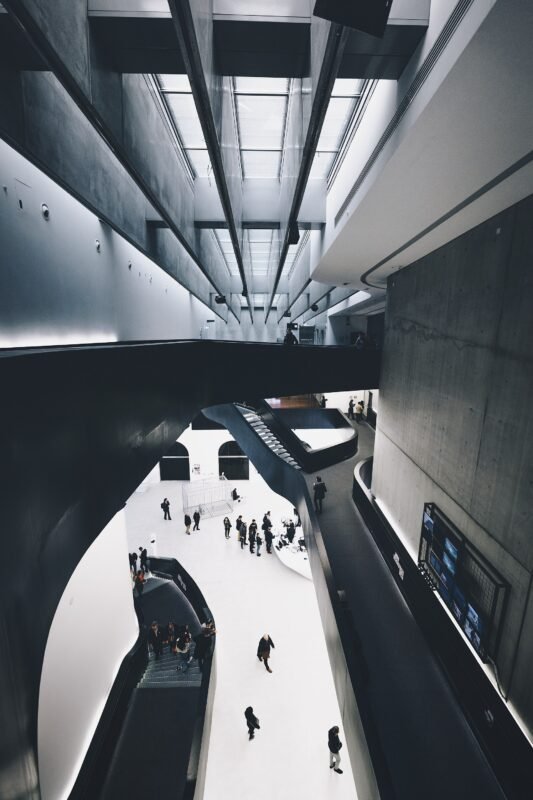
- MAXXI – National Museum of 21st Century Arts500 m
- Alberto Moravia House Museum700 m
- Villa Mazzanti700 m

Upcoming events nearby
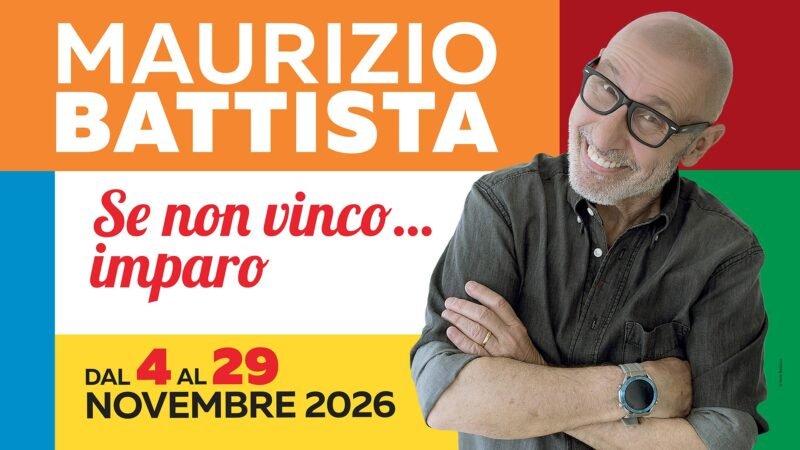
- Maurizio Battista at Teatro Olimpico, Se non vinco… imparo, November 4 to 29, 2026100 m
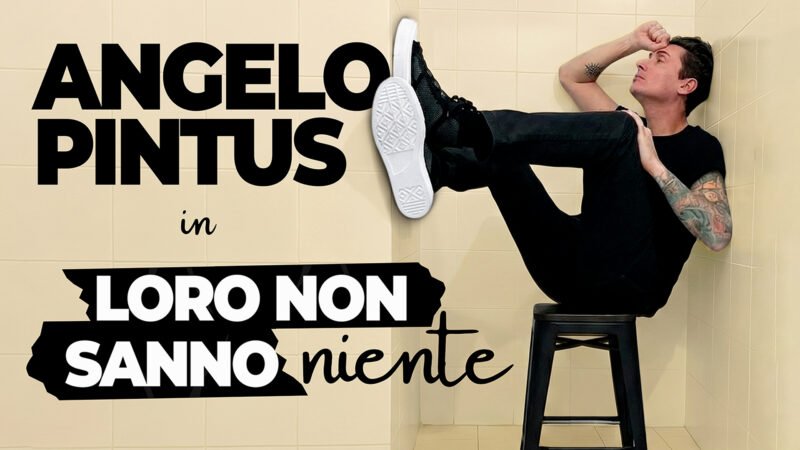
- Angelo Pintus at Teatro Olimpico, Loro non sanno niente, January 14 to February 14, 2027100 m
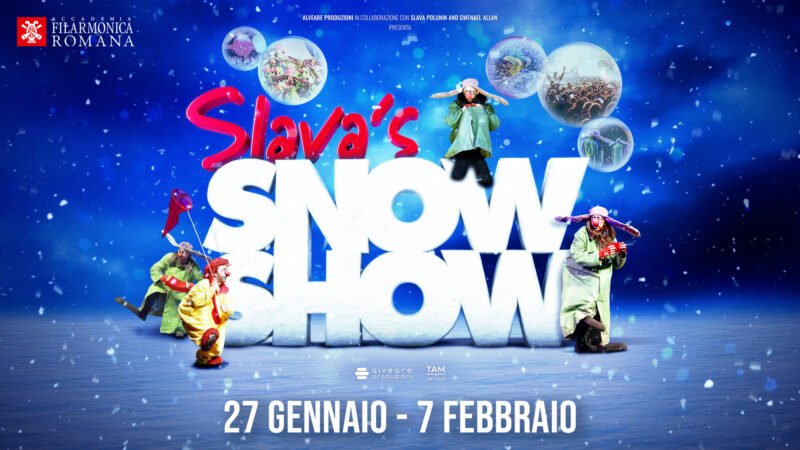
- Slava’s SnowShow at Teatro Olimpico, January 27 to February 7, 2027100 m
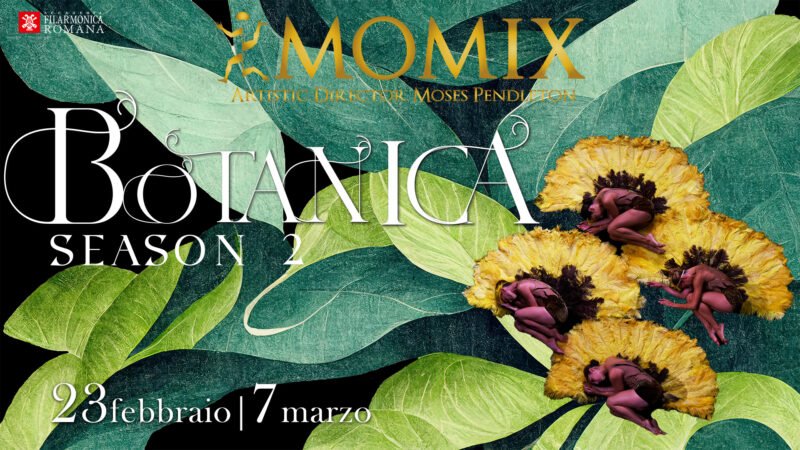
- MOMIX Botanica at Teatro Olimpico, February 23 to March 7, 2027100 m
You might also like
- Fabio Concato at Auditorium Parco della Musica, December 27, 2026
- Cartoon Heroes with Vince Tempera and the Raggi Fotonici at Auditorium Parco della Musica, December 23, 2026
- Nubras Ensemble at Auditorium Parco della Musica, February 27, 2027
- Simone Avincola canta Carella at Auditorium Parco della Musica, February 26, 2027
- Mauro Di Maggio at Auditorium Parco della Musica, December 10, 2026
- Giovanni Tommaso, My Four Seasons at Auditorium Parco della Musica, December 11, 2026