La Sera dei Miracoli, Tribute to Lucio Dalla at Teatro Olimpico, December 15, 2026
In short. La Sera dei Miracoli, the tribute to Lucio Dalla produced by Good Vibrations Entertainment with the voice of Lorenzo Campani, is on at Teatro Olimpico, at Piazza Gentile da Fabriano 17 (00196 Rome), on Tuesday, December 15, 2026 at…
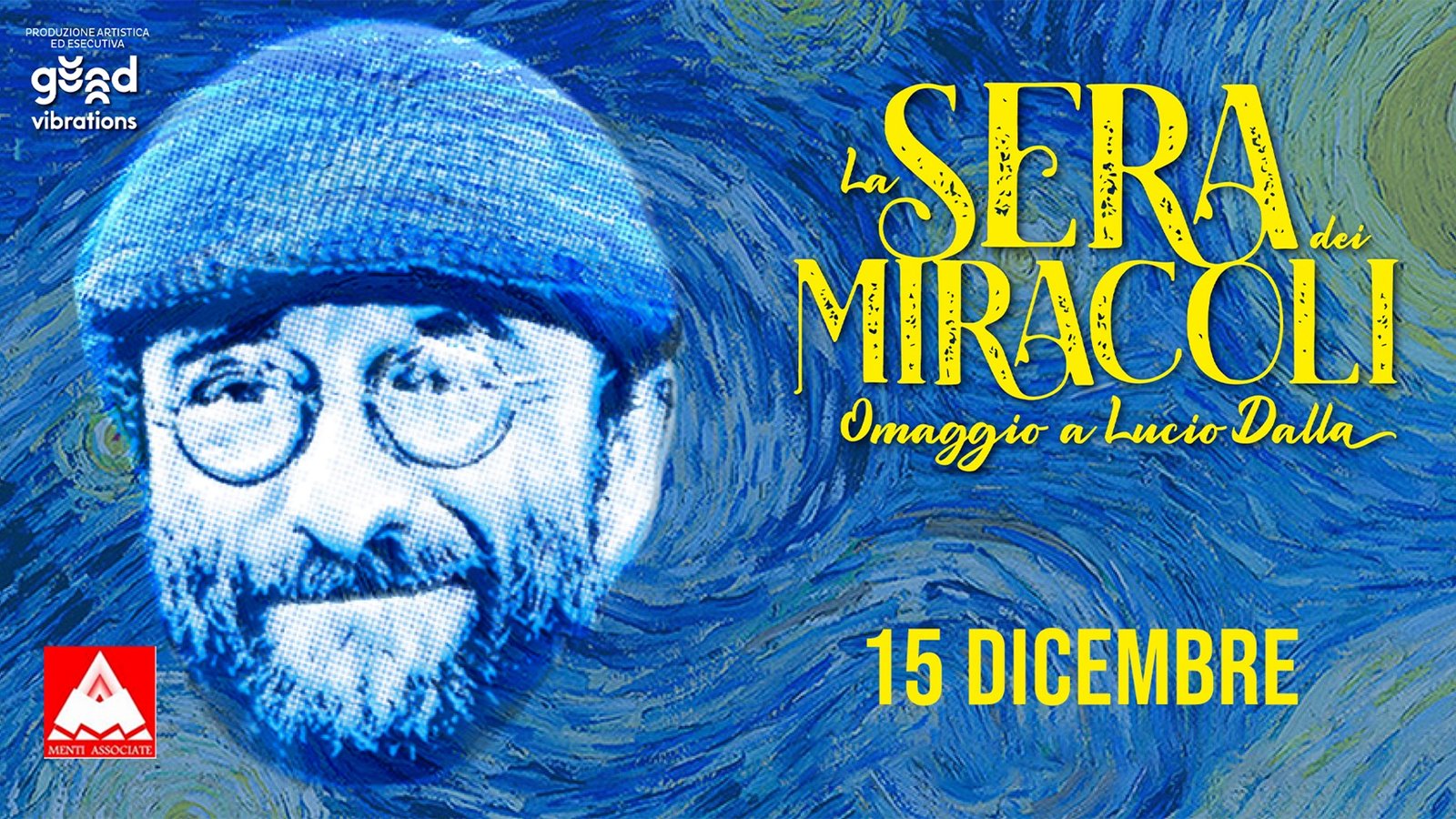
La Sera dei Miracoli, the tribute to Lucio Dalla produced by Good Vibrations Entertainment with the voice of Lorenzo Campani, is on at Teatro Olimpico, at Piazza Gentile da Fabriano 17 (00196 Rome), on Tuesday, December 15, 2026 at 20:30, with the end expected around 22:00. You reach the theater by metro A to Flaminio and then tram 2 to the terminus at Piazza Mancini, from which you walk about 500 meters along Viale del Pinturicchio. From Termini there is also bus 910 to the Pannini stop, about 300 meters from the hall. The prices published by the theater range from 20 euros (side balcony with railing) to 38 euros (poltronissima gold), plus the presale fee, from 3 to 5.70 euros depending on the section, and an online fee of 2 euros per ticket. Tickets are bought on the venue's official site, linked to the theater's box office, or at the box office on Piazza Gentile da Fabriano.
It's a single evening, 10 days before Christmas, in a hall Dalla knew well: in April 1994 he brought the Henna tour here. The announced repertoire runs from March 4, 1943 to Come è profondo il mare, passing through L'anno che verrà and Caruso, with a band of five musicians and a carefully designed lighting show. Below you'll find what you will hear, who is on stage, Dalla's life and songs, the history of the Olimpico and everything needed to organize the evening.
What you hear at this tribute
La Sera dei Miracoli is a tribute concert that retraces Lucio Dalla's musical history through his best-known songs, performed live by Lorenzo Campani and a band of five musicians. The theater presents it as the most authoritative tribute currently on the road devoted to the Bolognese singer-songwriter.
The title
The name comes from La sera dei miracoli, one of the songs on the album Dalla from 1980, and the singer-songwriter's biography indicates it as dedicated to Rome. For a Roman evening the title is therefore more than an allusion: bringing that song to a theater in the city to which it was dedicated makes precise sense, and in mid-December, with the holiday lights, its nocturnal atmosphere finds its place.
The announced repertoire
The official presentation expressly cites March 4, 1943, Come è profondo il mare, L'anno che verrà and Caruso, and in the part devoted to Dalla also recalls Futura, Attenti al lupo and Piazza Grande. The complete set list isn't published. The structure, however, is that of a chronological journey through a 50-year career, from the Sanremo of the 1970s to the great pop hits of the 1990s.
The staging
The theater speaks of a studied set design and a carefully designed light show. It's not a concert with the singer standing still in front of the microphone: the format is theatrical, conceived for a hall of over 1,000 seats with a deep stage. Those who have seen other shows from the same production know the visual part counts as much as the musical one.
A tribute, not an imitation
The delicate point of every tribute to Dalla is the voice. Dalla was a unique singer, with a jazz-school scat, swings of register, improvisations: imitating him is almost impossible, and anyone who tries risks caricature. The verdict is clear: a successful tribute is one that lets you hear the songs, not one that pretends to be the man. Campani has a powerful voice and a musical theater background, and that is what the show is built on.
Date, time and tickets for La Sera dei Miracoli
La Sera dei Miracoli is on at Teatro Olimpico on Tuesday, December 15, 2026, starting at 20:30 and ending around 22:00, according to the theater's sheet. It is a single date in the hall's 2026 and 2027 season.
The sections and prices
Poltronissima gold: 38 euros, presale fee 5.70 euros. Poltronissima laterale: 34 euros, presale fee 5.10 euros. Poltrona: 30 euros, presale fee 4.50 euros. Balcony: 29 euros, presale fee 4.40 euros. Balcony with railing: 25 euros, presale fee 3.80 euros. Side balcony: 23 euros, presale fee 3.50 euros. Side balcony with railing: 20 euros, presale fee 3 euros. The theater specifies that the presale fee is always required at the time the ticket is issued. For online purchase a fee of 2 euros is added.
Where to buy
The main channel is the online box office reachable from the official site of Teatro Olimpico, under buy online. Alternatively there is the theater's box office on Piazza Gentile da Fabriano. For information the theater answers at biglietti@teatroolimpico.it. A single date close to the holidays sells out early: a ticket to a Dalla concert is also a Christmas gift that works.
Running time
The sheet gives an hour and a half of show, from 20:30 to 22:00. You come out in time to catch tram 2 or the bus and get home without rushing, which is no small thing on a December weeknight.
Lorenzo Campani and the band
The voice of La Sera dei Miracoli is Lorenzo Campani, a singer known for his role in Riccardo Cocciante's Notre Dame de Paris and for taking part in The Voice of Italy, who in his career has collaborated with Ligabue and Vasco Rossi.
From Notre Dame de Paris to The Voice
Notre Dame de Paris is the musical that shaped a generation of Italian voices: parts written for singers with great range and stamina, long runs, large arenas. Having been part of that company says a lot about Campani's vocal stamina. Television, with The Voice of Italy, then gave him a wider audience.
Ligabue and Vasco
The collaborations with Ligabue and Vasco Rossi, recalled in the theater's presentation, place Campani in the world of Italian stadium rock. It's a detail that ties in well with Dalla: the Banana Republic tour with De Gregori, at the end of the 1970s, was the first to bring songwriter music into stadiums, opening the way precisely for the great rock gatherings of the following decades.
The musicians
With Campani play Luigi Buggio, artistic direction and keyboards. Marco Vattovani on drums. Alessandro Leonzini on bass. Marco Locatelli and Ivan Geronazzo on guitars. A classic rock lineup, with keyboards at the center: and keyboards, in Dalla's songs, are often the backbone, from the piano of Caruso to the synthesizers of the 1980s.
Good Vibrations Entertainment, the production
La Sera dei Miracoli is produced by Good Vibrations Entertainment, the same company that signed Canto Libero, the show devoted to the songs of Battisti and Mogol.
The format of the tribute concert
The model is that of the theatrical concert devoted to the repertoire of a great Italian songwriter: a lead voice, a stable band, a show that tours the theaters of the peninsula. It's a format that has found a precise audience, made up of those who lived those songs and those who never had the chance to hear them live.
Why it works in a theater
A concert in a theater, with numbered seats and the acoustics of a hall, is a different experience from an arena. Dalla's songs, with lyrics that count word by word, gain from seated and attentive listening. It's one of the reasons I prefer these tributes in halls like the Olimpico rather than in arenas.
Lucio Dalla, life and songs
Lucio Dalla was born in Bologna on March 4, 1943 and died in Montreux on March 1, 2012. A singer-songwriter, composer, multi-instrumentalist, producer and actor, he is considered one of the greatest Italian songwriters. In a 50-year career he always played piano, saxophone and clarinet.
Childhood and the clarinet
The son of Giuseppe Dalla, director of the Bologna trap shooting club, and Iole Melotti, he lost his father in 1950. An uncle, Ariodante Dalla, a popular melodic singer in the 1940s, gave him an accordion. For his 10th birthday he received a clarinet and learned to play it by himself. As a teenager he joined the Rheno Dixieland Band, which also included the future director Pupi Avati, and played with Chet Baker, who in those years lived in Bologna.
Jazz and the Flippers
In 1960 the Rheno won, among the traditional bands, the first European jazz festival in Antibes. Shortly afterward Dalla was noticed by a group of Roman professionals, the Seconda Roman New Orleans Jazz Band, with whom in 1961 he entered a recording studio for the first time. At the end of 1962 he joined the Flippers, a Roman band with Franco Bracardi and Massimo Catalano, as lead voice, clarinet and sax. It was Gino Paoli, during the 1963 Cantagiro, who convinced him to try a solo career.
Sanremo and March 4, 1943
The first 45 rpm record is from 1964. The first album, 1999, from 1966, with Pafff...bum!, brought to the Sanremo Festival. The turning point came in 1971 with 4/3/1943, with lyrics by Paola Pallottino, which placed third at Sanremo. The song, born under the title Gesù bambino, was changed because of censorship and took as its title the singer-songwriter's date of birth, though it is not autobiographical. In 1972 came Piazza Grande, with lyrics by Gianfranco Baldazzi and Sergio Bardotti and music written with Ron.
The years with Roversi
From 1973 to 1976 Dalla worked with the Bolognese poet Roberto Roversi: three albums, Il giorno aveva cinque teste, Anidride solforosa and Automobili, today considered fundamental for Italian songwriting. Automobili contained Nuvolari, dedicated to the Mantuan driver. The break with Roversi pushed him to write his own lyrics.
Come è profondo il mare, Lucio Dalla, Dalla
In 1977 came Come è profondo il mare, the first album entirely his own. In 1979 Lucio Dalla, with Anna e Marco, L'ultima luna, Stella di mare and L'anno che verrà, stayed on the charts for a year and a half. In 1980 Dalla, with Futura, Cara and La sera dei miracoli, reached the top of the charts. In between, the Banana Republic tour with Francesco De Gregori, which in 1979 brought songwriters into stadiums for the first time.
The 1990s, Caruso and the awards
In October 1990 came Cambio, driven by Attenti al lupo, written by Ron: the album sold 1.5 million copies, one of the best-selling Italian records ever. Caruso, dedicated to the Neapolitan tenor, has become one of the most famous Italian songs in the world: about 38 million copies sold are estimated. Dalla won the David di Donatello for best musician in 1982 and the one for best original song in 1989. He collaborated and sang duets with De Gregori, Mina, Gianni Morandi, Luciano Pavarotti, Zucchero and Sting.
A curiosity about La Sera dei Miracoli, Tribute to Lucio Dalla at Teatro Olimpico, December 15, 2026
The song most tied to Rome, in Dalla's history, is perhaps 4/3/1943, and the link passes through a restaurant in Campo de' Fiori. Dalla sang it there, by voice, to Chico Buarque de Hollanda, the great Brazilian songwriter. Buarque memorized it by ear, went back to Brazil, wrote a Portuguese text for it and made it an enormous hit. The account is Dalla's own, reported in his biography.
The same song also had a French version, sung by Dalida with a text by Pierre Delanoë. A song born in Bologna, changed by censorship, made international by passing through a Roman table: it's a good summary of Dalla's fortunes outside Italy.
There is also a curiosity about the date. March 4, 1943 is Dalla's birthday, but the story of the song, an unmarried mother and an Allied soldier never known, has nothing autobiographical. The title was chosen in a hurry, to get around the commission that had judged the original, Gesù bambino, irreverent. When La Sera dei Miracoli opens its journey precisely with March 4, 1943, as the theater's presentation indicates, in the stalls many will sing that title thinking of a birthday. This too is the fate of popular songs.
Teatro Olimpico, a music hall since 1936
Teatro Olimpico on Piazza Gentile da Fabriano was born as the Cine-Teatro Olimpico in 1936 and has been Teatro Olimpico since 1981. It stands on the Lungotevere Flaminio, at the height of the Ponte della Musica, and is the main concert venue of the Accademia Filarmonica Romana.
From cinema to the Filarmonica
The block was built between 1935 and 1936 for the Società Generale Immobiliare, in the years when the Flaminio district and the Foro Italico were being born. Until the 1950s the hall was mainly a movie theater, with avanspettacolo numbers in the intermissions. In the postwar period the Accademia Filarmonica Romana rented it for its season, and under the presidency of Adriana Panni the Olimpico became a central place of music in Rome.
The citizens' theater
When the owning company went bankrupt, Adriana Panni promoted a subscription drive that brought many citizens together in the Teatro Olimpico spa, which in 1980 bought the building. Since then the theater has alternated the Filarmonica's concerts with its own program of popular music, dance, drama and comedy.
The hall
The hall has 1,410 seats: 966 in the stalls, arranged as a sloping amphitheater, and 444 in the gallery, horseshoe-shaped. The stage measures about 12 meters wide by 10 deep, with an orchestra pit. For a concert the slope of the stalls is an advantage: you see the stage even from the central rows, without the head of the person in front covering the band.
Something nobody tells you about La Sera dei Miracoli, Tribute to Lucio Dalla at Teatro Olimpico, December 15, 2026
Dalla began his recording career with Roman musicians, and this is rarely said. When Dalla is told, people speak of Bologna, of the Tremiti, of Manfredonia, and forget that the first record he played on, in 1961, was cut with the Seconda Roman New Orleans Jazz Band, a group of professionals from the capital. And that the band with which he began to sing, the Flippers, was Roman: Franco Bracardi on piano, Massimo Catalano on trumpet, Romolo Forlai on vibraphone, Fabrizio Zampa on drums.
With the Flippers Dalla accompanied Edoardo Vianello, and it was with them that in 1963 he took part in the Cantagiro with I Watussi. There Gino Paoli heard him and convinced him to go out on his own. The Festival delle Rose too, where Dalla twice won the critics' prize, was Roman, and was held at the Hilton hotel on Monte Mario, on the hill you can see from the Ponte della Musica, a short walk from the Olimpico.
The point for those going to the concert is simple. An evening of Dalla songs in Rome isn't one city's tribute to an artist from another: it's also a musician's return to a city where he took his first steps as a professional. Look at Monte Mario as you leave the theater, and think of a Bolognese boy whom, according to legend, the Hilton doormen kept out of the final evening for being too scruffy.
The advice I give you for visiting La Sera dei Miracoli, Tribute to Lucio Dalla at Teatro Olimpico, December 15, 2026
The first piece of advice concerns the seat. For a concert with a rock band, unlike a dance show, the first rows aren't always the best: the sound comes from the speakers and the overall view counts. The central poltrona, at 30 euros plus presale, halfway up the sloping stalls, offers the best balance of sound, view and price. The central balcony, at 29 euros, is almost equivalent and gives a frontal view of the lights.
Second: listen again beforehand to a whole album, not a compilation. Lucio Dalla from 1979 or Dalla from 1980 run a little over half an hour and contain half the songs you'll hear. Listening to them in the order in which they were conceived helps you understand how different those songs were from each other, and makes the evening richer.
Third: December 15 is a Tuesday. Leave work, take metro A to Flaminio and tram 2, eat something at Piazza Mancini and be in the hall by 20:15. At 22:00 the show ends and you get home at a reasonable hour. Avoid the car: the Flaminio in the evening, with parking lots full, costs more time than the tram.
Finally, if you give it as a gift: a ticket to a Dalla concert 10 days before Christmas is one of the few gifts that bring parents and adult children into agreement.
Another well-known fact, and yet rarely mentioned
Everyone knows that L'anno che verrà is a New Year's song. It's less remembered that it was the last track of an album released in February 1979, and that its sunset of illusions ideally closed the decade of the years of lead. It's not a party song: it's a letter to a faraway friend, written in a difficult year, with an ending suspended between hope and irony. The fact that it became the soundtrack of every year's end says a lot about Dalla's ability to write songs the public takes and transforms.
A second well-known and little-cited fact: Dalla was a jazz musician before being a songwriter. He played with Chet Baker as a boy, and later with Bud Powell, Charles Mingus and Eric Dolphy. Scat, that voice improvising nonsense syllables over the music, comes from there, and it was his trademark since the days of the Flippers. Gino Paoli considered him the first Italian soul singer.
For those going to La Sera dei Miracoli, both facts have a consequence. On December 15, two weeks from New Year's, L'anno che verrà will be heard as a song of the season. It's worth hearing it also for what it was. And when the band lets itself go into some instrumental opening, remember that the root of everything is a Bolognese Dixieland band with a clarinet.
How to get to Teatro Olimpico
You reach Teatro Olimpico by metro A to Flaminio and then tram 2 to the terminus at Piazza Mancini, from which it is about 500 meters on foot along Viale del Pinturicchio. These are the directions the theater itself gives, the simplest from Termini and the center.
Metro and tram
From Flaminio station on line A you take tram 2 in Piazzale Flaminio to the terminus at Piazza Mancini. From there you walk on Viale del Pinturicchio to Piazza Gentile da Fabriano, five minutes. Those arriving by the Roma Nord railway get off at Flaminio and follow the same route.
Bus
The theater lists lines 220, 232, 233, 280, 301, 446, 48, 910 and 911, as well as tram 2. The 910 leaves from Termini: you get off at the Pannini stop and walk about 300 meters on Viale del Pinturicchio. At Piazza Mancini terminus also arrive lines 200, 201, 53 and the night line n24, useful for the return.
By car
From the center you follow Viale del Muro Torto toward Piazzale Flaminio, then Via Luisa di Savoia, the Lungotevere Arnaldo da Brescia and the Lungotevere delle Navi to the Lungotevere Flaminio. From the north you arrive from the Foro Italico crossing the Ponte Duca d'Aosta. In December, with the traffic of Christmas shopping, it's best to leave well ahead or leave the car at home.
The right photo to take at La Sera dei Miracoli, Tribute to Lucio Dalla at Teatro Olimpico, December 15, 2026
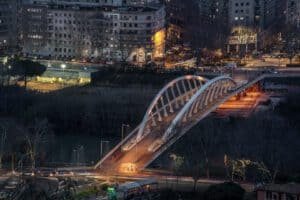
The right photo, in mid-December, is taken in the dark, and this is an advantage. At 20:00 the sky has been black for hours, and the Ponte della Musica, which crosses the Tiber in front of Piazza Gentile da Fabriano, is lit. From the middle of the bridge, turning toward the Flaminio, you frame the rationalist facade of the theater with its high travertine base and the people waiting at the entrance: it's the image of a concert evening, and the show's title, La Sera dei Miracoli, finds its image without needing a caption.
The second photo is toward Monte Mario, from the other side of the bridge. The lights of the hill above the Foro Italico, reflected in the river, are the closest thing to a nocturnal Dalla song you can find in the area. You need a phone held steady, resting on the parapet, and a bit of patience.
Inside the hall, during the concert, no photos and no video. The moment for a shot, if staff allow it, is the final bow, when the band returns to the stage. For the rest, keep your phone in your pocket: during Caruso, with the audience in silence, a neighbor's lit screen ruins the listening for 10 people.
Some important events that happened here in history
On March 4, 1965, Lucio Dalla's 22nd birthday, Pierre Boulez conducted at Teatro Olimpico a concert with the Italian premiere of Igor Stravinsky's Abraham and Isaac and the European premiere of his Elegy for J.F.K. It is the most curious coincidence for those going to La Sera dei Miracoli: the highest date in the hall's musical history falls precisely on the day Dalla would make famous six years later with a song.
In the following years the Olimpico hosted stagings that united art and music: Stravinsky's Histoire du soldat with Giacomo Manzù's backdrop in October 1966, Niccolò Castiglioni's Tre misteri with Mirko's sculpture in October 1968, Stravinsky's Mass with Corrado Cagli's golden forms in October 1975. Those sets are still kept in the foyer and corridors.
In 1980 the Teatro Olimpico spa was born, which bought the building thanks to a subscription promoted by Adriana Panni. From 1981 the programming widened: the Momix debuted in April 1982, the Marillion played here in February 1988, Lucio Dalla brought Henna in April 1994, Gigi Proietti A me gli occhi in 1996, Giorgio Gaber Un'idiozia conquistata a fatica in January 1998. In the 2009 and 2010 season the Agis rankings placed the Olimpico second in Rome by number of spectators.
Who has passed through La Sera dei Miracoli, Tribute to Lucio Dalla at Teatro Olimpico, December 15, 2026
The name that counts, for this evening, is that of Lucio Dalla himself: in April 1994 he brought to the Olimpico's stage the Henna tour, the album released the year before. Those who on December 15 hear his songs in this hall will do so where Dalla sang them in person, and that doesn't happen often with a tribute.
Beside him, for popular and songwriter music, have passed through here Giorgio Gaber, the Pooh, the Marillion. For classical music Arturo Benedetti Michelangeli, Jessye Norman, Zubin Mehta, Giuseppe Sinopoli, Luigi Dallapiccola and Pierre Boulez. For dance Mikhail Baryshnikov, Maurice Béjart, the Bolshoi, Antonio Gades, Joaquín Cortés, Lindsay Kemp and the Momix. The theater also recalls among its protagonists Dario Fo and Nicola Piovani, and the Roman comedy of Gigi Proietti, Enrico Brignano and Vincenzo Salemme.
The link with Dalla also passes through the classical music of which the Olimpico has been a home. Caruso, dedicated to the Neapolitan tenor, has been performed over the years by Luciano Pavarotti, Andrea Bocelli, Mercedes Sosa, Céline Dion and Julio Iglesias: a pop song that entered the repertoire of opera singers, exactly the kind of crossing between genres the Filarmonica has always practiced in this hall. On stage on December 15 will be Lorenzo Campani, Luigi Buggio, Marco Vattovani, Alessandro Leonzini, Marco Locatelli and Ivan Geronazzo: one more name in a long list.
The Flaminio around Teatro Olimpico
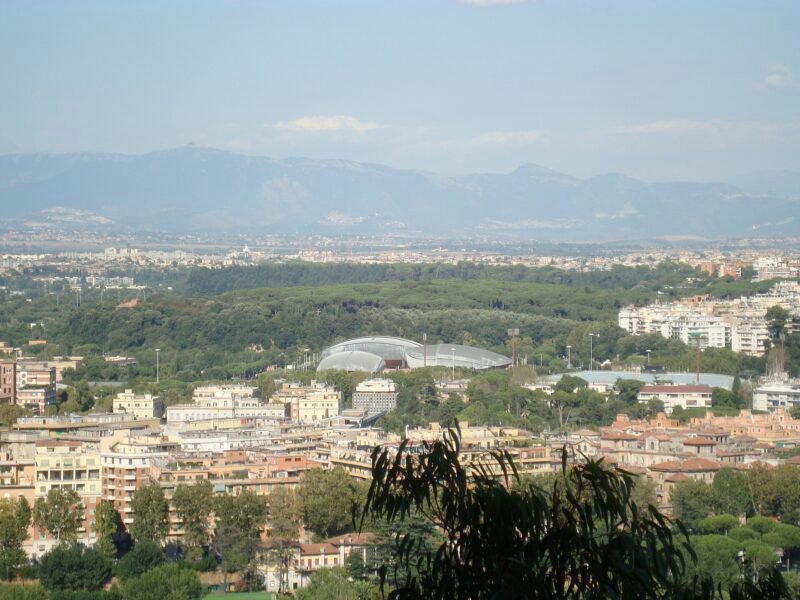
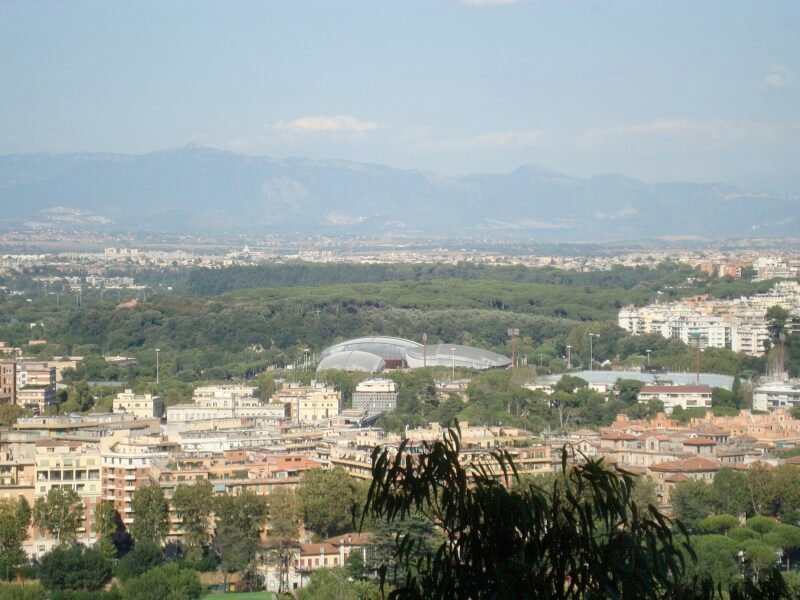
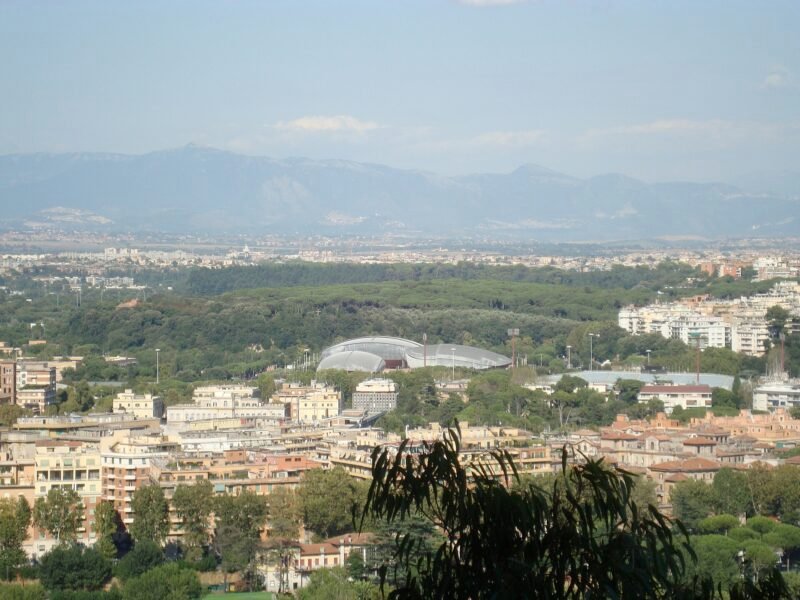
Teatro Olimpico is in the Flaminio district, north of Piazza del Popolo, in an area that has become one of the cultural hubs of the city, with the Auditorium Parco della Musica, the MAXXI and the Ponte della Musica a few minutes on foot.
Stadio Flaminio and Banana Republic
A few hundred meters from the theater is the Stadio Flaminio. It was there that Dalla and De Gregori held a concert for 40,000 spectators tied to the launch of Banana Republic, the tour that brought songwriter music into Italian stadiums for the first time. Those who arrive by tram pass by that history without knowing it.
The Foro Italico and Ponte Milvio
Once across the Ponte della Musica you reach the Foro Italico, built in the same years as the theater. Going up the Tiber toward the north you reach Milvian Bridge, with the square full of venues, the natural destination for those who want to prolong the evening.
Villa Giulia and Piazza del Popolo
Toward the center, along Via Flaminia, you meet the National Etruscan Museum of Villa Giulia and then Piazza del Popolo. In December, with the Christmas lights on Via del Corso, an afternoon stroll from the center to the Flaminio is a good way to arrive at the concert.
Where to eat before or after the concert
Around Teatro Olimpico, between Piazza Mancini, Via Flaminia and Piazza Gentile da Fabriano, there are pizzerias, trattorias and bars frequented by the audience of the theater and the Auditorium. The offering is neighborhood style, wide and without tourist pretensions.
Before 20:30
With the start at 20:30 and the end at 22:00, the most practical solution is a quick dinner around 19:00 near the tram terminus, or a hearty aperitivo. Arriving in the hall at the last minute, with the December cloakroom line, is the thing to avoid.
After 22:00
Leaving at 22:00 leaves time for a proper dinner. On Tuesday many kitchens close early: better to book, or choose Ponte Milvio, where the venues stay open longer even on weeknights.
Accessibility and practical information
Those with reduced mobility who want to attend La Sera dei Miracoli at Teatro Olimpico must contact the box office before purchase, at biglietti@teatroolimpico.it, to learn the suitable seats and the access arrangements to the hall.
The structure of the hall
The stalls are an amphitheater, sloping, and the gallery is on the upper floor: these are elements to consider when choosing a section. An email resolves doubts that remain unanswered online.
With teenagers
A concert of an hour and a half with well-known songs also suits teenagers, and for a teen studying music it's a good way to discover a repertoire their parents know by heart. As for the time, 22:00 on a school Tuesday, small children should be considered with caution.
What to bring
In mid-December the evenings along the Tiber are cold and damp. A heavy jacket for the stretch on foot from Piazza Mancini, to leave at the cloakroom, is the only precaution needed.
December in Rome: the season of theater concerts
La Sera dei Miracoli falls in mid-December, when Rome enters the holiday period and theaters build their Christmas programs. On the same stage, two days later, from December 17 to 20, the Balletto di Roma brings The Nutcracker. In the same weeks the city fills the streets of the center with lights and markets.
For those coming from outside it's a good time to visit Rome: museums are less crowded than in spring, the short days push you to organize your evenings, and a concert at the Flaminio after an afternoon at the MAXXI or Villa Giulia is a way of seeing the city away from the most beaten routes. The Teatro Olimpico has music, dance and comedy on the program throughout the season.
Frequently asked questions about La Sera dei Miracoli
When is La Sera dei Miracoli at Teatro Olimpico?
La Sera dei Miracoli, tribute to Lucio Dalla, is on at Teatro Olimpico in Rome on Tuesday, December 15, 2026, starting at 20:30 and ending around 22:00. The theater is at Piazza Gentile da Fabriano 17, in the Flaminio. It is a single date in the season.
How much are tickets for the Lucio Dalla tribute?
Tickets for La Sera dei Miracoli at Teatro Olimpico cost from 20 euros in side balcony with railing to 38 euros in poltronissima gold, plus a presale fee of 3 to 5.70 euros. The poltrona costs 30 euros plus 4.50 presale. Online a fee of 2 euros per ticket is added.
Who sings in La Sera dei Miracoli?
The voice of La Sera dei Miracoli is Lorenzo Campani, known for Riccardo Cocciante's Notre Dame de Paris and The Voice of Italy, with collaborations with Ligabue and Vasco Rossi. He is accompanied by Luigi Buggio on keyboards and artistic direction, Marco Vattovani, Alessandro Leonzini, Marco Locatelli and Ivan Geronazzo.
Which Dalla songs do you hear?
The presentation of La Sera dei Miracoli cites March 4, 1943, Come è profondo il mare, L'anno che verrà and Caruso, and recalls among Dalla's hits also Futura, Attenti al lupo and Piazza Grande. The complete set list isn't published by the theater.
Who produces the show?
La Sera dei Miracoli is produced by Good Vibrations Entertainment, the company that also made Canto Libero, the show devoted to the songs of Battisti and Mogol. The concert is built for theaters, with set design and lighting design.
How do you get to Teatro Olimpico by public transport?
Teatro Olimpico is reached by metro A to Flaminio and then tram 2 to Piazza Mancini terminus, from which you walk about 500 meters on Viale del Pinturicchio. From Termini there is also bus 910 to the Pannini stop, about 300 meters from the theater.
Did Lucio Dalla play at Teatro Olimpico?
Yes, Lucio Dalla played at Teatro Olimpico in April 1994, with the tour of the album Henna. La Sera dei Miracoli therefore brings his songs back to a hall where he himself sang them live.
One last word. Tribute concerts divide into two families: those that imitate and those that serve the songs. For Dalla only the second makes sense. Choose the central poltrona, arrive by tram, listen again beforehand to Lucio Dalla from 1979, and let Caruso, in a hall where Dalla really sang, tell you if it was worth it.
Article written by the editorial team of Tour Leader Pro, contact them for Private/Corporate/V.I.P. Tours and Experiences.
Planning a trip to Rome? The English guides for visiting the city are on ItalyPlanner.com.
Contact Information
Nearby
 Teatro Olimpico100 m
- Ponte della Musica – Armando Trovajoli200 m
- Flaminio400 m
- MAXXI – National Museum of 21st Century Arts400 m
- Hotel Butterfly700 m
- Alberto Moravia House Museum700 m

Upcoming events nearby
- The Nutcracker by Balletto di Roma at the Teatro Olimpico, December 17 to 20, 2026100 m
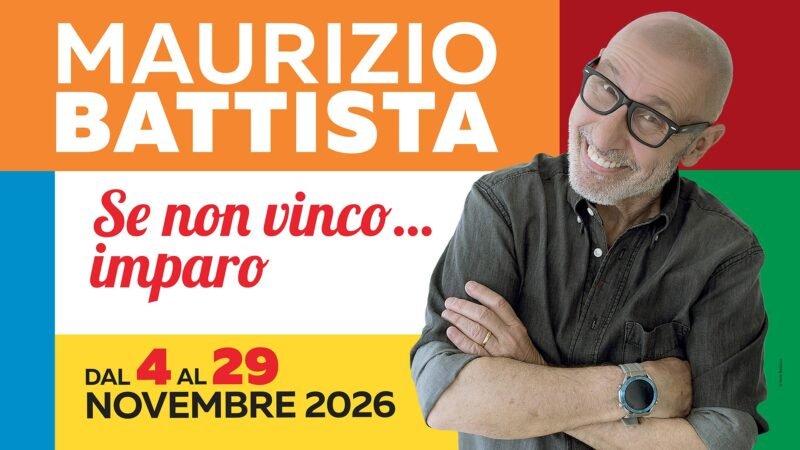
- Maurizio Battista at Teatro Olimpico, Se non vinco… imparo, November 4 to 29, 2026100 m
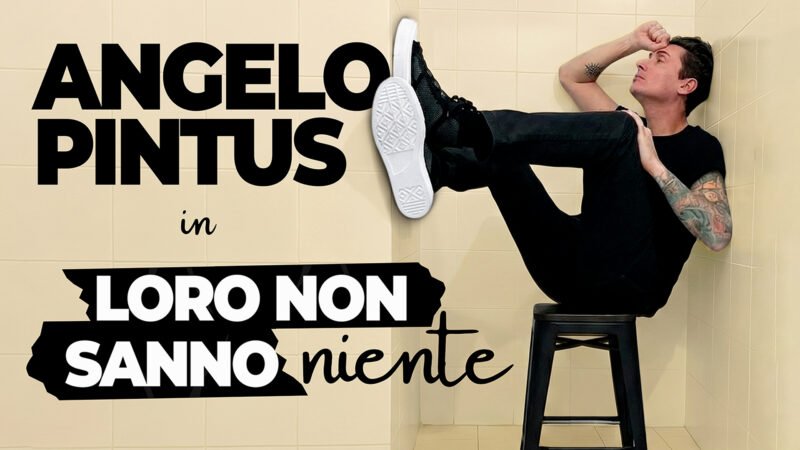
- Angelo Pintus at Teatro Olimpico, Loro non sanno niente, January 14 to February 14, 2027100 m
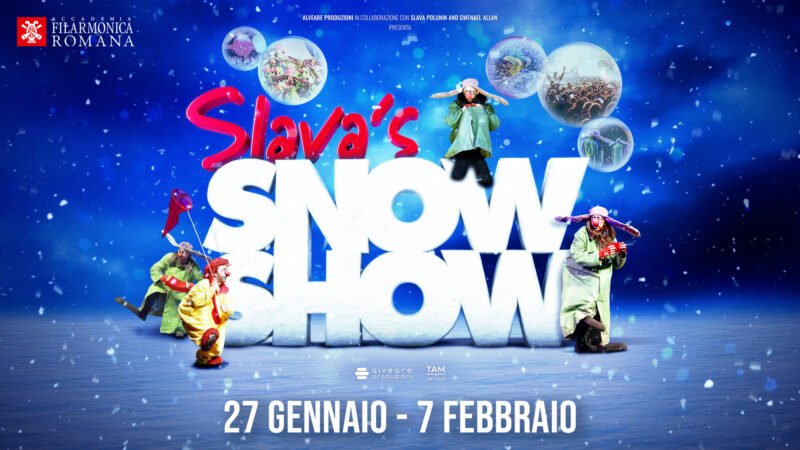
- Slava’s SnowShow at Teatro Olimpico, January 27 to February 7, 2027100 m

You might also like
- Chuck Ragan at Auditorium Parco della Musica, December 12, 2026
- Simone Avincola canta Carella at Auditorium Parco della Musica, February 26, 2027
- Mauro Di Maggio at Auditorium Parco della Musica, December 10, 2026
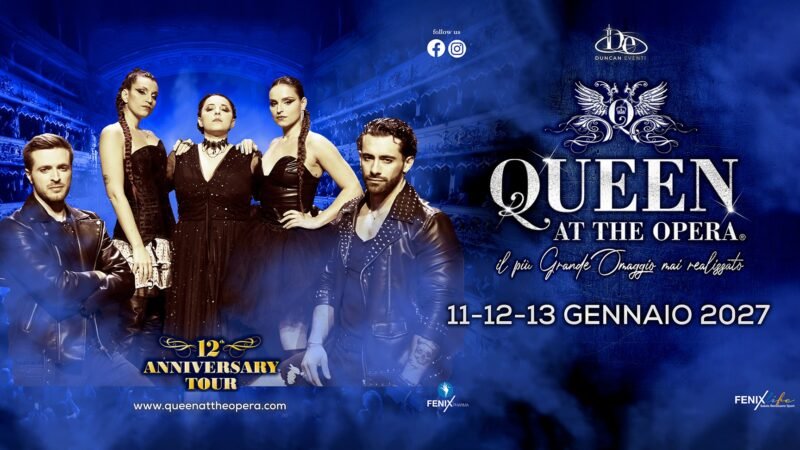
- Queen at the Opera: The Great Return at Teatro Olimpico, January 11 to 13, 2027
- Una Storia Unica: Banco del Mutuo Soccorso, Of New Trolls, Le Orme feat. Bernardo Lanzetti at Auditorium Parco della Musica, February 21, 2027
- Dominguinho at Auditorium Parco della Musica, February 20, 2027